
riviera maya hidden gems off the beaten path
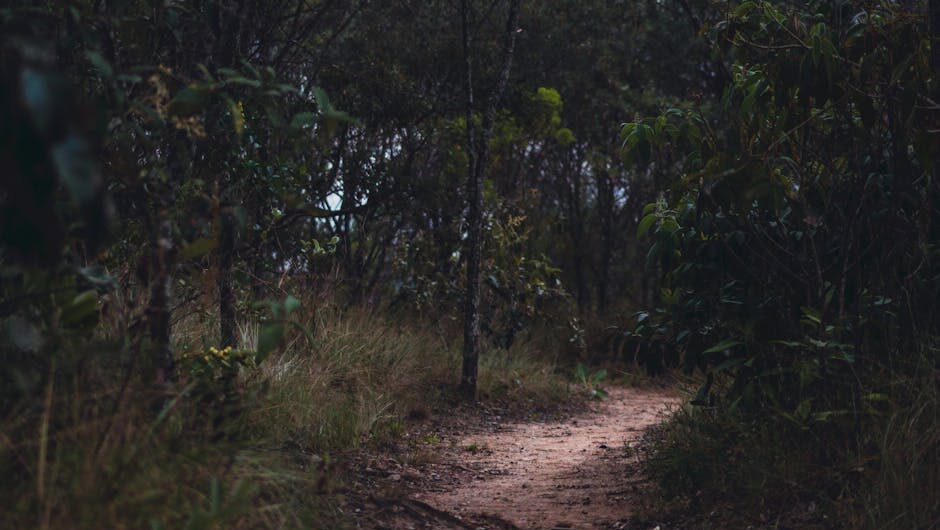
Beyond the bustling resort strips and crowded tourist attractions lies the true soul of Mexico’s Caribbean coast. The Riviera Maya holds countless hidden gems that remain largely untouched by mass tourism, offering intrepid travelers authentic experiences that connect them deeply with Mayan culture, pristine nature, and local traditions. These off-the-beaten-path destinations provide a stark contrast to the commercialized zones, revealing ancient cenotes where crystal-clear waters reflect limestone caverns, forgotten archaeological sites where howler monkeys guard crumbling temples, and traditional fishing villages where time seems suspended in amber.
Discovering these secret treasures requires local expertise and careful planning, but the rewards are immeasurable. From swimming in sacred underground rivers to sharing meals with Mayan families who still practice ancestral customs, these hidden experiences offer transformative journeys that create lifelong memories and deeper cultural understanding.
Secret Cenotes Beyond Tourist Radar
While cenotes like Dos Ojos and Gran Cenote draw massive crowds, numerous hidden freshwater sinkholes remain virtually unknown to mainstream tourism. These sacred wells, considered portals to the underworld by ancient Mayans, offer pristine swimming and diving experiences without the tourist masses.
Cenote Manatí
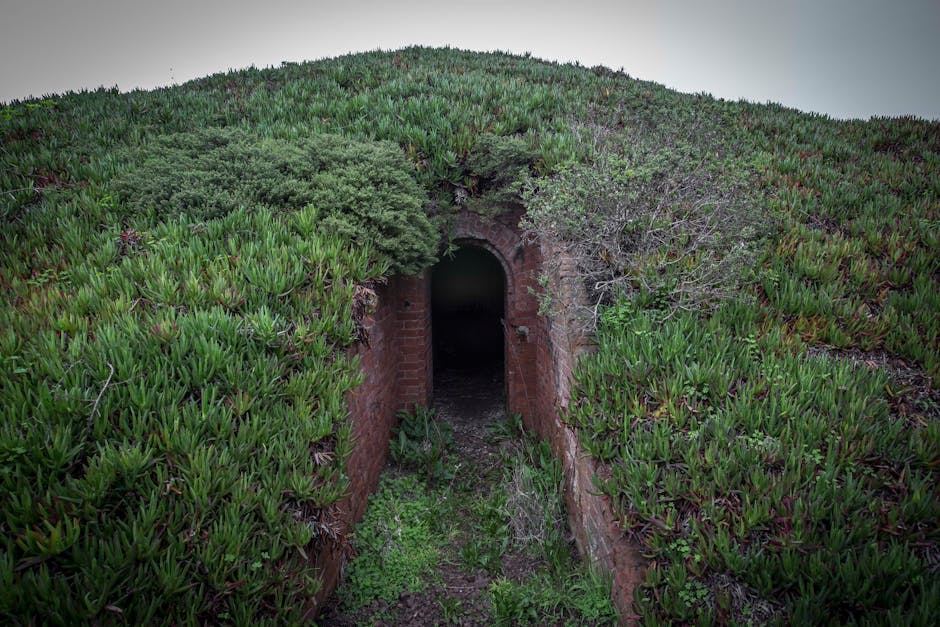
Located near Tulum but accessible only through unmarked jungle paths, Cenote Manatí features multiple swimming areas connected by underwater passages. The cenote’s unique horseshoe shape creates distinct temperature zones, with thermal layers that create mesmerizing visual effects underwater. Local Mayan families still perform traditional ceremonies here during the full moon, making it a living cultural site rather than merely a swimming hole.
Cenote Calavera’s Hidden Chambers
Beyond the main swimming area of this skull-shaped cenote lies a network of unexplored chambers accessible only to experienced cave divers. These hidden sections contain pristine stalactite formations and ancient pottery fragments, suggesting ceremonial use dating back centuries. The cenote’s remote location requires a bumpy ride through local neighborhoods, but rewards visitors with crystal-clear waters and complete solitude.
Cenote Nicte-Ha
This shallow cenote near Playa del Carmen remains largely unknown due to its inconspicuous entrance through a local family’s property. The name means “water flower” in Mayan, referring to the lily pads that create a natural carpet across the surface. Underwater, ancient tree roots create cathedral-like formations, while small fish species found nowhere else in the region thrive in its nutrient-rich waters.
Forgotten Archaeological Treasures
While Chichen Itza and Tulum attract millions of visitors annually, dozens of archaeological sites throughout the Riviera Maya remain largely unexcavated and unvisited. These forgotten temples and ceremonial centers offer authentic encounters with Mayan history without crowds or commercialization.
Muyil’s Untouched Sections
Though Muyil receives some visitors, most tourists only explore the main temple complex. The site’s extensive backcountry contains over 100 unexcavated structures connected by ancient sacbeob (white roads) that stretch for miles through pristine jungle. These limestone pathways lead to remote temples where ancient Mayan ceremonies once took place, now guarded only by howler monkeys and exotic birds.
Tankah Bay’s Hidden Ruins
Between Tulum and Akumal, the small fishing village of Tankah conceals Pre-Columbian structures that predate Tulum’s famous clifftop temples. These limestone buildings, partially hidden by mangrove growth, served as waypoints along ancient maritime trade routes. Local fishermen still find ceramic fragments and obsidian tools in the area, evidence of continuous habitation spanning over 1,000 years.
Pol Box’s Secret Complex
Near Xcaret but completely unmarked, this archaeological site consists of three temple groups connected by elevated causeways. The main pyramid, though smaller than famous counterparts, retains original stucco decorations and hieroglyphic inscriptions. Access requires permission from local ejido leaders and navigation through unmarked jungle trails, making it virtually impossible for casual tourists to discover independently.
Traditional Villages Preserving Ancient Ways
Scattered throughout the Riviera Maya’s interior, indigenous communities maintain traditional lifestyles that have remained largely unchanged for generations. These villages offer authentic cultural exchanges that provide deep insights into contemporary Mayan life and ancestral traditions.

Nuevo Durango’s Honey Cooperative
This small settlement, accessible only via dirt roads, specializes in traditional Mayan beekeeping using native Melipona bees. Unlike European honeybees, these stingless insects produce honey with medicinal properties revered by Mayan healers for centuries. Village families share ancient knowledge about forest ecology, traditional medicine, and sustainable harvesting practices that modern environmental science is only beginning to understand.
Visitors can participate in honey extraction ceremonies, learn about forest conservation techniques, and experience authentic Mayan hospitality through home-cooked meals featuring ingredients foraged from the surrounding jungle.
Chan Chen’s Weaving Traditions
Hidden in the forest between Chemuyil and Akumal, this community of 50 families maintains traditional textile production using techniques passed down through generations. Women still gather natural dyes from local plants and create intricate huipiles (traditional dresses) on backstrap looms exactly as their ancestors did centuries ago.
The village offers immersive workshops where visitors learn about plant-based dye extraction, traditional weaving patterns with spiritual significance, and the cultural importance of textile arts in Mayan society. Unlike tourist-oriented craft demonstrations, these are authentic working sessions where visitors contribute to ongoing community projects.
Pristine Natural Areas Away from Development
Despite extensive coastal development, significant portions of the Riviera Maya remain completely wild, harboring pristine ecosystems that support incredible biodiversity. These protected areas and remote natural zones offer unparalleled wildlife viewing and ecological experiences.
Punta Laguna’s Spider Monkey Sanctuary
Managed entirely by local Mayan communities, this protected forest reserve serves as one of Mexico’s most successful community-based conservation projects. The 5,367-hectare reserve protects critical habitat for endangered spider monkeys, jaguars, and over 200 bird species.
Unlike commercial eco-parks, Punta Laguna offers authentic jungle experiences led by local guides whose families have lived in harmony with the forest for generations. Visitors can participate in traditional hunting and gathering walks (without actual hunting), learn about medicinal plant uses, and witness spider monkey troops in completely natural settings.
Sian Ka’an’s Remote Northern Section
While Sian Ka’an Biosphere Reserve receives some tourism, its northern coastal areas remain virtually inaccessible to casual visitors. This remote section contains pristine mangrove channels, untouched coral reefs, and seasonal flamingo nesting grounds that support thousands of birds during peak migration periods.
Access requires specialized boats and local knowledge to navigate shallow lagoons and hidden channels. The area’s isolation has preserved marine ecosystems in pristine condition, offering world-class snorkeling and fishing opportunities in waters that have never experienced tourism pressure.
Underground River Systems and Cave Networks
The Yucatan Peninsula contains the world’s longest underground river system, with over 1,000 kilometers of mapped passages and countless unexplored sections. Beyond famous tourist caves, extensive networks remain accessible only to experienced cavers and local guides who know secret entrances.
Sistema Ox Bel Ha’s Hidden Entrances
This massive underwater cave system contains over 270 kilometers of surveyed passages, making it one of the world’s longest underwater cave systems. While some sections are accessible to tourist divers, local guides know dozens of unmarked cenotes that provide access to pristine chambers containing ancient Mayan artifacts and geological formations.
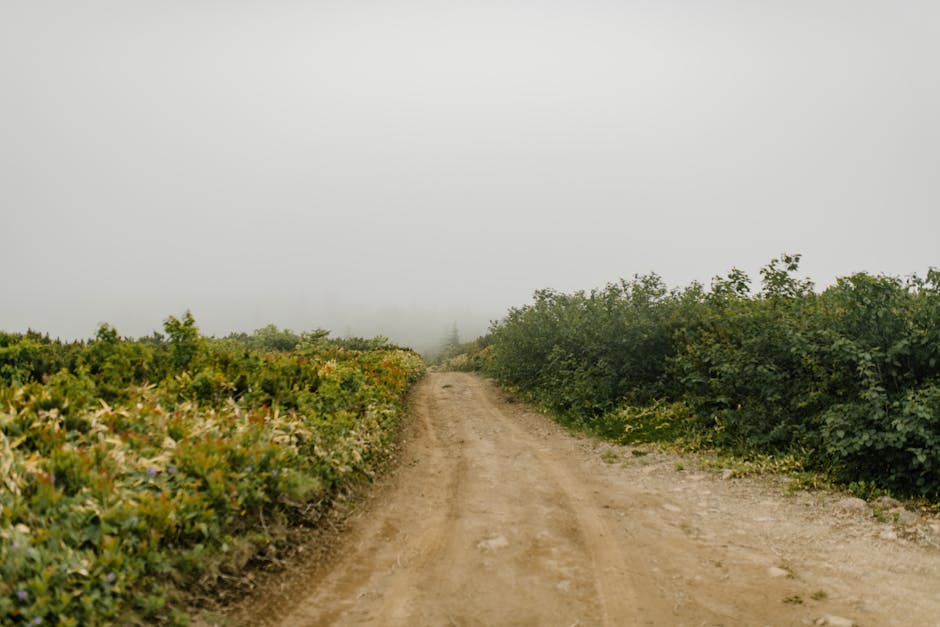
These remote entries require jungle hiking and sometimes rappelling to reach water level, but reward adventurous visitors with cathedral-sized chambers decorated with pristine stalactites and stalagmites that have formed over millions of years.
Sacred Underground Rivers
Beyond swimming cenotes, the region contains navigable underground rivers that ancient Mayans used for transportation and ceremony. These subterranean waterways connect coastal areas with inland communities, creating a hidden transportation network that modern development has largely forgotten.
Experienced guides can lead small groups through these underground passages using traditional canoes, revealing hidden chambers where ancient pottery and ceremonial objects remain undisturbed. The experience provides profound connections to Mayan cosmology, which considered these underground waters sacred pathways to the afterlife.
Authentic Culinary Experiences in Hidden Locations
Beyond resort restaurants and tourist-oriented eateries, the Riviera Maya’s interior villages maintain authentic culinary traditions using ingredients and techniques unchanged for generations. These hidden food experiences provide deep cultural immersion through shared meals and cooking instruction.
Traditional Mayan Cooking Classes
Several remote communities offer authentic cooking experiences in family compounds where multiple generations prepare traditional meals using wood-fired stoves and ancient grinding techniques. Participants learn to prepare cochinita pibil using traditional underground ovens, create handmade tortillas from heirloom corn varieties, and prepare medicinal drinks using forest plants.
These experiences differ dramatically from commercial cooking classes by focusing on cultural significance rather than tourist entertainment. Families share stories about ingredient symbolism, seasonal cooking cycles, and the spiritual aspects of food preparation in Mayan culture.
Hidden Fishing Village Restaurants
Along the coast between major tourist zones, small fishing communities operate informal restaurants serving incredibly fresh seafood prepared using traditional methods. These establishments, often consisting of a few plastic tables under palapas, offer the region’s most authentic maritime cuisine at fraction of resort prices.
Local fishermen bring daily catches directly from boats to kitchen, ensuring unparalleled freshness while supporting traditional livelihoods. Dishes like tikin xic (achiote-marinated fish) and fresh ceviche showcase regional flavors without tourist-oriented modifications.
Planning Your Off-the-Beaten-Path Adventure
Discovering these hidden gems requires careful planning, local connections, and respect for indigenous communities and fragile ecosystems. Success depends on working with knowledgeable guides who understand both cultural sensitivities and environmental protection requirements.
Working with Local Guides
Authentic experiences require guides with deep cultural knowledge and established community relationships. The best guides are often indigenous community members who can provide cultural context while ensuring respectful interaction with local families and sacred sites. These specialists understand seasonal variations, weather considerations, and community protocols that determine access to hidden locations.
Sustainable Tourism Practices
Visiting hidden gems responsibly requires commitment to sustainable tourism principles that protect fragile environments and support local communities. This includes traveling in small groups, following Leave No Trace principles, purchasing directly from local producers, and respecting cultural protocols around sacred sites and traditional practices.
Essential Preparation
Off-the-beaten-path exploration requires physical preparation, appropriate equipment, and flexibility regarding schedules and comfort levels. Visitors should expect basic accommodations, bumpy transportation, and communication challenges while embracing authentic experiences that create profound cultural connections.
Success also requires advance planning, as many hidden locations have limited access periods determined by weather, cultural events, or conservation requirements. Booking through specialized operators ensures proper preparation while supporting sustainable tourism development in local communities.
Conclusion
The Riviera Maya’s hidden gems offer transformative travel experiences that connect visitors deeply with Mayan culture, pristine nature, and authentic community life. These off-the-beaten-path destinations provide alternatives to mass tourism while supporting indigenous communities and conservation efforts.
Discovering these treasures requires expertise, planning, and cultural sensitivity, but rewards adventurous travelers with experiences that create lasting memories and deeper understanding of Mexico’s rich cultural heritage. From swimming in sacred cenotes to sharing meals with Mayan families, these hidden gems reveal the true spirit of the Riviera Maya.
Best Maya Tours specializes in creating authentic, culturally immersive experiences that unveil the Riviera Maya’s best-kept secrets. Our indigenous guides and commitment to sustainable tourism ensure respectful access to hidden gems while supporting local communities. Book your authentic Mayan adventure today and discover the extraordinary experiences waiting beyond the tourist trail.


