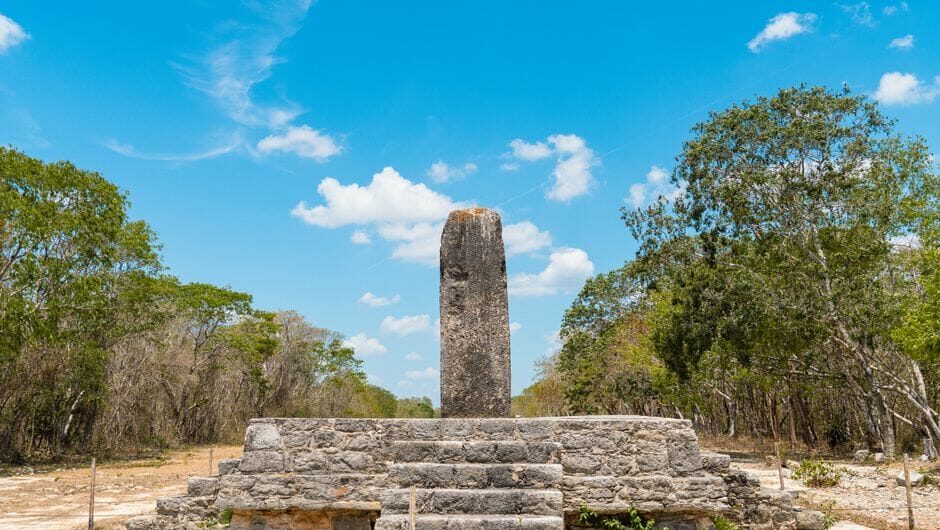
Sustainable Tourism Mexico: Your Guide to Responsible Travel in the Maya Heartland

Mexico’s tourism industry has experienced tremendous growth over recent decades, with millions of visitors flocking to its pristine beaches, ancient ruins, and vibrant cities each year. However, this surge in popularity has brought significant environmental and cultural challenges that demand immediate attention. Sustainable tourism in Mexico represents not just a trend, but a fundamental shift toward preserving the country’s natural wonders and cultural heritage for future generations while providing authentic experiences for today’s conscious travelers.

The concept of sustainable tourism goes beyond simple eco-friendly practices. It encompasses environmental protection, cultural preservation, economic benefits for local communities, and educational opportunities that transform visitors into advocates for conservation. In Mexico, where ancient civilizations like the Maya left behind an irreplaceable legacy, sustainable tourism becomes particularly crucial for protecting both natural ecosystems and archaeological treasures.

The Environmental Imperative for Sustainable Tourism

Mexico’s diverse ecosystems face mounting pressures from mass tourism. The Riviera Maya alone hosts over 10 million visitors annually, placing tremendous strain on coral reefs, cenotes, and jungle habitats. Traditional tourism models have contributed to coastal erosion, water pollution, reef degradation, and wildlife displacement. Sustainable tourism practices offer solutions to these challenges through carefully managed visitor experiences that minimize environmental impact.

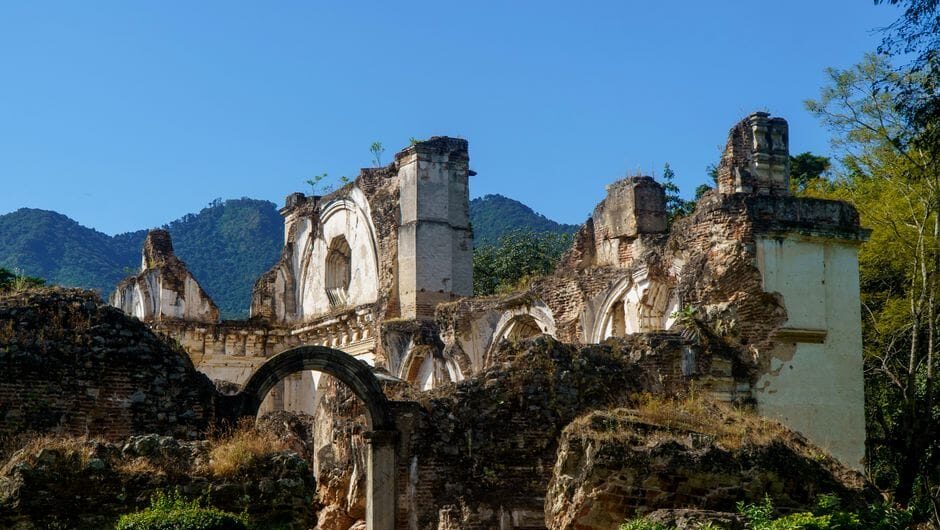
sustainable tourism mexico

Cenotes, the sacred limestone sinkholes that punctuate the Yucatan Peninsula, exemplify this delicate balance. These freshwater pools served as vital water sources and spiritual centers for the ancient Maya civilization, as documented by Britannica’s comprehensive historical records. Today, they attract thousands of swimmers and divers, but without proper management, biodegradable sunscreen requirements, and visitor limits, these fragile ecosystems face irreversible damage.

Responsible tour operators implement strict environmental protocols including waste reduction, renewable energy usage, water conservation, and carbon offset programs. They educate visitors about local ecosystems, enforce leave-no-trace principles, and actively participate in conservation projects. These practices ensure that Mexico’s natural beauty remains intact for future generations while providing meaningful experiences for current travelers.

Cultural Preservation Through Responsible Tourism

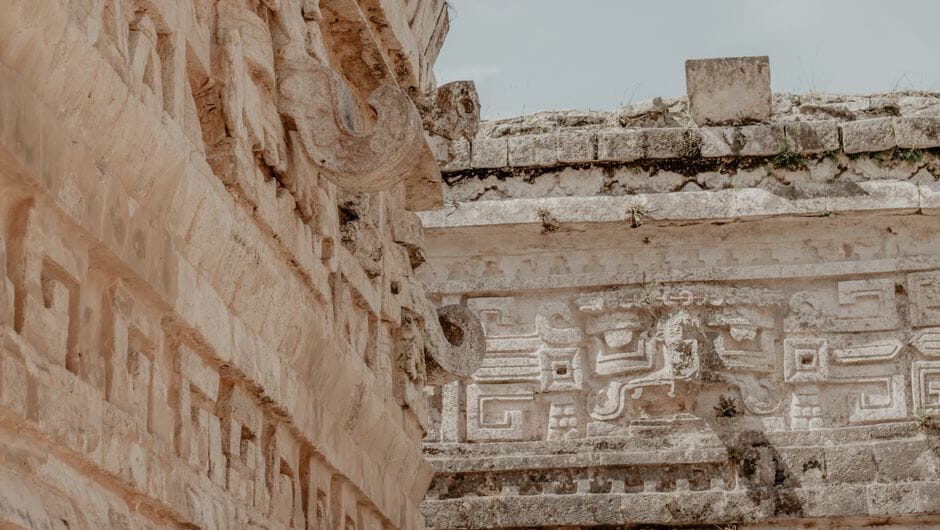
The Maya civilization flourished for thousands of years, developing sophisticated astronomical systems, architectural marvels, and cultural traditions that continue today in indigenous communities throughout southern Mexico. Sustainable tourism recognizes that these living cultures deserve respect, protection, and economic benefits from visitor interest in their heritage.

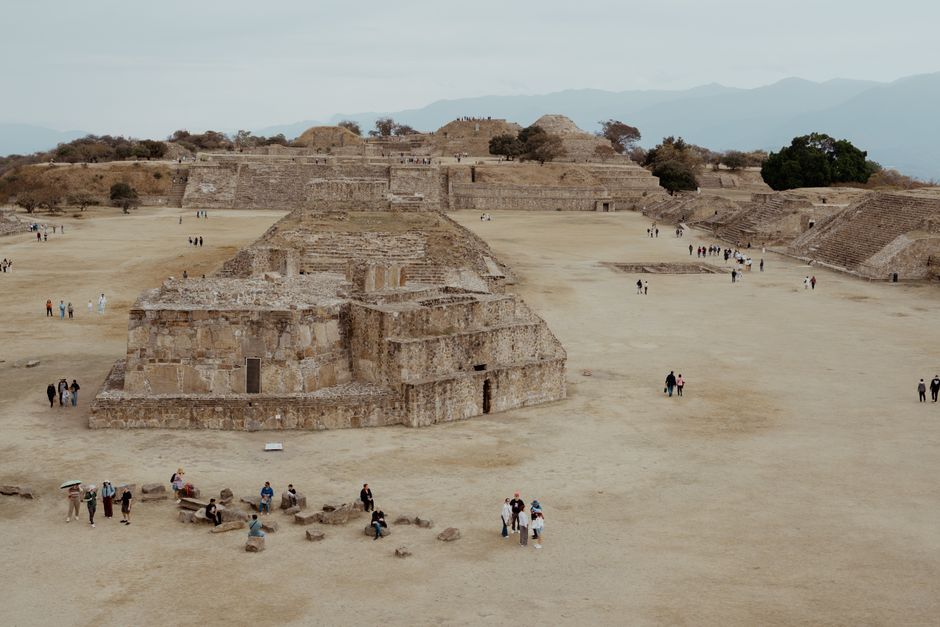
sustainable tourism mexico

Community-based tourism initiatives allow travelers to engage directly with Maya communities, learning traditional crafts, agricultural practices, and culinary arts from local experts. These programs ensure tourism revenue reaches the communities themselves rather than being siphoned away by external corporations. Visitors gain authentic cultural insights while supporting the preservation of traditional knowledge and practices.

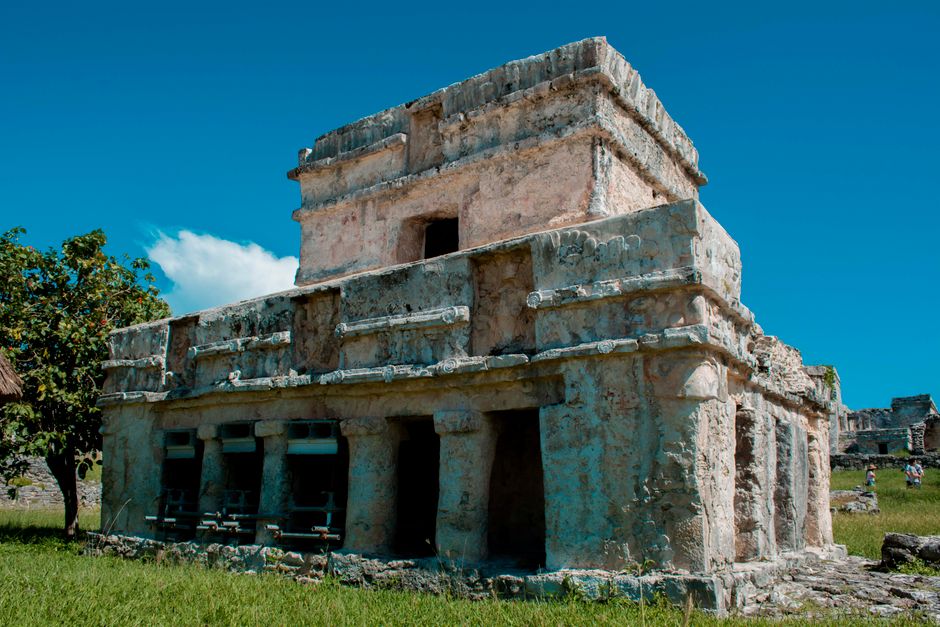
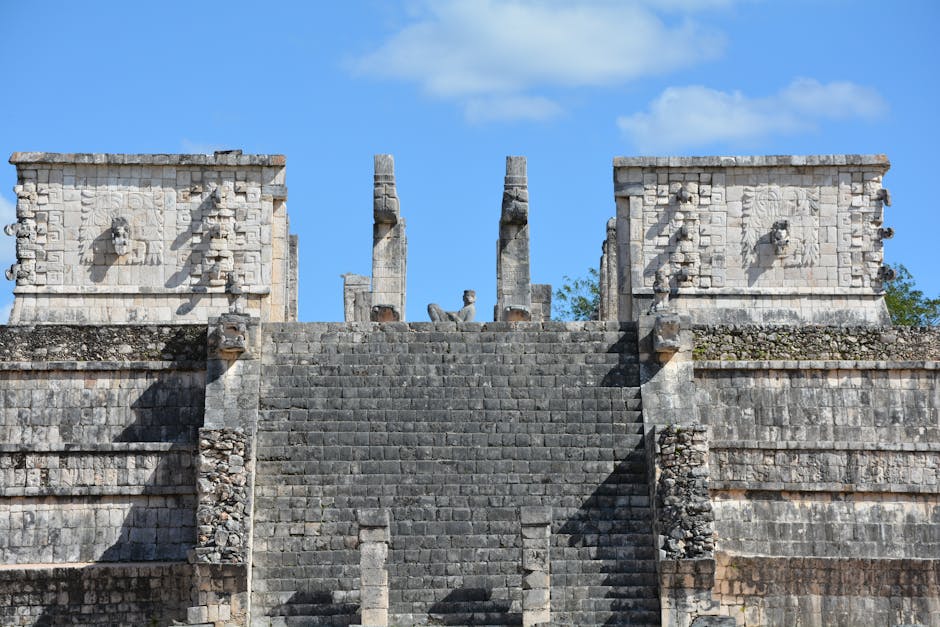
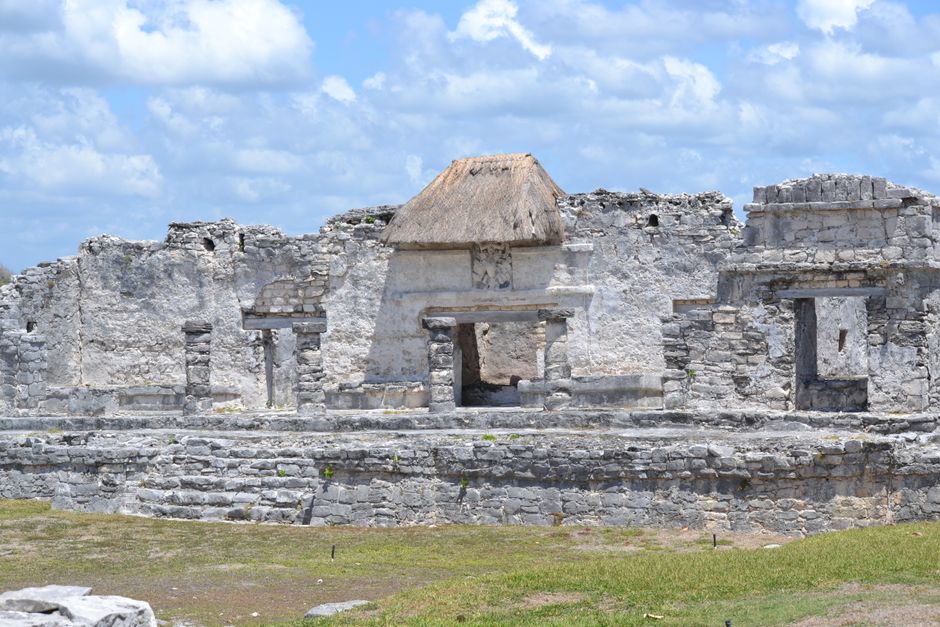
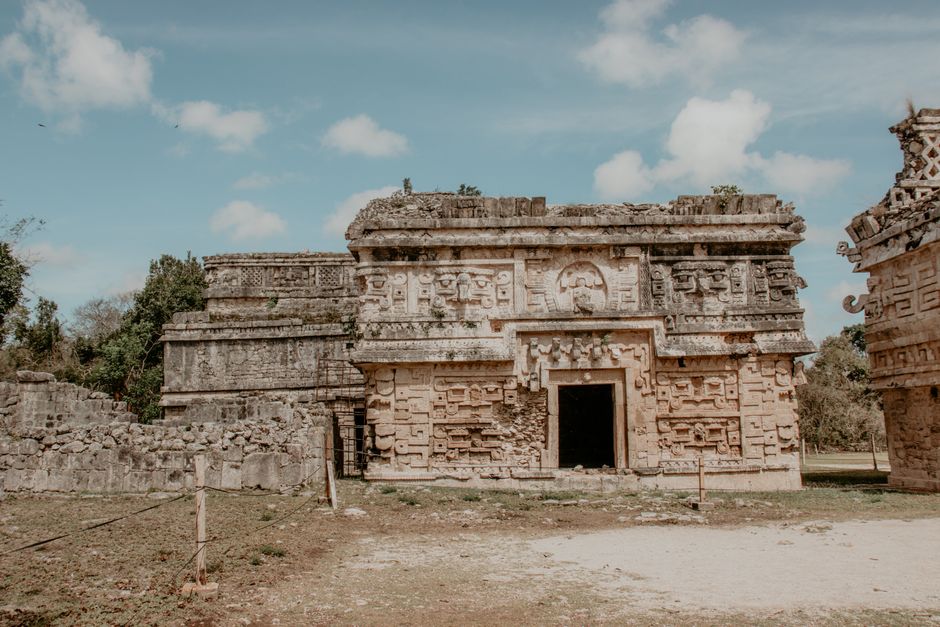
Archaeological sites like Chichen Itza, Tulum, and Calakmul represent irreplaceable windows into Maya history. Sustainable tourism at these locations means limiting visitor numbers, restricting access to vulnerable structures, employing local guides with deep cultural knowledge, and investing entrance fees back into site preservation and community development. Best Maya Tours prioritizes these principles, employing knowledgeable guides who provide context and meaning that transforms ruins from photo opportunities into educational experiences.

Economic Benefits That Empower Local Communities

Sustainable tourism creates economic opportunities that keep money within local communities rather than extracting wealth to external stakeholders. When tourism dollars support local businesses, restaurants, artisans, and guides, entire communities benefit from the industry rather than being displaced by it.

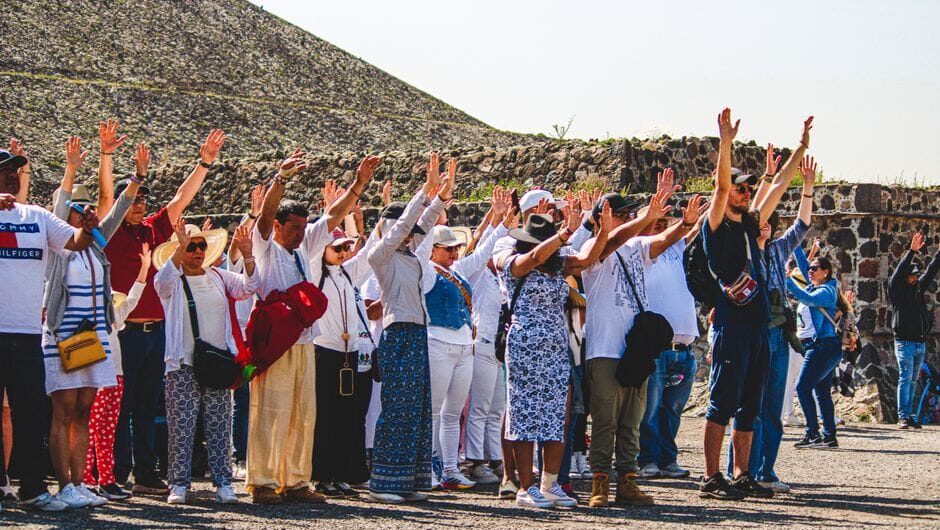
sustainable tourism mexico

Small-scale, locally-owned tour operators provide personalized experiences while ensuring fair wages for employees and equitable partnerships with communities. These businesses often reinvest profits into conservation projects, educational programs, and community infrastructure. Travelers who choose sustainable tour operators contribute directly to this positive economic cycle.

Agricultural tourism and farm-to-table dining experiences showcase traditional Maya farming techniques including milpa agriculture, which sustainably cultivates corn, beans, and squash together. These experiences educate visitors about food systems while providing income streams for farming families. Artisan cooperatives selling handmade textiles, pottery, and crafts offer similar benefits, preserving traditional skills while generating sustainable livelihoods.

Active Travel and Wellness in Natural Settings

Sustainable tourism in Mexico often incorporates physical activity that connects travelers with natural environments while promoting personal health. Hiking through jungle trails to remote archaeological sites, kayaking along coastal mangroves, snorkeling in protected marine reserves, and cycling through traditional villages combine adventure with environmental appreciation.

These active travel experiences align with health recommendations for regular physical activity, transforming vacation time into opportunities for both cultural enrichment and physical wellness. Jungle hikes to sites like Coba, where visitors can climb ancient pyramids, provide cardiovascular exercise while offering spectacular views and historical context. Cenote swimming and snorkeling deliver low-impact workouts in stunning natural settings.

Wellness tourism, when conducted sustainably, incorporates traditional Maya healing practices, medicinal plant knowledge, and spiritual ceremonies led by local practitioners. These experiences respect cultural traditions while providing visitors with meaningful wellness opportunities that support community healers and preserve traditional knowledge systems.

Choosing Sustainable Tour Operators in Mexico

Identifying genuinely sustainable tour operators requires looking beyond marketing claims to examine actual practices and commitments. Reputable sustainable tour companies demonstrate several key characteristics including transparent environmental policies, fair labor practices, partnerships with local communities, investment in conservation projects, and educational components in their tours.

Best Maya Tours exemplifies these principles through cultural and historical tours led by knowledgeable local guides who provide deep context about Maya civilization. The company’s commitment to sustainable tourism ensures that visits to archaeological sites, natural areas, and communities benefit conservation efforts and local economies. Small group sizes minimize environmental impact while maximizing personal interaction and learning opportunities.

When evaluating tour operators, ask specific questions about their environmental practices, community partnerships, guide compensation, group sizes, and conservation contributions. Genuine sustainable tourism providers welcome these questions and provide detailed answers demonstrating their commitments. They often hold certifications from recognized sustainable tourism organizations and can document their positive impacts.

Planning Your Sustainable Mexico Adventure

Creating a sustainable travel itinerary in Mexico begins with research and intentional choices. Select accommodations with environmental certifications, water conservation programs, renewable energy systems, and community employment practices. Choose tour operators who demonstrate genuine sustainability commitments rather than those merely using green marketing.

Travel during shoulder seasons when possible to reduce pressure on popular destinations during peak periods. This distributes economic benefits more evenly throughout the year while providing more intimate experiences with fewer crowds. Consider visiting lesser-known archaeological sites and communities where tourism infrastructure needs development and your visit makes a more significant economic impact.

Pack sustainably by bringing reusable water bottles, reef-safe sunscreen, biodegradable toiletries, and minimal plastic packaging. To get ready for your trip, consider checking out our guide on what to pack for a Riviera Maya tour. Respect local customs and dress codes, particularly when visiting sacred sites and traditional communities. Learn basic Spanish phrases to facilitate respectful communication with local people. Most importantly, approach your travels with humility, curiosity, and genuine respect for the places and people you encounter.

The Riviera Maya offers spectacular opportunities for sustainable tourism, from exploring ancient coastal ruins to swimming in crystal-clear cenotes and engaging with living Maya communities. When approached responsibly, travel in this region provides transformative experiences that enrich travelers while supporting conservation and community well-being. For travel agencies looking to offer unique experiences, consider private Riviera Maya tours with wholesale rates for agents to maximize profit margins while promoting responsible travel.

Conclusion

Sustainable tourism in Mexico represents the path forward for an industry that must balance economic opportunity with environmental protection and cultural preservation. The ancient Maya understood the importance of living in harmony with nature, a lesson that resonates powerfully today as we confront global environmental challenges. By choosing sustainable tourism options, travelers become partners in conservation efforts that protect Mexico’s extraordinary natural and cultural heritage.

Every travel decision carries impact, from the tour operator you select to how you interact with local communities and natural environments. Best Maya Tours provides expertly curated experiences that honor Maya heritage while protecting the ecosystems and communities that make the Riviera Maya extraordinary. Whether you’re exploring ancient pyramids, swimming in sacred cenotes, or learning traditional crafts from local artisans, sustainable tourism ensures these experiences remain available for generations to come. You can explore more Mexico eco-tourism experiences on our site.

The future of tourism in Mexico depends on choices made today by travelers, tour operators, communities, and governments. By embracing sustainable practices, we can ensure that Mexico’s magnificent landscapes, rich cultural traditions, and ancient wonders continue inspiring and educating visitors while providing economic opportunities for local communities. For travel agencies looking to offer exclusive experiences, learning how travel agencies can book exclusive Maya tours can enhance customer satisfaction. Your next journey to Mexico can be both transformative for you and beneficial for the places you visit—sustainable tourism makes this powerful combination possible.

Adventure Travel Central America: Your Ultimate Guide to Thrilling Experiences

Central America has emerged as one of the world’s premier destinations for adventure travel, offering an unparalleled combination of ancient civilizations, dramatic landscapes, and thrilling outdoor activities. From the majestic Mayan ruins nestled in dense jungles to volcanic peaks, pristine beaches, and vibrant coral reefs, this narrow land bridge connecting North and South America packs an incredible diversity of adventures into a relatively compact region. Whether you’re an adrenaline junkie seeking extreme experiences or a cultural explorer eager to connect with indigenous communities, Central America delivers unforgettable journeys that combine natural beauty with rich historical significance.

In 2026, adventure travel in Central America continues to evolve, with sustainable tourism practices becoming increasingly important. Travelers now seek authentic experiences that respect local communities and preserve the region’s ecological treasures. This approach to exploration ensures that the magnificent landscapes and cultural heritage that make Central America so special will endure for future generations to discover and appreciate.

Exploring Ancient Mayan Civilization Through Adventure

The ancient Mayan civilization forms the historical backbone of Central American adventure travel. Stretching across modern-day Mexico, Guatemala, Belize, Honduras, and El Salvador, the Mayan world offers countless opportunities for cultural exploration combined with physical adventure. Unlike passive museum visits, exploring Mayan sites in Central America requires hiking through jungles, climbing pyramid steps, and navigating remote terrain—making archaeology an active adventure sport.

adventure travel central america

The Riviera Maya region represents one of the most accessible yet authentically adventurous destinations for experiencing Mayan culture. Here, travelers can explore world-famous archaeological sites like Tulum, perched dramatically on Caribbean cliffs, or venture deeper into the Yucatan Peninsula to discover lesser-known ruins surrounded by howler monkeys and tropical birds. Best Maya Tours specializes in creating these immersive cultural adventures, combining expert historical knowledge with sustainable tourism practices that support local communities while minimizing environmental impact. For travel agencies looking to stand out, learning how to differentiate your Mexico tours with Mayan focus can attract a niche market.

Beyond the famous sites, adventure seekers can explore recently excavated ruins that few tourists ever visit. These expeditions often involve multi-day treks through protected reserves, camping under stars that the ancient Mayans once used for their sophisticated astronomical calculations. The combination of physical challenge, historical discovery, and natural immersion creates an adventure experience unlike any other in the world.

Thrilling Outdoor Activities Across the Isthmus

Central America’s geographical diversity creates perfect conditions for virtually every type of outdoor adventure. The region boasts over 60 volcanic peaks, thousands of miles of coastline on both Pacific and Caribbean sides, extensive cave systems, rushing rivers, and some of the world’s most biodiverse rainforests. This natural playground offers adventures ranging from beginner-friendly to expert-level challenges.

adventure travel central america

Volcano boarding down the black slopes of Cerro Negro in Nicaragua provides an adrenaline rush found nowhere else on Earth. Surfers flock to Pacific coast breaks in Costa Rica and El Salvador, where consistent swells create world-class waves. White-water rafting through the jungle rivers of Honduras and Guatemala tests paddling skills while showcasing spectacular scenery. Zip-lining through cloud forests lets adventurers soar above the canopy, spotting wildlife from a bird’s-eye perspective.

Cave exploration in Central America combines adventure with archaeology, as many caverns contain Mayan artifacts and ceremonial sites. Belize’s Actun Tunichil Muknal cave requires swimming through underground rivers and climbing through chambers to reach ancient pottery and skeletal remains—a physically demanding journey that rewards brave explorers with a glimpse into sacred Mayan rituals. These multi-dimensional adventures satisfy both the body’s need for physical challenge and the mind’s thirst for discovery.

Maintaining proper fitness levels enhances your ability to fully enjoy these physically demanding adventures. Following established physical activity guidelines before your trip ensures you’ll have the stamina to tackle challenging hikes, climbs, and expeditions without missing out on memorable experiences due to fatigue or inadequate conditioning.

Wildlife Encounters and Eco-Tourism Adventures

Central America contains approximately 7% of the world’s biodiversity despite comprising only 0.5% of the planet’s surface area. This extraordinary concentration of life forms makes wildlife encounters an integral part of any adventure travel experience in the region. From jaguars prowling through Guatemalan jungles to sea turtles nesting on Caribbean beaches, the region offers unparalleled opportunities for nature enthusiasts.

adventure travel central america

Snorkeling and diving in the Mesoamerican Barrier Reef—the second-largest coral reef system in the world—reveals underwater landscapes teeming with tropical fish, nurse sharks, eagle rays, and if you’re lucky, whale sharks. Costa Rica’s national parks protect scarlet macaws, three-toed sloths, and four species of monkeys, all observable in their natural habitats. Birdwatchers travel from around the globe to spot resplendent quetzals in the cloud forests of Guatemala and Costa Rica.

Responsible eco-tourism in Central America means choosing operators committed to conservation and sustainable practices. Best Maya Tours exemplifies this approach, ensuring that adventures benefit local communities and wildlife habitats rather than degrading them. For those interested in sustainable exploration, dedicated Mexico Eco-tourism Experiences provide excellent examples of responsible travel. Night hikes through reserves reveal nocturnal species rarely seen during daylight hours, while guided nature walks led by local experts provide educational context that transforms simple wildlife viewing into deeper environmental understanding.

Water-Based Adventures: Cenotes, Rivers, and Coastlines

Water defines much of Central America’s adventure landscape. The region’s unique geological features create extraordinary aquatic environments that serve as natural adventure parks. Cenotes—limestone sinkholes filled with crystalline freshwater—dot the Yucatan Peninsula, offering swimming, snorkeling, and diving opportunities in surreal underground pools once considered sacred by the Maya.

The Caribbean and Pacific coasts present contrasting water adventure possibilities. Caribbean waters tend toward calm, clear conditions perfect for snorkeling, sea kayaking, and paddleboarding among mangrove forests. Pacific coasts deliver powerful waves for surfing, along with excellent sportfishing opportunities for marlin, sailfish, and dorado. Island adventures off the coasts of Belize, Honduras, and Panama provide tropical paradise settings with deserted beaches and vibrant marine ecosystems.

River adventures range from gentle float trips through wildlife-rich wetlands to challenging Class IV rapids that demand technical skills and teamwork. Canyoneering combines hiking, climbing, rappelling, and swimming as adventurers descend through spectacular gorges carved by millennia of flowing water. These multi-sport water adventures showcase Central America’s diverse aquatic environments while providing exhilarating physical challenges.

Planning Your Central American Adventure

Successfully executing an adventure travel experience in Central America requires thoughtful planning and preparation. The region’s tropical climate means year-round travel possibilities, though dry season (November through April) generally offers the most favorable conditions for outdoor activities. Rainy season adventures have their own appeal, with fewer crowds and landscapes transformed by abundant moisture into verdant wonderlands.

Physical preparation is essential for maximizing your adventure experience. Most activities require at least moderate fitness levels, with some demanding excellent conditioning. Starting a training regimen several months before your trip ensures you’ll have the strength and endurance to fully participate in challenging activities. Preparing your body properly means you’ll spend your vacation creating memories rather than recovering from exertion.
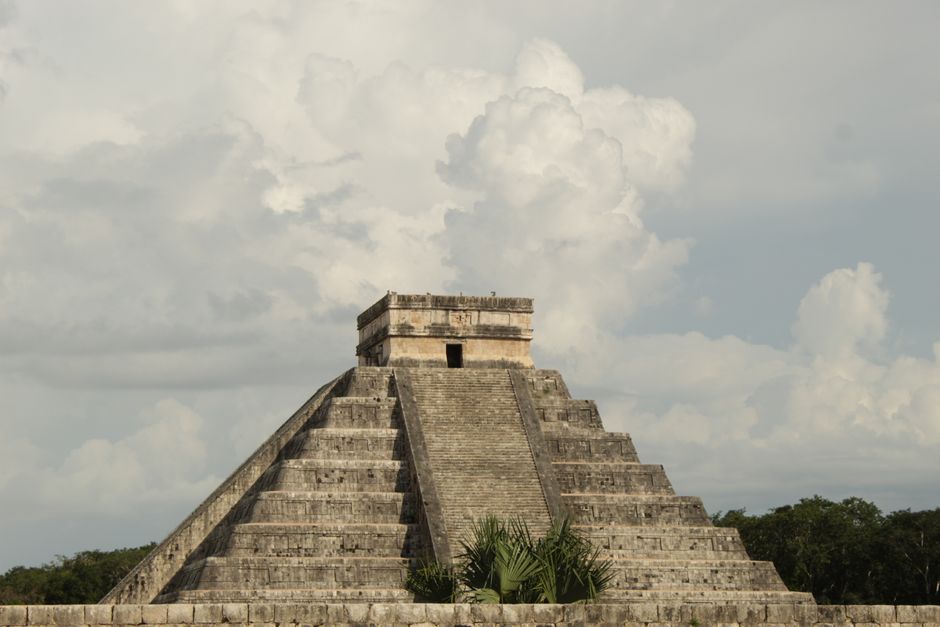
Choosing the right tour operator dramatically impacts your adventure quality and safety. Reputable companies like Best Maya Tours provide experienced guides, proper safety equipment, and well-planned itineraries that balance excitement with security. Expert guides transform adventures from simple activities into educational experiences, sharing knowledge about local ecology, history, and culture that independent travelers might miss. For travel agencies, knowing how travel agencies can book exclusive Maya tours can be a game-changer. Sustainable operators also ensure your adventure dollars support conservation efforts and local communities.

Packing appropriately for Central American adventures means bringing versatile, quick-drying clothing, sturdy footwear suitable for both hiking and water activities, sun protection, insect repellent, and any specialized gear your chosen activities require. If you’re heading to the Riviera Maya, consult our guide on what to pack for a Riviera Maya tour for essential tips. Many tour operators provide technical equipment like snorkeling gear, climbing harnesses, or kayaks, but confirming what’s included prevents last-minute surprises.

Cultural Immersion: Beyond Physical Adventure

The most meaningful Central American adventures blend physical challenges with cultural immersion. Visiting indigenous communities, learning traditional crafts, participating in local festivals, and sharing meals with host families adds depth to adventure travel that purely physical activities cannot provide. These cultural connections create understanding and appreciation that transform travelers into global citizens.

The Mayan culture, while ancient, remains vibrantly alive throughout Central America. Modern Maya communities maintain traditional practices, languages, and spiritual beliefs that have endured for millennia. Engaging respectfully with these living cultures through ethical tour operators creates mutually beneficial exchanges. Travelers gain insights into alternative worldviews and lifestyles, while communities receive economic support that helps preserve their cultural heritage.

Learning even basic Spanish phrases enhances your ability to connect with local people and navigate Central American countries more confidently. Many adventure destinations lie in remote areas where English is rarely spoken, making language skills both practical and respectful. This linguistic effort, even when imperfect, demonstrates cultural respect that local people genuinely appreciate.

Conclusion

Adventure travel in Central America offers extraordinary diversity, combining ancient civilizations, spectacular natural environments, thrilling physical challenges, and meaningful cultural encounters. Whether exploring Mayan ruins with Best Maya Tours, diving the Mesoamerican Reef, or hiking volcanic peaks, the region delivers experiences that engage body, mind, and spirit. The commitment to sustainable and responsible tourism ensures these adventures remain available for future generations while supporting the communities and ecosystems that make Central America so special. As 2026 unfolds, this remarkable region continues to call adventurers seeking authentic experiences, natural beauty, and cultural richness in one of the world’s most compact yet diverse destinations. Your Central American adventure awaits—one that will challenge your limits, expand your perspectives, and create memories lasting a lifetime.

Mexico Eco-tourism Experiences

Mexico has emerged as one of the world’s premier eco-tourism destinations, offering travelers authentic encounters with pristine natural environments while supporting conservation efforts and local communities. From the lush jungles of the Yucatan Peninsula to the diverse ecosystems of the Riviera Maya, sustainable tourism experiences allow visitors to explore ancient Mayan ruins, swim in crystal-clear cenotes, and witness incredible biodiversity—all while minimizing environmental impact and maximizing cultural understanding.

As travelers increasingly seek meaningful connections with nature and indigenous cultures, Mexico’s eco-tourism sector has responded with innovative programs that balance adventure, education, and conservation. Best Maya Tours specializes in creating these transformative experiences, combining expert local knowledge with a commitment to sustainable practices that benefit both visitors and the remarkable landscapes they explore.

The Richness of Mexico’s Natural Heritage

Mexico ranks among the world’s most biodiverse countries, hosting approximately 10% of all species on Earth within its borders. This extraordinary natural wealth spans diverse ecosystems including tropical rainforests, cloud forests, mangrove wetlands, coral reefs, and desert landscapes. The country’s unique position at the intersection of North and South America creates biological corridors that support an astounding variety of flora and fauna.

mexico eco-tourism experiences

The Yucatan Peninsula alone contains thousands of species found nowhere else on the planet. Visitors can encounter howler monkeys swinging through the canopy, colorful toucans and macaws, jaguars prowling through protected reserves, and sea turtles nesting on pristine beaches. According to Britannica, Mexico’s commitment to protecting these natural treasures through national parks and biosphere reserves has made it a model for conservation in Latin America.

Eco-tourism experiences provide unprecedented access to these natural wonders while ensuring their preservation for future generations. Guided nature walks through protected jungles, snorkeling expeditions in the Mesoamerican Barrier Reef System, and wildlife observation tours connect visitors with ecosystems that have sustained Mayan communities for millennia. These experiences foster deep appreciation for environmental stewardship and the interconnectedness of all living things.

Sustainable Exploration of Ancient Mayan Sites

The Mayan civilization created some of humanity’s most impressive architectural and cultural achievements, and many of these sites remain embedded within thriving ecosystems. Eco-tourism approaches to visiting archaeological wonders like Tulum, Coba, and lesser-known ruins emphasize low-impact exploration that respects both cultural heritage and the surrounding environment.

mexico eco-tourism experiences

Best Maya Tours offers specialized excursions that combine historical education with ecological awareness. Rather than large bus tours that disrupt wildlife and overwhelm sites, small group experiences allow for intimate encounters with ancient structures while knowledgeable guides explain both the civilization’s remarkable achievements and the ecological context in which they thrived. This is a key aspect of how to differentiate your Mexico tours with Mayan focus. Walking and cycling tours minimize carbon emissions while providing physical activity benefits consistent with healthy travel practices.

These sustainable visits often incorporate elements of traditional Mayan culture that continue today. Travelers might participate in authentic ceremonies led by Mayan spiritual leaders, learn about medicinal plants still used by local healers, or understand ancient agricultural techniques that worked in harmony with the jungle environment. This holistic approach transforms archaeological tourism into meaningful cultural exchange that honors living traditions alongside historical monuments.

Cenote Adventures and Water Conservation

The Yucatan Peninsula’s unique geology creates cenotes—natural sinkholes that provide access to vast underground river systems. These sacred waters were central to Mayan cosmology and remain vital to regional ecosystems today. Eco-friendly cenote experiences emphasize conservation, education, and respectful enjoyment of these natural wonders.

mexico eco-tourism experiences

Responsible tour operators limit visitor numbers, prohibit harmful chemicals like conventional sunscreen that damages aquatic ecosystems, and educate guests about the cenotes’ ecological and cultural significance. Swimming and snorkeling in these pristine waters offers refreshing adventure while supporting understanding of groundwater systems that sustain entire regions. The physical activity involved in cenote exploration—from climbing, swimming, to hiking between sites—provides excellent exercise in spectacular natural settings.

Many cenote tours also address critical environmental challenges facing these systems, including pollution from development and climate change impacts. By participating in eco-tourism experiences, visitors directly support conservation initiatives that protect water quality and preserve these irreplaceable natural features. Some programs even include hands-on conservation activities like water testing or native plant restoration around cenote openings.

Community-Based Tourism and Cultural Immersion

Authentic eco-tourism extends beyond environmental conservation to encompass social sustainability and cultural preservation. Community-based tourism initiatives throughout the Riviera Maya region empower local Mayan communities to share their traditions, crafts, and knowledge while generating sustainable income that supports traditional lifestyles.

Visitors can stay in locally-owned eco-lodges built using traditional techniques and sustainable materials, dine on authentic cuisine prepared by community members using organic, locally-sourced ingredients, and participate in workshops teaching traditional crafts like weaving, pottery, or chocolate-making. These intimate experiences create genuine connections between travelers and hosts, fostering mutual understanding and respect.

Best Maya Tours partners with Mayan communities to create experiences that benefit local families directly. Rather than extracting value from indigenous cultures, this model ensures that tourism supports community development priorities including education, healthcare, and cultural preservation programs. Travelers return home not just with photos and memories, but with meaningful relationships and deeper understanding of contemporary Mayan life.

Adventure Activities with Environmental Responsibility

Mexico’s dramatic landscapes offer endless opportunities for active adventure, from jungle zip-lining and kayaking through mangrove forests to snorkeling coral reefs and rappelling into caves. Eco-tourism approaches ensure these thrilling activities minimize environmental impact while maximizing safety, education, and physical benefits.

Sustainable adventure operators use equipment designed to protect natural features, follow strict guidelines to avoid disturbing wildlife, and educate participants about the ecosystems they’re exploring. Zip-line courses thread through forest canopies without requiring tree removal, kayak tours avoid nesting areas during sensitive seasons, and cave explorations emphasize conservation of delicate formations.

These activities provide excellent physical exercise in inspiring natural settings, encouraging active lifestyles while traveling. The combination of cardiovascular activity, strength building, and flexibility work inherent in adventure tourism supports overall wellness goals. Whether hiking through jungle trails, swimming in cenotes, or cycling between archaeological sites, eco-tourism experiences keep travelers moving while exploring Mexico’s wonders.

Planning Your Sustainable Mexico Journey

Choosing authentic eco-tourism experiences requires research and commitment to responsible travel principles. Look for operators with genuine sustainability credentials, including certifications from recognized environmental organizations, demonstrated community partnerships, and transparent environmental policies. Best Maya Tours maintains strict sustainable tourism standards, ensuring every experience supports conservation and community wellbeing.

Travelers can enhance their positive impact by making conscious choices: packing reef-safe sunscreen, bringing reusable water bottles, respecting wildlife viewing guidelines, supporting local artisans, and learning basic Spanish phrases to facilitate cultural exchange. For those planning their adventure, knowing what to pack for a Riviera Maya tour is essential. Small actions collectively create significant positive impact on the destinations we visit.

The ideal time for eco-tourism in the Riviera Maya varies by interest. December through April offers drier weather perfect for archaeological exploration and jungle hiking, while summer months provide excellent opportunities for sea turtle nesting observation and lush rainforest experiences. Best Maya Tours offers year-round experiences tailored to seasonal highlights, ensuring memorable adventures regardless of when you visit.

Consider extending your stay to fully appreciate the depth of experiences available. Rather than rushing between highlights, immersive eco-tourism means spending quality time in fewer locations, developing deeper understanding of ecosystems and cultures. Multi-day itineraries allow for both active adventures and reflective moments, creating balanced experiences that nourish body, mind, and spirit.

Conclusion

Mexico’s eco-tourism experiences offer transformative journeys that connect travelers with extraordinary natural beauty, ancient cultural heritage, and vibrant contemporary communities. By choosing sustainable tourism options like those offered by Best Maya Tours, visitors become partners in conservation efforts that protect irreplaceable ecosystems and support indigenous cultures. These experiences transcend typical tourism, creating lasting memories while contributing to positive environmental and social outcomes.

Whether exploring hidden cenotes, hiking to remote Mayan ruins, or learning traditional crafts from local artisans, eco-tourism in Mexico provides adventure with purpose. For travel agencies seeking to enhance their offerings, understanding how travel agencies can book exclusive Maya tours for your clients is invaluable. The combination of physical activity, cultural learning, and natural wonder creates holistic travel experiences that enrich lives while protecting the planet. As we look toward sustainable tourism’s future, Mexico stands as an inspiring example of how travel can celebrate, rather than exploit, our world’s most precious places and peoples.

Book your sustainable Mayan adventure today with Best Maya Tours and discover the magic of responsible travel in one of the world’s most captivating destinations. Additionally, don’t miss out on private Riviera Maya tours with wholesale rates for agents, making these incredible experiences even more accessible.

Cultural Tours Yucatan Peninsula: Discover Ancient Maya Wonders

The Yucatan Peninsula stands as one of the world’s most fascinating cultural destinations, where ancient Maya civilization meets modern exploration. This remarkable region in southeastern Mexico offers travelers an unparalleled journey through time, showcasing architectural marvels, sacred cenotes, vibrant colonial cities, and living traditions that have endured for millennia. Whether you’re a history enthusiast, adventure seeker, or cultural explorer, cultural tours of the Yucatan Peninsula provide transformative experiences that connect you with one of humanity’s greatest ancient civilizations.

Exploring the Ancient Maya Cities

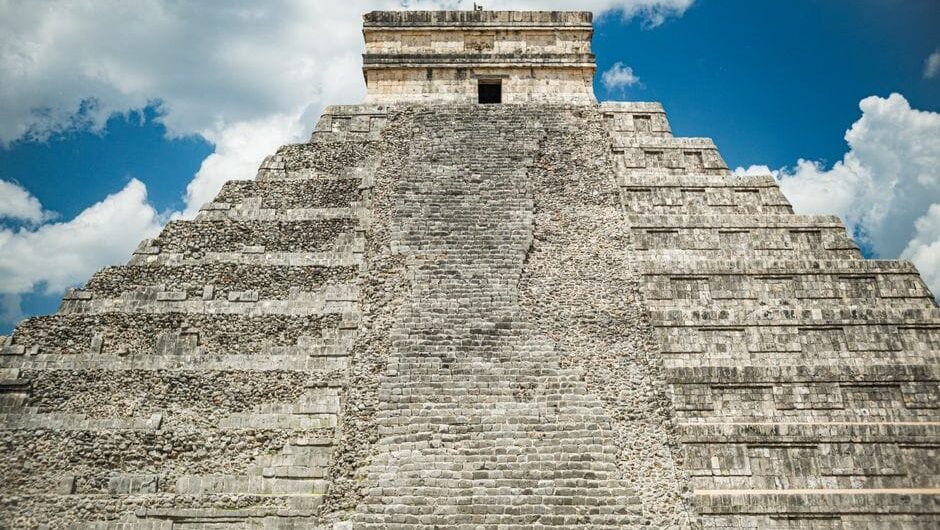
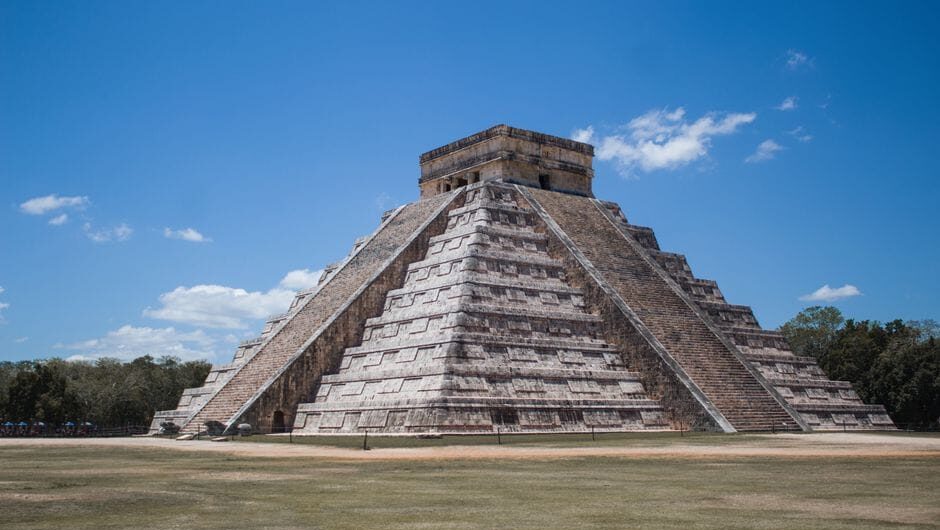
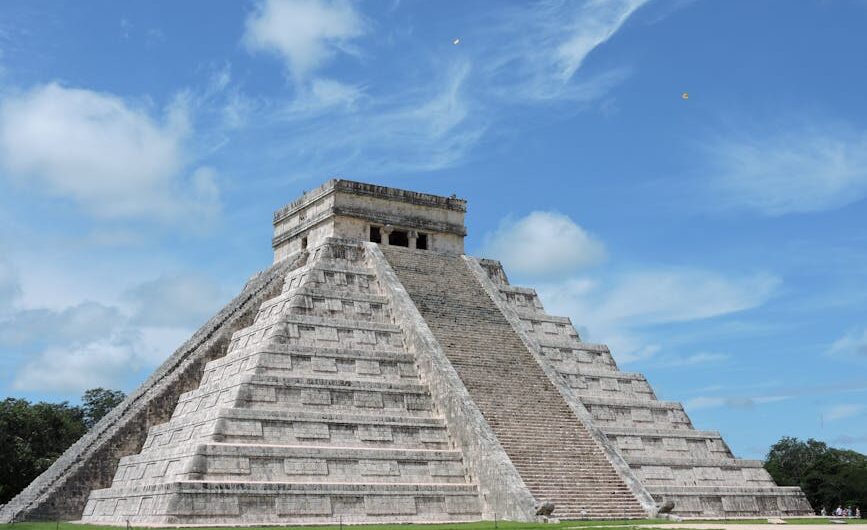
The Yucatan Peninsula boasts some of the most spectacular archaeological sites in the Americas, each offering unique insights into Maya civilization. Chichen Itza, a UNESCO World Heritage Site and one of the New Seven Wonders of the World, captivates visitors with its iconic pyramid El Castillo. This architectural masterpiece demonstrates the Maya’s advanced understanding of astronomy, mathematics, and engineering. During the spring and autumn equinoxes, thousands gather to witness the serpent shadow phenomenon that descends the pyramid’s steps, a testament to Maya astronomical precision.

cultural tours yucatan peninsula

Beyond Chichen Itza, cultural tours reveal lesser-known but equally impressive sites. Uxmal enchants visitors with its intricate stone mosaics and unique Puuc architectural style, while Ek Balam features remarkably preserved stucco sculptures that offer rare glimpses into Maya artistry. Coba allows adventurous travelers to climb Nohoch Mul, the tallest pyramid in the Yucatan, rewarding them with breathtaking jungle canopy views. Tulum combines archaeological splendor with Caribbean coastal beauty, presenting ancient temples perched dramatically above turquoise waters.

Expert guides bring these ancient cities to life, explaining the significance of ball courts where ritual games determined political outcomes, deciphering hieroglyphic inscriptions that record dynastic histories, and revealing how these urban centers functioned as sophisticated political and religious capitals. Understanding the Maya civilization’s achievements enhances appreciation for their contributions to mathematics, astronomy, agriculture, and art that continue influencing modern culture.

Sacred Cenotes and Natural Wonders

The Yucatan Peninsula’s limestone bedrock creates thousands of cenotes, natural sinkholes that held profound spiritual significance for the ancient Maya. These crystalline freshwater pools served not only as vital water sources in a region without surface rivers but also as portals to Xibalba, the Maya underworld. Cultural tours incorporate cenote visits that combine natural beauty with cultural education, explaining how these sacred sites featured in Maya cosmology and religious ceremonies.

cultural tours yucatan peninsula

Swimming in cenotes provides refreshing respite from tropical heat while connecting travelers to ancient traditions. Some cenotes, like Ik Kil near Chichen Itza, feature dramatic open-air formations with cascading vines creating cathedral-like atmospheres. Others, such as Cenote Dzitnup, offer underground cave systems where filtered sunlight creates magical underwater lighting effects. Knowledgeable guides share stories of ceremonial offerings discovered in cenote depths, including precious jade, gold, and pottery that archaeologists have recovered, revealing the spiritual importance these sites held.

Beyond cenotes, the Yucatan’s natural wonders include biosphere reserves protecting unique ecosystems. The Sian Ka’an Biosphere Reserve, another UNESCO World Heritage Site, encompasses diverse habitats from mangrove forests to coral reefs, supporting jaguars, manatees, and over 300 bird species. Eco-cultural tours demonstrate how contemporary Maya communities practice sustainable resource management, continuing traditions of living harmoniously with nature that their ancestors established centuries ago.

Living Maya Culture and Traditions

While ancient ruins capture imagination, the Yucatan Peninsula’s greatest cultural treasure may be its living Maya communities where traditions persist in daily life. Approximately two million Maya people inhabit the region, maintaining languages, customs, agricultural practices, and spiritual beliefs passed down through generations. Authentic cultural tours facilitate meaningful interactions with these communities, offering insights into contemporary Maya life that extend beyond archaeological sites.

cultural tours yucatan peninsula

Visiting traditional villages reveals how ancient practices remain relevant. Women continue weaving intricate textiles using backstrap looms, creating patterns with symbolic meanings rooted in pre-Columbian traditions. Traditional Maya cuisine, recognized by UNESCO as Intangible Cultural Heritage, features dishes like cochinita pibil, poc chuc, and papadzules prepared using techniques unchanged for centuries. Participating in a traditional temazcal steam bath ceremony provides spiritual cleansing experiences that Maya healers have facilitated for generations.

Language preservation efforts demonstrate cultural resilience. Yucatec Maya remains widely spoken, with many communities maintaining it as their primary language. Cultural tours with bilingual guides who speak Maya, Spanish, and English offer unique perspectives, sharing stories and knowledge transmitted orally through generations. Understanding that Maya civilization didn’t disappear but rather adapted and persisted enriches the cultural tour experience, revealing continuity between ancient and modern Maya peoples.

Colonial Heritage and Cultural Fusion

The Spanish colonial period created fascinating cultural fusion throughout the Yucatan Peninsula. Colonial cities like Merida, the region’s capital, showcase this blending through architecture, cuisine, and traditions that combine European and Maya elements. Cultural tours through Merida’s historic center reveal grand colonial mansions, ornate churches built atop Maya temples, and vibrant markets where traditional and modern commerce intertwine.

Valladolid, a charming colonial city strategically positioned between major archaeological sites, offers intimate glimpses into Yucatecan culture. Its colorful buildings, historic convents, and authentic local atmosphere provide settings for understanding how indigenous and Spanish cultures merged. The city’s central market buzzes with vendors selling traditional crafts, fresh produce, and regional specialties, creating sensory experiences that connect travelers to daily Yucatecan life.

The henequen haciendas scattered throughout the peninsula tell stories of agricultural industry that shaped regional history. These vast estates produced sisal fiber that brought prosperity in the late 19th and early 20th centuries. Today, many restored haciendas function as museums, hotels, or cultural centers where tours explain the complex social dynamics, economic systems, and architectural innovations these enterprises created. Understanding this colonial and post-colonial history provides essential context for comprehending contemporary Yucatecan society.

Planning Your Cultural Tour Experience

Successful cultural tours require thoughtful planning to maximize experiences while respecting local communities and archaeological sites. The ideal time to visit the Yucatan Peninsula extends from November through April when temperatures moderate and rainfall decreases, though cultural sites remain accessible year-round. Preparing physically enhances enjoyment, as exploring archaeological sites involves considerable walking, stair climbing, and outdoor activity. Following general physical activity guidelines before traveling helps ensure you can fully engage with these active experiences.

Selecting tour operators committed to sustainable and responsible tourism ensures your visit benefits local communities while preserving cultural heritage. Best Maya Tours exemplifies this approach, employing knowledgeable local guides whose expertise brings sites alive while respecting sacred spaces and community boundaries. Small group tours offer more personalized experiences, allowing deeper engagement with guides and greater flexibility in exploring specific interests, whether archaeology, ecology, cuisine, or living traditions.

Cultural sensitivity enhances interactions throughout your journey. Learning basic Spanish phrases and a few words in Yucatec Maya demonstrates respect and often opens doors to warmer exchanges. Understanding appropriate behavior at sacred sites, such as cenotes and temples, honors their spiritual significance. Supporting local artisans by purchasing authentic handicrafts directly from makers provides economic benefits to communities while acquiring meaningful souvenirs that carry genuine cultural value.

Enriching Your Understanding Through Expert Guidance

The difference between merely visiting archaeological sites and truly understanding Maya civilization lies in expert interpretation. Professional guides transform stone structures into vibrant narratives, explaining how astronomers tracked celestial movements from observatories, how priests conducted ceremonies on pyramid summits, and how daily life unfolded in ancient plazas. Their knowledge encompasses not only historical facts but also ongoing archaeological discoveries that continually reshape understanding of Maya achievements.

Best Maya Tours provides this crucial interpretive element through guides who combine formal archaeological training with deep personal connections to the region. Many guides descend from Maya families, offering perspectives that academic knowledge alone cannot provide. They share family stories, explain traditional beliefs, and facilitate authentic cultural exchanges that commercial tourism often overlooks. This combination of scholarly expertise and lived cultural experience creates educational opportunities that transform casual visitors into informed cultural ambassadors.

Beyond individual site visits, comprehensive cultural tours create connections between different aspects of Yucatecan culture. Understanding how ancient agricultural techniques influence contemporary farming, how traditional architecture responds to tropical climate challenges, or how Maya mathematical concepts appear in modern contexts demonstrates cultural continuity and adaptation. These insights reveal that studying Maya civilization isn’t simply examining the past but rather engaging with living traditions that continue evolving while maintaining essential connections to ancestral wisdom.

Conclusion

Cultural tours of the Yucatan Peninsula offer transformative journeys through time, space, and living tradition. From climbing ancient pyramids to swimming in sacred cenotes, from exploring colonial cities to engaging with contemporary Maya communities, these experiences provide profound connections to one of humanity’s most sophisticated civilizations. The region’s extraordinary archaeological sites represent only part of its cultural wealth; the living traditions, natural wonders, colonial heritage, and warm hospitality of Yucatecan people create multidimensional experiences that educate, inspire, and transform.

Whether you’re planning your first visit or returning to explore deeper layers of this complex region, partnering with experienced operators like Best Maya Tours ensures meaningful, sustainable, and enriching cultural experiences. Their commitment to responsible tourism, expert local guides, and carefully curated itineraries reveal the Yucatan Peninsula’s treasures while respecting the communities and heritage that make this destination truly extraordinary. Begin your cultural journey today and discover why the Yucatan Peninsula captivates travelers seeking authentic connections to ancient wisdom, vibrant traditions, and timeless beauty.

Ancient Mexico Travel Packages: Explore the Mysteries of Pre-columbian Civilizations

Mexico’s rich tapestry of ancient civilizations offers travelers an unparalleled journey through time, where magnificent pyramids, intricate temples, and mysterious ruins tell stories of sophisticated cultures that flourished thousands of years ago. From the towering pyramids of Teotihuacan to the jungle-shrouded temples of Palenque, ancient Mexico travel packages provide immersive experiences that connect modern explorers with the fascinating world of the Maya, Aztec, Olmec, and other pre-Columbian societies.

Premier Ancient Sites to Discover

The crown jewels of ancient Mexico encompass some of the world’s most spectacular archaeological wonders. Chichen Itza, recognized as one of the New Seven Wonders of the World, stands as a testament to Maya astronomical knowledge and architectural prowess. The iconic El Castillo pyramid serves as both a temple and a sophisticated calendar, demonstrating the advanced mathematical understanding of its builders.

ancient mexico travel packages

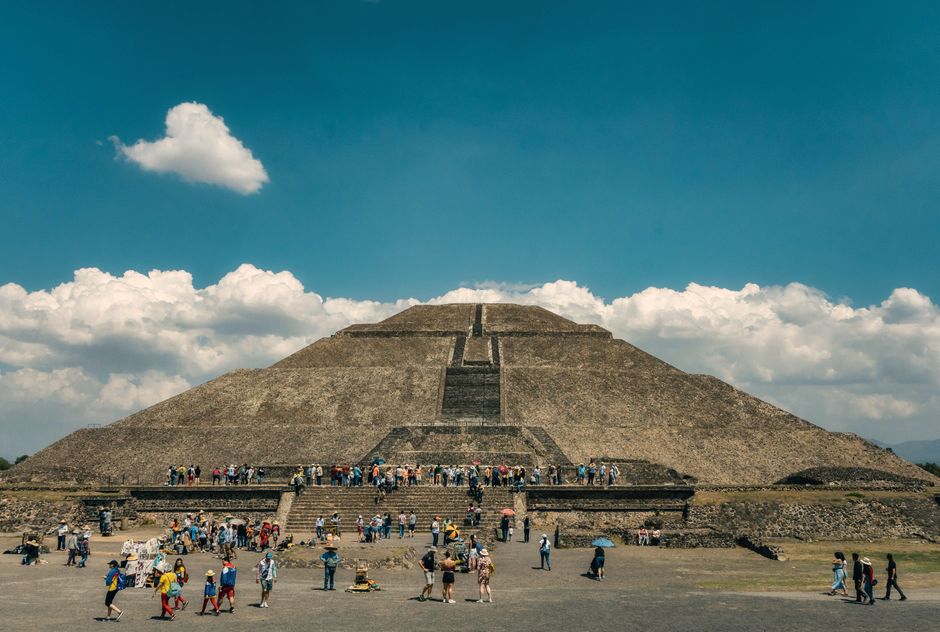
In the heart of Mexico, Teotihuacan presents visitors with the magnificent Pyramid of the Sun and Pyramid of the Moon, massive structures that dominated the ancient city once known as the “City of the Gods.” This archaeological marvel, predating the Aztec empire by centuries, showcases urban planning and architectural techniques that continue to amaze researchers and travelers alike.

The ancient Maya city of Palenque offers a different perspective on pre-Columbian civilization, where elegant temples emerge from dense jungle canopy in Chiapas. The Temple of Inscriptions houses elaborate hieroglyphic texts that have provided invaluable insights into Maya history and culture. Meanwhile, Uxmal displays the pinnacle of Puuc architectural style with its ornate facades and precise geometric designs.

For those seeking lesser-known treasures, sites like Monte Alban near Oaxaca reveal the sophisticated Zapotec civilization, while El Tajin in Veracruz showcases the unique architectural style of the Totonac people with its distinctive niched pyramids.

Comprehensive Tour Options and Experiences

Modern ancient Mexico travel packages cater to diverse interests and travel styles, offering everything from comprehensive multi-week expeditions to focused weekend explorations. Cultural immersion tours combine archaeological site visits with contemporary indigenous community experiences, allowing travelers to witness how ancient traditions continue to influence modern Mexican life.

ancient mexico travel packages

Adventure-focused packages incorporate physical activities that complement historical exploration. Many tours include hiking through jungle trails to reach remote ruins, rappelling into cenotes sacred to the ancient Maya, or climbing pyramid steps for panoramic views of surrounding landscapes. These physically engaging experiences align with CDC physical activity guidelines, promoting health while exploring cultural heritage.

Luxury travel packages provide premium accommodations in colonial cities and resort destinations, combined with private guided tours led by expert archaeologists and historians. These exclusive experiences often include helicopter transfers to remote sites, private access to normally restricted areas, and gourmet dining experiences featuring pre-Hispanic cuisine prepared with traditional techniques.

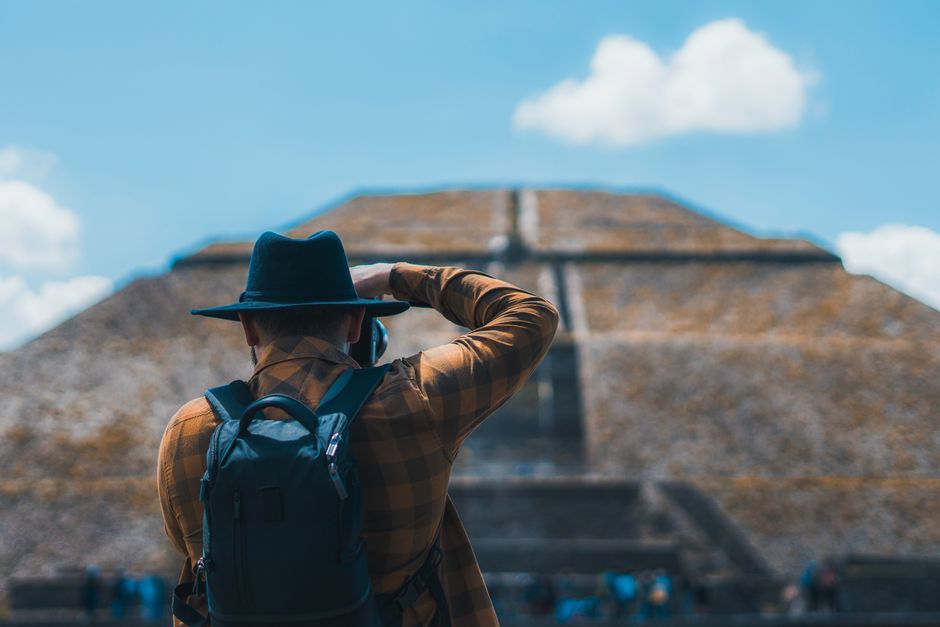
Photography-focused tours cater to enthusiasts seeking to capture the perfect shots of ancient architecture against dramatic skies. These specialized packages include optimal timing for golden hour lighting, access to elevated viewpoints, and guidance from professional photographers familiar with each site’s best angles and compositions.

Educational and Cultural Enrichment

Educational components distinguish quality ancient Mexico travel packages from simple sightseeing tours. Expert guides provide detailed explanations of historical contexts, architectural techniques, and cultural significance of each site visited. Many packages include lectures by visiting archaeologists or historians who share the latest research discoveries and theories about ancient Mexican civilizations.

Workshops in traditional crafts allow travelers to learn ancient techniques still practiced today, such as jade carving, obsidian knapping, or traditional weaving methods. These hands-on experiences provide deeper appreciation for the skill and artistry of ancient craftspeople while supporting contemporary artisan communities.

Best Times to Visit and Seasonal Considerations

Timing significantly impacts the quality of ancient Mexico travel experiences. The dry season from November through April offers the most comfortable weather conditions for extensive outdoor exploration, with minimal rainfall and moderate temperatures ideal for climbing pyramids and walking through archaeological sites.

ancient mexico travel packages

The shoulder seasons of May and October provide excellent value with fewer crowds while maintaining generally favorable weather conditions. However, travelers should be prepared for occasional afternoon thunderstorms during these transitional periods.

Summer months, while hotter and more humid, offer unique advantages including lower prices, smaller tour groups, and the spectacular sight of jungle vegetation at its most lush and vibrant. Early morning starts become essential during summer visits to avoid peak heat and maximize comfort during site exploration.

Special events and festivals throughout the year add cultural dimensions to archaeological visits. The spring equinox at Chichen Itza creates the famous serpent shadow effect on El Castillo pyramid, while Day of the Dead celebrations in November provide insights into how ancient beliefs about death and the afterlife continue to influence Mexican culture.

Planning Your Ancient Mexico Adventure

Successful ancient Mexico travel requires careful consideration of physical preparation, especially for packages involving significant walking, climbing, or hiking. Pre-Columbian Mexico’s complex history spans thousands of years and multiple civilizations, making advance reading and research valuable for maximizing the educational value of your journey.

Packing essentials include comfortable walking shoes with good traction for stone steps and uneven surfaces, sun protection including hats and high-SPF sunscreen, and lightweight, breathable clothing suitable for both archaeological sites and cultural venues. Many sites require significant walking distances, making comfortable footwear absolutely crucial for enjoyable exploration.

Health considerations include staying hydrated in Mexico’s warm climate and being prepared for altitude changes when visiting highland sites like Monte Alban or Teotihuacan. Travelers should consult with healthcare providers about any necessary vaccinations or medications before departure.

Currency planning should account for entrance fees to archaeological sites, tips for guides and drivers, and purchases from local artisan vendors who often sell authentic crafts and artwork near major archaeological sites. Many vendors accept only cash, making peso availability important for supporting local communities.

Sustainable Tourism and Cultural Respect

Responsible ancient Mexico travel packages emphasize sustainable tourism practices that protect archaeological sites while supporting local communities. This includes following established paths to prevent erosion, respecting photography restrictions designed to preserve ancient artwork and structures, and choosing tour operators committed to environmental conservation.

Cultural sensitivity remains paramount when visiting sites sacred to contemporary indigenous communities. Many ancient Mexican archaeological sites continue to hold spiritual significance for modern Maya, Zapotec, and other indigenous groups whose ancestors built these remarkable monuments.

Supporting local economies through responsible tourism creates positive impacts that extend beyond individual travel experiences. Choosing locally-owned accommodations, dining at family-run restaurants, and purchasing authentic crafts from artisan cooperatives helps ensure that tourism benefits directly reach the communities most closely connected to these ancient sites.

Environmental consciousness includes minimizing plastic waste, respecting natural habitats surrounding archaeological sites, and choosing tour operators with demonstrated commitments to conservation. Many ancient sites exist within protected natural areas where wildlife conservation and cultural preservation intersect.

Conclusion

Ancient Mexico travel packages offer transformative experiences that connect modern travelers with some of humanity’s most remarkable achievements in architecture, astronomy, and urban planning. From the mysterious pyramids of Teotihuacan to the jungle temples of Palenque, these journeys through time provide profound appreciation for the sophistication and ingenuity of pre-Columbian civilizations. Whether seeking adventure, education, cultural immersion, or spiritual connection, Mexico’s ancient wonders deliver unforgettable experiences that inspire wonder and respect for our shared human heritage. With careful planning, cultural sensitivity, and commitment to sustainable tourism practices, your ancient Mexico adventure will create lasting memories while contributing positively to the preservation of these irreplaceable treasures for future generations to discover and appreciate.

Muyil River Float Tulum: Your Ultimate Guide to Maya Ruins and Jungle Adventure

Discovering the Hidden Gem of Muyil Archaeological Site

Nestled deep within the lush jungles of the Riviera Maya, the Muyil River float experience offers visitors an extraordinary combination of ancient Maya history and pristine natural beauty. This remarkable destination, located just 15 kilometers south of Tulum, represents one of Mexico’s best-kept secrets for travelers seeking an authentic cultural and adventure experience.
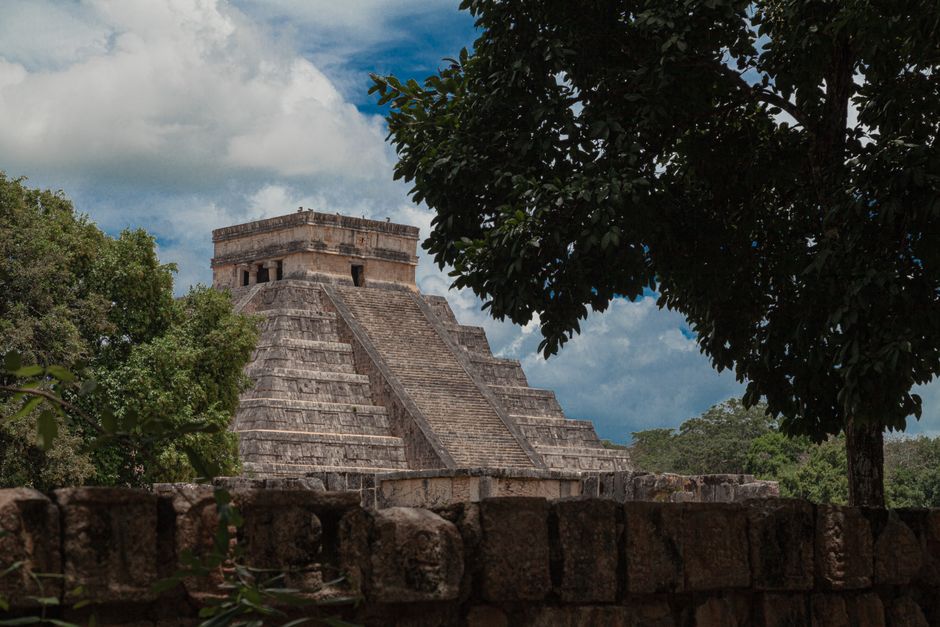
muyil river float tulum

The Muyil archaeological site stands as a testament to the sophisticated engineering and astronomical knowledge of the ancient Maya civilization. Dating back over 2,000 years, this once-thriving trading post connected the Caribbean coast with inland communities through an intricate network of canals and lagoons. The site’s strategic location along ancient trade routes made it a crucial hub for commerce, culture, and communication throughout the Maya world.

What sets Muyil apart from other archaeological sites in the region is its unique integration with the surrounding ecosystem. The ancient Maya engineered a series of canals that connected the freshwater lagoons to the sea, creating a sustainable transportation and trade network that worked in harmony with nature. Today, these same waterways provide the foundation for the unforgettable river float experience that draws adventurers from around the globe.

The Magical Muyil River Float Experience

The Muyil River float adventure begins with a journey through time as visitors explore the archaeological site before embarking on their aquatic journey. The experience typically starts with a guided walk through the jungle trails, where towering pyramids emerge from the verdant canopy like ancient sentinels watching over the sacred waters below.

muyil river float tulum

The floating experience itself is a gentle, meditative journey that allows participants to drift along the same waterways used by Maya traders centuries ago. The crystal-clear freshwater channels wind through mangrove forests and open lagoons, creating a natural corridor between the ancient ruins and the Caribbean Sea. This unique ecosystem supports an incredible diversity of wildlife, from colorful tropical birds to gentle manatees and countless species of fish.

During the float, visitors can choose to swim in the refreshing cenotes and lagoons, snorkel to observe underwater plant life, or simply relax and absorb the serene atmosphere. The water temperature remains consistently comfortable year-round, making this activity enjoyable regardless of the season. The entire float experience typically lasts 2-3 hours, providing ample time to fully appreciate the natural beauty and historical significance of this remarkable location.

The Muyil River float offers a perfect blend of cultural education and natural adventure, making it an ideal activity for families, couples, and solo travelers seeking meaningful connections with Maya heritage and pristine ecosystems. For travel agencies, understanding how to differentiate your Mexico tours with a Mayan focus can attract a wider audience to unique experiences like this.

Archaeological Wonders Along the Waterway

The archaeological significance of Muyil extends far beyond its impressive pyramids and structures. Research by leading archaeological institutions has revealed that this site played a crucial role in Maya maritime trade networks, connecting communities across the Yucatan Peninsula with distant regions throughout Mesoamerica.

muyil river float tulum

The most prominent structure at Muyil is the Castle, a 17-meter-tall pyramid that served as both a religious center and a navigation landmark for Maya traders traveling along the coast. From its summit, visitors can enjoy breathtaking panoramic views of the surrounding lagoons, jungle canopy, and distant Caribbean horizon. The pyramid’s construction demonstrates the Maya’s advanced understanding of astronomy and mathematics, with precise alignments that correspond to important celestial events.

Throughout the site, visitors encounter numerous smaller structures, including residential platforms, ceremonial plazas, and sacred cenotes that were integral to Maya religious practices. The integration of these built environments with natural water features showcases the Maya’s sophisticated approach to urban planning and their deep respect for the natural world.

The canal system itself represents one of the most impressive engineering achievements at Muyil. These carefully constructed waterways demonstrate the Maya’s ability to modify their environment sustainably while maintaining ecological balance. Modern environmental scientists continue to study these ancient canals to understand how pre-Columbian societies successfully managed water resources in tropical environments.

Wildlife and Natural Beauty of the Muyil Ecosystem

The Muyil River float experience provides unparalleled opportunities for wildlife observation and nature photography. The protected biosphere surrounding the archaeological site supports an extraordinary diversity of plant and animal species, many of which are endemic to the Yucatan Peninsula.

Bird enthusiasts will be delighted by the abundance of species that call this ecosystem home. Roseate spoonbills, great blue herons, and snowy egrets are frequently spotted along the waterways, while the jungle canopy resonates with the calls of toucans, parrots, and countless songbird species. The mangrove forests provide critical nesting habitat for many migratory species, making Muyil an important stopover point along major flyways.

The aquatic environment supports diverse marine life, including several species of rays, tropical fish, and occasional manatee sightings. The clear, nutrient-rich waters sustain extensive seagrass beds and coral formations that provide habitat for countless smaller organisms. These healthy ecosystems serve as natural nurseries for many commercially important fish species found throughout the Caribbean.

The terrestrial environment surrounding the waterways showcases the incredible biodiversity of tropical dry forests and coastal wetlands. Visitors may encounter iguanas, coatimundis, and various species of monkeys, while the plant life includes rare orchids, bromeliads, and ancient ceiba trees that were considered sacred by the Maya people.

Planning Your Muyil River Float Adventure

Proper preparation ensures a safe and enjoyable Muyil River float experience. Following recommended physical activity guidelines will help visitors prepare for the moderate walking and swimming involved in the tour. While the float itself requires minimal physical exertion, participants should be comfortable in water and capable of walking on uneven jungle terrain.
The best time to visit Muyil depends on personal preferences regarding weather and crowd levels. The dry season from December through April offers the most comfortable conditions with lower humidity and minimal rainfall. However, the wet season from May through November provides lush, vibrant landscapes and fewer tourists, though visitors should be prepared for occasional afternoon showers.

Essential items to bring include biodegradable sunscreen, insect repellent, quick-dry clothing, water shoes, and a waterproof camera or phone case. Prior to your trip, consider checking out our guide on what to pack for a Riviera Maya tour to ensure you have everything you need.

Best Maya Tours offers comprehensive guided experiences that combine archaeological exploration with the river float adventure. Our knowledgeable guides provide in-depth cultural and historical context while ensuring visitor safety and environmental protection. We specialize in small group tours that minimize environmental impact while maximizing educational value and personal attention.

Transportation to Muyil typically involves a scenic drive through traditional Maya villages and secondary-growth forests. Many tour operators include round-trip transportation from major hotels in Tulum, Playa del Carmen, and Cancun, making the experience accessible to visitors staying throughout the Riviera Maya region. Agencies looking to offer such unique opportunities might benefit from exploring private Riviera Maya tours with wholesale rates for agents, maximizing profit margins while delighting their clients.

Sustainable Tourism and Cultural Preservation

The Muyil River float experience exemplifies responsible tourism practices that benefit local communities while protecting invaluable cultural and natural resources. The site is managed collaboratively by government agencies, local communities, and conservation organizations to ensure long-term preservation of both archaeological treasures and fragile ecosystems.

Visitor fees directly support ongoing archaeological research, site maintenance, and community development programs. Local Maya communities play active roles as guides, boat operators, and cultural interpreters, providing authentic perspectives on their ancestral heritage while earning sustainable livelihoods from tourism.

Environmental protection measures include strict limits on daily visitor numbers, mandatory use of biodegradable products, and comprehensive waste management systems. These practices help maintain water quality and ecosystem health while preserving the pristine conditions that make the Muyil experience so special.

Educational programs associated with Muyil tours help raise awareness about Maya culture, environmental conservation, and the importance of protecting archaeological sites for future generations. Understanding the health benefits of outdoor activities also encourages visitors to appreciate nature-based tourism as a pathway to personal wellness and environmental stewardship.

Conclusion: Embracing the Magic of Muyil

The Muyil River float experience represents far more than a typical tourist activity – it offers a profound connection to ancient Maya wisdom, pristine natural environments, and sustainable tourism principles. This remarkable destination allows visitors to literally follow in the wake of Maya traders while gaining deep appreciation for the sophisticated civilizations that flourished in harmony with their natural surroundings.

Whether seeking cultural enlightenment, natural adventure, or peaceful relaxation, the Muyil River float delivers an unforgettable experience that resonates long after the journey ends. By choosing responsible tour operators like Best Maya Tours, visitors contribute to the preservation of this incredible heritage site while creating meaningful memories that honor both ancient traditions and contemporary conservation efforts. Travel agencies can also discover how to book exclusive Maya tours for your clients to enhance their travel offerings.

The magic of Muyil lies in its ability to transport visitors across centuries while highlighting the timeless beauty of the Yucatan Peninsula’s natural and cultural treasures. This hidden gem continues to inspire wonder and respect for the remarkable achievements of Maya civilization and the enduring power of sustainable relationships between human communities and the natural world.

Mexico Highlights: Chichen Itza – the Crown Jewel of Ancient Maya Civilization

Standing majestically in the heart of Mexico’s Yucatan Peninsula, Chichen Itza represents one of the most spectacular archaeological sites in the world and serves as the crown jewel of ancient Maya civilization. This UNESCO World Heritage Site attracts millions of visitors annually, offering an unparalleled glimpse into the sophisticated culture, astronomy, and architectural prowess of the Maya people. As one of the New Seven Wonders of the World, Chichen Itza stands as a testament to human ingenuity and continues to captivate travelers with its mysterious pyramids, intricate carvings, and rich historical significance.

For modern travelers seeking to explore Mexico’s cultural treasures, Chichen Itza offers an unforgettable journey through time. The site’s remarkable preservation allows visitors to walk in the footsteps of ancient Maya rulers, priests, and astronomers while marveling at architectural achievements that continue to puzzle experts today. From the iconic El Castillo pyramid to the expansive Great Ball Court, every structure tells a story of a civilization that thrived for over a thousand years.

The Historical Significance of Chichen Itza

Chichen Itza’s history spans over a millennium, with its origins dating back to approximately 600 AD. The site reached its zenith during the Late Classic period (600-900 AD) and continued to flourish well into the Post-Classic period (900-1500 AD). According to Britannica, the name “Chichen Itza” translates to “at the mouth of the well of the Itza,” referring to the sacred cenotes (natural sinkholes) that provided water to this thriving city.

mexico highlights chichen itza

The city served as a major political, economic, and religious center for the northern Maya lowlands. Its strategic location allowed it to control trade routes throughout the Yucatan Peninsula, facilitating the exchange of goods such as obsidian, jade, gold, and cacao beans. The site’s influence extended far beyond the Maya world, with architectural and artistic elements showing clear influences from central Mexican cultures, particularly the Toltecs.

Archaeological evidence suggests that Chichen Itza was inhabited by different Maya groups over the centuries, each leaving their distinctive mark on the city’s architecture and cultural practices. The site’s importance is further emphasized by its role as a pilgrimage destination, where Maya people from across Mesoamerica would journey to participate in religious ceremonies and consult oracles.

Architectural Marvels and Iconic Structures

The architectural complexity of Chichen Itza showcases the advanced engineering and astronomical knowledge of the Maya civilization. The site covers approximately 4 square miles and contains numerous structures that demonstrate sophisticated urban planning and construction techniques.

mexico highlights chichen itza

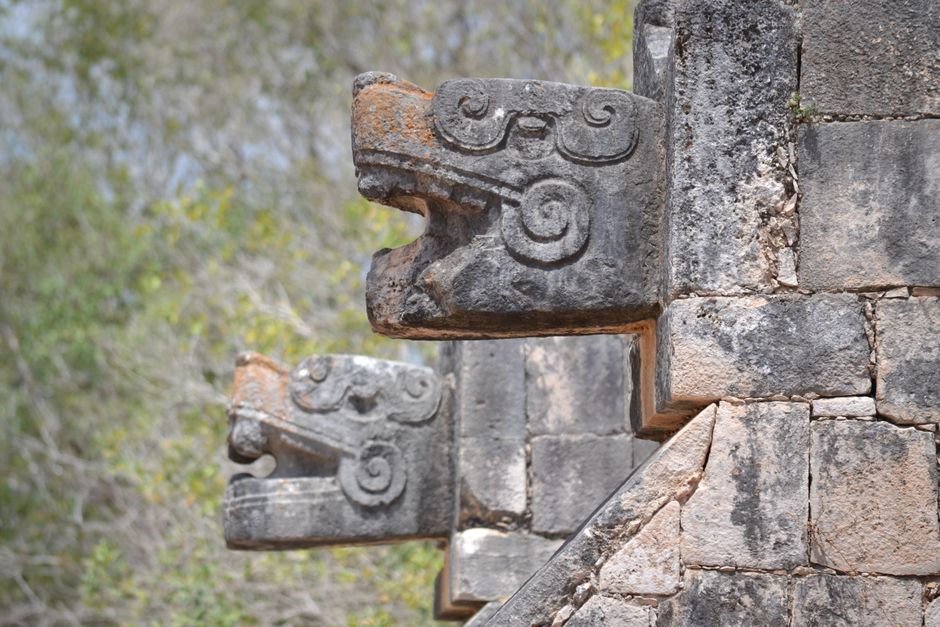
El Castillo (Temple of Kukulkan) stands as the most recognizable structure at Chichen Itza. This 79-foot-tall step pyramid consists of nine terraces and four staircases, each containing 91 steps. When combined with the platform at the top, the total number of steps equals 365, corresponding to the days in the solar year. During the spring and autumn equinoxes, the interplay of light and shadow creates the illusion of a serpent descending the pyramid’s northern staircase, demonstrating the Maya’s precise understanding of astronomical cycles.

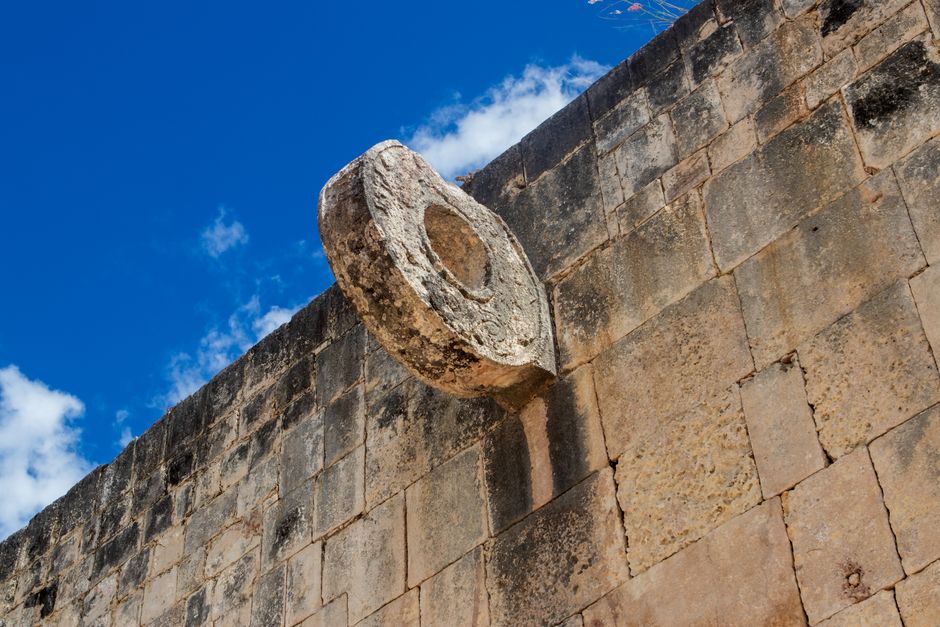
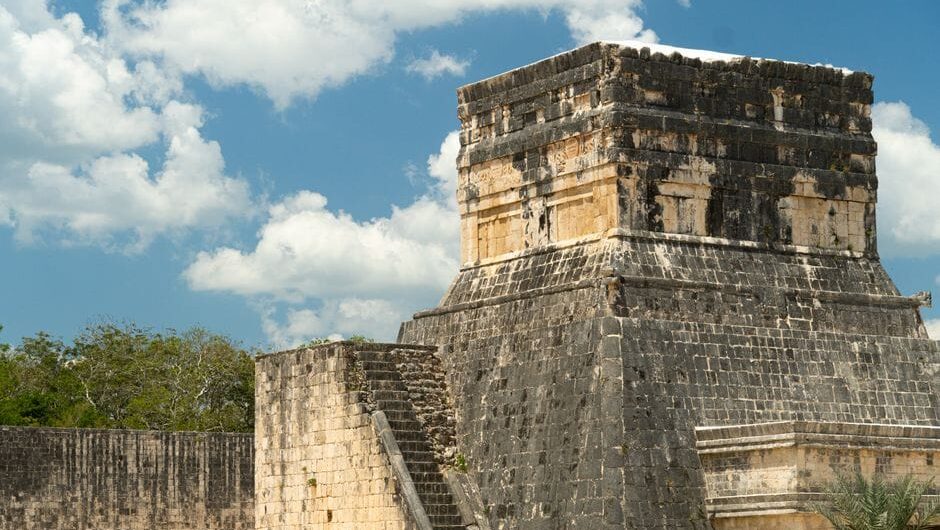
The Great Ball Court is the largest ball court in ancient Mesoamerica, measuring 545 feet long and 225 feet wide. The court’s acoustic properties are remarkable, allowing whispers at one end to be clearly heard at the other. The game played here held deep religious significance, often representing the cosmic struggle between life and death, light and darkness.

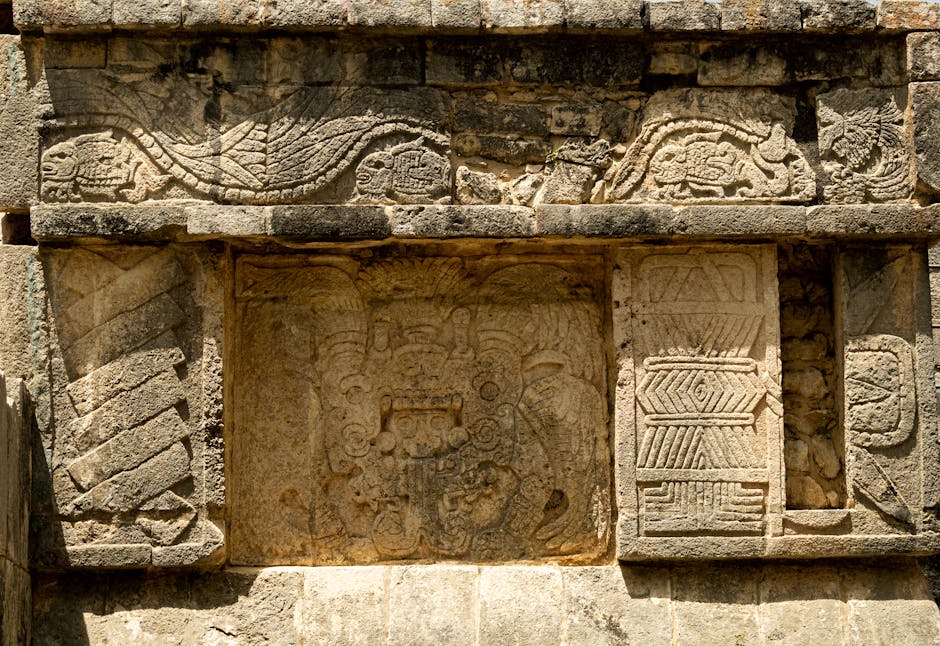
Temple of the Warriors features over 200 carved columns depicting warriors and priests, showcasing the military might and religious practices of Chichen Itza’s rulers. The structure’s design reflects both Maya and Toltec architectural influences, illustrating the cultural fusion that characterized the site’s later periods.

El Caracol (The Observatory) served as an astronomical observatory where Maya priests tracked celestial movements with remarkable precision. The circular structure’s windows are strategically positioned to frame important astronomical events, including Venus cycles and lunar observations.

Sacred Cenotes and Religious Practices

The Sacred Cenote at Chichen Itza played a crucial role in Maya religious ceremonies and continues to yield important archaeological discoveries. This natural limestone sinkhole, approximately 200 feet in diameter, was considered a portal to the underworld where the rain god Chaac resided. Archaeological excavations have recovered thousands of offerings, including jade ornaments, gold objects, incense, and human remains, providing invaluable insights into Maya religious practices and beliefs.

Planning Your Visit to Chichen Itza

Visiting Chichen Itza requires careful planning to maximize your experience while ensuring a comfortable and educational journey. The site is located approximately 75 miles east of Merida and 120 miles west of Cancun, making it accessible from major tourist centers in the Yucatan Peninsula.

mexico highlights chichen itza

Best Time to Visit: The optimal time to explore Chichen Itza is during the dry season from November to April when temperatures are more moderate and rainfall is minimal. Early morning visits (8:00-10:00 AM) offer the best experience with cooler temperatures, better lighting for photography, and fewer crowds.

What to Bring: Comfortable walking shoes with good grip are essential, as many surfaces can be uneven or slippery. Sun protection is crucial, including wide-brimmed hats, sunglasses, and high-SPF sunscreen. Bringing plenty of water is vital, as the Yucatan climate can be quite demanding for visitors engaging in extended walking tours.

Physical Preparation: Exploring Chichen Itza involves considerable walking on uneven terrain and climbing steps. According to CDC physical activity guidelines, preparing for your visit with regular walking and moderate exercise can enhance your experience and reduce fatigue during exploration.

Guided Tours vs. Self-Guided Exploration

While self-guided exploration allows for personal pacing and discovery, professional guided tours offer invaluable historical context and archaeological insights that significantly enhance the visitor experience. Knowledgeable guides can decode the complex symbolism found throughout the site, explain astronomical alignments, and share the latest archaeological discoveries that might not be readily apparent to casual observers.

Beyond Chichen Itza: Exploring the Riviera Maya

Chichen Itza serves as an excellent anchor point for exploring the broader Riviera Maya region, which offers a diverse array of cultural, natural, and adventure experiences. The region’s strategic location provides access to other significant Maya sites, colonial cities, and natural wonders that complement a Chichen Itza visit.

Other Maya Archaeological Sites: The region houses numerous other archaeological treasures, including Ek Balam with its remarkably preserved stucco facades, Coba with its towering Nohoch Mul pyramid that visitors can still climb, and the coastal fortress of Tulum overlooking the Caribbean Sea.

Cenotes and Natural Wonders: The Yucatan Peninsula features over 6,000 cenotes, many of which are accessible for swimming, snorkeling, and diving. These natural pools offer refreshing respites from archaeological exploration while providing insight into the geological processes that shaped Maya civilization.

Colonial Heritage: Cities like Merida and Valladolid showcase Mexico’s colonial heritage through their well-preserved architecture, vibrant markets, and traditional cuisine. These urban centers provide comfortable bases for exploring the region while offering modern amenities and cultural experiences.

Sustainable Tourism and Cultural Preservation

Responsible tourism practices are essential for preserving Chichen Itza for future generations while supporting local communities. Visitors should respect site regulations, avoid touching ancient structures, and choose tour operators committed to sustainable practices and cultural sensitivity.

Cultural Impact and Modern Significance

Chichen Itza’s influence extends far beyond its historical importance, serving as a symbol of Mexican cultural identity and indigenous heritage. The site’s recognition as one of the New Seven Wonders of the World has elevated its global profile while generating significant economic benefits for the Yucatan region through tourism revenue and job creation.

Modern Maya communities maintain strong connections to Chichen Itza, viewing it not merely as an archaeological site but as a living testament to their ancestors’ achievements. Contemporary Maya artisans, guides, and cultural practitioners draw inspiration from the site’s legacy while sharing their knowledge with visitors from around the world.

The ongoing archaeological research at Chichen Itza continues to yield new discoveries that reshape our understanding of Maya civilization. Recent technological advances, including LiDAR mapping and ground-penetrating radar, have revealed hidden structures and provided new insights into the site’s construction phases and urban planning.

Chichen Itza stands as one of Mexico’s most extraordinary highlights, offering visitors an unparalleled opportunity to connect with one of humanity’s greatest civilizations. From its astronomical precision to its architectural grandeur, the site continues to inspire wonder and respect for Maya achievements. Whether you’re drawn by historical curiosity, architectural appreciation, or spiritual connection, Chichen Itza provides an transformative experience that will remain with you long after your visit concludes. As you plan your journey to this remarkable destination, remember that you’re not just visiting ruins, but stepping into a living testament to human ingenuity, cultural sophistication, and the enduring legacy of the Maya people. For a seamless experience in this paradise, consider maximizing profit margins in paradise with carefully planned tours.

Mayan Winter Solstice: Ancient Astronomy and Sacred Celebrations

The winter solstice holds profound significance in Mayan culture, representing far more than just an astronomical event. For the ancient Maya civilization, this celestial occurrence marked a sacred time of renewal, rebirth, and cosmic balance. Understanding the Mayan perspective on the winter solstice opens a fascinating window into one of history’s most sophisticated astronomical societies and their enduring spiritual traditions.

The Maya developed one of the most accurate calendar systems in human history, demonstrating their exceptional understanding of celestial movements. Their observations of the winter solstice were not merely scientific endeavors but formed the cornerstone of their religious beliefs, agricultural practices, and social organization. Today, visitors can witness these ancient traditions firsthand through specialized cultural tours that bring the rich heritage of Mayan astronomy to life.

The Astronomical Mastery of the Ancient Maya

The Maya were extraordinary astronomers who tracked celestial bodies with remarkable precision thousands of years before modern telescopes existed. Their understanding of the winter solstice was integrated into complex calendar systems that governed every aspect of their civilization. The Maya Long Count calendar, Haab calendar, and Tzolkin calendar all incorporated solstice observations to create a comprehensive timekeeping system.

mayan winter solstice

During the winter solstice, which occurs around December 21st in the Northern Hemisphere, the sun reaches its southernmost point in the sky, creating the shortest day and longest night of the year. The Maya recognized this astronomical event as a critical moment when the sun appeared to “die” and then be reborn, symbolizing the eternal cycle of death and renewal that permeated their worldview.

Archaeological evidence reveals that many Mayan structures were deliberately aligned with solstice events. At sites like Chichen Itza, Caracol, and Dzibilchaltun, buildings were positioned to capture specific solar phenomena during the winter solstice. These architectural marvels demonstrate how the Maya integrated their astronomical knowledge into their built environment, creating sacred spaces that connected earth and sky.

The precision of Mayan astronomical calculations is evident in their ability to predict eclipses, planetary movements, and seasonal changes centuries in advance. According to Britannica, the Maya calculated the solar year as 365.2420 days, remarkably close to the modern measurement of 365.2422 days.

Sacred Architecture and Solstice Alignments

Mayan pyramids and temples serve as monumental calendars carved in stone, with many featuring specific alignments designed to mark the winter solstice. These architectural achievements represent the fusion of spiritual beliefs, astronomical knowledge, and engineering expertise that characterized Mayan civilization.

mayan winter solstice

At the ancient city of Dzibilchaltun in the Yucatan Peninsula, the Temple of Seven Dolls creates a spectacular solstice phenomenon. During both the winter and summer solstices, the sun rises perfectly through the temple’s doorway, creating a dramatic shaft of light that illuminates the structure’s interior. This precise alignment required sophisticated planning and demonstrates the Maya’s commitment to integrating celestial events into their sacred architecture.

The famous El Castillo pyramid at Chichen Itza, while more renowned for its equinox shadow serpent effect, also incorporates solstice alignments in its design. The pyramid’s orientation and the positioning of surrounding structures create various light and shadow phenomena throughout the year, including during the winter solstice when specific corners and edges are highlighted by the low-angle sunlight.

At Caracol in Belize, the astronomical observatory features windows and doorways positioned to frame important celestial events, including the winter solstice sunrise. These openings function as primitive telescopes, allowing Mayan astronomers to track the sun’s annual journey with extraordinary accuracy.

Spiritual Significance and Mythological Connections

For the Maya, the winter solstice represented far more than an astronomical curiosity—it embodied fundamental spiritual truths about death, rebirth, and the ongoing struggle between light and darkness. The solstice period was viewed as a time when the boundaries between the physical and spiritual worlds became permeable, allowing for enhanced communication with ancestors and deities.

mayan winter solstice

Mayan creation mythology, particularly the Popol Vuh, describes the cyclical nature of creation and destruction that mirrors the annual solar cycle. The winter solstice represented a moment of cosmic vulnerability when the sun god required special rituals and offerings to ensure his successful rebirth and the continuation of life on earth.

The Maya believed that during the winter solstice, the sun descended into Xibalba, the underworld, where it would battle the forces of darkness before emerging victorious to bring light back to the world. This mythological framework provided meaning and context for the astronomical observations, transforming scientific knowledge into spiritual wisdom.

Ritual ceremonies during the solstice period often involved offerings of copal incense, jade, obsidian, and sometimes human sacrifice in extreme cases. These ceremonies were conducted by specially trained priest-astronomers who served as intermediaries between the human and divine realms. The timing and nature of these rituals were carefully calculated based on precise astronomical observations.

The Role of Priest-Astronomers

Mayan priest-astronomers held positions of tremendous authority and responsibility within their society. These individuals combined religious duties with scientific observation, maintaining the complex calendar systems and predicting important celestial events. Their knowledge of the winter solstice and other astronomical phenomena was considered sacred wisdom essential for the proper functioning of society.

Modern Celebrations and Cultural Continuity

Contemporary Maya communities throughout Mexico, Guatemala, Belize, and Honduras continue to observe the winter solstice with ceremonies that blend ancient traditions with modern practices. These celebrations demonstrate the remarkable continuity of Mayan cultural identity despite centuries of external pressures and change.

In highland Guatemala, Maya daykeepers and spiritual guides conduct special ceremonies at sacred sites during the winter solstice. These rituals often involve the lighting of ceremonial fires, the burning of copal incense, and prayers for renewal and protection during the coming year. Participants may engage in physical activities such as walking meditation or traditional dances that honor the sun’s journey.

The winter solstice also marks the beginning of important ceremonial cycles in many Maya communities. The 260-day sacred calendar, or Tzolkin, intersects with the solar year in ways that make the solstice period particularly significant for divination, healing ceremonies, and community gatherings.

For visitors interested in experiencing these living traditions, cultural tours offered by specialized operators provide authentic opportunities to witness solstice celebrations while respecting the sacred nature of these ceremonies. These experiences offer profound insights into how ancient astronomical knowledge continues to inform contemporary spiritual practices.

Participating in Solstice Tours

Sustainable tourism initiatives allow travelers to participate respectfully in winter solstice observations at major archaeological sites. These tours typically include visits to Chichen Itza, Uxmal, or other significant Mayan ruins where solstice phenomena can be observed and understood within their proper cultural context.

Planning Your Winter Solstice Experience

Experiencing the Mayan winter solstice requires careful planning and cultural sensitivity. The most spectacular solstice events occur at specific archaeological sites where ancient alignments create dramatic light and shadow phenomena. Professional tour operators specializing in Mayan culture can provide access to these experiences while ensuring respectful engagement with local communities.

The optimal time for winter solstice tours is typically from mid-December through early January, when various sites throughout the Maya region offer different perspectives on solstice observations. Chichen Itza remains the most popular destination, but lesser-known sites often provide more intimate and authentic experiences with fewer crowds.

Physical preparation for solstice tours should include regular exercise and conditioning, as many sites require significant walking and climbing. The CDC’s physical activity guidelines recommend at least 150 minutes of moderate-intensity aerobic activity per week to prepare for travel that involves extended walking and stair climbing at archaeological sites.

Weather conditions during the winter solstice period in the Maya region are generally favorable, with cooler temperatures and lower humidity than other times of the year. However, early morning temperatures can be quite cool, especially at higher elevation sites, so appropriate clothing is essential for comfort during dawn ceremonies.

Cultural etiquette is paramount when participating in solstice observations. Visitors should maintain respectful silence during ceremonies, avoid flash photography, and follow guidance from local guides regarding appropriate behavior. Many solstice events are deeply sacred to contemporary Maya communities, and respectful participation helps preserve these traditions for future generations.

The Enduring Legacy of Mayan Astronomy

The Mayan understanding of the winter solstice represents one of humanity’s greatest achievements in observational astronomy. Their sophisticated calendar systems, architectural alignments, and ceremonial practices created a comprehensive worldview that integrated scientific knowledge with spiritual wisdom in ways that continue to inspire and inform contemporary understanding.

Modern archaeoastronomy has confirmed the accuracy of many Mayan calculations and revealed the full scope of their astronomical achievements. The winter solstice observations were just one component of a vast knowledge system that included tracking Venus cycles, predicting eclipses, and maintaining multiple interlocking calendars with remarkable precision.

The cultural impact of Mayan astronomy extends far beyond their historical period. Contemporary environmental movements, sustainable agriculture practices, and holistic wellness approaches draw inspiration from Mayan concepts of cyclical time and cosmic balance. The winter solstice serves as a powerful reminder of humanity’s connection to natural cycles and the importance of maintaining harmony with the environment.

Educational initiatives worldwide now incorporate Mayan astronomical knowledge into STEM curricula, demonstrating how indigenous wisdom can enhance modern scientific understanding. These programs highlight the universal human drive to understand our place in the cosmos and the diverse ways different cultures have approached this fundamental question.

The winter solstice in Mayan culture ultimately represents the triumph of knowledge, persistence, and spiritual insight. Through centuries of careful observation, the Maya developed a sophisticated understanding of celestial mechanics that enabled them to create one of history’s most advanced civilizations. Their legacy continues to inspire wonder and respect for the natural world and our place within it.

For modern travelers seeking to connect with this profound heritage, winter solstice tours offer transformative experiences that combine historical education, cultural immersion, and spiritual reflection. These journeys provide opportunities to witness firsthand the astronomical phenomena that shaped Mayan civilization and continue to influence contemporary Maya communities throughout Mesoamerica. Booking Mayan tours for American travelers can also greatly enhance the experience, ensuring a seamless and enriching exploration of these ancient wonders. Travel agencies looking to maximize customer satisfaction by offering such unique experiences can learn more about how travel agencies can book exclusive Maya tours for your clients.

Best Tour Sites: Your Ultimate Guide to Extraordinary Travel Experiences

In the ever-evolving landscape of travel, finding the perfect tour sites has become both more accessible and more challenging. With countless options available worldwide, discerning travelers seek authentic experiences that combine adventure, cultural immersion, and sustainable practices. Whether you’re drawn to ancient civilizations, pristine natural landscapes, or vibrant cultural destinations, the best tour sites offer transformative journeys that create lasting memories.

Ancient Mayan Wonders: Unveiling Centuries of History

The Mayan civilization continues to captivate travelers with its magnificent archaeological sites scattered throughout Mexico, Guatemala, Belize, and Honduras. These ancient tour destinations offer unparalleled insights into one of history’s most sophisticated civilizations.

best tour sites

Chichen Itza stands as Mexico’s most visited archaeological site, featuring the iconic El Castillo pyramid. This UNESCO World Heritage Site showcases the mathematical and astronomical prowess of the Maya people. The spring and autumn equinoxes create a spectacular shadow effect on the pyramid’s steps, drawing thousands of visitors annually.

The Riviera Maya region presents an extraordinary combination of archaeological wonders and natural beauty. Sites like Tulum offer the unique experience of exploring clifftop ruins overlooking the Caribbean Sea. The proximity to cenotes—natural limestone sinkholes considered sacred by the Maya—adds another dimension to these cultural tours. For travel agencies looking to maximize profit margins in this paradise, consider exploring private Riviera Maya tours wholesale rates for agents.

For those seeking less crowded alternatives, Coba provides an authentic jungle setting where visitors can climb Nohoch Mul, the tallest pyramid in the Yucatan Peninsula. The site’s network of ancient roads, called sacbeob, demonstrates the sophisticated urban planning of Mayan cities.

Expert guides specializing in Mayan history enhance these experiences by sharing insights into ancient rituals, astronomical observations, and daily life practices that bring these stone monuments to vivid life.

Sustainable Tourism Practices in Modern Tour Operations

The best tour sites prioritize environmental responsibility and cultural preservation. Sustainable tourism has become a cornerstone of quality travel experiences, ensuring that destinations remain pristine for future generations while supporting local communities.

best tour sites

Leading tour operators implement small group policies to minimize environmental impact and enhance personal experiences. These intimate settings allow for meaningful interactions with local guides and deeper cultural immersion. Many sites now enforce visitor caps during peak seasons to preserve archaeological integrity and natural ecosystems.

According to the United Nations World Tourism Organization, responsible tourism practices include supporting local economies, respecting cultural heritage, and promoting environmental conservation. The best tour sites actively participate in these initiatives through community-based tourism programs and conservation efforts.

Eco-friendly accommodations near major tour sites have evolved to offer luxury experiences while maintaining minimal environmental footprints. Solar power, rainwater harvesting, and locally-sourced materials have become standard features in sustainable lodging options.

  • Carbon offset programs for transportation
  • Local guide employment and training
  • Wildlife conservation partnerships
  • Waste reduction and recycling initiatives
  • Cultural sensitivity education for visitors

Adventure Tourism: Thrilling Experiences Beyond Traditional Sightseeing

Modern travelers increasingly seek active adventures that combine physical challenges with cultural exploration. The best tour sites now offer multi-dimensional experiences that satisfy various interests and fitness levels.

best tour sites

Jungle expeditions in Central America provide opportunities to explore biodiversity hotspots while visiting remote archaeological sites. These adventures often include canopy walks, wildlife spotting, and overnight camping in pristine rainforest settings. Professional guides ensure safety while sharing expertise about local flora, fauna, and indigenous cultures.

Cenote diving and snorkeling has emerged as a unique adventure activity in the Yucatan Peninsula. These underwater cave systems offer crystal-clear waters and stunning geological formations. Many cenotes hold archaeological significance, containing ancient Mayan artifacts and serving as natural water sources for historical settlements. Before embarking on such adventures, it’s wise to consider what to pack for a Riviera Maya tour to ensure you’re prepared.

Rock climbing and rappelling opportunities at various archaeological sites provide adrenaline-pumping perspectives of ancient architecture. Specialized adventure tour operators ensure proper safety equipment and training while respecting site preservation guidelines.

The integration of adventure activities with cultural education creates comprehensive experiences that appeal to active travelers seeking more than passive observation. These multi-activity tours often span several days, allowing for deeper regional exploration and cultural understanding.

Cultural Immersion: Authentic Local Experiences

The most memorable tour sites facilitate genuine connections between visitors and local communities. Cultural immersion programs have evolved beyond superficial demonstrations to offer meaningful exchanges that benefit both travelers and host communities.

Traditional cooking classes led by local families provide insights into regional cuisine, agricultural practices, and social customs. Participants learn to prepare authentic dishes using traditional methods and locally-sourced ingredients. These experiences often include visits to local markets and organic farms.

Artisan workshops offer hands-on learning opportunities in traditional crafts such as textile weaving, pottery making, and jewelry creation. Master craftspeople share techniques passed down through generations while explaining the cultural significance of their artistic traditions.

According to Smithsonian Magazine, cultural tourism generates economic opportunities for rural communities while preserving traditional knowledge and practices. The best tour sites actively support these community-based initiatives.

  1. Language exchange programs with local students
  2. Traditional music and dance workshops
  3. Agricultural tourism experiences
  4. Religious ceremony observations (where appropriate)
  5. Homestay opportunities with local families

Planning and Booking Considerations for Premium Tours

Selecting the best tour sites requires careful consideration of various factors including seasonality, group size preferences, activity levels, and cultural interests. Professional tour operators provide detailed itineraries that balance scheduled activities with free exploration time. USA travel agencies partner with Best Maya Tours to offer their clients unparalleled access to ancient wonders.

Seasonal considerations significantly impact tour experiences. Dry seasons typically offer better weather conditions for outdoor activities but may coincide with peak tourist periods. Shoulder seasons often provide optimal combinations of favorable weather and smaller crowds.

The expertise of local guides distinguishes exceptional tour experiences from ordinary sightseeing. Certified guides with specialized knowledge in archaeology, biology, or cultural anthropology enhance understanding and appreciation of visited sites.

Advance booking benefits include access to limited-capacity sites, preferred accommodation options, and seasonal activity availability. Many archaeological sites now require timed entry tickets, making early reservations essential for popular destinations.

Transportation logistics play crucial roles in tour quality. Professional operators provide comfortable, reliable vehicles with experienced drivers familiar with local road conditions. Air-conditioned transportation becomes particularly important in tropical climates.

Technology Integration in Modern Tour Experiences

Digital innovations have revolutionized how travelers interact with tour sites, enhancing education and accessibility while preserving authentic experiences. The integration of technology serves to supplement rather than replace human expertise and cultural connections.

Augmented reality applications allow visitors to visualize ancient structures in their original states, complete with colorful murals and bustling activity. These tools provide historical context without requiring permanent installations that might impact site integrity.

GPS-enabled audio guides offer multilingual commentary synchronized with specific locations. Visitors can explore at their own pace while receiving detailed information about architectural features, historical events, and cultural practices.

Professional photography services have become increasingly popular, with skilled photographers capturing memorable moments against iconic backdrops. Many tour operators now include professional photo sessions as standard features or optional upgrades.

Social media integration allows real-time sharing of experiences while promoting responsible tourism practices. The National Geographic Society emphasizes the importance of ethical photography and cultural sensitivity when documenting travel experiences.

Digital tools enhance rather than replace authentic human connections, providing additional layers of understanding while preserving the magic of personal discovery and cultural exchange.

Conclusion

The best tour sites in 2026 successfully balance accessibility with authenticity, adventure with education, and technology with tradition. Whether exploring ancient Mayan ruins in Mexico’s Riviera Maya, participating in sustainable eco-tourism initiatives, or engaging in cultural immersion programs, exceptional tour experiences share common elements: expert guidance, environmental responsibility, and genuine cultural connections. Travel agencies striving for excellence can learn how to differentiate their Mexico tours with Mayan focus to attract more clients.

As travel continues to evolve, the most successful tour operators prioritize sustainable practices, community benefits, and transformative experiences over mere sightseeing. These principles ensure that the world’s most remarkable destinations remain accessible and pristine for future generations while providing current travelers with profound, life-changing journeys.

The investment in professionally curated tours pays dividends through enhanced safety, deeper cultural understanding, and access to exclusive experiences unavailable to independent travelers. By choosing reputable operators committed to excellence and sustainability, travelers contribute to the preservation of these irreplaceable cultural and natural treasures while creating memories that endure long after the journey concludes.

Best Mexico Mayan Trail Tours From Uk

Embarking on a journey to explore Mexico’s ancient Mayan civilization from the UK has never been more accessible or rewarding. In 2026, discerning travelers are seeking authentic, immersive experiences that go beyond typical tourist attractions. The Yucatan Peninsula offers an unparalleled gateway to pre-Columbian history, where magnificent pyramids rise from jungle canopies and cenotes hold secrets of ancient rituals. From the iconic Chichen Itza to hidden gems scattered across the Riviera Maya, these tours provide exclusive access to Mexico’s most treasured archaeological sites while ensuring comfort and cultural authenticity.

Private Chichen Itza Tours: Skip the Crowds

Private Chichen Itza tours represent the pinnacle of Mayan archaeological experiences, offering intimate encounters with one of the New Seven Wonders of the World. Unlike crowded group excursions, private tours provide personalized attention from expert guides who possess deep knowledge of Mayan astronomy, mathematics, and religious practices.

best mexico mayan trail tours from uk

These exclusive experiences typically include early morning access to avoid the midday heat and tourist crowds. Your private guide will reveal fascinating details about the Kukulkan Pyramid’s architectural precision, explaining how the ancient Maya designed this structure to cast serpent-shaped shadows during equinoxes. The tour extends beyond the famous pyramid to explore the Great Ball Court, where ritualistic games determined life and death outcomes, and the Sacred Cenote, where archaeological discoveries have unveiled priceless artifacts and human remains.

Best Maya Tours specializes in these premium experiences, ensuring travelers from the UK receive comprehensive historical context while enjoying climate-controlled transportation and flexible scheduling. The company’s commitment to sustainable tourism means supporting local communities while preserving these invaluable heritage sites for future generations.

Comprehensive Yucatan Peninsula Tours

The Yucatan Peninsula encompasses far more than individual archaeological sites, offering a tapestry of experiences that blend natural wonders with cultural heritage. Private Yucatan Peninsula tours provide the flexibility to explore multiple destinations while maintaining an intimate, personalized approach to discovery.

best mexico mayan trail tours from uk

These comprehensive journeys typically span 7-14 days, incorporating major archaeological sites like Uxmal, Coba, and Ek Balam alongside natural attractions such as cenotes, colonial cities, and pristine beaches. Uxmal, often called the “City of Dawn,” showcases some of the finest Puuc architectural style examples, while Coba offers the unique opportunity to climb Nohoch Mul, the tallest pyramid in the northern Yucatan at 138 feet.

The Yucatan Peninsula contains over 4,000 cenotes, underwater cave systems that the Maya considered sacred portals to the underworld.

Private tours allow travelers to experience these destinations at their own pace, with expert guides providing insights into regional variations in Mayan culture, architecture, and beliefs. The flexibility of private arrangements means adjusting itineraries based on personal interests, whether focusing on astronomical alignments, artistic achievements, or spiritual practices.

Multi-Day Mayan Adventure Tours

Multi-day tours offer the most comprehensive exploration of Mexico’s Mayan heritage, combining archaeological discoveries with immersive cultural experiences. These extended journeys allow travelers to develop a deeper understanding of how ancient civilizations adapted to diverse environments across the region.

best mexico mayan trail tours from uk

Typical multi-day itineraries include overnight stays in charming colonial cities like Merida and Valladolid, where Spanish influence blends with indigenous traditions. Travelers experience authentic Yucatecan cuisine, participate in traditional ceremonies, and visit contemporary Mayan communities where ancient languages and customs persist.

The archaeological component extends beyond major sites to include lesser-known gems like Mayapan, the last great Mayan capital, and Dzibilchaltun, home to the Temple of Seven Dolls where precise astronomical alignments mark seasonal changes. These discoveries provide context for understanding how Mayan civilization evolved over nearly two millennia.

  • Accommodation in boutique hotels reflecting regional character
  • Private transportation with knowledgeable driver-guides
  • Access to restricted areas not available to general tourists
  • Culinary experiences featuring traditional Mayan ingredients and techniques
  • Opportunities to meet contemporary Mayan artisans and spiritual leaders

Private Riviera Maya Tours: Coastal Archaeology

The Riviera Maya coastline offers a unique combination of beachfront archaeological sites and natural wonders, making it perfect for travelers seeking both cultural enrichment and tropical relaxation. Private tours riviera maya provide exclusive access to clifftop ruins overlooking the Caribbean Sea while incorporating swimming in pristine cenotes and exploring protected nature reserves.

Tulum stands as the crown jewel of coastal Mayan sites, where ancient walls protected a thriving port city that continued trading long after Spanish arrival. The site’s dramatic setting atop limestone cliffs creates stunning photo opportunities while demonstrating how the Maya strategically positioned settlements for both defense and commerce. Private tours offer extended time for exploration and photography without rushed group schedules.

The Sian Ka’an Biosphere Reserve represents one of Mexico’s most important protected areas, encompassing 1.3 million acres of tropical forests, wetlands, and coral reefs. The Sian Kaan lazy river tour provides a unique perspective on this UNESCO World Heritage site, where visitors float through ancient canal systems created by Mayan engineers for transportation and trade.

Unique Experiences: Lazy River Tulum and Cenote Adventures

The lazy river Tulum experience combines archaeological exploration with natural adventure, offering a perspective on how the ancient Maya navigated their landscape using waterways. These tours typically begin with Tulum ruins exploration, followed by snorkeling or swimming in nearby cenotes that were considered sacred by ancient inhabitants.

Cenote experiences range from open-air swimming holes to dramatic underground cathedral-like chambers where stalactites and stalagmites create otherworldly landscapes. The Maya believed these formations were created by Chaac, the rain god, making them ideal locations for ceremonies and offerings. National Geographic has documented the spiritual significance of these natural formations in Mayan culture.

Best private tours in Riviera Maya incorporate these water-based experiences with archaeological sites, creating comprehensive days that satisfy diverse interests. Professional guides ensure safety while providing historical context that transforms simple swimming into cultural education.

Planning Your Mayan Trail Adventure from the UK

Organizing a Mayan trail tour from the UK requires careful consideration of seasonal weather patterns, archaeological site accessibility, and cultural events that might enhance or impact your experience. The dry season from November through April offers optimal weather conditions, though this coincides with peak tourist seasons.
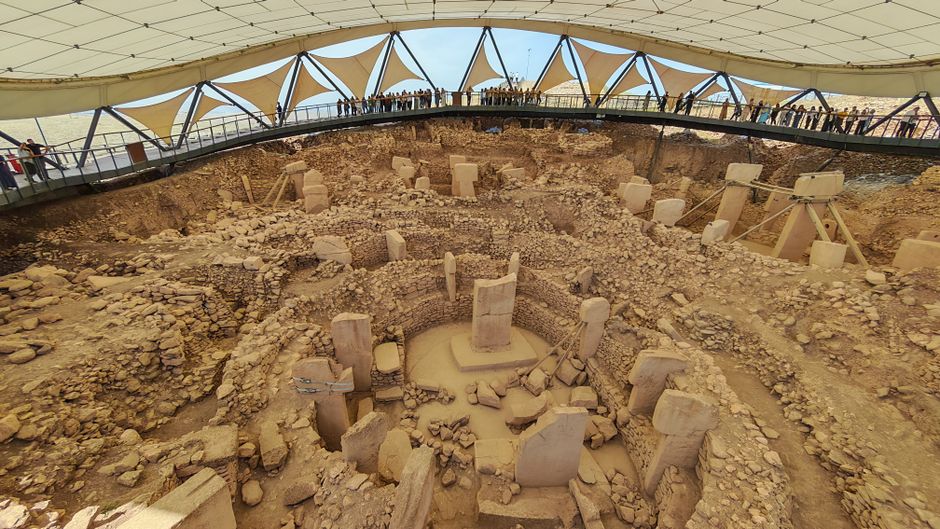
Best Maya Tours specializes in creating customized itineraries that accommodate UK travelers’ preferences while maximizing archaeological experiences. Their expertise ensures proper documentation, transportation coordination, and cultural preparation that makes international travel seamless.

The UNESCO World Heritage designation of multiple Yucatan sites underscores their global significance and the importance of responsible tourism practices. Professional tour operators emphasize conservation while providing access to these irreplaceable cultural treasures.

  1. Book tours 3-6 months in advance for optimal availability
  2. Consider travel insurance covering archaeological activities
  3. Pack appropriate clothing for both archaeological sites and cenote swimming
  4. Prepare for varying weather conditions across different regions
  5. Research cultural customs to enhance interactions with local communities

The investment in private, professionally guided tours pays dividends in educational value, exclusive access, and personalized experiences that create lasting memories. The Smithsonian Institution emphasizes how expert interpretation transforms archaeological sites from mere ruins into windows into sophisticated ancient civilizations.

Conclusion

Mexico’s Mayan trail offers UK travelers unprecedented access to one of history’s most fascinating civilizations through carefully curated private tours that balance cultural education with natural adventure. From the astronomical precision of Chichen Itza to the coastal beauty of Tulum and the hidden wonders of cenotes, these experiences provide comprehensive immersion into both ancient heritage and contemporary Mexican culture. Best Maya Tours’ commitment to sustainable tourism and expert guidance ensures that your journey contributes positively to local communities while creating transformative personal experiences. The combination of private access, knowledgeable guides, and flexible itineraries makes 2026 the perfect time to explore these archaeological treasures while supporting responsible tourism practices that preserve these sites for future generations. Travel agencies can book exclusive Maya tours and maximize customer satisfaction with our bespoke offerings.