
Mayan Civilization Achievements Science
The ancient Maya civilization stands as one of history’s most remarkable examples of scientific and intellectual achievement in the pre-Columbian Americas. From approximately 2000 BCE to 1500 CE, the Maya developed sophisticated systems of astronomy, mathematics, medicine, and engineering that rivaled and often surpassed contemporary civilizations worldwide. Their scientific legacy continues to astound researchers in 2026, as new discoveries reveal the depth and complexity of their knowledge systems.
Understanding Maya scientific achievements provides crucial insights into how ancient civilizations could develop advanced knowledge without modern technology. For travel agencies organizing cultural tours, these achievements represent compelling selling points that demonstrate the intellectual sophistication of Maya sites. The scientific accomplishments of the Maya offer visitors profound appreciation for the civilization’s lasting contributions to human knowledge.
Mathematical Innovations and the Concept of Zero
The Maya mathematical system represents one of their most significant scientific achievements. They developed a sophisticated vigesimal (base-20) number system that included the revolutionary concept of zero centuries before it appeared in European mathematics. This mathematical framework enabled complex calculations essential for their astronomical observations and architectural projects.

Maya mathematicians used only three symbols to represent any number: a dot for one, a bar for five, and a shell symbol for zero. This elegant system allowed them to perform calculations involving enormous numbers, particularly important for their Long Count calendar system. The mathematical precision achieved by Maya scholars enabled them to calculate planetary cycles with remarkable accuracy.
Modern archaeologists have discovered mathematical texts carved into stone monuments and recorded in bark paper codices. These documents reveal sophisticated understanding of arithmetic, geometry, and algebraic concepts. The Maya applied their mathematical knowledge to practical problems including architectural design, agricultural planning, and commercial transactions.
Practical Applications of Maya Mathematics
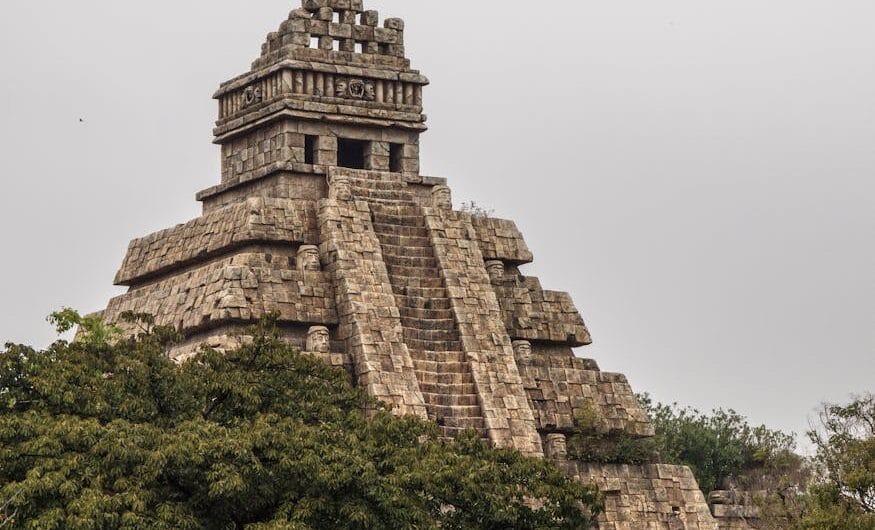
Maya engineers utilized mathematical principles to construct massive pyramids, temples, and urban centers with precise alignments. The mathematical concepts underlying these structures demonstrate advanced understanding of geometry, trigonometry, and engineering principles. Archaeological evidence shows that Maya architects calculated load-bearing requirements, structural stability, and astronomical orientations with impressive precision.
Astronomical Mastery and Calendar Systems
Maya astronomers achieved extraordinary accuracy in observing and predicting celestial phenomena. They tracked the movements of the sun, moon, planets, and stars with precision that rivals modern observations. Their astronomical knowledge formed the foundation for complex calendar systems that governed religious ceremonies, agricultural activities, and political events.
The Maya developed multiple interconnected calendars, including the 365-day solar calendar (Haab), the 260-day ceremonial calendar (Tzolkin), and the Long Count system for recording historical dates. These calendars required sophisticated understanding of astronomical cycles, mathematical calculations, and precise timekeeping methods.
Venus held particular significance in Maya astronomy, as they calculated its synodic period with remarkable accuracy. The Maya astronomical tables recorded in the Dresden Codex demonstrate their ability to predict Venus cycles, eclipses, and other celestial events centuries in advance. This knowledge enabled Maya priests and rulers to schedule important ceremonies and military campaigns based on favorable astronomical conditions.
Eclipse Prediction and Planetary Observations
Maya astronomers developed methods for predicting solar and lunar eclipses with impressive accuracy. They understood the Saros cycle and created warning tables that helped communities prepare for these dramatic celestial events. Archaeological evidence suggests that Maya observers maintained detailed records of planetary positions, meteor showers, and comet appearances.
The precision of Maya astronomical observations allowed them to create eclipse tables spanning centuries. These predictions required complex mathematical calculations based on detailed observations of lunar and solar cycles. Maya astronomers recognized that eclipses followed predictable patterns, enabling them to develop reliable forecasting methods.
Medical Knowledge and Healing Practices
Maya medical practitioners developed sophisticated understanding of human anatomy, pharmacology, and surgical procedures. Archaeological evidence reveals that Maya healers performed complex medical treatments including trepanation (skull surgery), dental procedures, and orthopedic interventions. Their medical knowledge combined empirical observation with spiritual beliefs about health and disease.

The Maya pharmacological knowledge encompassed hundreds of medicinal plants native to Mesoamerica. They understood the therapeutic properties of various herbs, bark extracts, and mineral substances. Maya medical texts describe treatments for common ailments including fever, digestive disorders, respiratory conditions, and infectious diseases.
Maya healers developed specialized medical instruments for surgical procedures and diagnostic examinations. Archaeological discoveries include obsidian scalpels, bone needles, and ceramic vessels designed for preparing medicines. The precision of these instruments suggests advanced understanding of surgical techniques and sterile practices.
Herbal Medicine and Pharmaceutical Knowledge
Maya pharmacological expertise included detailed knowledge of plant chemistry and drug interactions. They cultivated medicinal gardens containing hundreds of therapeutic species and developed standardized preparation methods for various treatments. Modern pharmaceutical research continues to investigate Maya medicinal plants, leading to discoveries of new therapeutic compounds.
Engineering and Architectural Achievements
Maya engineers demonstrated remarkable expertise in construction technology, urban planning, and hydraulic engineering. They built massive pyramids, elaborate palaces, and sophisticated water management systems without metal tools or wheeled vehicles. Their architectural achievements required advanced understanding of structural engineering, materials science, and construction techniques.
The construction of Maya cities involved complex engineering challenges including foundation design, water supply, and waste management. Maya engineers developed innovative solutions for building in challenging environments including swamps, rocky terrain, and areas prone to seismic activity. Their architectural legacy includes structures that have survived over a millennium in tropical conditions.
Maya water management systems included reservoirs, canals, filtration systems, and underground storage facilities. These hydraulic engineering projects required sophisticated understanding of fluid dynamics, materials engineering, and environmental management. The Maya water filtration systems discovered at Tikal demonstrate advanced knowledge of water purification techniques using natural materials.
Urban Planning and Infrastructure Development
Maya city planners created sophisticated urban environments that balanced residential, ceremonial, and commercial needs. They developed standardized building codes, zoning regulations, and infrastructure systems that supported large populations. Maya urban design incorporated astronomical alignments, defensive considerations, and environmental factors into comprehensive planning frameworks.
Agricultural Science and Innovation
Maya agricultural scientists developed intensive farming techniques that supported dense populations in challenging environments. They created raised field systems, terraced agriculture, and forest gardens that maximized productivity while maintaining ecological sustainability. Maya agricultural knowledge included understanding of soil chemistry, crop rotation, and integrated pest management.

The Maya domesticated numerous plant species and developed sophisticated breeding programs to improve crop yields. They understood genetic principles and selectively bred maize, beans, squash, and other staples to enhance nutritional content and environmental adaptation. Maya agricultural innovations enabled them to support populations exceeding modern density levels in the same regions.
Maya farmers developed integrated agricultural systems that combined multiple crops, aquaculture, and forest management. These polyculture techniques maximized land use efficiency while maintaining biodiversity and soil health. Archaeological evidence shows that Maya agricultural productivity supported specialized craftspeople, priests, and administrators in complex urban societies.
Writing Systems and Information Technology
The Maya writing system represents one of the most sophisticated information technologies developed in ancient America. They created a complex script combining logographic and syllabic elements that could record spoken language with precision. Maya scribes produced thousands of texts covering history, astronomy, mathematics, medicine, and religious topics.
Maya books, known as codices, were manufactured using bark paper and sophisticated binding techniques. These documents preserved scientific knowledge across generations and enabled the accumulation of specialized expertise. The surviving Maya codices contain astronomical tables, mathematical calculations, and medical prescriptions that demonstrate the breadth of their intellectual achievements.
Maya writing technology included standardized spelling conventions, grammatical rules, and specialized vocabularies for technical subjects. Scribes underwent extensive training to master the complex writing system, creating a professional class dedicated to preserving and transmitting knowledge. This literary culture enabled Maya scientists to build upon previous discoveries and develop increasingly sophisticated theories.
Legacy and Modern Relevance
The scientific achievements of the Maya continue to influence modern research and development in multiple fields. Contemporary astronomers study Maya astronomical records to understand long-term celestial cycles and climate patterns. Medical researchers investigate Maya pharmacological knowledge to develop new therapeutic treatments. Agricultural scientists examine Maya farming techniques for sustainable food production methods.
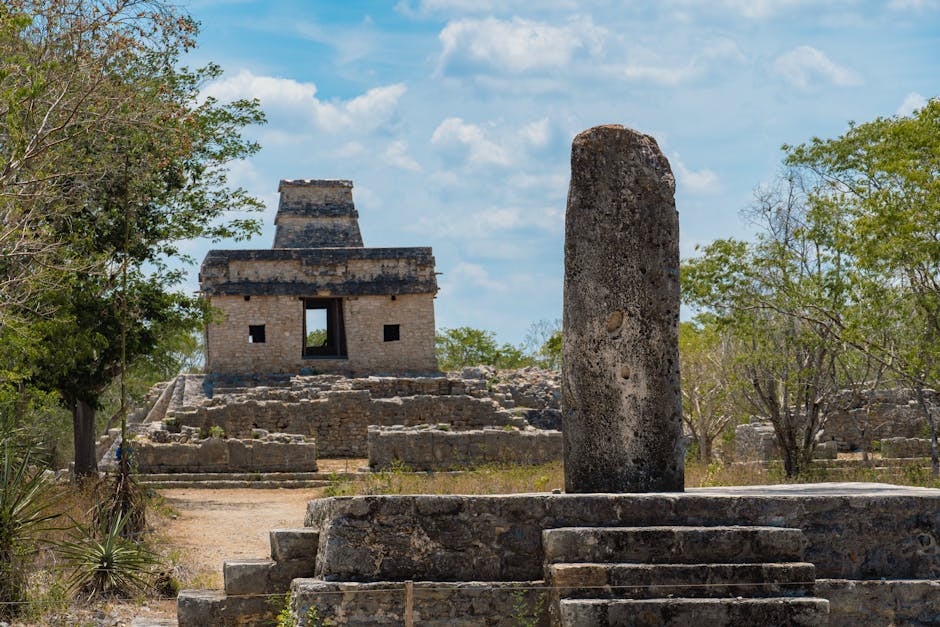
For modern visitors to Maya archaeological sites, understanding these scientific achievements provides deeper appreciation for the intellectual sophistication of Maya civilization. The complexity of Maya knowledge systems challenges common misconceptions about pre-Columbian American societies and demonstrates the universal human capacity for scientific discovery and innovation.
Maya scientific achievements offer valuable lessons for contemporary challenges including climate change, sustainable agriculture, and healthcare delivery in developing regions. Their integrated approach to knowledge, combining practical observation with theoretical understanding, provides models for holistic scientific research and education.
Conclusion
The scientific achievements of the Maya civilization represent extraordinary intellectual accomplishments that continue to inspire researchers and visitors alike in 2026. From mathematical innovations to astronomical precision, from medical expertise to engineering mastery, the Maya developed sophisticated knowledge systems that rivaled contemporary civilizations worldwide. Understanding these achievements enhances appreciation for Maya cultural sites and provides compelling content for educational tourism.
For travel agencies organizing cultural tours to Maya sites, emphasizing these scientific achievements can attract clients interested in intellectual and educational experiences. The legacy of Maya science offers powerful selling points that differentiate cultural tourism from simple sightseeing, creating deeper engagement with Maya heritage and history.
Experience the remarkable scientific legacy of the Maya firsthand with expertly guided cultural tours. Best Maya Tours specializes in educational experiences that bring Maya scientific achievements to life through expert interpretation and authentic site visits. Book your journey of discovery today and explore the intellectual treasures of one of history’s most advanced civilizations.


