
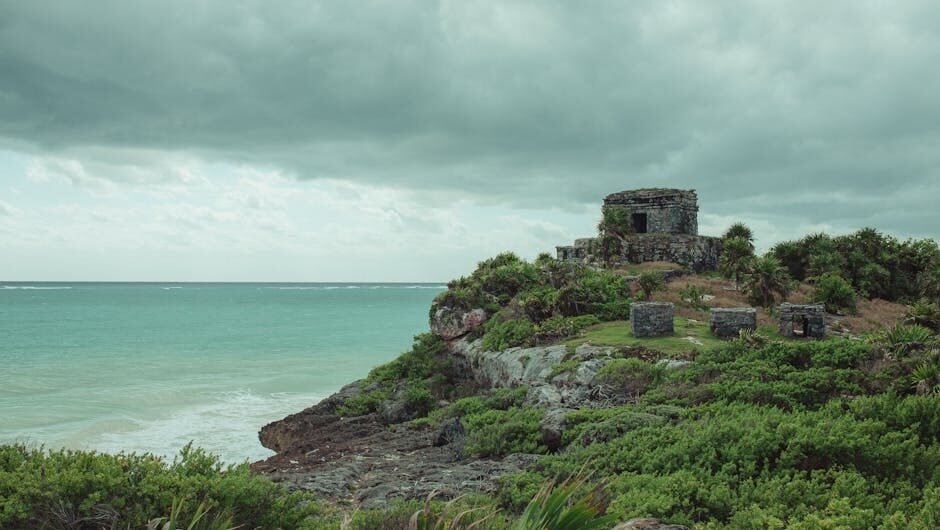
Best Time of Year to Visit Mayan Ruins
Planning a journey to explore the magnificent Mayan ruins requires careful timing to ensure an unforgettable experience. The ancient pyramids, temples, and ceremonial centers scattered across Mexico, Guatemala, Belize, and Honduras offer different advantages depending on when you visit. Weather conditions, crowd levels, wildlife activity, and seasonal events all play crucial roles in determining the optimal time for your archaeological adventure.
Understanding the regional climate patterns, tourist seasons, and local conditions will help you make an informed decision that aligns with your priorities, whether you seek perfect weather, fewer crowds, or unique seasonal experiences at these remarkable historical sites.
Understanding the Climate Zones of Mayan Territories
The vast region encompassing Mayan ruins experiences diverse climate patterns that significantly impact your visiting experience. Most archaeological sites fall within tropical and subtropical zones, characterized by distinct wet and dry seasons that directly influence accessibility, comfort, and overall enjoyment.
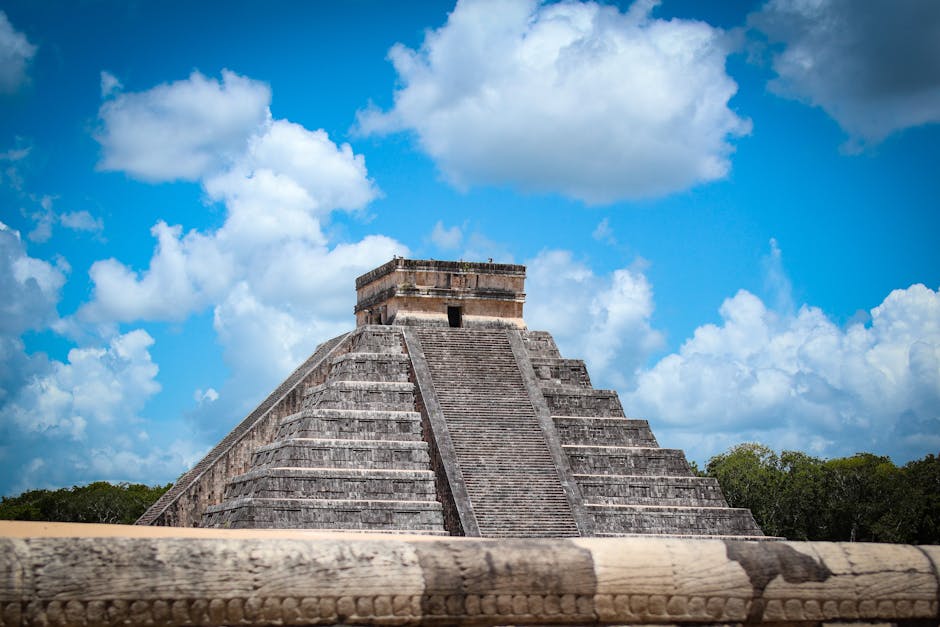
The dry season, typically running from November through April, offers the most favorable weather conditions for exploring outdoor archaeological sites. During this period, rainfall is minimal, humidity levels are more manageable, and temperatures remain relatively comfortable for extended walking and climbing.
Conversely, the wet season from May through October brings heavy rainfall, increased humidity, and occasional tropical storms. While this period presents challenges, it also offers unique advantages such as lush vegetation, fewer tourists, and dramatically reduced accommodation costs.
Temperature Variations Throughout the Year
Temperature patterns vary significantly across different Mayan regions. Coastal areas like those near Tulum and Coba maintain relatively stable temperatures year-round, while highland sites such as those in Guatemala experience more pronounced seasonal variations.
During the dry season, daytime temperatures typically range from 75-85°F (24-29°C), creating ideal conditions for extensive site exploration. Morning and evening temperatures can drop to comfortable 65-70°F (18-21°C), perfect for sunrise or sunset visits to iconic locations like Chichen Itza or Tikal.
The wet season brings higher temperatures, often reaching 90-95°F (32-35°C) during peak afternoon hours, combined with oppressive humidity levels that can make outdoor activities challenging for extended periods.
Peak Tourist Season: December Through March
The period from December through March represents the peak tourist season for Mayan ruins, coinciding with the dry season and offering the most predictable weather conditions. This timeframe attracts the highest number of visitors, particularly during the winter months when travelers from colder climates seek warm weather destinations.
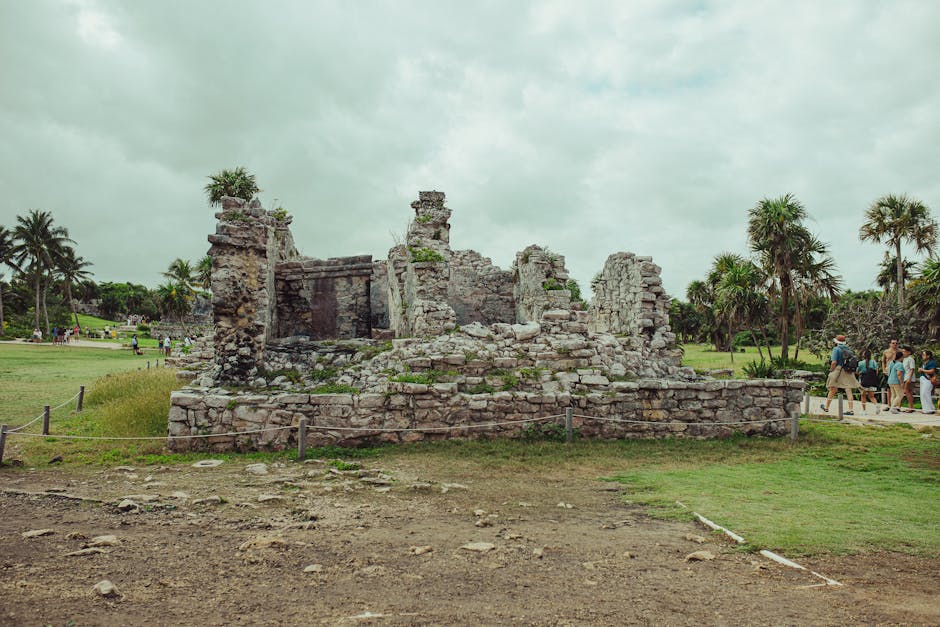
During peak season, expect significantly higher accommodation costs, crowded archaeological sites, and the need for advance reservations for tours and hotels. Popular sites like Chichen Itza can become extremely crowded, particularly during the spring equinox in March when thousands gather to witness the serpent shadow phenomenon.
However, peak season offers undeniable advantages including minimal rainfall, comfortable temperatures for outdoor exploration, optimal photography conditions with clear skies, and full availability of tours and transportation services. This period also coincides with various cultural festivals and events that enhance the overall experience.
Holiday Considerations
Christmas and New Year periods represent the absolute peak of tourist activity, with some sites experiencing overwhelming crowds. If visiting during this time, plan to arrive at major ruins very early in the morning or later in the afternoon to avoid the heaviest tourist influxes.
Spring break season in March brings additional crowds, particularly from North American college students and families, further impacting popular destinations along the Caribbean coast.
Shoulder Season Advantages: April-May and October-November
The shoulder seasons of April-May and October-November offer compelling advantages for visitors seeking a balance between favorable weather and reduced crowds. These transitional periods provide excellent opportunities to experience Mayan ruins with greater accessibility and more reasonable pricing.

Late April and May mark the end of the dry season, offering relatively low rainfall with increasingly warm temperatures. This period provides excellent conditions for photography, with dramatic cloud formations and spectacular sunsets creating ideal backdrops for iconic ruins.
October and November represent the transition from wet to dry season, featuring decreasing rainfall, moderating temperatures, and significantly fewer tourists. Vegetation remains lush from the rainy season, creating beautiful natural settings around archaeological sites.
Cost Benefits of Shoulder Season Travel
Accommodation rates during shoulder seasons can be 30-50% lower than peak season prices, allowing budget-conscious travelers to experience higher-end hotels and tours. Flight costs to the region also decrease significantly, making overall trip expenses more manageable.
Tour operators often provide more personalized experiences during these periods, with smaller group sizes and greater flexibility in scheduling and customization.
Wet Season Opportunities: June Through September
While the wet season presents challenges, it also offers unique opportunities for adventurous travelers willing to embrace different conditions. Heavy rainfall transforms the landscape, creating lush tropical environments that showcase how these ancient sites would have appeared during their peak occupation periods.
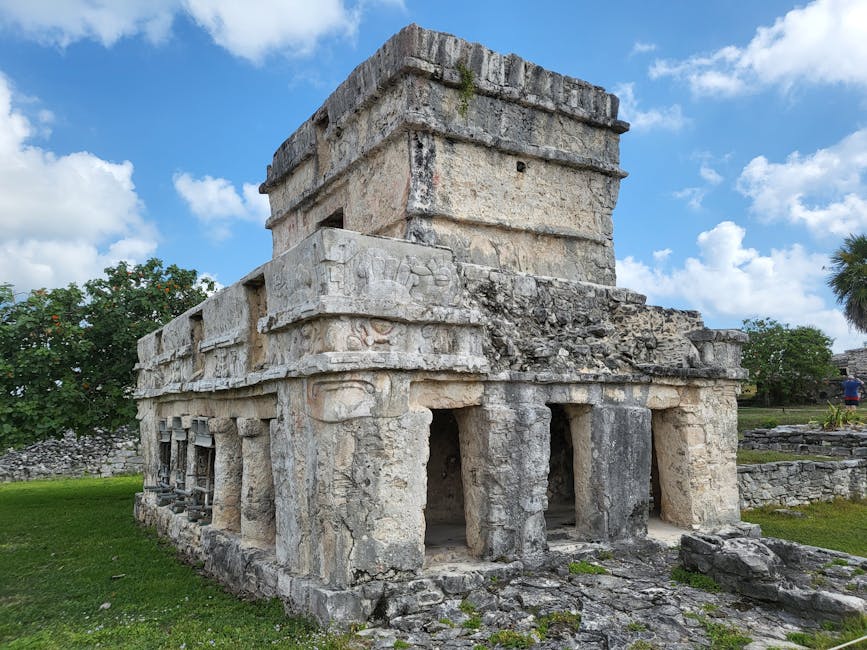
Rainfall typically occurs in intense afternoon or evening thunderstorms rather than continuous precipitation, leaving mornings and early afternoons often clear and suitable for exploration. Planning activities around these predictable weather patterns allows for successful site visits even during the wettest months.
The wet season offers the lowest accommodation and tour prices of the year, sometimes up to 60% below peak season rates. This dramatic cost reduction makes luxury experiences accessible to budget-conscious travelers and allows for extended stays to explore multiple sites.
Wildlife and Natural Beauty
The wet season brings incredible wildlife activity to areas surrounding Mayan ruins. Bird migration patterns peak during this period, offering exceptional opportunities for nature photography and wildlife observation at sites like Tikal National Park.
Vegetation reaches its peak lushness during and immediately after the rainy season, creating stunning natural frames for ancient structures and providing a more authentic representation of how these sites appeared during their historical occupation.
Site-Specific Timing Considerations
Different Mayan ruins present unique timing considerations based on their specific locations, accessibility, and characteristics. Coastal sites like Tulum offer year-round accessibility but face different crowd patterns than inland jungle locations like Calakmul.
Sites in Guatemala’s Petén region, including the magnificent Tikal, experience more pronounced wet seasons that can affect accessibility via unpaved roads. These locations are best visited during the dry season for optimal access and comfort.
Higher elevation sites in Guatemala and Honduras offer cooler temperatures year-round but may experience fog and reduced visibility during certain seasons. Planning visits during clear weather periods enhances the experience and photographic opportunities.
Special Events and Astronomical Alignments
Many Mayan ruins feature architectural alignments with astronomical events that create spectacular visual phenomena at specific times of the year. The spring and fall equinoxes at Chichen Itza create the famous serpent shadow effect, while winter solstice events at sites like Dzibilchaltun offer unique cultural experiences.
Planning visits around these special events requires advance preparation and booking, as they attract large crowds but provide once-in-a-lifetime experiences that connect visitors with ancient Mayan astronomical knowledge and religious practices.
Practical Preparation Tips for Any Season
Regardless of your chosen travel period, proper preparation ensures a successful and comfortable experience exploring Mayan ruins. Weather-appropriate clothing, sun protection, and hydration supplies remain essential throughout the year.
During dry season visits, focus on sun protection with wide-brimmed hats, high-SPF sunscreen, and lightweight long-sleeved clothing. Temperatures can become extremely hot during midday hours, making early morning or late afternoon visits more comfortable.
Wet season preparation requires waterproof gear, quick-dry clothing, and flexible scheduling to accommodate weather changes. Quality rain gear and waterproof camera protection become essential for successful exploration during this period.
Health and Safety Considerations
Mosquito-borne illnesses peak during wet season months, making insect repellent and protective clothing crucial for health and comfort. Consulting with travel health professionals about recommended vaccinations and preventive medications ensures safe travels regardless of season.
Staying hydrated becomes critical during any season, but particularly during hot, humid periods. Many archaeological sites have limited shade and facilities, making personal preparation essential for comfortable exploration.
Making Your Final Decision
Choosing the best time to visit Mayan ruins ultimately depends on your personal priorities, budget constraints, and travel preferences. Weather-sensitive travelers who prioritize comfort and predictability will find the dry season most appealing, while budget-conscious adventurers may prefer wet season opportunities.
Consider your photography goals, desired crowd levels, budget flexibility, and physical comfort preferences when making timing decisions. Each season offers distinct advantages that can enhance different aspects of your Mayan ruins experience.
The changing climate patterns in Central America also influence optimal visiting times, making current weather data and local guidance increasingly valuable for trip planning.
For the most comprehensive and personalized Mayan ruins experience, consider working with specialized tour operators who understand seasonal variations and can tailor itineraries to your specific timing and interests. Professional guides provide invaluable local knowledge about optimal visiting conditions and hidden gems that enhance any archaeological adventure.
Whether you choose the comfort of dry season exploration, the value of wet season adventures, or the balance of shoulder season travel, the magnificent Mayan ruins offer unforgettable experiences that connect you with one of history’s most fascinating civilizations. Plan carefully, prepare thoroughly, and embrace the unique opportunities that your chosen season provides for an archaeological journey of a lifetime.


