
ancient mayan civilization facts for tourists
The ancient Maya civilization stands as one of history’s most remarkable achievements, spanning over 3,000 years across present-day Mexico, Guatemala, Belize, Honduras, and El Salvador. For modern tourists exploring the Riviera Maya and beyond, understanding these fascinating ancient mayan civilization facts for tourists enhances every temple visit and archaeological site exploration. From their revolutionary calendar system to their sophisticated urban planning, the Maya left behind a legacy that continues to captivate visitors from around the world.
Whether you’re planning your first visit to Chichen Itza or seeking deeper insights into Mayan culture, this comprehensive guide reveals the essential knowledge that transforms ordinary sightseeing into an extraordinary journey through time. These ancient mayan civilization facts for tourists will help you appreciate the incredible achievements of a people who built towering pyramids, developed complex writing systems, and created astronomical calculations that rival modern precision.
Timeline and Geographic Reach of Maya Civilization
The Maya civilization flourished across three distinct periods that tourists should understand when visiting archaeological sites. The Preclassic Period (2000 BCE – 250 CE) saw the establishment of early settlements and the development of agricultural techniques. During this era, the Maya began constructing their first ceremonial centers and developing the foundation of their complex society.
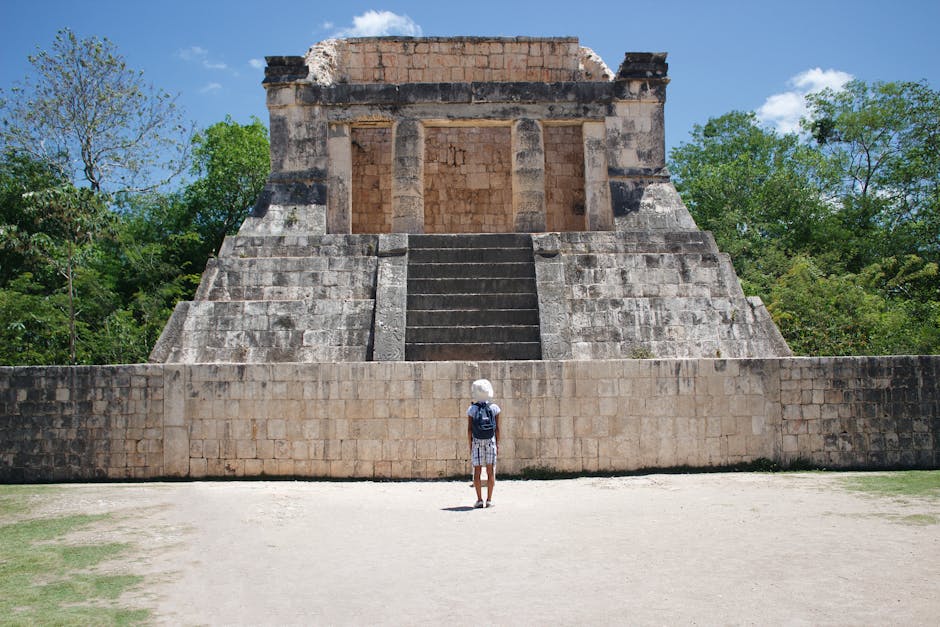
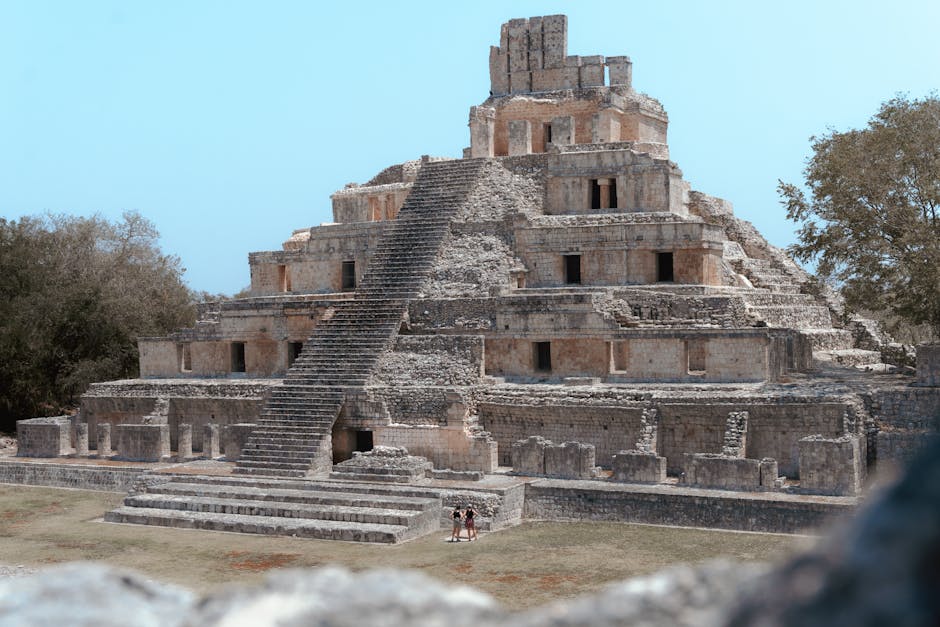
The Classic Period (250 – 900 CE) represents the golden age of Maya civilization, when most of the spectacular ruins tourists visit today were built. This period witnessed the construction of iconic sites like Tikal in Guatemala and Palenque in Mexico. The Maya reached their peak in population, architectural achievement, and cultural sophistication during these centuries.
The Postclassic Period (900 – 1500 CE) began with the mysterious collapse of many southern Maya cities, though northern centers like Chichen Itza and Mayapan continued to thrive. This period extended until Spanish colonization, and contrary to popular belief, Maya communities never completely disappeared. Today, over six million Maya descendants live throughout Central America and Mexico, maintaining many traditional practices that tourists can still observe.
Geographically, the Maya territory covered approximately 120,000 square miles, encompassing diverse landscapes from tropical rainforests to highland plateaus. This vast region included over 100 major cities, each with distinct architectural styles and cultural variations that make modern Maya tours incredibly diverse experiences.
Architectural Marvels and Engineering Achievements
Maya architecture represents one of the most impressive achievements tourists encounter when exploring ancient sites. The famous step pyramids, including El Castillo at Chichen Itza, demonstrate sophisticated understanding of mathematics, astronomy, and engineering principles. These structures weren’t just religious centers but also served as calendars, with specific alignments marking solstices and equinoxes.

The Maya developed the corbel arch, a distinctive architectural feature visible throughout their ruins. Unlike true arches, corbel arches stack stones in overlapping layers, creating doorways and passages that have survived for over a millennium. Tourists can observe this technique at sites like Uxmal and Palenque, where intricate stone work showcases Maya mastery of construction without metal tools or wheels.
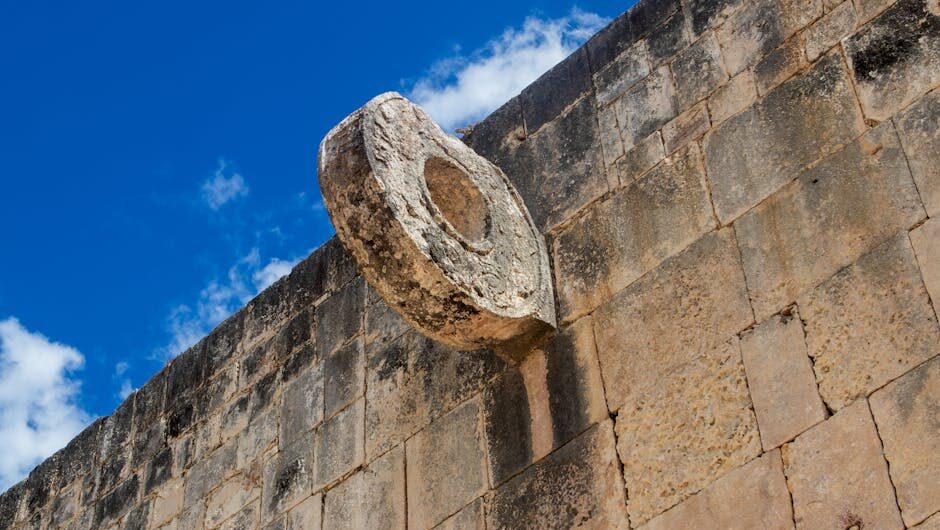
Ball courts represent another fascinating architectural element that captures tourist imagination. These I-shaped structures hosted the ritualistic Maya ball game, where rubber balls were propelled through stone hoops using only hips, elbows, and knees. The Great Ball Court at Chichen Itza, measuring 545 feet long and 225 feet wide, demonstrates the importance of this sacred sport in Maya culture.
Urban Planning and Infrastructure
Maya cities featured sophisticated urban planning that modern tourists can still appreciate. Complex water management systems included reservoirs, canals, and filtration systems that supplied clean water to dense populations. At Tikal, engineers created elaborate catchment systems that collected rainwater during seasonal downpours, storing it for use during dry periods.
Raised roads called sacbeob connected Maya cities across vast distances, some extending over 60 miles. These white limestone highways, elevated above ground level, facilitated trade and communication throughout the Maya world. Tourists walking along restored sections can appreciate the engineering expertise required to construct these ancient superhighways through challenging jungle terrain.
Scientific and Mathematical Innovations
The Maya developed one of history’s most accurate calendar systems, a achievement that fascinates tourists learning about ancient civilizations. Their Long Count calendar tracked time from a mythical creation date corresponding to August 11, 3114 BCE in our calendar system. This sophisticated system could calculate dates millions of years into the future and past, demonstrating mathematical concepts that wouldn’t appear in European thinking for centuries.

Maya astronomers tracked celestial movements with remarkable precision, creating tables predicting solar and lunar eclipses, Venus cycles, and planetary movements. The Caracol observatory at Chichen Itza, with its unique circular design and strategic window openings, allowed priests to observe and record astronomical phenomena that guided agricultural and ceremonial activities.
Perhaps most significantly for mathematical history, the Maya independently developed the concept of zero as a placeholder and numerical value. This mathematical breakthrough, represented by a shell-shaped glyph, enabled complex calculations and advanced astronomical observations. Tourists visiting sites like Copan in Honduras can see hieroglyphic inscriptions demonstrating these mathematical concepts in action.
Agricultural Innovations
Maya agricultural techniques supported dense populations in challenging environments, achievements that modern tourists can observe at reconstructed sites. Raised field systems in wetland areas maximized crop production while preventing soil erosion. These techniques, visible at sites like Caracol in Belize, demonstrate sophisticated environmental management that sustained cities for centuries.
Forest gardens represented another innovation, where Maya farmers cultivated diverse crops in multi-story arrangements mimicking natural forest structures. This sustainable approach produced food while maintaining forest cover, a practice tourists can see demonstrated at eco-archaeological sites throughout the Maya region.
Religious Beliefs and Ceremonial Practices
Maya religion centered on maintaining cosmic balance through elaborate ceremonies that tourists can understand by visiting temple complexes. The Maya believed in a layered universe with thirteen levels of heaven, earth in the middle, and nine levels of underworld called Xibalba. This cosmological structure influenced temple architecture, with many pyramids containing nine levels representing the underworld journey.
Bloodletting ceremonies formed crucial religious practices where rulers pierced themselves with stingray spines and obsidian blades to communicate with gods. Stone reliefs at Yaxchilan and other sites depict these rituals, showing queens drawing thorned ropes through their tongues while kings pierced their genitals. These dramatic sculptures provide tourists with insights into Maya concepts of sacrifice and divine communication.
The feathered serpent deity Kukulkan (known as Quetzalcoatl in central Mexico) played central roles in Maya religion. The famous serpent shadow that descends El Castillo at Chichen Itza during equinoxes demonstrates how Maya architects incorporated religious symbolism into monumental architecture, creating spectacular displays that continue to amaze tourists today.
Burial Practices and Afterlife Beliefs
Maya burial practices reveal complex beliefs about death and afterlife that tourists discover in museum exhibitions and archaeological sites. Elite individuals received elaborate tomb burials with jade jewelry, ceramic vessels, and precious artifacts needed for their afterlife journey. The famous tomb of Pacal the Great at Palenque, discovered in 1952, contained over 1,100 pieces of jade and provides tourists with remarkable insights into Maya concepts of death and rebirth.
Common people received simpler burials, often under house floors, maintaining family connections between living and dead. This practice explains why many Maya sites show evidence of continuous occupation, as families remained connected to ancestral locations across generations.
Art, Writing, and Cultural Expression
Maya hieroglyphic writing represents the most sophisticated writing system developed in pre-Columbian Americas, a achievement that continues fascinating tourists and scholars. This complex system combined logographic and syllabic elements, capable of recording spoken Maya language with remarkable precision. Tourists visiting sites like Pakal’s tomb at Palenque can observe extensive hieroglyphic inscriptions recounting royal histories, mythological events, and astronomical observations.
Maya artisans excelled in multiple mediums, creating masterpieces in stone, jade, obsidian, and ceramics that tourists admire in museums worldwide. Polychrome ceramics from the Classic Period showcase sophisticated artistic techniques and provide insights into Maya daily life, mythology, and court culture. The famous Maya blue pigment, made from indigo and palygorskite clay, demonstrates advanced chemical knowledge that produced colors still vibrant after 1,500 years.
Textile production represented another area of Maya excellence, though few examples survive in the tropical climate. Modern Maya communities continue traditional weaving techniques that tourists can observe and purchase, maintaining cultural connections spanning millennia. These textiles often incorporate ancient symbols and patterns that link contemporary Maya culture with their ancestral heritage.
Daily Life and Social Structure
Maya society operated through complex hierarchical structures that tourists can understand by examining different architectural zones within ancient cities. At the top, divine rulers called k’uhul ajaw (“divine lords”) governed city-states from elaborate palace complexes. These rulers combined political and religious authority, serving as intermediaries between human and divine realms.
Noble families occupied positions below royalty, serving as administrators, military leaders, and high priests. Their residences, typically located near ceremonial centers, featured stone architecture and elaborate decorations that distinguished them from common housing. Tourists can observe these social distinctions by examining different residential areas at sites like Caracol or Calakmul.
Common Maya people lived in perishable houses built from wood, thatch, and adobe, though stone foundations often remain visible to tourists. These families engaged in farming, crafts, and trade, supporting the complex urban societies through tribute and labor obligations. Markets played crucial roles in Maya cities, and tourists can visit restored market areas at sites like Coba to understand ancient economic systems.
Trade and Economy
Maya trade networks extended across Mesoamerica, connecting Pacific and Atlantic coasts through complex commercial relationships. Cacao beans served as standardized currency, while luxury goods like jade, obsidian, and quetzal feathers traveled hundreds of miles between Maya cities and foreign territories. Tourists visiting coastal sites like Tulum can appreciate its strategic location controlling maritime trade routes along the Caribbean coast.
Specialized craft production supported these trade networks, with different cities developing expertise in particular goods. Obsidian tools from highland Guatemala, salt from coastal areas, and jade from the Motagua Valley created interdependent relationships that sustained Maya civilization for centuries.
Planning Your Maya Archaeological Experience
Modern tourists have unprecedented access to Maya sites throughout Mexico, Guatemala, Belize, and Honduras, though planning requires consideration of climate, accessibility, and local conditions. The dry season (November through April) provides optimal weather for archaeological site visits, with less humidity and reduced rainfall making exploration more comfortable.
Major sites like Chichen Itza and Tulum offer excellent tourist infrastructure, including visitor centers, guided tours, and educational programs that bring ancient Maya civilization to life. However, more remote sites like Calakmul or El Mirador provide authentic experiences with fewer crowds, though requiring more adventurous travel arrangements.
Hiring knowledgeable local guides enhances the tourist experience significantly, as expert interpretation reveals details and contexts invisible to casual observation. Many guides descend from Maya communities and provide cultural perspectives that connect ancient history with contemporary Maya life. The National Institute of Anthropology and History in Mexico maintains excellent resources for tourists planning archaeological site visits.
Sustainable tourism practices help preserve these irreplaceable cultural resources for future generations. Tourists should follow all site regulations, avoid touching ancient structures, and respect local Maya communities who often serve as guardians of their ancestral heritage.
Understanding these ancient mayan civilization facts for tourists transforms simple sightseeing into meaningful cultural experiences that connect modern visitors with one of history’s most remarkable civilizations. Whether marveling at Chichen Itza’s astronomical precision or exploring remote jungle temples, tourists equipped with knowledge of Maya achievements gain deeper appreciation for this enduring legacy.
Best Maya Tours specializes in creating authentic connections between tourists and Maya heritage, offering expertly guided experiences that reveal the profound achievements of this ancient civilization. Our knowledgeable guides and commitment to sustainable tourism ensure every visitor gains meaningful insights into Maya culture while supporting local communities. Contact us through National Geographic’s comprehensive Maya site guide or visit bestmayatours.com to book your transformative Maya archaeological adventure today.


