
Authentic Mayan Cultural Experiences Mexico
Mexico’s ancient Maya civilization continues to captivate travelers seeking profound cultural connections beyond typical tourist attractions. From participating in sacred ceremonies with contemporary Maya communities to exploring archaeological sites with indigenous guides, authentic Mayan cultural experiences offer transformative journeys into one of humanity’s most sophisticated civilizations. These immersive encounters provide genuine insights into Maya traditions, beliefs, and daily life that have persisted for over 4,000 years, creating meaningful connections between visitors and living Maya culture throughout the Yucatan Peninsula, Chiapas, and beyond.
Understanding Living Maya Communities and Their Cultural Heritage
Authentic Mayan cultural experiences begin with recognizing that Maya culture is not a relic of the past but a vibrant, living tradition practiced by over six million Maya people across Mexico today. These communities maintain ancient customs while adapting to modern challenges, creating rich cultural tapestries that offer visitors unprecedented learning opportunities.
Contemporary Maya communities in regions like the Yucatan Peninsula preserve traditional practices including ceremonial rituals, agricultural techniques, artisan crafts, and spiritual beliefs. Visitors can participate in authentic experiences such as traditional cooking classes using pre-Hispanic ingredients, learning ancient weaving techniques from master artisans, and observing or participating in purification ceremonies conducted by Maya spiritual leaders.
Sacred Cenote Ceremonies and Spiritual Practices
Cenotes, sacred natural sinkholes revered by the Maya as gateways to the underworld, provide settings for authentic spiritual experiences. Contemporary Maya shamans continue performing traditional ceremonies at these sacred sites, offering visitors opportunities to participate in purification rituals, blessing ceremonies, and meditation practices that connect participants with ancient Maya cosmology.
These experiences typically include traditional offerings of copal incense, prayers in Maya languages, and guided reflections on Maya spiritual beliefs about water, nature, and the interconnectedness of all life. Participants often describe these ceremonies as profoundly moving experiences that provide deeper understanding of Maya worldview and spiritual practices.
Archaeological Sites with Indigenous Guides and Cultural Context
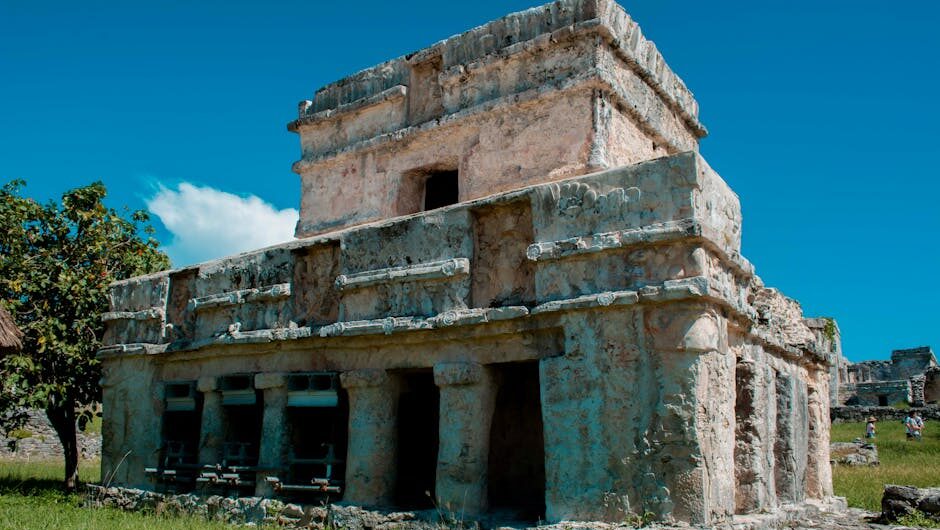
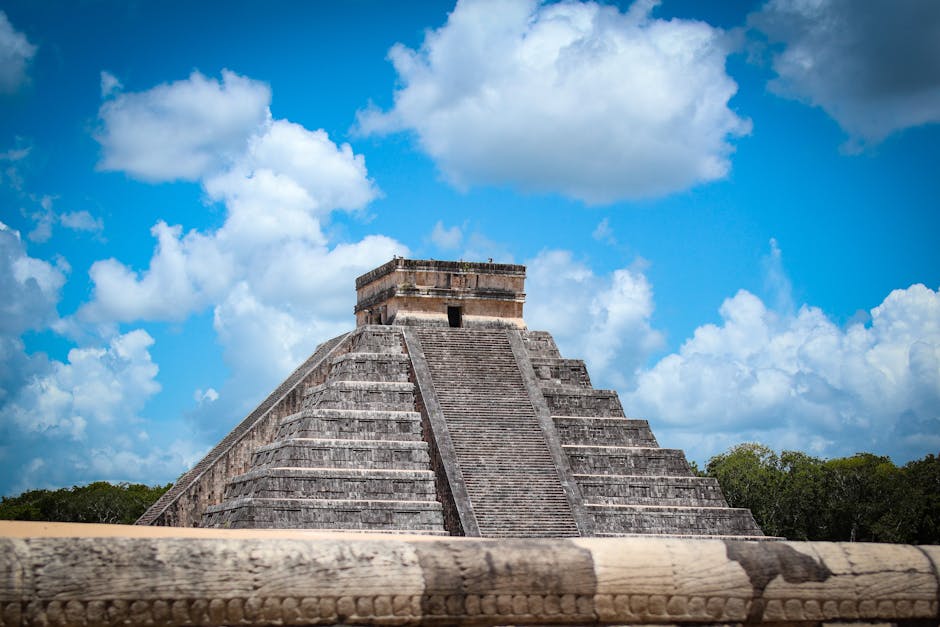
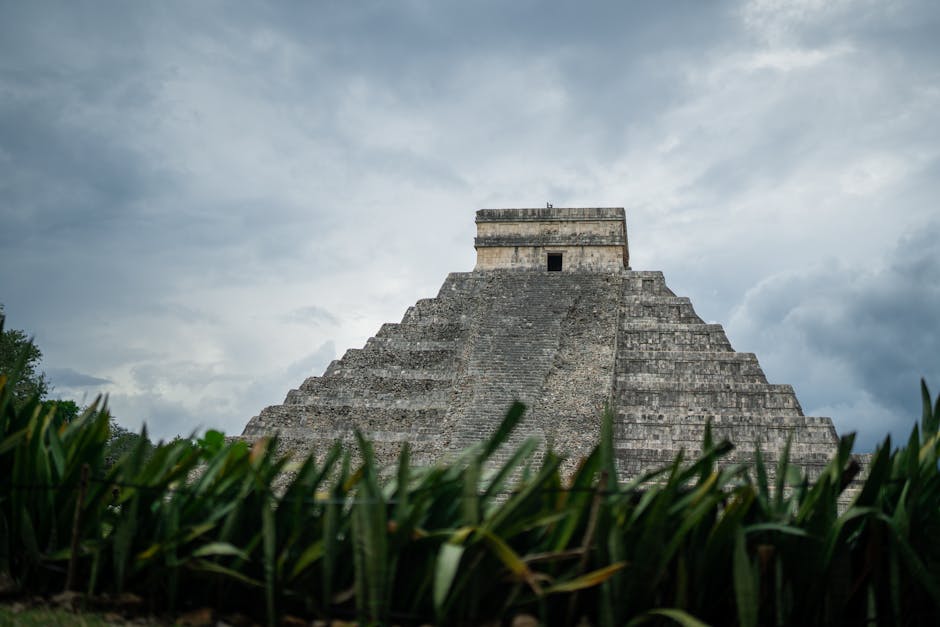
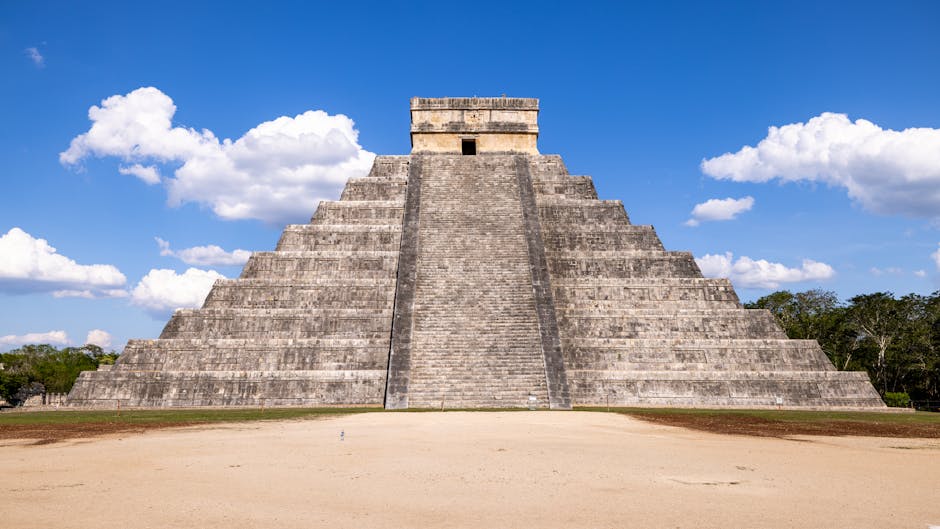
While millions visit famous archaeological sites like Chichen Itza and Tulum annually, authentic cultural experiences involve exploring these locations with indigenous Maya guides who provide cultural context often missing from standard tours. These specialized guides, many of whom are descendants of the original builders, offer insights into the astronomical, mathematical, and architectural achievements of their ancestors.
Lesser-known archaeological sites such as Ek Balam, Coba, and Dzibilchaltun provide more intimate settings for cultural exploration. Local Maya guides at these locations often share oral histories passed down through generations, explain the significance of specific architectural features, and demonstrate traditional construction techniques still used in their communities today.
Astronomical Knowledge and Ancient Science
Maya astronomical knowledge, which enabled accurate calendar systems and predicted celestial events, remains a source of pride and practical knowledge in many communities. Authentic experiences include stargazing sessions with Maya astronomers who explain how their ancestors tracked planetary movements, created sophisticated calendar systems, and incorporated astronomical observations into architectural designs.
These educational encounters often take place at archaeological sites where astronomical alignments are clearly visible, such as the Caracol observatory at Chichen Itza or the Venus Platform at the same site, providing tangible connections to Maya scientific achievements.
Traditional Crafts and Artisan Workshops
Maya artisan traditions represent centuries of accumulated knowledge and skill passed down through family lineages. Authentic cultural experiences include hands-on workshops with master craftspeople who teach traditional techniques for pottery making, textile weaving, stone carving, and jewelry creation using methods unchanged for generations.
In communities like Pisté near Chichen Itza, visitors can learn traditional embroidery techniques from Maya women who create the intricate patterns found on traditional huipil dresses. These workshops provide income for local families while preserving traditional skills and cultural knowledge. Participants not only learn practical techniques but also discover the symbolic meanings behind patterns and colors that reflect Maya cosmology and cultural values.
Traditional Medicine and Healing Practices
Maya traditional medicine, based on extensive knowledge of local plants and holistic healing approaches, continues to play important roles in many communities. Authentic experiences include guided visits to medicinal plant gardens with traditional healers who explain the properties and uses of various herbs and plants according to ancient Maya knowledge.
These educational encounters often include preparation of traditional remedies, discussions of Maya concepts of health and wellness, and explanations of how traditional medicine complements modern healthcare in contemporary Maya communities. Visitors gain appreciation for sophisticated medical knowledge developed over centuries of observation and experimentation.
Culinary Traditions and Ancient Food Ways
Maya cuisine represents one of the world’s original fusion food traditions, combining indigenous ingredients with techniques developed over millennia. Authentic culinary experiences go beyond typical restaurant meals to include participation in traditional food preparation methods, ingredient gathering, and ceremonial aspects of Maya food culture.
Traditional cooking classes in Maya communities often begin with visits to local markets where participants learn to identify indigenous ingredients like achiote, epazote, and various chili varieties. The cooking process typically includes traditional techniques such as preparing masa on volcanic stone metates, cooking in underground pits called pibes, and creating traditional beverages like atole and pozole.
Sacred Foods and Ceremonial Significance
Many Maya foods carry deep spiritual significance, and authentic experiences include learning about the ceremonial aspects of food preparation and consumption. Corn, considered sacred in Maya culture, features prominently in these experiences, with participants learning about different varieties, traditional preparation methods, and the spiritual beliefs surrounding this fundamental crop.
Cacao, another sacred food in Maya culture, provides opportunities for authentic experiences including traditional chocolate preparation ceremonies. These often involve grinding cacao beans on stone metates, preparing traditional chocolate drinks with honey and spices, and learning about cacao’s role in Maya religious and social practices.
Language Preservation and Cultural Communication
Over thirty Maya languages continue to be spoken across Mexico and Central America, representing crucial aspects of cultural identity and knowledge preservation. Authentic cultural experiences include basic language instruction with native speakers, providing visitors with tools for more meaningful cultural exchanges and deeper appreciation for Maya linguistic diversity.

Language learning experiences often focus on practical phrases for cultural interactions, numbers and counting systems that reveal Maya mathematical concepts, and names for plants, animals, and natural features that reflect Maya environmental knowledge. These encounters highlight the sophisticated nature of Maya languages and their importance in preserving cultural knowledge.
Sustainable Tourism and Community Support
Authentic Maya cultural experiences emphasize sustainable tourism practices that directly benefit indigenous communities while respecting cultural boundaries and traditions. The United Nations World Tourism Organization recognizes community-based tourism as essential for cultural preservation and economic development in indigenous regions.
Responsible cultural tourism involves working with established community tourism cooperatives, respecting photography restrictions and cultural protocols, and ensuring that tourism revenue supports local families and cultural preservation efforts. Many communities have developed tourism guidelines that protect sacred sites and traditions while providing authentic educational experiences for visitors.
Supporting Cultural Preservation Efforts
Authentic cultural experiences often include opportunities to support ongoing cultural preservation initiatives such as language documentation projects, traditional craft training programs, and youth education efforts. Visitors can contribute to these efforts through participation in volunteer programs, purchases of authentic crafts directly from artisans, and donations to community-managed cultural centers.
These contributions help ensure that Maya cultural traditions continue to thrive and evolve while maintaining their authentic character and significance for future generations. Many communities use tourism revenue to fund cultural education programs, maintain sacred sites, and support elderly knowledge keepers who serve as repositories of traditional knowledge.
Planning Your Authentic Maya Cultural Experience
Successful authentic Maya cultural experiences require careful planning and collaboration with knowledgeable local guides and community representatives. The Mexican Tourism Board provides resources for identifying legitimate cultural tourism operators and community-based programs that offer authentic experiences while supporting local communities.
When planning cultural experiences, consider factors such as seasonal ceremonies and festivals, weather conditions that affect outdoor activities, and community preferences for visitor scheduling. Many of the most authentic experiences require advance arrangements with community leaders and may have limited availability to maintain their intimate and respectful character.
Preparation should include basic research into Maya history and culture, learning about appropriate cultural protocols and expectations, and packing suitable clothing for participation in various activities. Comfortable walking shoes, sun protection, and modest clothing suitable for visiting sacred sites are essential for most authentic cultural experiences.
Conclusion
Authentic Maya cultural experiences in Mexico offer transformative opportunities to connect with living indigenous traditions while supporting community-based tourism that benefits local families and preserves cultural heritage. From participating in sacred ceremonies to learning traditional crafts and culinary techniques, these experiences provide genuine insights into one of the world’s most sophisticated ancient civilizations that continues to thrive today.
These meaningful cultural encounters require respectful engagement, proper planning, and collaboration with legitimate community-based tourism operators who prioritize cultural authenticity and community benefit. For travel agencies seeking to offer clients truly memorable and educational experiences, authentic Maya cultural programs provide unique value that distinguishes quality cultural tourism from superficial attractions.
Best Maya Tours specializes in facilitating these authentic cultural connections through partnerships with indigenous communities and expert local guides throughout the Riviera Maya region. Our commitment to sustainable, community-based tourism ensures that your clients experience genuine Maya culture while contributing to ongoing cultural preservation efforts. Contact Best Maya Tours today to explore how we can create customized authentic Maya cultural experiences that exceed your clients’ expectations while honoring the rich traditions of Mexico’s indigenous communities.


