What to Pack for a Mayan Adventure Tour

Embarking on a Mayan adventure tour promises an extraordinary journey through ancient civilizations, dense jungles, and mystical archaeological sites. From exploring towering pyramids at Chichen Itza to navigating underground cenotes in the Yucatan Peninsula, these adventures demand careful preparation and strategic packing. The diverse environments you’ll encounter – from humid tropical forests to sacred limestone caves – require specific gear to ensure comfort, safety, and maximum enjoyment of your cultural expedition. This comprehensive packing guide will equip you with everything needed to make your Mayan adventure both memorable and hassle-free.

Essential Clothing for Diverse Mayan Environments

The key to successful packing for Mayan adventures lies in understanding the varied environments you’ll encounter. Lightweight, breathable fabrics become your best allies in the tropical climate of Central America and Mexico’s Yucatan region.

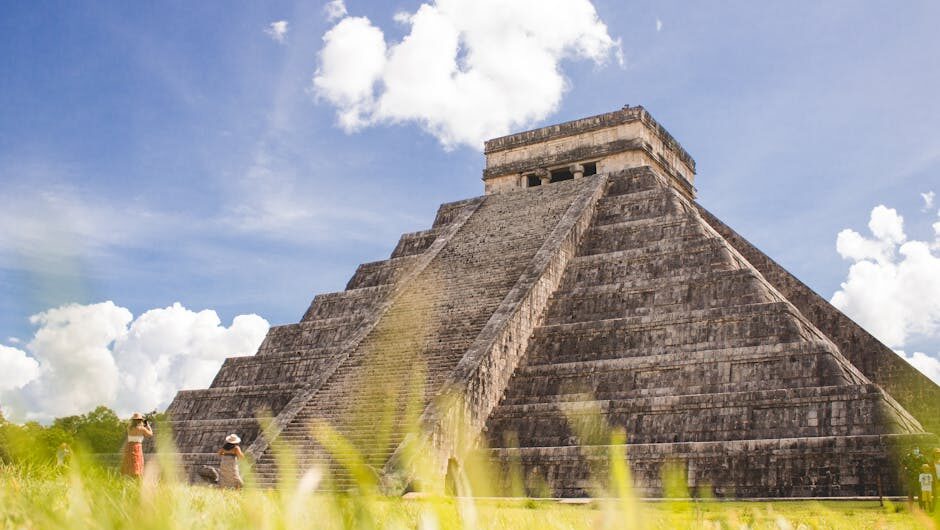
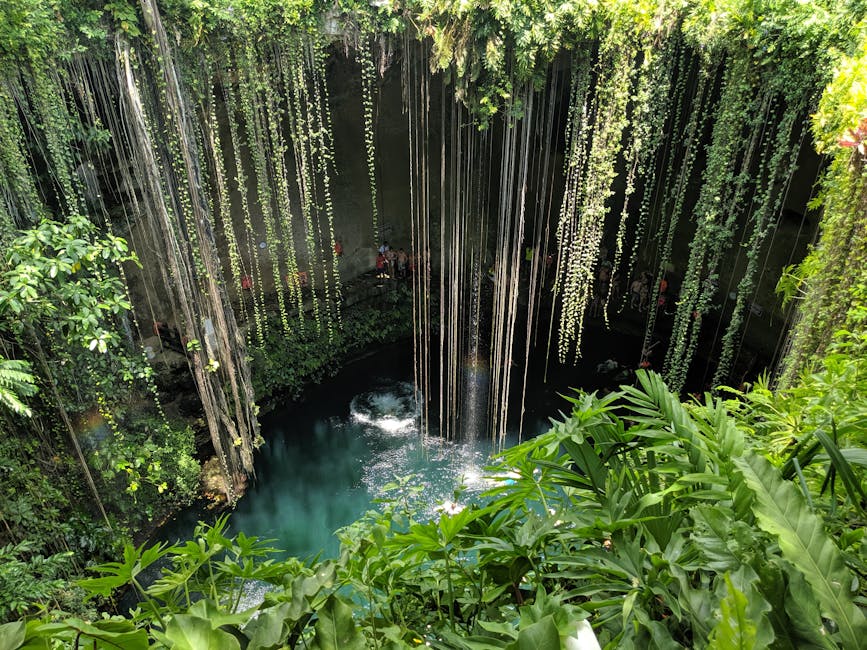
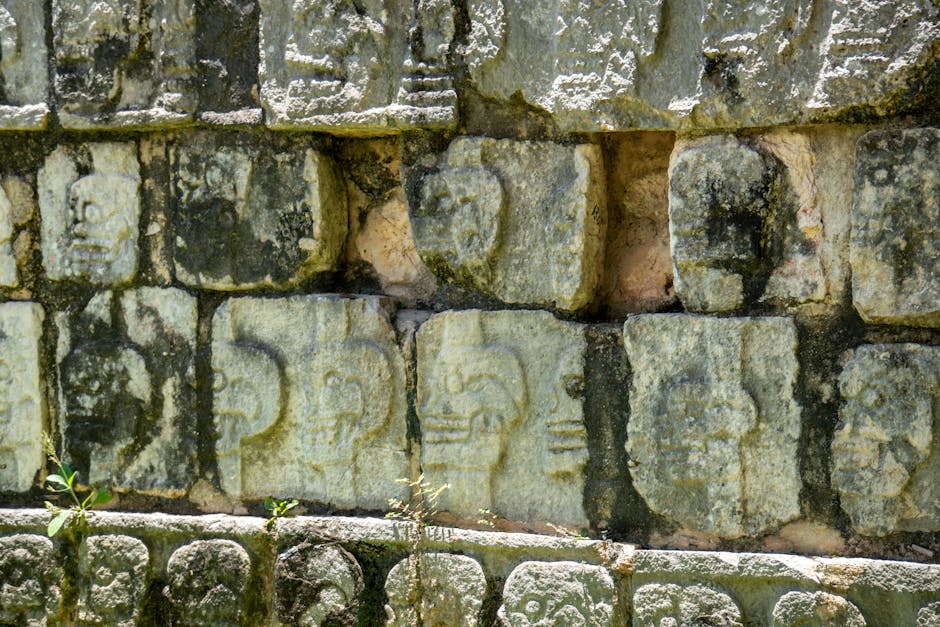
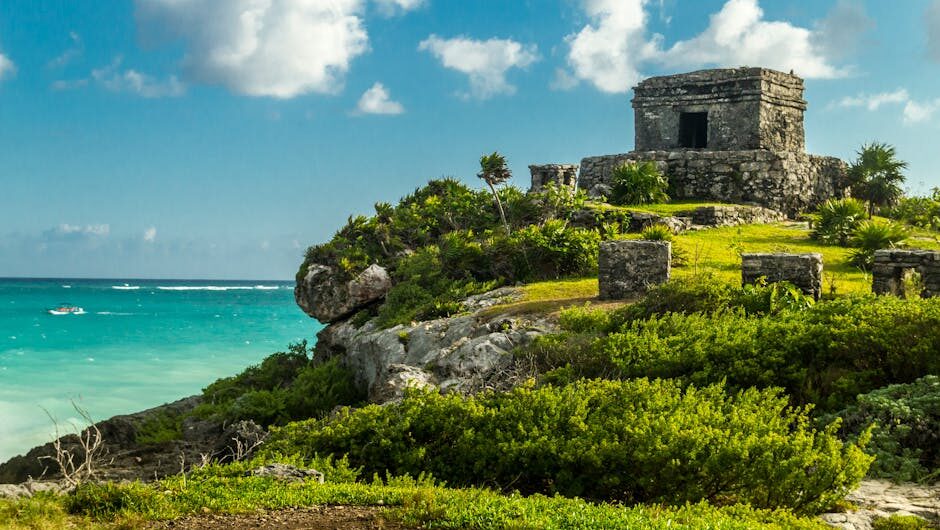
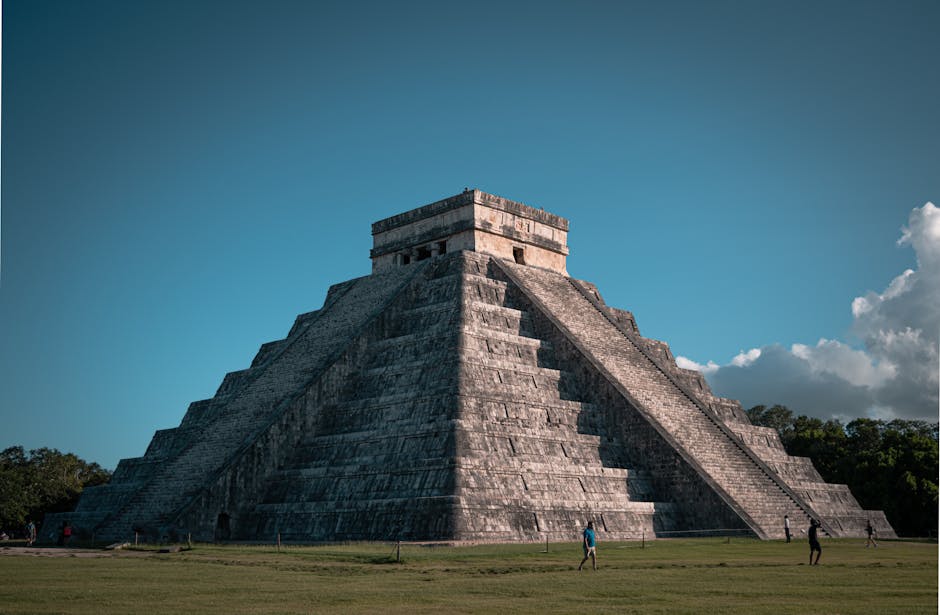
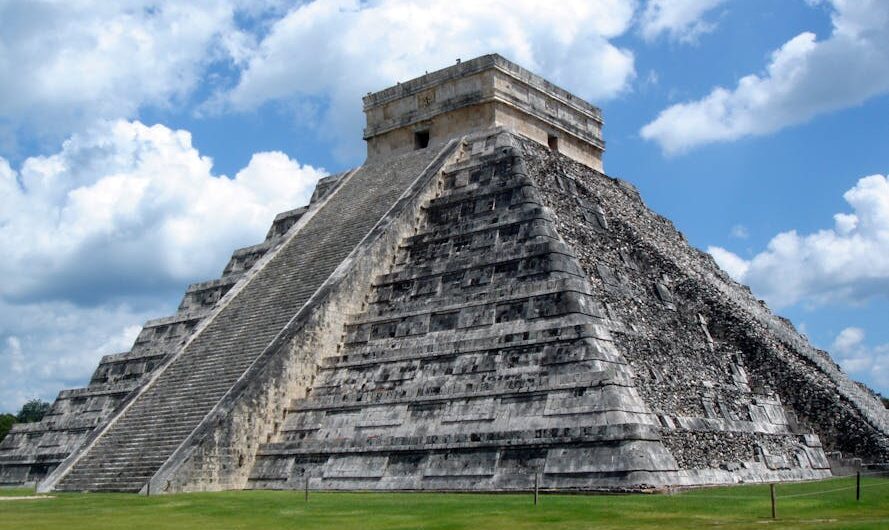
what to pack for a mayan adventure tour - A stunning view of the ancient pyramid at Chichen Itza, Mexico under a moody sky.

Base Layer Essentials

Start with moisture-wicking undergarments made from merino wool or synthetic materials. These regulate body temperature while preventing chafing during long hiking days. Pack at least four sets, as laundry facilities may be limited in remote areas.

Quick-dry t-shirts and long-sleeve shirts protect against both sun exposure and insect bites. Choose neutral colors like khaki, olive, or tan that blend with natural surroundings and don’t attract insects. Avoid bright colors or floral patterns that might disturb wildlife or appear disrespectful at sacred sites.

Bottom Wear Strategy

Convertible hiking pants offer versatility for changing conditions. You can remove the lower portions when temperatures rise or when wading through cenotes. Pack two pairs alongside quick-dry shorts for hot afternoons exploring open archaeological sites.

Include one pair of long pants for evening wear and visits to more formal cultural sites where modest dress is expected. Many ancient Maya sites maintain traditional dress codes that visitors should respect.

Weather Protection

A lightweight rain jacket proves indispensable during the rainy season (May through October). Choose one with ventilation zippers to prevent overheating. Pack a waterproof poncho as backup, especially useful when carrying camera equipment through sudden tropical downpours.

Sun protection clothing, including a wide-brimmed hat with chin strap and UV-protective sleeves, shields you from intense tropical sun. The reflection off limestone structures at archaeological sites intensifies UV exposure significantly.

Footwear for Multiple Terrains

Your feet will traverse ancient stone steps, muddy jungle trails, slippery cenote edges, and modern city streets. This diversity demands a strategic footwear approach.

Primary Hiking Boots

Invest in waterproof, broken-in hiking boots with excellent ankle support. The uneven terrain of archaeological sites, combined with potential wet conditions in caves and cenotes, makes sturdy footwear non-negotiable. Ensure boots are completely broken in before departure to prevent blisters during long exploration days.

Water-Friendly Options

Water shoes or aqua socks become essential when swimming in cenotes or exploring coastal areas. These protect feet from sharp rocks while providing traction on slippery surfaces. Choose quick-dry materials that won’t retain odors.

Comfortable Walking Shoes

Pack lightweight walking shoes or comfortable sneakers for city exploration, market visits, and evening activities. These provide foot relief after long days in hiking boots and appear more appropriate in urban cultural settings.

Technology and Documentation Essentials

Modern Mayan adventures require balancing digital documentation with protection against humidity, dust, and potential theft.

what to pack for a mayan adventure tour - Group enjoying a thrilling whitewater rafting experience in roaring river rapids with paddles and life vests.

Camera Equipment Protection

A waterproof camera case protects against humidity and sudden rain. Silica gel packets help combat moisture damage in tropical environments. Bring extra memory cards and portable chargers, as electricity may be unreliable in remote areas.

Consider a GoPro or similar action camera for cenote swimming and jungle activities where traditional cameras prove impractical. These devices handle water exposure and provide unique perspective options for documenting your adventure.

Communication and Navigation

Download offline maps before departure, as cellular coverage varies significantly throughout Mayan territories. GPS devices with preloaded topographic maps provide reliable navigation backup in remote archaeological sites.

Portable phone chargers and solar power banks ensure communication capability throughout extended excursions. Pack universal electrical adapters appropriate for your destination country’s outlets.

Important Documents

Create waterproof document storage containing passport copies, travel insurance information, emergency contact lists, and tour confirmations. Keep originals in hotel safes when possible, carrying only copies during daily excursions.

Research visa requirements well in advance, as some Mayan sites span multiple countries requiring different entry documentation. The U.S. State Department travel website provides current entry requirements for popular Mayan destinations.

Health and Safety Preparedness

Remote Mayan sites often lack immediate medical facilities, making personal health preparation crucial for safe adventures.

First Aid Essentials

Assemble a comprehensive first aid kit including bandages, antiseptic wipes, pain relievers, anti-diarrheal medication, and any personal prescription medications. Include blister treatment supplies, as extensive walking on uneven surfaces commonly causes foot problems.

Pack insect repellent containing DEET for jungle excursions and mosquito-borne disease prevention. Bring after-bite treatment for inevitable insect encounters. Tropical-strength sunscreen (SPF 50+) prevents severe sunburn at high-altitude archaeological sites.

Water Safety

Water purification tablets or a portable water filter ensure safe drinking water throughout your journey. Many remote Mayan sites lack reliable bottled water sources, making purification capability essential for hydration without health risks.

Electrolyte replacement packets help maintain proper hydration levels during physically demanding exploration days in high heat and humidity.

Cultural Sensitivity and Site-Specific Items

Respectful cultural interaction enhances your Mayan adventure experience while honoring indigenous traditions and archaeological preservation efforts.

what to pack for a mayan adventure tour - A woman packing her travel suitcase on the floor indoors, preparing for a trip.

Appropriate Attire for Sacred Sites

Many active Mayan sites maintain spiritual significance for local indigenous communities. Pack modest clothing options that cover shoulders and knees for ceremonial site visits. Neutral colors show respect while avoiding attention-grabbing attire inappropriate for sacred spaces.

Bring a lightweight scarf or shawl for quick coverage adjustments when entering different cultural contexts throughout your journey.

Learning and Documentation Materials

A detailed guidebook about Mayan history and culture enhances site appreciation beyond basic tour information. Consider Spanish language basics if traveling to Mexico, Guatemala, or Belize, where knowing simple phrases improves local interactions.

Pack a waterproof notebook for recording experiences, sketch interesting architectural details, or noting local information shared by guides. These personal records become treasured memories long after returning home.

Practical Gear for Adventure Activities

Mayan adventures often include specialized activities requiring specific equipment beyond basic clothing and documentation.

Cave and Cenote Exploration

Waterproof flashlight with extra batteries proves essential for cave exploration and early morning site visits. Headlamps provide hands-free lighting while climbing pyramid steps or navigating uneven archaeological terrain.

Quick-dry towels serve multiple purposes: post-cenote swimming, unexpected rain protection, or sitting surface on ancient stone structures. Choose compact, antimicrobial varieties that pack small and dry quickly.

Jungle Trekking Equipment

Lightweight daypack carries water, snacks, camera equipment, and weather protection during extended site exploration. Choose one with multiple compartments for organization and external attachment points for wet gear.

Trekking poles provide stability on steep pyramid steps and muddy jungle trails. Collapsible versions pack efficiently while offering significant safety benefits on challenging terrain.

According to World Health Organization travel guidelines, proper preparation significantly reduces health risks during adventure travel to tropical destinations.

Packing Strategy and Organization

Efficient packing maximizes space while ensuring quick access to frequently needed items throughout your Mayan adventure.

what to pack for a mayan adventure tour - Close-up of a person packing various clothing items into a suitcase, ready for travel.

Luggage Selection

Choose a sturdy, lockable suitcase for base accommodations and a quality daypack for daily excursions. Soft-sided luggage often fits better in smaller transportation vehicles common in remote Mayan regions.

Packing cubes organize clothing efficiently while protecting clean items from dusty archaeological sites. Compression sacks reduce space requirements for bulky items like rain gear and extra clothing.

Weight Distribution

Distribute weight evenly between checked luggage and carry-on items. Keep essential medications, important documents, and one complete clothing change in carry-on bags to handle potential luggage delays.

Pack heaviest items close to your back in daypacks to maintain proper weight distribution during long walking days at archaeological sites.

Conclusion

Successful Mayan adventure tours begin with thoughtful packing that addresses diverse environments, cultural sensitivity, and practical activity requirements. From moisture-wicking clothing suitable for tropical climates to specialized gear for cenote exploration, proper preparation ensures you can fully immerse yourself in these incredible cultural experiences without equipment-related distractions.

Remember that Mayan adventures offer once-in-a-lifetime opportunities to connect with ancient civilizations while exploring some of the world’s most remarkable archaeological sites. Quality gear investments pay dividends in comfort, safety, and enjoyment throughout your journey.

Ready to embark on your ultimate Mayan adventure? Best Maya Tours specializes in expertly guided cultural expeditions that reveal the mysteries of ancient civilizations while ensuring your comfort and safety. Our knowledgeable local guides and sustainable tourism approach guarantee an authentic, impactful experience. Visit bestmayatours.com to discover our comprehensive tour options and begin planning your perfectly equipped Mayan adventure today.

Best Time of Year to Visit Mayan Ruins

Planning a journey to explore the magnificent Mayan ruins requires careful timing to ensure an unforgettable experience. The ancient pyramids, temples, and ceremonial centers scattered across Mexico, Guatemala, Belize, and Honduras offer different advantages depending on when you visit. Weather conditions, crowd levels, wildlife activity, and seasonal events all play crucial roles in determining the optimal time for your archaeological adventure.

Understanding the regional climate patterns, tourist seasons, and local conditions will help you make an informed decision that aligns with your priorities, whether you seek perfect weather, fewer crowds, or unique seasonal experiences at these remarkable historical sites.

Understanding the Climate Zones of Mayan Territories

The vast region encompassing Mayan ruins experiences diverse climate patterns that significantly impact your visiting experience. Most archaeological sites fall within tropical and subtropical zones, characterized by distinct wet and dry seasons that directly influence accessibility, comfort, and overall enjoyment.

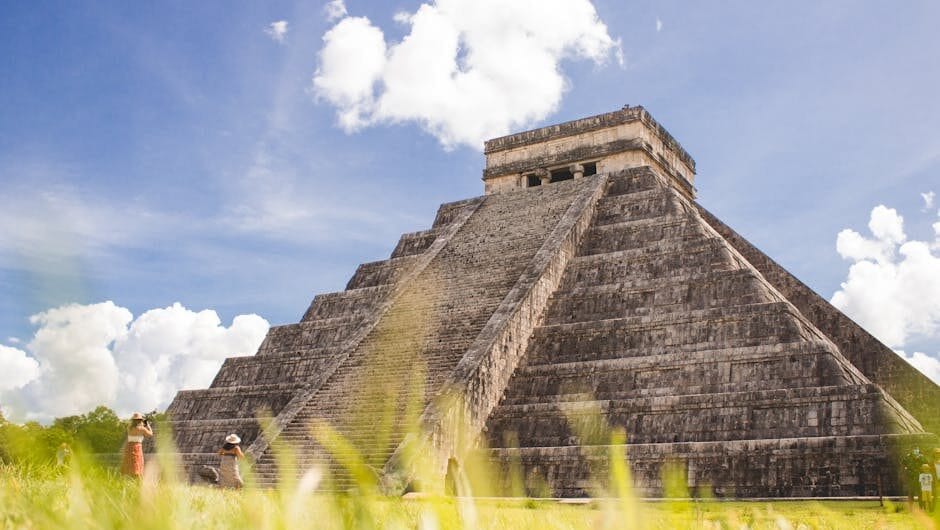
best time of year to visit mayan ruins - Explore the ancient beauty of the Pyramid of Chichén Itzá against a vibrant blue sky in Yucatán, Mexico.

The dry season, typically running from November through April, offers the most favorable weather conditions for exploring outdoor archaeological sites. During this period, rainfall is minimal, humidity levels are more manageable, and temperatures remain relatively comfortable for extended walking and climbing.

Conversely, the wet season from May through October brings heavy rainfall, increased humidity, and occasional tropical storms. While this period presents challenges, it also offers unique advantages such as lush vegetation, fewer tourists, and dramatically reduced accommodation costs.

Temperature Variations Throughout the Year

Temperature patterns vary significantly across different Mayan regions. Coastal areas like those near Tulum and Coba maintain relatively stable temperatures year-round, while highland sites such as those in Guatemala experience more pronounced seasonal variations.

During the dry season, daytime temperatures typically range from 75-85°F (24-29°C), creating ideal conditions for extensive site exploration. Morning and evening temperatures can drop to comfortable 65-70°F (18-21°C), perfect for sunrise or sunset visits to iconic locations like Chichen Itza or Tikal.

The wet season brings higher temperatures, often reaching 90-95°F (32-35°C) during peak afternoon hours, combined with oppressive humidity levels that can make outdoor activities challenging for extended periods.

Peak Tourist Season: December Through March

The period from December through March represents the peak tourist season for Mayan ruins, coinciding with the dry season and offering the most predictable weather conditions. This timeframe attracts the highest number of visitors, particularly during the winter months when travelers from colder climates seek warm weather destinations.

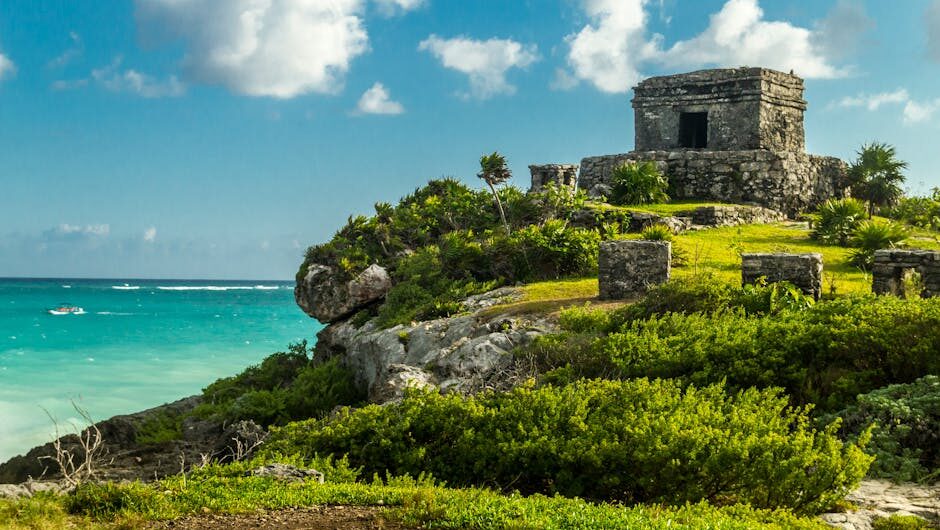
best time of year to visit mayan ruins - Explore the ancient Mayan ruins in Tulum, Mexico, set against lush greenery and a cloudy sky.

During peak season, expect significantly higher accommodation costs, crowded archaeological sites, and the need for advance reservations for tours and hotels. Popular sites like Chichen Itza can become extremely crowded, particularly during the spring equinox in March when thousands gather to witness the serpent shadow phenomenon.

However, peak season offers undeniable advantages including minimal rainfall, comfortable temperatures for outdoor exploration, optimal photography conditions with clear skies, and full availability of tours and transportation services. This period also coincides with various cultural festivals and events that enhance the overall experience.

Holiday Considerations

Christmas and New Year periods represent the absolute peak of tourist activity, with some sites experiencing overwhelming crowds. If visiting during this time, plan to arrive at major ruins very early in the morning or later in the afternoon to avoid the heaviest tourist influxes.

Spring break season in March brings additional crowds, particularly from North American college students and families, further impacting popular destinations along the Caribbean coast.

Shoulder Season Advantages: April-May and October-November

The shoulder seasons of April-May and October-November offer compelling advantages for visitors seeking a balance between favorable weather and reduced crowds. These transitional periods provide excellent opportunities to experience Mayan ruins with greater accessibility and more reasonable pricing.

best time of year to visit mayan ruins - View of the historic Temple of the Inscriptions amidst lush jungle in Palenque, Chiapas.

Late April and May mark the end of the dry season, offering relatively low rainfall with increasingly warm temperatures. This period provides excellent conditions for photography, with dramatic cloud formations and spectacular sunsets creating ideal backdrops for iconic ruins.

October and November represent the transition from wet to dry season, featuring decreasing rainfall, moderating temperatures, and significantly fewer tourists. Vegetation remains lush from the rainy season, creating beautiful natural settings around archaeological sites.

Cost Benefits of Shoulder Season Travel

Accommodation rates during shoulder seasons can be 30-50% lower than peak season prices, allowing budget-conscious travelers to experience higher-end hotels and tours. Flight costs to the region also decrease significantly, making overall trip expenses more manageable.

Tour operators often provide more personalized experiences during these periods, with smaller group sizes and greater flexibility in scheduling and customization.

Wet Season Opportunities: June Through September

While the wet season presents challenges, it also offers unique opportunities for adventurous travelers willing to embrace different conditions. Heavy rainfall transforms the landscape, creating lush tropical environments that showcase how these ancient sites would have appeared during their peak occupation periods.

best time of year to visit mayan ruins - Explore the remarkable Temple of the Frescoes in Tulum, a stunning ancient Mayan ruin in Mexico.

Rainfall typically occurs in intense afternoon or evening thunderstorms rather than continuous precipitation, leaving mornings and early afternoons often clear and suitable for exploration. Planning activities around these predictable weather patterns allows for successful site visits even during the wettest months.

The wet season offers the lowest accommodation and tour prices of the year, sometimes up to 60% below peak season rates. This dramatic cost reduction makes luxury experiences accessible to budget-conscious travelers and allows for extended stays to explore multiple sites.

Wildlife and Natural Beauty

The wet season brings incredible wildlife activity to areas surrounding Mayan ruins. Bird migration patterns peak during this period, offering exceptional opportunities for nature photography and wildlife observation at sites like Tikal National Park.

Vegetation reaches its peak lushness during and immediately after the rainy season, creating stunning natural frames for ancient structures and providing a more authentic representation of how these sites appeared during their historical occupation.

Site-Specific Timing Considerations

Different Mayan ruins present unique timing considerations based on their specific locations, accessibility, and characteristics. Coastal sites like Tulum offer year-round accessibility but face different crowd patterns than inland jungle locations like Calakmul.

Sites in Guatemala’s Petén region, including the magnificent Tikal, experience more pronounced wet seasons that can affect accessibility via unpaved roads. These locations are best visited during the dry season for optimal access and comfort.

Higher elevation sites in Guatemala and Honduras offer cooler temperatures year-round but may experience fog and reduced visibility during certain seasons. Planning visits during clear weather periods enhances the experience and photographic opportunities.

Special Events and Astronomical Alignments

Many Mayan ruins feature architectural alignments with astronomical events that create spectacular visual phenomena at specific times of the year. The spring and fall equinoxes at Chichen Itza create the famous serpent shadow effect, while winter solstice events at sites like Dzibilchaltun offer unique cultural experiences.

Planning visits around these special events requires advance preparation and booking, as they attract large crowds but provide once-in-a-lifetime experiences that connect visitors with ancient Mayan astronomical knowledge and religious practices.

Practical Preparation Tips for Any Season

Regardless of your chosen travel period, proper preparation ensures a successful and comfortable experience exploring Mayan ruins. Weather-appropriate clothing, sun protection, and hydration supplies remain essential throughout the year.

During dry season visits, focus on sun protection with wide-brimmed hats, high-SPF sunscreen, and lightweight long-sleeved clothing. Temperatures can become extremely hot during midday hours, making early morning or late afternoon visits more comfortable.

Wet season preparation requires waterproof gear, quick-dry clothing, and flexible scheduling to accommodate weather changes. Quality rain gear and waterproof camera protection become essential for successful exploration during this period.

Health and Safety Considerations

Mosquito-borne illnesses peak during wet season months, making insect repellent and protective clothing crucial for health and comfort. Consulting with travel health professionals about recommended vaccinations and preventive medications ensures safe travels regardless of season.

Staying hydrated becomes critical during any season, but particularly during hot, humid periods. Many archaeological sites have limited shade and facilities, making personal preparation essential for comfortable exploration.

Making Your Final Decision

Choosing the best time to visit Mayan ruins ultimately depends on your personal priorities, budget constraints, and travel preferences. Weather-sensitive travelers who prioritize comfort and predictability will find the dry season most appealing, while budget-conscious adventurers may prefer wet season opportunities.

Consider your photography goals, desired crowd levels, budget flexibility, and physical comfort preferences when making timing decisions. Each season offers distinct advantages that can enhance different aspects of your Mayan ruins experience.

The changing climate patterns in Central America also influence optimal visiting times, making current weather data and local guidance increasingly valuable for trip planning.

For the most comprehensive and personalized Mayan ruins experience, consider working with specialized tour operators who understand seasonal variations and can tailor itineraries to your specific timing and interests. Professional guides provide invaluable local knowledge about optimal visiting conditions and hidden gems that enhance any archaeological adventure.

Whether you choose the comfort of dry season exploration, the value of wet season adventures, or the balance of shoulder season travel, the magnificent Mayan ruins offer unforgettable experiences that connect you with one of history’s most fascinating civilizations. Plan carefully, prepare thoroughly, and embrace the unique opportunities that your chosen season provides for an archaeological journey of a lifetime.

Authentic Mayan Cultural Experiences Mexico

Mexico’s ancient Maya civilization continues to captivate travelers seeking profound cultural connections beyond typical tourist attractions. From participating in sacred ceremonies with contemporary Maya communities to exploring archaeological sites with indigenous guides, authentic Mayan cultural experiences offer transformative journeys into one of humanity’s most sophisticated civilizations. These immersive encounters provide genuine insights into Maya traditions, beliefs, and daily life that have persisted for over 4,000 years, creating meaningful connections between visitors and living Maya culture throughout the Yucatan Peninsula, Chiapas, and beyond.

Understanding Living Maya Communities and Their Cultural Heritage

Authentic Mayan cultural experiences begin with recognizing that Maya culture is not a relic of the past but a vibrant, living tradition practiced by over six million Maya people across Mexico today. These communities maintain ancient customs while adapting to modern challenges, creating rich cultural tapestries that offer visitors unprecedented learning opportunities.

authentic mayan cultural experiences mexico - Explore the ancient beauty of the Pyramid of Chichén Itzá against a vibrant blue sky in Yucatán, Mexico.

Contemporary Maya communities in regions like the Yucatan Peninsula preserve traditional practices including ceremonial rituals, agricultural techniques, artisan crafts, and spiritual beliefs. Visitors can participate in authentic experiences such as traditional cooking classes using pre-Hispanic ingredients, learning ancient weaving techniques from master artisans, and observing or participating in purification ceremonies conducted by Maya spiritual leaders.

Sacred Cenote Ceremonies and Spiritual Practices

Cenotes, sacred natural sinkholes revered by the Maya as gateways to the underworld, provide settings for authentic spiritual experiences. Contemporary Maya shamans continue performing traditional ceremonies at these sacred sites, offering visitors opportunities to participate in purification rituals, blessing ceremonies, and meditation practices that connect participants with ancient Maya cosmology.

These experiences typically include traditional offerings of copal incense, prayers in Maya languages, and guided reflections on Maya spiritual beliefs about water, nature, and the interconnectedness of all life. Participants often describe these ceremonies as profoundly moving experiences that provide deeper understanding of Maya worldview and spiritual practices.

Archaeological Sites with Indigenous Guides and Cultural Context

While millions visit famous archaeological sites like Chichen Itza and Tulum annually, authentic cultural experiences involve exploring these locations with indigenous Maya guides who provide cultural context often missing from standard tours. These specialized guides, many of whom are descendants of the original builders, offer insights into the astronomical, mathematical, and architectural achievements of their ancestors.

Lesser-known archaeological sites such as Ek Balam, Coba, and Dzibilchaltun provide more intimate settings for cultural exploration. Local Maya guides at these locations often share oral histories passed down through generations, explain the significance of specific architectural features, and demonstrate traditional construction techniques still used in their communities today.

Astronomical Knowledge and Ancient Science

Maya astronomical knowledge, which enabled accurate calendar systems and predicted celestial events, remains a source of pride and practical knowledge in many communities. Authentic experiences include stargazing sessions with Maya astronomers who explain how their ancestors tracked planetary movements, created sophisticated calendar systems, and incorporated astronomical observations into architectural designs.

These educational encounters often take place at archaeological sites where astronomical alignments are clearly visible, such as the Caracol observatory at Chichen Itza or the Venus Platform at the same site, providing tangible connections to Maya scientific achievements.

Traditional Crafts and Artisan Workshops

Maya artisan traditions represent centuries of accumulated knowledge and skill passed down through family lineages. Authentic cultural experiences include hands-on workshops with master craftspeople who teach traditional techniques for pottery making, textile weaving, stone carving, and jewelry creation using methods unchanged for generations.

authentic mayan cultural experiences mexico - Scenic view of the El Castillo pyramid at Chichén Itzá, capturing its historical grandeur.

In communities like Pisté near Chichen Itza, visitors can learn traditional embroidery techniques from Maya women who create the intricate patterns found on traditional huipil dresses. These workshops provide income for local families while preserving traditional skills and cultural knowledge. Participants not only learn practical techniques but also discover the symbolic meanings behind patterns and colors that reflect Maya cosmology and cultural values.

Traditional Medicine and Healing Practices

Maya traditional medicine, based on extensive knowledge of local plants and holistic healing approaches, continues to play important roles in many communities. Authentic experiences include guided visits to medicinal plant gardens with traditional healers who explain the properties and uses of various herbs and plants according to ancient Maya knowledge.

These educational encounters often include preparation of traditional remedies, discussions of Maya concepts of health and wellness, and explanations of how traditional medicine complements modern healthcare in contemporary Maya communities. Visitors gain appreciation for sophisticated medical knowledge developed over centuries of observation and experimentation.

Culinary Traditions and Ancient Food Ways

Maya cuisine represents one of the world’s original fusion food traditions, combining indigenous ingredients with techniques developed over millennia. Authentic culinary experiences go beyond typical restaurant meals to include participation in traditional food preparation methods, ingredient gathering, and ceremonial aspects of Maya food culture.

Traditional cooking classes in Maya communities often begin with visits to local markets where participants learn to identify indigenous ingredients like achiote, epazote, and various chili varieties. The cooking process typically includes traditional techniques such as preparing masa on volcanic stone metates, cooking in underground pits called pibes, and creating traditional beverages like atole and pozole.

Sacred Foods and Ceremonial Significance

Many Maya foods carry deep spiritual significance, and authentic experiences include learning about the ceremonial aspects of food preparation and consumption. Corn, considered sacred in Maya culture, features prominently in these experiences, with participants learning about different varieties, traditional preparation methods, and the spiritual beliefs surrounding this fundamental crop.

Cacao, another sacred food in Maya culture, provides opportunities for authentic experiences including traditional chocolate preparation ceremonies. These often involve grinding cacao beans on stone metates, preparing traditional chocolate drinks with honey and spices, and learning about cacao’s role in Maya religious and social practices.

Language Preservation and Cultural Communication

Over thirty Maya languages continue to be spoken across Mexico and Central America, representing crucial aspects of cultural identity and knowledge preservation. Authentic cultural experiences include basic language instruction with native speakers, providing visitors with tools for more meaningful cultural exchanges and deeper appreciation for Maya linguistic diversity.

authentic mayan cultural experiences mexico - Happy couple sitting near ancient Mayan pyramid in Yucatan, enjoying a sunny day outdoors.

Language learning experiences often focus on practical phrases for cultural interactions, numbers and counting systems that reveal Maya mathematical concepts, and names for plants, animals, and natural features that reflect Maya environmental knowledge. These encounters highlight the sophisticated nature of Maya languages and their importance in preserving cultural knowledge.

Sustainable Tourism and Community Support

Authentic Maya cultural experiences emphasize sustainable tourism practices that directly benefit indigenous communities while respecting cultural boundaries and traditions. The United Nations World Tourism Organization recognizes community-based tourism as essential for cultural preservation and economic development in indigenous regions.

Responsible cultural tourism involves working with established community tourism cooperatives, respecting photography restrictions and cultural protocols, and ensuring that tourism revenue supports local families and cultural preservation efforts. Many communities have developed tourism guidelines that protect sacred sites and traditions while providing authentic educational experiences for visitors.

Supporting Cultural Preservation Efforts

Authentic cultural experiences often include opportunities to support ongoing cultural preservation initiatives such as language documentation projects, traditional craft training programs, and youth education efforts. Visitors can contribute to these efforts through participation in volunteer programs, purchases of authentic crafts directly from artisans, and donations to community-managed cultural centers.

These contributions help ensure that Maya cultural traditions continue to thrive and evolve while maintaining their authentic character and significance for future generations. Many communities use tourism revenue to fund cultural education programs, maintain sacred sites, and support elderly knowledge keepers who serve as repositories of traditional knowledge.

Planning Your Authentic Maya Cultural Experience

Successful authentic Maya cultural experiences require careful planning and collaboration with knowledgeable local guides and community representatives. The Mexican Tourism Board provides resources for identifying legitimate cultural tourism operators and community-based programs that offer authentic experiences while supporting local communities.

authentic mayan cultural experiences mexico - Stunning view of the Pyramid of Kukulcán at Chichen Itza, Mexico on a sunny day.

When planning cultural experiences, consider factors such as seasonal ceremonies and festivals, weather conditions that affect outdoor activities, and community preferences for visitor scheduling. Many of the most authentic experiences require advance arrangements with community leaders and may have limited availability to maintain their intimate and respectful character.

Preparation should include basic research into Maya history and culture, learning about appropriate cultural protocols and expectations, and packing suitable clothing for participation in various activities. Comfortable walking shoes, sun protection, and modest clothing suitable for visiting sacred sites are essential for most authentic cultural experiences.

Conclusion

Authentic Maya cultural experiences in Mexico offer transformative opportunities to connect with living indigenous traditions while supporting community-based tourism that benefits local families and preserves cultural heritage. From participating in sacred ceremonies to learning traditional crafts and culinary techniques, these experiences provide genuine insights into one of the world’s most sophisticated ancient civilizations that continues to thrive today.

These meaningful cultural encounters require respectful engagement, proper planning, and collaboration with legitimate community-based tourism operators who prioritize cultural authenticity and community benefit. For travel agencies seeking to offer clients truly memorable and educational experiences, authentic Maya cultural programs provide unique value that distinguishes quality cultural tourism from superficial attractions.

Best Maya Tours specializes in facilitating these authentic cultural connections through partnerships with indigenous communities and expert local guides throughout the Riviera Maya region. Our commitment to sustainable, community-based tourism ensures that your clients experience genuine Maya culture while contributing to ongoing cultural preservation efforts. Contact Best Maya Tours today to explore how we can create customized authentic Maya cultural experiences that exceed your clients’ expectations while honoring the rich traditions of Mexico’s indigenous communities.

Unique Riviera Maya Experiences Beyond Ruins

While the Riviera Maya’s ancient Mayan ruins rightfully capture global attention, this Mexican Caribbean paradise offers an extraordinary tapestry of experiences that extend far beyond archaeological wonders. From swimming in mystical cenotes to exploring vibrant underwater worlds, the region presents countless opportunities for travelers seeking authentic adventures. Whether you’re operating a travel agency looking to diversify your offerings or simply curious about what lies beyond the well-trodden paths to Chichen Itza and Tulum, the Riviera Maya delivers unique experiences that create lasting memories and satisfy the most discerning adventurers.

Cenote Adventures: Nature’s Hidden Swimming Pools

The Yucatan Peninsula boasts over 6,000 cenotes, making it one of the world’s most remarkable underwater cave systems. These natural sinkholes, considered sacred by the ancient Maya, offer visitors the chance to swim, snorkel, and dive in crystal-clear freshwater pools surrounded by stunning rock formations.

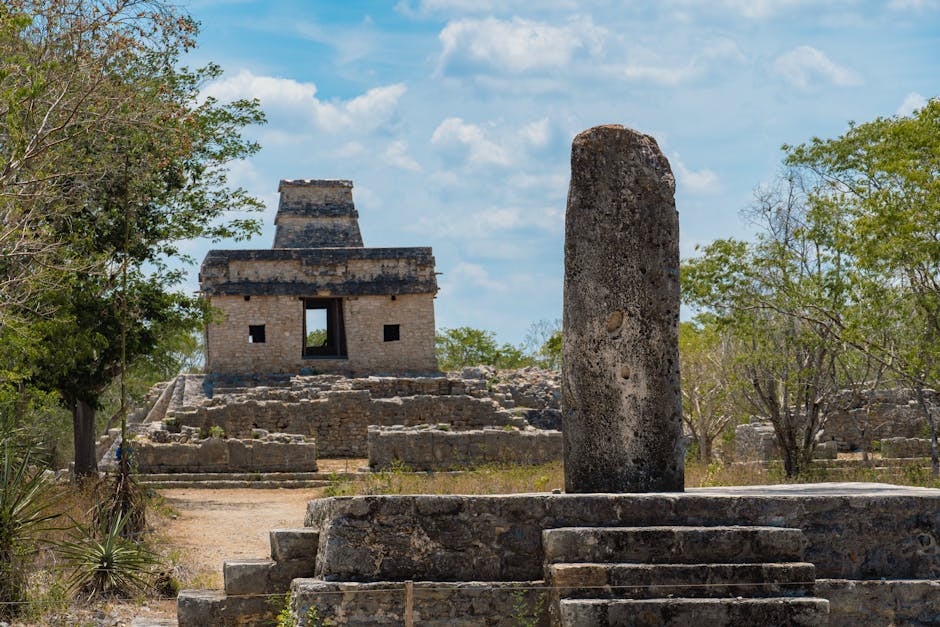
unique riviera maya experiences beyond ruins - Explore the ancient Mayan architecture of Tikal's Great Jaguar Pyramid surrounded by lush jungle.

Swimming and Snorkeling in Sacred Waters

Cenote Dos Ojos stands out as one of the most accessible and breathtaking options for beginners. The cavern’s two circular pools connected by underwater passages create an otherworldly swimming experience. Advanced snorkelers can explore the deeper sections, where ancient stalactites and stalagmites create natural cathedrals beneath the surface.

For a more secluded experience, Cenote Suytun offers dramatic lighting effects when sunbeams penetrate through the opening above, illuminating the turquoise waters below. The cenote’s central platform provides perfect photo opportunities, making it increasingly popular among social media enthusiasts and professional photographers alike.

Cave Diving for Advanced Adventurers

Experienced divers can explore the extensive underwater cave systems that connect many cenotes throughout the region. Cave diving in the Riviera Maya requires specialized certification, but rewards participants with access to some of the world’s longest underwater cave systems. The Sac Actun system, stretching over 347 kilometers, represents the longest known underwater cave system on Earth.

Marine Life Encounters and Underwater Exploration

The Mesoamerican Reef System, the second-largest coral reef in the world, runs along the Riviera Maya coastline, offering exceptional diving and snorkeling opportunities that rival any tropical destination.

unique riviera maya experiences beyond ruins - Explore the ancient stone ruins of a temple at Chichén Itzá, Mexico under a cloudy sky.

Swimming with Whale Sharks

Between June and September, the waters off Isla Mujeres and Cancun become feeding grounds for whale sharks, the world’s largest fish. These gentle giants, reaching lengths of up to 40 feet, filter-feed on plankton and small fish near the surface, allowing snorkelers to swim alongside them in their natural habitat. This experience provides an unparalleled wildlife encounter that few destinations worldwide can match.

Coral Reef Conservation Diving

The Riviera Maya offers unique opportunities to participate in coral restoration projects while enjoying world-class diving. Organizations like the Mesoamerican Reef Fund work with local operators to provide educational diving experiences where visitors can learn about coral conservation efforts while exploring vibrant reef ecosystems. These programs combine adventure with environmental stewardship, appealing to increasingly eco-conscious travelers.

Cultural Immersion Beyond Archaeological Sites

The region’s rich cultural heritage extends far beyond ancient ruins, offering visitors authentic interactions with contemporary Mayan communities and traditional Mexican culture.

unique riviera maya experiences beyond ruins - Discover the intricacy of a Mayan sculpture set in a natural cave in Mexico's lush outdoors.

Traditional Mayan Village Experiences

Several communities in the Riviera Maya region welcome visitors for authentic cultural exchanges. In villages like Pac Chen and Tres Reyes, travelers can participate in traditional cooking classes, learn ancient crafts like hammock weaving, and join in ceremonial activities led by Mayan spiritual leaders. These experiences provide genuine insights into contemporary Mayan life while supporting local community development.

Visitors can participate in temazcal ceremonies, ancient purification rituals conducted in traditional sweat lodges. These spiritual experiences, guided by Mayan shamans, combine physical cleansing with cultural education, offering participants a deeper understanding of indigenous beliefs and practices that continue to influence modern Mexican culture.

Local Artisan Workshops

The region’s artisan communities produce exceptional handicrafts using traditional techniques passed down through generations. Workshops in towns like Valladolid and Izamal allow visitors to learn pottery making, textile weaving, and wood carving directly from master craftspeople. These hands-on experiences create meaningful connections between visitors and local artists while supporting traditional craft preservation.

Adventure Sports and Outdoor Activities

The Riviera Maya’s diverse landscapes provide perfect settings for adrenaline-pumping adventures that complement more relaxed cultural and natural experiences.

unique riviera maya experiences beyond ruins - Explore the historic ancient ruins of Tulum, Mexico, showcasing Mayan architecture against a tropical backdrop.

Jungle Canopy Adventures

Zip-lining through the tropical canopy offers spectacular aerial views of the jungle while providing thrilling outdoor adventure. Several eco-parks feature extensive zip-line courses that span multiple cenotes and jungle clearings. Xplor Park, for example, combines zip-lining with underground river exploration and amphibious vehicle tours, creating comprehensive adventure experiences.

Tree-top walking tours provide a quieter alternative for observing jungle wildlife and plant life from elevated perspectives. These guided experiences focus on ecological education while offering unique vantage points for photography and bird watching.

Kiteboarding and Water Sports

The consistent trade winds and shallow waters near Playa del Carmen and Tulum create ideal conditions for kiteboarding and windsurfing. Professional sailing organizations recognize the area as one of the Western Hemisphere’s premier kiteboarding destinations. Local schools offer instruction for all skill levels, from beginners taking first lessons to advanced riders perfecting freestyle techniques.

Stand-up paddleboarding in the calm lagoons and cenotes provides a peaceful way to explore waterways while getting excellent exercise. Many operators offer sunrise and sunset tours that combine paddleboarding with wildlife observation and photography opportunities.

Culinary Journeys and Gastronomic Experiences

The Riviera Maya’s culinary scene extends far beyond resort dining, offering food enthusiasts opportunities to explore authentic Mexican and Mayan cuisine through immersive gastronomic experiences.

Traditional Cooking Classes and Market Tours

Local cooking classes begin with visits to traditional markets in Playa del Carmen or nearby towns, where participants learn to select fresh ingredients while discovering native fruits, vegetables, and spices. Professional chefs and home cooks teach traditional preparation techniques for dishes like cochinita pibil, sopa de lima, and handmade tortillas using ancient metates for grinding corn.

Chocolate-making workshops celebrate the cacao bean’s sacred significance in Mayan culture. Participants learn traditional chocolate preparation methods while discovering how ancient Mayans created ceremonial drinks that were reserved for nobility and religious ceremonies.

Tequila and Mezcal Tastings

While not locally produced, the Riviera Maya offers exceptional venues for learning about Mexico’s national spirits. Expert-led tastings explore the differences between various tequila and mezcal regions, production methods, and pairing principles. The Consejo Regulador del Tequila oversees tequila production standards, and many Riviera Maya experiences include certified education about these regulations and quality classifications.

Wellness and Spiritual Retreats

The region’s natural beauty and spiritual significance create perfect settings for wellness retreats that combine relaxation with personal growth and cultural education.

Beachfront Yoga and Meditation

Sunrise yoga sessions on pristine beaches provide transformative experiences that connect participants with the natural environment while promoting physical and mental well-being. Many retreats incorporate Mayan spiritual elements, including ceremony locations at sacred cenotes and meditation practices inspired by ancient traditions.

Sound healing sessions using traditional instruments like Mayan flutes and drums create immersive experiences that combine wellness practices with cultural education. These programs appeal to travelers seeking meaningful personal experiences beyond typical vacation activities.

Spa Treatments Using Native Ingredients

Indigenous spa treatments incorporate local ingredients like honey, cacao, and tropical fruits in traditional healing practices. Mayan clay treatments and herbal remedies provide authentic wellness experiences while supporting local communities that harvest and prepare natural ingredients using ancestral knowledge.

Planning Your Unique Riviera Maya Adventure

Successfully experiencing these diverse activities requires careful planning and local expertise. The region’s year-round tropical climate makes most activities available throughout 2026, though certain experiences like whale shark swimming have specific seasonal windows.

Working with experienced local tour operators ensures access to authentic experiences while supporting sustainable tourism practices that benefit local communities. Many activities can be combined into multi-day itineraries that balance adventure, culture, and relaxation according to individual preferences and group dynamics.

The Riviera Maya’s unique experiences beyond ruins offer travel agencies unprecedented opportunities to create distinctive itineraries that satisfy diverse client interests. From underwater adventures in ancient cenotes to spiritual ceremonies with Mayan shamans, these experiences provide the authentic, transformative travel that modern tourists increasingly seek.

Ready to discover these extraordinary experiences for yourself or your clients? Best Maya Tours specializes in creating customized adventures that showcase the Riviera Maya’s hidden treasures while ensuring sustainable, respectful interactions with local communities and environments. Contact us today to begin planning your unique Riviera Maya journey that goes far beyond the ruins.

ancient mayan civilization facts for tourists

The ancient Maya civilization stands as one of history’s most remarkable achievements, spanning over 3,000 years across present-day Mexico, Guatemala, Belize, Honduras, and El Salvador. For modern tourists exploring the Riviera Maya and beyond, understanding these fascinating ancient mayan civilization facts for tourists enhances every temple visit and archaeological site exploration. From their revolutionary calendar system to their sophisticated urban planning, the Maya left behind a legacy that continues to captivate visitors from around the world.

Whether you’re planning your first visit to Chichen Itza or seeking deeper insights into Mayan culture, this comprehensive guide reveals the essential knowledge that transforms ordinary sightseeing into an extraordinary journey through time. These ancient mayan civilization facts for tourists will help you appreciate the incredible achievements of a people who built towering pyramids, developed complex writing systems, and created astronomical calculations that rival modern precision.

Timeline and Geographic Reach of Maya Civilization

The Maya civilization flourished across three distinct periods that tourists should understand when visiting archaeological sites. The Preclassic Period (2000 BCE – 250 CE) saw the establishment of early settlements and the development of agricultural techniques. During this era, the Maya began constructing their first ceremonial centers and developing the foundation of their complex society.

ancient mayan civilization facts for tourists - A tourist admires a Mayan pyramid at Chichen Itza, a prominent archaeological site in Mexico.

The Classic Period (250 – 900 CE) represents the golden age of Maya civilization, when most of the spectacular ruins tourists visit today were built. This period witnessed the construction of iconic sites like Tikal in Guatemala and Palenque in Mexico. The Maya reached their peak in population, architectural achievement, and cultural sophistication during these centuries.

The Postclassic Period (900 – 1500 CE) began with the mysterious collapse of many southern Maya cities, though northern centers like Chichen Itza and Mayapan continued to thrive. This period extended until Spanish colonization, and contrary to popular belief, Maya communities never completely disappeared. Today, over six million Maya descendants live throughout Central America and Mexico, maintaining many traditional practices that tourists can still observe.

Geographically, the Maya territory covered approximately 120,000 square miles, encompassing diverse landscapes from tropical rainforests to highland plateaus. This vast region included over 100 major cities, each with distinct architectural styles and cultural variations that make modern Maya tours incredibly diverse experiences.

Architectural Marvels and Engineering Achievements

Maya architecture represents one of the most impressive achievements tourists encounter when exploring ancient sites. The famous step pyramids, including El Castillo at Chichen Itza, demonstrate sophisticated understanding of mathematics, astronomy, and engineering principles. These structures weren’t just religious centers but also served as calendars, with specific alignments marking solstices and equinoxes.

ancient mayan civilization facts for tourists - Explore the historical Mayan temple in Palenque, a significant archaeological site with rich cultural heritage.

The Maya developed the corbel arch, a distinctive architectural feature visible throughout their ruins. Unlike true arches, corbel arches stack stones in overlapping layers, creating doorways and passages that have survived for over a millennium. Tourists can observe this technique at sites like Uxmal and Palenque, where intricate stone work showcases Maya mastery of construction without metal tools or wheels.

Ball courts represent another fascinating architectural element that captures tourist imagination. These I-shaped structures hosted the ritualistic Maya ball game, where rubber balls were propelled through stone hoops using only hips, elbows, and knees. The Great Ball Court at Chichen Itza, measuring 545 feet long and 225 feet wide, demonstrates the importance of this sacred sport in Maya culture.

Urban Planning and Infrastructure

Maya cities featured sophisticated urban planning that modern tourists can still appreciate. Complex water management systems included reservoirs, canals, and filtration systems that supplied clean water to dense populations. At Tikal, engineers created elaborate catchment systems that collected rainwater during seasonal downpours, storing it for use during dry periods.

Raised roads called sacbeob connected Maya cities across vast distances, some extending over 60 miles. These white limestone highways, elevated above ground level, facilitated trade and communication throughout the Maya world. Tourists walking along restored sections can appreciate the engineering expertise required to construct these ancient superhighways through challenging jungle terrain.

Scientific and Mathematical Innovations

The Maya developed one of history’s most accurate calendar systems, a achievement that fascinates tourists learning about ancient civilizations. Their Long Count calendar tracked time from a mythical creation date corresponding to August 11, 3114 BCE in our calendar system. This sophisticated system could calculate dates millions of years into the future and past, demonstrating mathematical concepts that wouldn’t appear in European thinking for centuries.

ancient mayan civilization facts for tourists - Explore the majestic Temple of Kukulcán in sunny Chichén Itzá, Mexico.

Maya astronomers tracked celestial movements with remarkable precision, creating tables predicting solar and lunar eclipses, Venus cycles, and planetary movements. The Caracol observatory at Chichen Itza, with its unique circular design and strategic window openings, allowed priests to observe and record astronomical phenomena that guided agricultural and ceremonial activities.

Perhaps most significantly for mathematical history, the Maya independently developed the concept of zero as a placeholder and numerical value. This mathematical breakthrough, represented by a shell-shaped glyph, enabled complex calculations and advanced astronomical observations. Tourists visiting sites like Copan in Honduras can see hieroglyphic inscriptions demonstrating these mathematical concepts in action.

Agricultural Innovations

Maya agricultural techniques supported dense populations in challenging environments, achievements that modern tourists can observe at reconstructed sites. Raised field systems in wetland areas maximized crop production while preventing soil erosion. These techniques, visible at sites like Caracol in Belize, demonstrate sophisticated environmental management that sustained cities for centuries.

Forest gardens represented another innovation, where Maya farmers cultivated diverse crops in multi-story arrangements mimicking natural forest structures. This sustainable approach produced food while maintaining forest cover, a practice tourists can see demonstrated at eco-archaeological sites throughout the Maya region.

Religious Beliefs and Ceremonial Practices

Maya religion centered on maintaining cosmic balance through elaborate ceremonies that tourists can understand by visiting temple complexes. The Maya believed in a layered universe with thirteen levels of heaven, earth in the middle, and nine levels of underworld called Xibalba. This cosmological structure influenced temple architecture, with many pyramids containing nine levels representing the underworld journey.

ancient mayan civilization facts for tourists - Explore the ancient Edzná Mayan ruins in Campeche, Mexico, showcasing classic pyramid architecture.

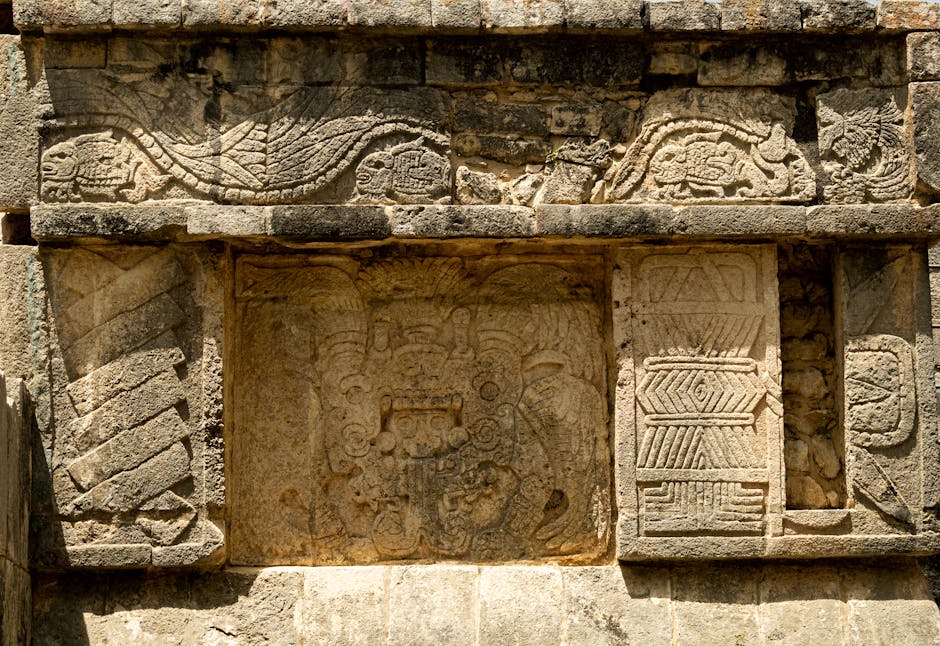
Bloodletting ceremonies formed crucial religious practices where rulers pierced themselves with stingray spines and obsidian blades to communicate with gods. Stone reliefs at Yaxchilan and other sites depict these rituals, showing queens drawing thorned ropes through their tongues while kings pierced their genitals. These dramatic sculptures provide tourists with insights into Maya concepts of sacrifice and divine communication.

The feathered serpent deity Kukulkan (known as Quetzalcoatl in central Mexico) played central roles in Maya religion. The famous serpent shadow that descends El Castillo at Chichen Itza during equinoxes demonstrates how Maya architects incorporated religious symbolism into monumental architecture, creating spectacular displays that continue to amaze tourists today.

Burial Practices and Afterlife Beliefs

Maya burial practices reveal complex beliefs about death and afterlife that tourists discover in museum exhibitions and archaeological sites. Elite individuals received elaborate tomb burials with jade jewelry, ceramic vessels, and precious artifacts needed for their afterlife journey. The famous tomb of Pacal the Great at Palenque, discovered in 1952, contained over 1,100 pieces of jade and provides tourists with remarkable insights into Maya concepts of death and rebirth.

Common people received simpler burials, often under house floors, maintaining family connections between living and dead. This practice explains why many Maya sites show evidence of continuous occupation, as families remained connected to ancestral locations across generations.

Art, Writing, and Cultural Expression

Maya hieroglyphic writing represents the most sophisticated writing system developed in pre-Columbian Americas, a achievement that continues fascinating tourists and scholars. This complex system combined logographic and syllabic elements, capable of recording spoken Maya language with remarkable precision. Tourists visiting sites like Pakal’s tomb at Palenque can observe extensive hieroglyphic inscriptions recounting royal histories, mythological events, and astronomical observations.

Maya artisans excelled in multiple mediums, creating masterpieces in stone, jade, obsidian, and ceramics that tourists admire in museums worldwide. Polychrome ceramics from the Classic Period showcase sophisticated artistic techniques and provide insights into Maya daily life, mythology, and court culture. The famous Maya blue pigment, made from indigo and palygorskite clay, demonstrates advanced chemical knowledge that produced colors still vibrant after 1,500 years.

Textile production represented another area of Maya excellence, though few examples survive in the tropical climate. Modern Maya communities continue traditional weaving techniques that tourists can observe and purchase, maintaining cultural connections spanning millennia. These textiles often incorporate ancient symbols and patterns that link contemporary Maya culture with their ancestral heritage.

Daily Life and Social Structure

Maya society operated through complex hierarchical structures that tourists can understand by examining different architectural zones within ancient cities. At the top, divine rulers called k’uhul ajaw (“divine lords”) governed city-states from elaborate palace complexes. These rulers combined political and religious authority, serving as intermediaries between human and divine realms.

Noble families occupied positions below royalty, serving as administrators, military leaders, and high priests. Their residences, typically located near ceremonial centers, featured stone architecture and elaborate decorations that distinguished them from common housing. Tourists can observe these social distinctions by examining different residential areas at sites like Caracol or Calakmul.

Common Maya people lived in perishable houses built from wood, thatch, and adobe, though stone foundations often remain visible to tourists. These families engaged in farming, crafts, and trade, supporting the complex urban societies through tribute and labor obligations. Markets played crucial roles in Maya cities, and tourists can visit restored market areas at sites like Coba to understand ancient economic systems.

Trade and Economy

Maya trade networks extended across Mesoamerica, connecting Pacific and Atlantic coasts through complex commercial relationships. Cacao beans served as standardized currency, while luxury goods like jade, obsidian, and quetzal feathers traveled hundreds of miles between Maya cities and foreign territories. Tourists visiting coastal sites like Tulum can appreciate its strategic location controlling maritime trade routes along the Caribbean coast.

Specialized craft production supported these trade networks, with different cities developing expertise in particular goods. Obsidian tools from highland Guatemala, salt from coastal areas, and jade from the Motagua Valley created interdependent relationships that sustained Maya civilization for centuries.

Planning Your Maya Archaeological Experience

Modern tourists have unprecedented access to Maya sites throughout Mexico, Guatemala, Belize, and Honduras, though planning requires consideration of climate, accessibility, and local conditions. The dry season (November through April) provides optimal weather for archaeological site visits, with less humidity and reduced rainfall making exploration more comfortable.

Major sites like Chichen Itza and Tulum offer excellent tourist infrastructure, including visitor centers, guided tours, and educational programs that bring ancient Maya civilization to life. However, more remote sites like Calakmul or El Mirador provide authentic experiences with fewer crowds, though requiring more adventurous travel arrangements.

Hiring knowledgeable local guides enhances the tourist experience significantly, as expert interpretation reveals details and contexts invisible to casual observation. Many guides descend from Maya communities and provide cultural perspectives that connect ancient history with contemporary Maya life. The National Institute of Anthropology and History in Mexico maintains excellent resources for tourists planning archaeological site visits.

Sustainable tourism practices help preserve these irreplaceable cultural resources for future generations. Tourists should follow all site regulations, avoid touching ancient structures, and respect local Maya communities who often serve as guardians of their ancestral heritage.

Understanding these ancient mayan civilization facts for tourists transforms simple sightseeing into meaningful cultural experiences that connect modern visitors with one of history’s most remarkable civilizations. Whether marveling at Chichen Itza’s astronomical precision or exploring remote jungle temples, tourists equipped with knowledge of Maya achievements gain deeper appreciation for this enduring legacy.

Best Maya Tours specializes in creating authentic connections between tourists and Maya heritage, offering expertly guided experiences that reveal the profound achievements of this ancient civilization. Our knowledgeable guides and commitment to sustainable tourism ensure every visitor gains meaningful insights into Maya culture while supporting local communities. Contact us through National Geographic’s comprehensive Maya site guide or visit bestmayatours.com to book your transformative Maya archaeological adventure today.

destination wedding packages riviera maya with mayan tour

Picture saying “I do” against the backdrop of ancient Mayan ruins, pristine Caribbean beaches, and lush tropical landscapes. Destination wedding packages Riviera Maya with Mayan tour offerings have become the ultimate choice for couples seeking a wedding experience that transcends ordinary celebrations. This stunning Mexican Caribbean coastline offers the perfect blend of luxury accommodations, rich cultural heritage, and unforgettable adventures that transform your wedding into a multi-day cultural immersion for you and your guests.

Riviera Maya’s unique positioning as both a world-class wedding destination and the gateway to ancient Mayan civilization makes it an unparalleled choice for couples who want their special day to include meaningful cultural experiences. The region’s wedding venues range from beachfront resorts to jungle settings near archaeological sites, while professional tour operators like Best Maya Tours ensure your guests experience the area’s rich history through expertly guided excursions to iconic sites like Chichen Itza, Tulum, and Coba.

Understanding Riviera Maya Wedding Package Components

Modern destination wedding packages in Riviera Maya have evolved far beyond basic ceremony and reception arrangements. Today’s comprehensive packages typically include accommodation blocks for guests, multiple ceremony location options, reception venues, catering services, photography, entertainment, and increasingly, cultural tour components that showcase the region’s Mayan heritage.

destination wedding packages riviera maya with mayan tour - Explore a luxury tropical resort in Playa del Carmen with stunning views of the beach and swimming pool.

The inclusion of Mayan tours in wedding packages addresses couples’ desires to offer guests more than just a traditional celebration. These packages often feature guided visits to nearby archaeological sites, cenote swimming experiences, traditional Mayan blessing ceremonies, and cultural performances that provide context about the ancient civilization that once thrived in this region.

Wedding venues across Riviera Maya have partnered with reputable tour operators to create seamless experiences where ceremony logistics and cultural excursions complement each other perfectly. This integration ensures that your wedding celebration becomes an educational and adventurous journey for everyone involved.

Resort-Based Package Benefits

All-inclusive resorts dominate the Riviera Maya wedding landscape, offering packages that simplify planning while maximizing guest experiences. These packages typically include unlimited food and beverages, multiple restaurant options, spa services, water sports, and entertainment. When combined with Mayan tour components, guests can enjoy both resort amenities and off-site cultural adventures.

Resort wedding coordinators work closely with tour operators to schedule group excursions that don’t conflict with wedding events. This coordination ensures optimal timing for rehearsal dinners, ceremony preparations, and post-wedding celebrations while allowing guests to explore ancient ruins and natural wonders.

Essential Mayan Tour Experiences for Wedding Guests

The archaeological wealth of the Yucatan Peninsula provides numerous tour options that can be incorporated into wedding packages. Chichen Itza, one of the New Seven Wonders of the World, remains the most popular destination for wedding groups, offering guided tours that reveal the astronomical knowledge and architectural prowess of ancient Maya civilization.

destination wedding packages riviera maya with mayan tour - Explore the ancient Edzná Mayan ruins in Campeche, Mexico, showcasing classic pyramid architecture.

Tulum represents another essential experience, where clifftop ruins overlook the Caribbean Sea, creating dramatic photo opportunities and historical insights. The proximity of Tulum to most Riviera Maya resorts makes it an ideal half-day excursion that leaves time for wedding preparations or resort relaxation.

Cenote tours add adventure and natural beauty to wedding packages, allowing guests to swim in crystal-clear underground pools that were sacred to the ancient Maya. Popular cenotes like Dos Ojos, Gran Cenote, and Cenote Azul offer various experience levels, from simple swimming to more adventurous snorkeling and cave exploration.

Cultural Immersion Opportunities

Beyond archaeological sites, Mayan tour components can include visits to contemporary Maya communities where guests learn about traditional crafts, cooking techniques, and agricultural practices that continue today. These experiences often feature demonstrations of traditional weaving, chocolate making from cacao beans, and explanations of the Maya calendar system.

Some wedding packages incorporate Mayan spiritual elements, including traditional blessing ceremonies performed by Maya spiritual leaders. These ceremonies can complement or precede Christian or secular wedding ceremonies, adding cultural depth and meaning to the celebration.

Planning Timeline and Logistics for Combined Packages

Successful destination wedding packages with Mayan tour components require careful timing coordination, typically spanning three to five days to accommodate all desired experiences. Most couples arrive two to three days before their wedding to handle final preparations and enjoy some tours themselves, while guests often arrive one to two days prior.

destination wedding packages riviera maya with mayan tour - Aerial shot of a tropical residential area in Playa del Carmen, Mexico, showcasing lush greenery and modern architecture.

The optimal schedule usually places major archaeological tours on arrival days when guests are excited to explore, saves the wedding day for ceremony and celebration, and schedules lighter activities like cenote visits or beach time for the day after the wedding when guests want to relax before departing.

Group size considerations become crucial when incorporating tours into wedding packages. Most archaeological sites have capacity limitations, and tour vehicles have size restrictions. Wedding planners work with tour operators to arrange multiple smaller groups or private transportation for larger wedding parties.

Weather and Seasonal Considerations

Riviera Maya’s tropical climate affects both wedding planning and tour scheduling throughout the year. The dry season from December through April offers the most predictable weather for outdoor ceremonies and archaeological site visits, though this period also brings peak pricing and larger crowds at tourist sites.

The rainy season from May through October doesn’t preclude either weddings or tours but requires more flexible scheduling and indoor backup options. Many couples find that shoulder seasons offer the best balance of weather reliability, pricing, and availability for both venues and tour operators.

Customizing Tour Components for Different Guest Demographics

Wedding guest lists typically include people with varying interests, physical abilities, and adventure tolerance levels. Successful packages offer multiple tour options that cater to different preferences while maintaining group cohesion around the wedding celebration.

destination wedding packages riviera maya with mayan tour - Majestic view of the ancient Mayan pyramid at Chichen Itza under a clear sky.

Adventure-oriented guests might prefer full-day excursions to multiple archaeological sites combined with cenote swimming and jungle zip-lining. Cultural enthusiasts often gravitate toward guided tours that emphasize historical context, astronomical alignments, and architectural significance of Mayan ruins.

Families with children benefit from shorter, more interactive tour options that include hands-on activities like pottery making or traditional games. Elderly guests or those with mobility concerns appreciate tours with minimal walking requirements and comfortable transportation options.

Photography Integration

Many couples extend their wedding photography coverage to include engagement or couple portrait sessions at archaeological sites. Professional photographers familiar with site lighting conditions and crowd patterns can capture stunning images that complement traditional wedding photography.

Group photos at iconic locations like the Kukulcan Pyramid at Chichen Itza or the clifftop ruins of Tulum create lasting memories for wedding guests while showcasing the unique cultural elements that made this destination wedding special.

Budget Considerations and Value Optimization

Destination wedding packages with Mayan tour components typically range from moderate to luxury pricing depending on accommodation level, group size, and tour comprehensiveness. According to Forbes, destination weddings can be more cost-effective than traditional home weddings when considering per-guest costs, especially when tour components replace other entertainment expenses.

Group booking advantages become significant for both accommodation and tour components. Many resorts offer complimentary wedding packages when a minimum number of rooms are booked, while tour operators provide group discounts that can substantially reduce per-person costs for archaeological site visits and transportation.

Value optimization strategies include booking during shoulder seasons, choosing all-inclusive resorts that bundle many services, and selecting tour operators who specialize in wedding groups and understand the unique scheduling requirements of celebration logistics.

Hidden Cost Awareness

Couples should budget for additional expenses that commonly arise with destination weddings including extended photography coverage for tours, gratuities for guides and drivers, travel insurance for the group, and potential weather-related backup arrangements.

Some archaeological sites charge additional fees for professional photography equipment, and certain cenotes require separate entrance fees beyond tour costs. Working with experienced wedding planners and tour operators helps identify these potential additional costs during the planning phase.

Working with Specialized Tour Operators

The success of combined wedding and tour packages often depends on the expertise and reliability of chosen tour operators. Mexico’s official tourism board provides resources for identifying certified tour operators who meet safety and service standards essential for wedding groups.

Best Maya Tours exemplifies the type of specialized operator that understands both the cultural significance of archaeological sites and the unique requirements of wedding celebrations. Their expertise in sustainable tourism practices ensures that large wedding groups can enjoy Mayan sites while respecting preservation efforts and local communities.

Professional tour operators provide bilingual guides who can accommodate international wedding guests, maintain flexible scheduling that adapts to wedding timeline changes, and offer private or semi-private options that maintain the intimacy of celebration groups while exploring cultural sites.

Quality Assurance and Safety Standards

Wedding groups require higher service standards than typical tourist groups, including reliable transportation, knowledgeable guides, and contingency planning for various scenarios. Reputable operators maintain comprehensive insurance coverage, certified vehicles, and experienced guides who can manage group dynamics while providing educational content.

Safety considerations become paramount when wedding parties include guests of all ages and physical conditions. Quality tour operators assess group capabilities, provide appropriate safety equipment for activities like cenote swimming, and maintain first aid certification among their staff.

Creating Lasting Memories Through Cultural Integration

The most successful destination wedding packages with Mayan tour components create narratives that weave together celebration and cultural discovery. Couples often incorporate Mayan elements into their ceremony design, reception decor, or wedding favors that reflect the archaeological sites and cultural experiences their guests enjoyed.

Many couples commission custom artwork or jewelry featuring Mayan motifs discovered during tours, creating wedding elements that tell the story of their chosen destination. Reception centerpieces might feature reproductions of artifacts seen at archaeological sites, while menu selections can highlight traditional Maya ingredients and preparation methods.

Guest books sometimes include pages for tour reflections alongside wedding wishes, creating comprehensive documentation of the entire destination wedding experience. These integrated approaches ensure that Mayan tour components enhance rather than compete with wedding memories.

Destination wedding packages in Riviera Maya with Mayan tour integration offer couples and their guests an extraordinary celebration that combines romance, adventure, and cultural education. The region’s unique blend of luxury amenities, archaeological wonders, and natural beauty creates wedding experiences that guests discuss for years afterward.

Success requires careful coordination between wedding planners, venue coordinators, and specialized tour operators who understand both celebration logistics and cultural site management. When executed properly, these packages provide exceptional value by combining multiple vacation elements into one comprehensive experience.

For couples considering this approach, partnering with experienced operators like Best Maya Tours ensures that both wedding dreams and cultural exploration goals are fulfilled through expertly planned and executed experiences that honor both your special day and the remarkable civilization that created this magical setting.

private tours riviera maya for families with kids

Planning a family vacation to Mexico’s stunning Riviera Maya requires thoughtful consideration, especially when traveling with children. Private tours offer the perfect solution for families seeking personalized experiences that cater to different age groups while maintaining flexibility and comfort. Unlike crowded group excursions, private tours riviera maya for families with kids provide customized itineraries, dedicated guides, and the freedom to explore at your own pace. From ancient Mayan ruins to underwater adventures, cenote swimming, and wildlife encounters, the Riviera Maya offers countless opportunities for educational and entertaining family experiences that create lasting memories.

Why Choose Private Tours for Family Travel in Riviera Maya

Private tours transform family travel from potentially stressful group dynamics into seamless, enjoyable adventures. When exploring the Riviera Maya with children, private tours offer several distinct advantages that make them worth the investment.

private tours riviera maya for families with kids - A captivating sunset over the tranquil waters of Playa del Carmen, Mexico, with soft clouds illuminating the skies.

The primary benefit lies in customization. Private guides adapt activities based on your children’s ages, interests, and energy levels. If your toddler needs a nap or your teenager wants to spend extra time photographing ruins, private tours accommodate these needs without impacting other travelers. This flexibility proves invaluable when managing different schedules and temperaments within your family group.

Safety considerations become paramount when traveling with children in unfamiliar destinations. Private tours provide enhanced security through vetted, professional guides who understand local conditions and can navigate potential hazards. Your guide maintains constant awareness of your family’s whereabouts while sharing important safety information about swimming in cenotes, climbing ruins, or interacting with wildlife.

Educational value increases significantly with private guides who tailor their storytelling to captivate young minds. Instead of dry historical recitations, skilled guides use interactive storytelling, games, and age-appropriate analogies to bring ancient Mayan civilization to life. Children retain more information and develop genuine interest in cultural heritage through these personalized approaches.

Top Family-Friendly Destinations and Activities

The Riviera Maya offers diverse attractions perfect for private family tours, each providing unique educational and entertainment value for children and adults alike.

private tours riviera maya for families with kids - Scenic view of Tulum beach with palm trees and turquoise sea under clear skies.

Chichen Itza and Ancient Mayan Ruins

Chichen Itza, one of the New Seven Wonders of the World, captivates families with its massive pyramids and fascinating history. Private tours allow families to explore at comfortable paces while guides share engaging stories about Mayan astronomy, mathematics, and daily life that resonate with curious children.

The iconic El Castillo pyramid serves as an excellent starting point for discussions about ancient engineering and architectural achievements. Children often become amazed learning about the pyramid’s acoustic properties and the shadow serpent that appears during equinoxes. Private guides can position families for optimal photos while ensuring safety around these ancient structures.

Tulum presents another excellent option for families seeking ruins with stunning coastal views. The clifftop location provides dramatic backdrops for photos while offering easier navigation for families with strollers or mobility concerns. The beach below Tulum’s ruins allows children to burn energy while parents appreciate the historical significance of this ancient port city.

Cenote Swimming and Snorkeling Adventures

Cenotes represent some of the Riviera Maya’s most magical natural attractions, offering crystal-clear swimming opportunities in underground cave systems. These natural sinkholes provide safe, controlled environments for introducing children to snorkeling and underwater exploration.

Cenote Dos Ojos stands out as particularly family-friendly, with shallow areas perfect for younger children and deeper sections for confident swimmers. The clear water visibility allows families to observe fish, rock formations, and stalactites without advanced diving skills. Private tours ensure proper safety equipment and guidance for children’s first snorkeling experiences.

Gran Cenote offers another excellent option with its turtle population and easy entry points. Children delight in spotting freshwater turtles while learning about cenote ecosystems and their importance to Mayan culture. The underwater formations create natural playgrounds where families can explore safely under professional supervision.

Wildlife Encounters and Eco-Parks

Xcaret and Xel-Há eco-parks provide comprehensive family experiences combining cultural shows, wildlife encounters, and water activities. Private tours can include transportation and skip regular admission lines while providing insider knowledge about optimal timing for different attractions.

The Sian Ka’an Biosphere Reserve offers incredible wildlife viewing opportunities through private boat tours. Families can spot manatees, crocodiles, and numerous bird species while learning about conservation efforts. These experiences foster environmental awareness while providing exciting wildlife encounters that children remember for years.

Age-Appropriate Tour Planning and Safety Considerations

Successfully planning private tours riviera maya for families with kids requires careful consideration of age-appropriate activities and comprehensive safety measures.

private tours riviera maya for families with kids - A breathtaking aerial shot of a lush golf course surrounded by dense forest in Playa del Carmen, Mexico.

Toddlers and Preschoolers (Ages 2-5)

Young children require shorter tour durations, frequent breaks, and engaging visual activities. Private tours should incorporate interactive elements like treasure hunts at ruins, easy cenote swimming with flotation devices, and wildlife spotting games. Tours lasting 2-3 hours work best for this age group, with built-in snack and rest periods.

Safety equipment becomes crucial, including life jackets for cenote visits, sun protection gear, and first aid supplies. Private guides experienced with young children understand the importance of constant supervision and can recommend age-appropriate activities while avoiding potentially dangerous situations.

School-Age Children (Ages 6-12)

Elementary school children benefit from educational challenges and physical activities that channel their energy productively. Private tours can include more complex historical explanations, longer hiking distances, and introductory snorkeling lessons. This age group often shows genuine interest in Mayan mathematics, astronomy, and architectural achievements when presented engagingly.

Archaeological sites become living classrooms where children can touch certain stones, climb designated structures, and participate in hands-on learning activities. Private guides can incorporate educational games and competitions that make learning fun while respecting historical sites.

Teenagers (Ages 13+)

Adolescents appreciate more challenging activities and independence within safe parameters. Private tours can include advanced snorkeling, longer hiking expeditions, and deeper cultural discussions about Mayan civilization and modern Mexican society. Photography challenges and social media opportunities often engage this age group effectively.

Teen-friendly activities might include rappelling into cenotes, extended archaeological site exploration, and cultural interaction opportunities with local artisans. Private guides can adapt their approach to respect teenage interests while maintaining educational value.

Best Times and Seasonal Considerations for Family Tours

Timing plays a crucial role in ensuring comfortable and enjoyable private tours riviera maya for families with kids. Understanding seasonal patterns helps families optimize their experiences while avoiding challenging weather conditions.

private tours riviera maya for families with kids - Serene tropical resort in Playa del Carmen, Mexico with lush palm trees and vibrant reflections in a tranquil lake.

The dry season from December through April offers the most comfortable touring conditions, with lower humidity, minimal rainfall, and pleasant temperatures. However, this period also attracts larger crowds and higher prices. Private tours become especially valuable during peak season, providing access to popular sites without dealing with massive tour groups.

The shoulder seasons of May and November present excellent opportunities for families seeking more affordable options with decent weather conditions. Temperatures remain manageable while crowds thin out significantly. Private tours during these periods often include better pricing and more personalized attention from guides.

Morning tours generally work best for families with children, starting around 8:00 AM to avoid peak heat and afternoon thunderstorms during rainy season. Early departures also mean less crowded attractions and better wildlife viewing opportunities, as many animals remain active during cooler morning hours.

According to the National Weather Service, understanding heat index calculations becomes important when planning outdoor activities with children in tropical climates. Private guides monitor weather conditions and can adjust itineraries accordingly to ensure family safety and comfort.

Choosing the Right Tour Operator and Guide Qualifications

Selecting qualified tour operators and guides significantly impacts the success of private tours riviera maya for families with kids. Several key factors should influence your decision-making process.

Guide certifications and language skills top the priority list. Look for operators employing certified guides with official tourism credentials from Mexican authorities. These certifications ensure guides possess comprehensive knowledge about local history, safety protocols, and emergency procedures. Bilingual guides who speak fluent English help eliminate communication barriers that could impact safety or enjoyment.

Experience working specifically with families and children distinguishes exceptional guides from standard tour operators. Family-oriented guides understand child psychology, possess patience for frequent questions, and know how to maintain engagement throughout extended tours. They carry appropriate safety equipment, maintain first aid certifications, and understand how to handle common childhood emergencies.

Insurance coverage and liability protection provide essential peace of mind for family travelers. Reputable operators maintain comprehensive insurance policies covering transportation, activities, and guide services. Verify coverage details and understand what protections exist in case of accidents or medical emergencies.

Reviews and recommendations from other families offer valuable insights into operator reliability and guide quality. Look for specific feedback about experiences with children, safety measures, and educational value. Social media platforms and travel review sites provide authentic feedback from recent family travelers.

The Mexican Ministry of Tourism provides official information about licensed tour operators and safety standards that help families make informed decisions about tour providers.

What to Pack and Prepare for Family Tours

Proper preparation enhances safety and comfort during private tours riviera maya for families with kids. Creating comprehensive packing lists ensures nothing important gets forgotten.

Sun protection items rank highest in importance. Pack high-SPF sunscreen specifically designed for sensitive skin, wide-brimmed hats for each family member, UV-protective clothing, and quality sunglasses. Reapply sunscreen frequently, especially after swimming or sweating during active tours.

Water shoes or aqua socks provide essential foot protection when entering cenotes, walking on rocky beaches, or exploring archaeological sites with uneven surfaces. These lightweight shoes dry quickly and prevent cuts from sharp rocks or coral.

Swimwear and quick-dry clothing allow families to transition between land and water activities comfortably. Pack extra changes of clothes for children, as they often get wetter or dirtier than adults during tours. Lightweight, breathable fabrics work best in humid tropical conditions.

Snacks and hydration supplies help maintain energy levels throughout extended tours. Pack healthy snacks like granola bars, dried fruits, and crackers that won’t spoil in heat. Bring refillable water bottles for each family member and ask guides about safe refilling opportunities.

Entertainment items for travel time between destinations keep children occupied during transportation. Books, tablets with downloaded content, travel games, and coloring supplies work well. Remember that some remote areas may lack internet connectivity for streaming content.

Making the Most of Your Private Tour Experience

Maximizing the value and enjoyment of private tours riviera maya for families with kids requires active participation and smart planning strategies.

Communication with guides before and during tours ensures expectations align with reality. Discuss your children’s interests, physical capabilities, and any special needs or concerns. Share information about food allergies, medical conditions, or behavioral considerations that might affect tour planning.

Encourage children to prepare questions about Mayan culture, local wildlife, or historical sites before tours begin. Engaged children who participate actively in learning experiences retain more information and enjoy tours more thoroughly. Consider researching basic Mayan history or cenote formation together before your trip.

Documentation and photography create lasting memories of family adventures. Designate older children as family photographers or historians responsible for capturing special moments. Many private guides offer professional photography services or can recommend optimal photo locations throughout tours.

Flexibility remains key to successful family tours. Accept that plans may change based on weather, energy levels, or unexpected discoveries. Private tours excel precisely because they can adapt to your family’s needs in real-time, so embrace spontaneous modifications when they enhance your experience.

Cultural respect and environmental consciousness should be emphasized throughout tours. Teach children about Leave No Trace principles, proper behavior at archaeological sites, and respectful interaction with local communities. These lessons extend far beyond vacation experiences and help develop responsible global citizens.

Private tours riviera maya for families with kids offer unparalleled opportunities to explore Mexico’s cultural treasures while creating unforgettable family memories. With proper planning, qualified guides, and age-appropriate activities, these personalized experiences provide educational value, safety, and flexibility that standard group tours cannot match. Best Maya Tours specializes in creating these magical family experiences, combining expert local knowledge with genuine care for family travelers. Book your customized family adventure today and discover why private tours transform good vacations into extraordinary journeys that inspire and educate the next generation about our world’s incredible cultural heritage.

Travel agencies across the USA are discovering the goldmine that Rivera Maya tour packages represent for their business growth and client satisfaction. This tropical paradise on Mexico’s Caribbean coast offers an unparalleled combination of ancient Mayan ruins, pristine beaches, eco-adventures, and luxury resorts that appeal to every traveler demographic. For travel agencies seeking to expand their offerings and increase revenue streams, partnering with specialized Rivera Maya tour operators has become a strategic necessity rather than just an option.

The Rivera Maya region extends from Cancun to Tulum, encompassing some of Mexico’s most sought-after destinations including Playa del Carmen, Cozumel, and Akumal. This 75-mile stretch of coastline attracts over 15 million visitors annually, making it one of the world’s premier tourist destinations. For travel agencies, this presents an enormous opportunity to tap into a market that shows consistent growth year over year, with travelers increasingly seeking authentic cultural experiences combined with tropical luxury.

Understanding the Rivera Maya Tour Package Market Landscape

The Rivera Maya tour package market has evolved significantly in 2026, with travelers demanding more personalized and authentic experiences. The Riviera Maya region has responded by offering diverse tour packages that cater to different interests and budgets, from luxury archaeological expeditions to eco-friendly cenote adventures.

rivera maya tour packages for travel agencies - Image related to rivera maya tour packages for travel agencies

Travel agencies need to understand that modern Rivera Maya tour packages go far beyond traditional beach vacations. Today’s packages often include:

  • Private archaeological tours to Chichen Itza, Tulum, and Coba
  • Cenote swimming and snorkeling experiences
  • Traditional Mayan village visits and cultural immersion programs
  • Eco-parks featuring zip-lining, underground rivers, and wildlife encounters
  • Culinary tours showcasing authentic Mexican and Mayan cuisine
  • Luxury spa treatments incorporating ancient Mayan healing traditions
  • Deep-sea fishing and water sports activities

The key to success lies in understanding your client demographics and matching them with appropriate tour packages. Millennials and Gen Z travelers prioritize authentic experiences and sustainability, while baby boomers often prefer luxury and comfort. Families require child-friendly activities, while honeymooners seek romantic and exclusive experiences.

Selecting the Right Tour Package Partners in Rivera Maya

Choosing the right tour operator partner is crucial for travel agencies looking to offer Rivera Maya packages. The selection process should focus on several critical factors that directly impact client satisfaction and agency reputation.

rivera maya tour packages for travel agencies - A collection of vintage maps scattered for exploring world journeys and discoveries.

Evaluating Tour Operator Credentials and Expertise

Professional tour operators in Rivera Maya should possess proper licensing from Mexican tourism authorities and maintain excellent safety records. Look for operators who employ certified guides, particularly those with archaeological and cultural expertise. The best partners offer multilingual services and have established relationships with local communities, ensuring authentic experiences while supporting sustainable tourism practices.

Established operators like Best Maya Tours demonstrate their commitment through specialized knowledge of Mayan history and culture, sustainable tourism practices, and comprehensive insurance coverage. They should provide detailed itineraries, transparent pricing, and flexible booking policies that accommodate travel agency needs.

Assessing Package Variety and Customization Options

Top-tier tour operators offer diverse package options ranging from half-day excursions to multi-day immersive experiences. They should provide customization capabilities to meet specific client requirements, whether for corporate groups, family reunions, or special interest tours. The ability to combine different activities into cohesive packages allows travel agencies to create unique offerings that differentiate them from competitors.

Look for partners who can seamlessly integrate various elements such as transportation, meals, accommodation upgrades, and special access to exclusive sites. This flexibility enables travel agencies to create premium packages that command higher margins while delivering exceptional value to clients.

Maximizing Revenue Through Strategic Package Positioning

Travel agencies can significantly increase their Rivera Maya tour package revenue through strategic positioning and upselling techniques. Understanding the profit potential of different package types enables agencies to focus their marketing efforts on the most lucrative offerings.

rivera maya tour packages for travel agencies - A mother and daughter pack a suitcase for a summer vacation, creating joyful memories.

Premium Archaeological and Cultural Experiences

Archaeological tours consistently generate the highest profit margins due to their educational value and unique access to UNESCO World Heritage sites. Chichen Itza, recognized as a UNESCO World Heritage Site, remains the most requested destination, but agencies can increase revenue by promoting lesser-known but equally impressive sites like Ek Balam and Calakmul.

Private archaeological tours command premium pricing, especially when combined with exclusive experiences such as sunrise visits, archaeological expert guides, or access to restricted areas. These packages appeal to educated travelers willing to pay more for authentic, in-depth experiences.

Eco-Adventure and Cenote Exploration Packages

The Rivera Maya region boasts over 6,000 cenotes, creating unlimited opportunities for unique eco-adventure packages. These natural swimming holes offer incredible snorkeling and diving experiences that appeal to adventure seekers and nature lovers. Combining cenote visits with jungle zip-lining, cave exploration, and wildlife observation creates comprehensive eco-packages that justify premium pricing.

Sustainability-focused packages resonate strongly with environmentally conscious travelers, allowing agencies to position these offerings as responsible tourism options while maintaining healthy profit margins.

Marketing Rivera Maya Tour Packages to Different Client Segments

Successful travel agencies understand that different client segments require tailored marketing approaches for Rivera Maya tour packages. Developing targeted marketing strategies for each segment maximizes conversion rates and client satisfaction.

rivera maya tour packages for travel agencies - A delivery boat loaded with packages on a canal in Venice, Italy.

Family-Friendly Package Marketing

Family travelers represent a significant market segment for Rivera Maya tours, but they require specific considerations. Emphasize child-friendly activities, safety measures, and educational value when marketing to families. Highlight packages that include interactive experiences at eco-parks, shallow cenote swimming suitable for children, and cultural demonstrations that engage young minds.

Package pricing strategies for families should consider group discounts and all-inclusive options that simplify budgeting for parents. Marketing materials should showcase family testimonials and address common parental concerns about safety, food options, and age-appropriate activities.

Luxury and Honeymoon Market Positioning

The luxury market offers exceptional profit potential for Rivera Maya tour packages. High-end travelers seek exclusive experiences, personalized service, and premium accommodations. Position luxury packages around private transportation, exclusive site access, gourmet dining experiences, and spa treatments incorporating Mayan traditions.

Honeymoon packages should emphasize romance, privacy, and once-in-a-lifetime experiences. Sunset ceremonies at archaeological sites, private beach dinners, couples’ spa treatments, and romantic cenote swims create compelling package components that justify premium pricing.

Operational Excellence and Client Service Standards

Delivering exceptional Rivera Maya tour packages requires attention to operational details that directly impact client satisfaction and agency reputation. Establishing clear service standards and communication protocols ensures consistent quality across all bookings.

Pre-Tour Communication and Preparation

Effective pre-tour communication sets appropriate expectations and prevents common issues. Provide clients with detailed packing lists, weather information, and cultural etiquette guidelines. Include information about physical requirements for different activities, dietary accommodations, and photography policies at archaeological sites.

Establish clear communication channels with tour operators to ensure real-time updates about weather conditions, site closures, or itinerary modifications. This proactive approach demonstrates professionalism and helps maintain client confidence even when unexpected changes occur.

Quality Assurance and Feedback Management

Implement systematic quality assurance procedures for all Rivera Maya tour packages. Regular supplier evaluations, client feedback collection, and performance monitoring ensure consistent service delivery. Address any issues promptly and use feedback to continuously improve package offerings and partner relationships.

Post-tour follow-up provides opportunities for additional sales, referral generation, and reputation management. Satisfied Rivera Maya tour clients often become repeat customers for other destinations and serve as valuable word-of-mouth marketing sources.

Technology Integration and Booking Management

Modern travel agencies leverage technology to streamline Rivera Maya tour package operations and enhance client experiences. Implementing efficient booking systems, mobile applications, and digital communication tools improves operational efficiency while reducing administrative costs.

Integration with supplier booking systems enables real-time availability checking and instant confirmations for Rivera Maya tour packages. Mobile apps provide clients with itinerary access, emergency contacts, and real-time updates during their tours. The World Tourism Organization emphasizes digital transformation as crucial for modern tourism businesses, making technology adoption essential for competitive success.

Digital payment systems, electronic vouchers, and automated confirmation processes reduce administrative overhead while improving client convenience. These technological improvements allow travel agencies to handle larger volumes of Rivera Maya tour bookings without proportional increases in staff requirements.

Conclusion and Next Steps for Travel Agency Success

Rivera Maya tour packages represent an exceptional opportunity for travel agencies to diversify their offerings, increase revenue, and satisfy growing client demand for authentic cultural experiences. Success requires careful partner selection, strategic market positioning, and operational excellence that consistently delivers memorable experiences.

The key to maximizing Rivera Maya tour package success lies in understanding your client demographics, partnering with reputable operators, and maintaining high service standards throughout the entire client journey. By focusing on these fundamental elements while leveraging technology to improve efficiency, travel agencies can build profitable and sustainable Rivera Maya tour programs.

Ready to expand your agency’s offerings with exceptional Rivera Maya tour packages? Best Maya Tours specializes in providing travel agencies with comprehensive tour solutions that combine cultural authenticity, adventure, and luxury. Our expert guides, sustainable tourism practices, and flexible booking options make us the ideal partner for agencies seeking to offer their clients unforgettable Mayan experiences. Contact Best Maya Tours today at bestmayatours.com to discover how our partnership can enhance your agency’s success and client satisfaction.

Mayan Civilization Achievements Science

The ancient Maya civilization stands as one of history’s most remarkable examples of scientific and intellectual achievement in the pre-Columbian Americas. From approximately 2000 BCE to 1500 CE, the Maya developed sophisticated systems of astronomy, mathematics, medicine, and engineering that rivaled and often surpassed contemporary civilizations worldwide. Their scientific legacy continues to astound researchers in 2026, as new discoveries reveal the depth and complexity of their knowledge systems.

Understanding Maya scientific achievements provides crucial insights into how ancient civilizations could develop advanced knowledge without modern technology. For travel agencies organizing cultural tours, these achievements represent compelling selling points that demonstrate the intellectual sophistication of Maya sites. The scientific accomplishments of the Maya offer visitors profound appreciation for the civilization’s lasting contributions to human knowledge.

Mathematical Innovations and the Concept of Zero

The Maya mathematical system represents one of their most significant scientific achievements. They developed a sophisticated vigesimal (base-20) number system that included the revolutionary concept of zero centuries before it appeared in European mathematics. This mathematical framework enabled complex calculations essential for their astronomical observations and architectural projects.

mayan civilization achievements science - Black and white photo of El Castillo pyramid at Chichén Itzá, a historical Mayan site in Mexico.

Maya mathematicians used only three symbols to represent any number: a dot for one, a bar for five, and a shell symbol for zero. This elegant system allowed them to perform calculations involving enormous numbers, particularly important for their Long Count calendar system. The mathematical precision achieved by Maya scholars enabled them to calculate planetary cycles with remarkable accuracy.

Modern archaeologists have discovered mathematical texts carved into stone monuments and recorded in bark paper codices. These documents reveal sophisticated understanding of arithmetic, geometry, and algebraic concepts. The Maya applied their mathematical knowledge to practical problems including architectural design, agricultural planning, and commercial transactions.

Practical Applications of Maya Mathematics

Maya engineers utilized mathematical principles to construct massive pyramids, temples, and urban centers with precise alignments. The mathematical concepts underlying these structures demonstrate advanced understanding of geometry, trigonometry, and engineering principles. Archaeological evidence shows that Maya architects calculated load-bearing requirements, structural stability, and astronomical orientations with impressive precision.

Astronomical Mastery and Calendar Systems

Maya astronomers achieved extraordinary accuracy in observing and predicting celestial phenomena. They tracked the movements of the sun, moon, planets, and stars with precision that rivals modern observations. Their astronomical knowledge formed the foundation for complex calendar systems that governed religious ceremonies, agricultural activities, and political events.

The Maya developed multiple interconnected calendars, including the 365-day solar calendar (Haab), the 260-day ceremonial calendar (Tzolkin), and the Long Count system for recording historical dates. These calendars required sophisticated understanding of astronomical cycles, mathematical calculations, and precise timekeeping methods.

Venus held particular significance in Maya astronomy, as they calculated its synodic period with remarkable accuracy. The Maya astronomical tables recorded in the Dresden Codex demonstrate their ability to predict Venus cycles, eclipses, and other celestial events centuries in advance. This knowledge enabled Maya priests and rulers to schedule important ceremonies and military campaigns based on favorable astronomical conditions.

Eclipse Prediction and Planetary Observations

Maya astronomers developed methods for predicting solar and lunar eclipses with impressive accuracy. They understood the Saros cycle and created warning tables that helped communities prepare for these dramatic celestial events. Archaeological evidence suggests that Maya observers maintained detailed records of planetary positions, meteor showers, and comet appearances.

The precision of Maya astronomical observations allowed them to create eclipse tables spanning centuries. These predictions required complex mathematical calculations based on detailed observations of lunar and solar cycles. Maya astronomers recognized that eclipses followed predictable patterns, enabling them to develop reliable forecasting methods.

Medical Knowledge and Healing Practices

Maya medical practitioners developed sophisticated understanding of human anatomy, pharmacology, and surgical procedures. Archaeological evidence reveals that Maya healers performed complex medical treatments including trepanation (skull surgery), dental procedures, and orthopedic interventions. Their medical knowledge combined empirical observation with spiritual beliefs about health and disease.

mayan civilization achievements science - Explore the ancient Mayan ruins of Tulum set against a stunning beach backdrop.

The Maya pharmacological knowledge encompassed hundreds of medicinal plants native to Mesoamerica. They understood the therapeutic properties of various herbs, bark extracts, and mineral substances. Maya medical texts describe treatments for common ailments including fever, digestive disorders, respiratory conditions, and infectious diseases.

Maya healers developed specialized medical instruments for surgical procedures and diagnostic examinations. Archaeological discoveries include obsidian scalpels, bone needles, and ceramic vessels designed for preparing medicines. The precision of these instruments suggests advanced understanding of surgical techniques and sterile practices.

Herbal Medicine and Pharmaceutical Knowledge

Maya pharmacological expertise included detailed knowledge of plant chemistry and drug interactions. They cultivated medicinal gardens containing hundreds of therapeutic species and developed standardized preparation methods for various treatments. Modern pharmaceutical research continues to investigate Maya medicinal plants, leading to discoveries of new therapeutic compounds.

Engineering and Architectural Achievements

Maya engineers demonstrated remarkable expertise in construction technology, urban planning, and hydraulic engineering. They built massive pyramids, elaborate palaces, and sophisticated water management systems without metal tools or wheeled vehicles. Their architectural achievements required advanced understanding of structural engineering, materials science, and construction techniques.

The construction of Maya cities involved complex engineering challenges including foundation design, water supply, and waste management. Maya engineers developed innovative solutions for building in challenging environments including swamps, rocky terrain, and areas prone to seismic activity. Their architectural legacy includes structures that have survived over a millennium in tropical conditions.

Maya water management systems included reservoirs, canals, filtration systems, and underground storage facilities. These hydraulic engineering projects required sophisticated understanding of fluid dynamics, materials engineering, and environmental management. The Maya water filtration systems discovered at Tikal demonstrate advanced knowledge of water purification techniques using natural materials.

Urban Planning and Infrastructure Development

Maya city planners created sophisticated urban environments that balanced residential, ceremonial, and commercial needs. They developed standardized building codes, zoning regulations, and infrastructure systems that supported large populations. Maya urban design incorporated astronomical alignments, defensive considerations, and environmental factors into comprehensive planning frameworks.

Agricultural Science and Innovation

Maya agricultural scientists developed intensive farming techniques that supported dense populations in challenging environments. They created raised field systems, terraced agriculture, and forest gardens that maximized productivity while maintaining ecological sustainability. Maya agricultural knowledge included understanding of soil chemistry, crop rotation, and integrated pest management.

mayan civilization achievements science - Explore the historic Mayan ruins of Uxmal with intricate stone architecture and cultural significance.

The Maya domesticated numerous plant species and developed sophisticated breeding programs to improve crop yields. They understood genetic principles and selectively bred maize, beans, squash, and other staples to enhance nutritional content and environmental adaptation. Maya agricultural innovations enabled them to support populations exceeding modern density levels in the same regions.

Maya farmers developed integrated agricultural systems that combined multiple crops, aquaculture, and forest management. These polyculture techniques maximized land use efficiency while maintaining biodiversity and soil health. Archaeological evidence shows that Maya agricultural productivity supported specialized craftspeople, priests, and administrators in complex urban societies.

Writing Systems and Information Technology

The Maya writing system represents one of the most sophisticated information technologies developed in ancient America. They created a complex script combining logographic and syllabic elements that could record spoken language with precision. Maya scribes produced thousands of texts covering history, astronomy, mathematics, medicine, and religious topics.

Maya books, known as codices, were manufactured using bark paper and sophisticated binding techniques. These documents preserved scientific knowledge across generations and enabled the accumulation of specialized expertise. The surviving Maya codices contain astronomical tables, mathematical calculations, and medical prescriptions that demonstrate the breadth of their intellectual achievements.

Maya writing technology included standardized spelling conventions, grammatical rules, and specialized vocabularies for technical subjects. Scribes underwent extensive training to master the complex writing system, creating a professional class dedicated to preserving and transmitting knowledge. This literary culture enabled Maya scientists to build upon previous discoveries and develop increasingly sophisticated theories.

Legacy and Modern Relevance

The scientific achievements of the Maya continue to influence modern research and development in multiple fields. Contemporary astronomers study Maya astronomical records to understand long-term celestial cycles and climate patterns. Medical researchers investigate Maya pharmacological knowledge to develop new therapeutic treatments. Agricultural scientists examine Maya farming techniques for sustainable food production methods.

mayan civilization achievements science - Explore the ancient ruins of Dzibilchaltún featuring a Mayan temple under a bright blue sky.

For modern visitors to Maya archaeological sites, understanding these scientific achievements provides deeper appreciation for the intellectual sophistication of Maya civilization. The complexity of Maya knowledge systems challenges common misconceptions about pre-Columbian American societies and demonstrates the universal human capacity for scientific discovery and innovation.

Maya scientific achievements offer valuable lessons for contemporary challenges including climate change, sustainable agriculture, and healthcare delivery in developing regions. Their integrated approach to knowledge, combining practical observation with theoretical understanding, provides models for holistic scientific research and education.

Conclusion

The scientific achievements of the Maya civilization represent extraordinary intellectual accomplishments that continue to inspire researchers and visitors alike in 2026. From mathematical innovations to astronomical precision, from medical expertise to engineering mastery, the Maya developed sophisticated knowledge systems that rivaled contemporary civilizations worldwide. Understanding these achievements enhances appreciation for Maya cultural sites and provides compelling content for educational tourism.

For travel agencies organizing cultural tours to Maya sites, emphasizing these scientific achievements can attract clients interested in intellectual and educational experiences. The legacy of Maya science offers powerful selling points that differentiate cultural tourism from simple sightseeing, creating deeper engagement with Maya heritage and history.

Experience the remarkable scientific legacy of the Maya firsthand with expertly guided cultural tours. Best Maya Tours specializes in educational experiences that bring Maya scientific achievements to life through expert interpretation and authentic site visits. Book your journey of discovery today and explore the intellectual treasures of one of history’s most advanced civilizations.

History of Mayan Pyramids Yucatan

The Yucatan Peninsula stands as one of the world’s most remarkable archaeological treasures, home to countless Mayan pyramids that tell the story of one of humanity’s greatest civilizations. These magnificent structures, built over millennia, represent not just architectural marvels but windows into a sophisticated culture that mastered astronomy, mathematics, and urban planning. From the towering heights of Chichen Itza’s El Castillo to the jungle-shrouded temples of Uxmal, the history of Mayan pyramids in Yucatan reveals a complex tapestry of religious devotion, political power, and scientific achievement that continues to captivate visitors and researchers alike in 2026.

The Origins and Early Development of Mayan Pyramid Construction

The Maya civilization began constructing pyramids in the Yucatan Peninsula around 600 BCE during the Pre-Classic period, though the most impressive structures were built during the Classic period (250-900 CE). These early pyramids evolved from simple platform mounds into complex multi-tiered structures that served multiple purposes within Mayan society.

history of mayan pyramids yucatan - Explore the ancient ruins of Dzibilchaltún featuring a Mayan temple under a bright blue sky.

The construction techniques developed by the Maya were revolutionary for their time. Unlike Egyptian pyramids built primarily as tombs, Mayan pyramids in Yucatan served as temples, astronomical observatories, and ceremonial centers. The Maya perfected the use of limestone, abundant in the Yucatan, creating structures that could withstand both time and the harsh tropical climate.

Architectural Evolution Through the Centuries

Early Mayan pyramids were relatively simple structures, but as the civilization advanced, so did their architectural complexity. The Maya developed distinctive features including:

  • Steep staircases leading to temple chambers at the summit
  • Intricate stone carvings and hieroglyphic inscriptions
  • Corbel arch construction techniques
  • Precise astronomical alignments
  • Multiple construction phases, with newer pyramids built over older ones

The builders employed sophisticated engineering methods, including the use of mortar made from crushed limestone and tree sap, creating structures that remain stable today. These techniques were passed down through generations of skilled artisans and engineers who dedicated their lives to perfecting their craft.

Major Pyramid Sites and Their Historical Significance

The Yucatan Peninsula hosts numerous pyramid sites, each with its own unique history and architectural characteristics. These sites showcase different periods of Mayan development and offer insights into the civilization’s evolution over time.

history of mayan pyramids yucatan - The majestic Pyramid of the Magician at Uxmal stands against a backdrop of rich greenery and a cloudy sky.

Chichen Itza: The Crown Jewel

Chichen Itza, designated as a UNESCO World Heritage Site, represents the pinnacle of Mayan architectural achievement. The site’s most famous structure, El Castillo or the Pyramid of Kukulcan, stands 79 feet tall and demonstrates the Maya’s sophisticated understanding of astronomy and mathematics.

Built between 1000-1150 CE, El Castillo contains exactly 365 steps when including the top platform, corresponding to the solar year. During the spring and autumn equinoxes, shadows create the illusion of a serpent descending the pyramid’s northern staircase, showcasing the Maya’s precise astronomical knowledge.

Uxmal: The Puuc Architectural Style

Uxmal, flourishing between 700-1000 CE, exemplifies the Puuc architectural style characteristic of western Yucatan. The Pyramid of the Magician, also known as the Pyramid of the Dwarf, stands as the site’s most distinctive structure. Unlike typical Mayan pyramids with four sides, this unique structure features rounded corners and an elliptical base.

The pyramid’s construction occurred in five distinct phases over several centuries, with each ruler adding new layers and modifications. The intricate stone mosaics and geometric patterns adorning the structure represent some of the finest examples of Mayan craftsmanship.

Coba: The Tallest Pyramid in Yucatan

Coba, active from 100-1500 CE, contains the Yucatan’s tallest pyramid, Nohoch Mul, reaching 138 feet in height. This site demonstrates the Maya’s ability to construct massive structures while integrating them seamlessly into the natural jungle environment. The pyramid’s 120 steps lead to a small temple at the summit, offering breathtaking views of the surrounding canopy.

Religious and Cultural Functions of Yucatan Pyramids

Mayan pyramids in Yucatan served multiple crucial functions within the civilization’s complex religious and social structure. These weren’t merely monuments to rulers but active centers of spiritual, political, and economic life.

history of mayan pyramids yucatan - Explore the ancient beauty of the Pyramid of Chichén Itzá against a vibrant blue sky in Yucatán, Mexico.

Sacred Mountains and Cosmic Order

The Maya conceived their pyramids as sacred mountains connecting the earthly realm with the heavens and underworld. Each pyramid represented a microcosm of their universe, with the temple at the summit serving as the dwelling place of gods and the entrance to the celestial realm.

Elaborate ceremonies conducted atop these pyramids included bloodletting rituals, human sacrifices, and astronomical observations. Priests used the elevated positions to track celestial movements, creating accurate calendars that guided agricultural cycles and religious festivals.

Political and Social Centers

Pyramids also functioned as symbols of political power and social hierarchy. The size and grandeur of a city’s pyramids reflected the ruler’s authority and the community’s prosperity. Large plazas surrounding the pyramids served as gathering places for public ceremonies, markets, and political announcements.

The construction process itself reinforced social bonds and political allegiance. Thousands of workers participated in building projects that could span decades, creating shared identity and purpose within the community.

Construction Techniques and Engineering Marvels

The engineering prowess demonstrated in Mayan pyramid construction continues to amaze modern archaeologists and engineers. Without metal tools, wheels, or beasts of burden, the Maya created structures that rival contemporary engineering achievements.

history of mayan pyramids yucatan - Explore the ancient Pyramid of the Magician at Uxmal, a UNESCO World Heritage site in Yucatan, Mexico.

Materials and Methods

Mayan builders primarily used limestone, quarried locally and shaped using stone tools. They developed a sophisticated understanding of load distribution, creating stable structures through careful planning and precise execution. The Maya employed a core-and-veneer construction method, filling the pyramid’s interior with rubble and capping it with carefully cut limestone blocks.

Water management systems integrated into pyramid complexes demonstrate advanced hydraulic engineering. The Maya created underground reservoirs, drainage systems, and catchment areas to collect and store rainwater, essential for supporting large urban populations in the often-arid Yucatan climate.

Astronomical Alignments and Mathematical Precision

Perhaps most remarkably, Mayan pyramids display precise astronomical alignments that required sophisticated mathematical calculations. Many structures align with cardinal directions, solstices, equinoxes, and the movements of Venus, the Moon, and other celestial bodies.

These alignments weren’t merely decorative but served practical purposes for agricultural timing, religious ceremonies, and calendar calculations. The Maya’s mathematical system, including the concept of zero, enabled these precise calculations centuries before similar developments in Europe.

Archaeological Discoveries and Modern Research

Contemporary archaeological research continues to unveil new insights about Mayan pyramid construction and purpose. Advanced technologies including LiDAR scanning, ground-penetrating radar, and 3D modeling reveal previously hidden structures and construction details.

Recent Technological Breakthroughs

In recent years, archaeologists have discovered numerous previously unknown structures beneath the jungle canopy using LiDAR technology. These discoveries suggest that Mayan civilization was far more extensive and sophisticated than previously understood, with complex urban networks connecting pyramid sites across the Yucatan Peninsula.

Carbon dating and other scientific methods continue to refine our understanding of construction timelines and cultural development. These studies reveal that pyramid construction often occurred in phases over centuries, with successive rulers modifying and expanding existing structures.

Conservation Efforts

Preserving these ancient structures for future generations presents ongoing challenges. Climate change, tourism pressure, and natural weathering threaten the integrity of Mayan pyramids. Conservation efforts focus on stabilization, protective treatments, and sustainable tourism practices that balance access with preservation.

International collaboration between Mexican authorities, UNESCO, and research institutions ensures that these invaluable cultural treasures receive proper protection and study. Digital documentation projects create detailed records that preserve structural information even as physical deterioration continues.

The Legacy and Modern Impact

The history of Mayan pyramids in Yucatan extends far beyond their ancient origins, influencing modern architecture, tourism, and cultural identity. These structures continue to inspire wonder and respect, serving as bridges between past and present.

Tourism to Yucatan pyramid sites contributes significantly to Mexico’s economy while raising awareness of Mayan cultural achievements. Responsible tourism practices help ensure that these sites remain accessible while protecting their integrity for future generations.

The pyramids also play crucial roles in contemporary Mayan communities, which maintain cultural connections to their ancestral heritage. Traditional ceremonies and cultural practices continue at many sites, demonstrating the living continuity of Mayan civilization.

Conclusion

The history of Mayan pyramids in Yucatan represents one of humanity’s greatest architectural and cultural achievements. These magnificent structures, built over millennia, showcase the Maya’s mastery of engineering, astronomy, mathematics, and art. From the iconic El Castillo at Chichen Itza to the towering Nohoch Mul at Coba, each pyramid tells a unique story of human ingenuity and spiritual devotion.

As we continue to study and preserve these remarkable monuments in 2026, they remind us of the sophistication and complexity of pre-Columbian civilizations. The Mayan pyramids of Yucatan stand not just as tourist attractions but as testament to human creativity and the enduring power of cultural heritage.

Experience the wonder of these ancient marvels firsthand with Best Maya Tours. Our expert guides bring the history of Mayan pyramids to life, offering immersive cultural experiences that connect you with this incredible civilization. Book your journey to discover the magic of Yucatan’s pyramid sites and create memories that will last a lifetime.