
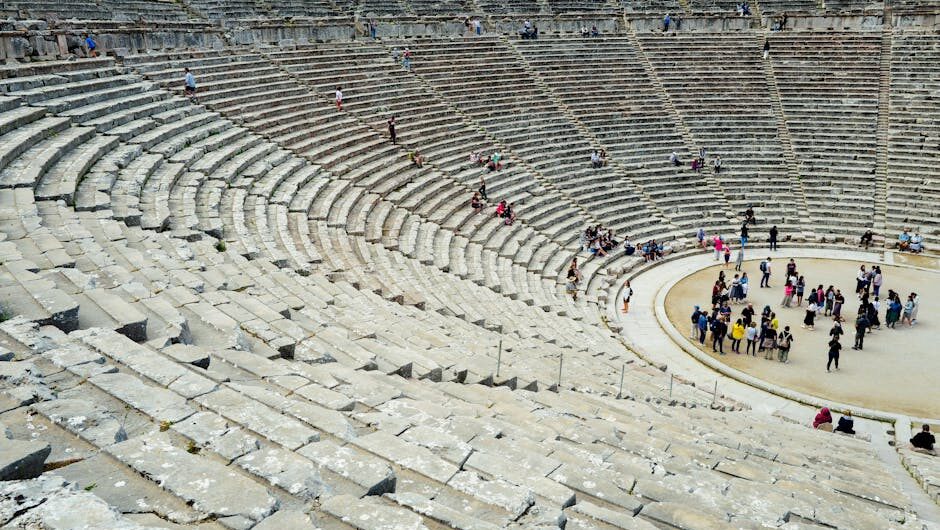
Travel agents specializing in cultural and historical experiences face unique challenges when designing Maya archaeology tours. The ancient Maya civilization left behind an extraordinary archaeological legacy spanning Mexico, Guatemala, Belize, and Honduras, creating countless opportunities for educational and transformative travel experiences. However, successfully managing these specialized tours requires deep understanding of archaeological sites, cultural sensitivities, and practical logistics that differ significantly from conventional vacation packages.
Maya archaeology tours represent a growing segment of cultural tourism, attracting travelers seeking authentic connections with ancient civilizations. For travel agents, mastering the intricacies of these tours means developing expertise in site accessibility, seasonal considerations, educational value, and sustainable tourism practices. The difference between a mediocre archaeology tour and an exceptional one often lies in the attention to detail and specialized knowledge that travel agents bring to the planning process.
Understanding Maya Archaeological Sites and Their Accessibility
Successful Maya archaeology tour planning begins with comprehensive knowledge of site characteristics and accessibility requirements. Each archaeological site presents unique challenges and opportunities that directly impact tour feasibility and client experience.
Major Site Categories and Planning Considerations
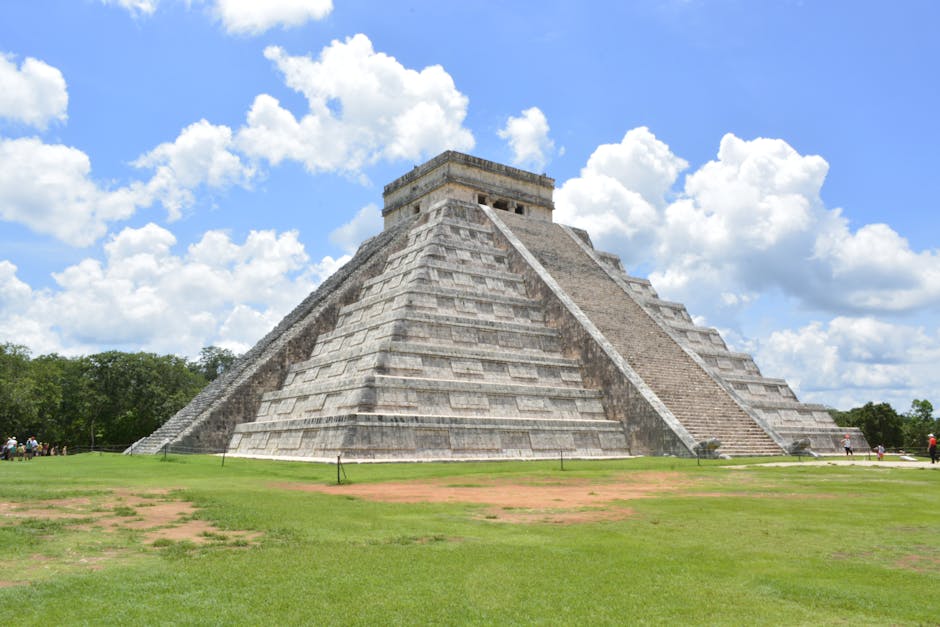
Maya archaeological sites fall into several categories that require different planning approaches. Primary sites like Chichen Itza and Tikal offer extensive infrastructure and guided services but require advance booking during peak seasons. Secondary sites such as Coba or Ek Balam provide more intimate experiences with fewer crowds but may have limited facilities and accessibility challenges.
Remote archaeological sites demand specialized logistics including transportation arrangements, physical fitness assessments, and extended timeframes. Travel agents must evaluate client capabilities against site requirements, considering factors like hiking distances, terrain difficulty, and available amenities. Sites accessible only by boat or small aircraft require additional coordination and weather contingency planning.
Seasonal Timing and Weather Considerations
Maya archaeology tour success heavily depends on seasonal timing decisions that affect both site accessibility and client comfort. The dry season from December through April offers optimal conditions for archaeological exploration, with minimal rainfall and comfortable temperatures. However, this period also brings peak tourist crowds and higher accommodation costs.
The wet season presents opportunities for lower costs and fewer crowds but requires careful planning around rainfall patterns and potential site closures. Some remote sites become inaccessible during heavy rain periods, while others benefit from lush vegetation that enhances the mystical atmosphere of ancient ruins.
Building Educational Value Through Expert Guide Selection
The educational component distinguishes archaeology tours from general sightseeing experiences, making guide selection critical for tour success. Travel agents must develop relationships with qualified guides who combine archaeological knowledge with engaging presentation skills.
Qualification Standards for Archaeological Guides
Professional archaeological guides should possess formal education in archaeology, anthropology, or related fields, combined with specialized training in Maya civilization and culture. Many countries require official certification for guides working at archaeological sites, ensuring minimum competency standards and site protection awareness.
The best guides demonstrate ability to adapt their presentations to diverse audience interests and knowledge levels while maintaining historical accuracy. They should be capable of explaining complex archaeological concepts in accessible terms, connecting ancient Maya achievements to contemporary understanding, and addressing common misconceptions about Maya civilization.
Language Capabilities and Cultural Sensitivity
Guide language capabilities extend beyond basic communication to include specialized archaeological terminology and cultural context explanation. Bilingual guides offer advantages for diverse tour groups, while multilingual capabilities become essential for international clientele.
Cultural sensitivity training ensures guides respectfully present Maya heritage while acknowledging contemporary Maya communities. This includes understanding sacred sites protocols, appropriate behavior guidelines, and connections between ancient and modern Maya cultures.
Implementing Sustainable Tourism Practices
Sustainable tourism practices protect archaeological sites while supporting local communities, creating positive long-term impacts that enhance tour value and destination preservation. Travel agents play crucial roles in promoting responsible archaeology tourism through careful vendor selection and client education.

Site Protection and Visitor Impact Management
Archaeological sites face constant pressure from tourism development and visitor impact, requiring careful management to preserve these irreplaceable cultural resources. Travel agents should prioritize tour operators who demonstrate commitment to site protection through adherence to visitor guidelines, group size limitations, and designated pathway usage.
The UNESCO World Heritage Convention establishes international standards for cultural site protection that provide excellent guidelines for sustainable archaeology tourism. Tour operators following these principles contribute to long-term site preservation while delivering high-quality educational experiences.
Supporting Local Communities and Economies
Sustainable Maya archaeology tours incorporate meaningful connections with contemporary Maya communities through cultural exchanges, artisan visits, and locally-sourced services. This approach enriches tourist experiences while providing economic benefits to communities maintaining cultural traditions near archaeological sites.
Travel agents should seek partnerships with community-based tourism initiatives that offer authentic cultural experiences while respecting privacy and dignity. These connections provide deeper understanding of Maya culture continuity and support sustainable development in archaeological regions.
Logistical Coordination and Safety Protocols
Maya archaeology tours involve complex logistical coordination spanning transportation, accommodation, site access, and safety management. Professional travel agents must develop comprehensive planning systems that address multiple contingencies while maintaining flexibility for unexpected situations.
Transportation and Accommodation Logistics
Archaeological sites often require specialized transportation arrangements including comfortable vehicles suitable for rough terrain, boats for water access sites, and occasional aircraft for remote locations. Vehicle selection should prioritize safety, comfort, and environmental considerations while accommodating group sizes and equipment requirements.
Accommodation planning near archaeological sites requires balancing authenticity, comfort, and sustainability goals. Many sites offer limited nearby lodging options, requiring extended travel times or camping arrangements that appeal to adventurous clients but may challenge others.
Health and Safety Considerations
Archaeological site visits involve inherent risks including uneven terrain, climbing structures, extreme weather exposure, and remote location challenges. Travel agents must conduct thorough risk assessments and implement appropriate safety protocols including medical support access, emergency communication systems, and client capability evaluations.
Health considerations encompass vaccination requirements, altitude adjustments, dietary accommodations, and medical facility access. Remote archaeological sites may require first aid training for guides and emergency evacuation planning for serious medical situations.
Client Preparation and Expectation Management
Successful Maya archaeology tours depend heavily on thorough client preparation that sets appropriate expectations and ensures participants arrive equipped for meaningful experiences. Travel agents must develop comprehensive briefing processes that cover practical, educational, and cultural preparation aspects.
Pre-Tour Educational Resources
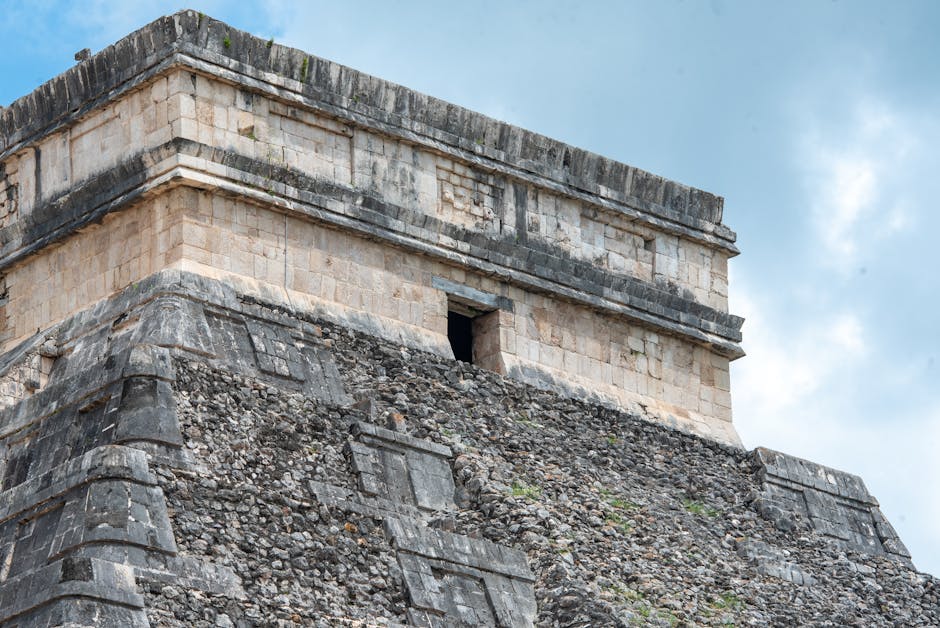
Educational preparation enhances tour value by providing historical context and cultural background that enriches on-site experiences. Travel agents should curate reading lists, documentary recommendations, and online resources that introduce Maya civilization complexity and achievements before departure.
Digital preparation tools including virtual site tours, archaeological timeline presentations, and cultural orientation materials help clients develop appreciation for Maya heritage while building excitement for upcoming experiences. The Smithsonian Institution offers excellent archaeological resources that provide authoritative information about Maya civilization discoveries and ongoing research.
Physical and Equipment Preparation
Archaeological site exploration requires specific physical capabilities and equipment that clients must understand and prepare for in advance. Travel agents should provide detailed fitness requirement descriptions, recommended training programs, and essential equipment lists tailored to specific sites and seasons.
Equipment recommendations should include appropriate footwear for archaeological terrain, sun protection for open site exploration, photography equipment guidelines, and clothing suitable for varying weather conditions and cultural sensitivity requirements.
Marketing and Pricing Strategies for Maya Archaeology Tours
Maya archaeology tours command premium pricing due to specialized knowledge requirements, expert guide costs, and unique experience value. Travel agents must develop marketing strategies that effectively communicate tour value while attracting clients willing to invest in educational and transformative experiences.
Successful marketing emphasizes the exclusive nature of archaeological access, expert interpretation quality, and life-changing potential of connecting with ancient civilizations. Photography from previous tours showcases spectacular site beauty while testimonials highlight educational value and personal transformation experiences.
Pricing strategies should reflect the specialized nature of archaeology tours while remaining competitive within the cultural tourism market. Value-added services such as pre-tour education, exclusive site access, expert guide services, and sustainable tourism contributions justify premium pricing for discerning clients seeking authentic cultural experiences.
Maya archaeology tour best practices for travel agents encompass comprehensive site knowledge, expert guide relationships, sustainable tourism implementation, meticulous logistical planning, thorough client preparation, and strategic marketing approaches. Success in this specialized market requires dedication to continuous learning about Maya civilization, archaeological discoveries, and evolving tourism practices.
Travel agents who master these best practices position themselves as trusted experts capable of delivering transformative cultural experiences that exceed client expectations while contributing to archaeological site preservation and local community support. The investment in developing Maya archaeology expertise opens doors to a rewarding and sustainable niche market within the broader cultural tourism industry.
Ready to develop your Maya archaeology tour expertise? Best Maya Tours specializes in providing travel agents with the knowledge, connections, and support needed to create exceptional archaeological experiences. Visit bestmayatours.com to discover how our partnership can enhance your cultural tourism offerings and deliver unforgettable Maya civilization encounters for your clients.


