
Hidden Cenotes Near Chichen Itza
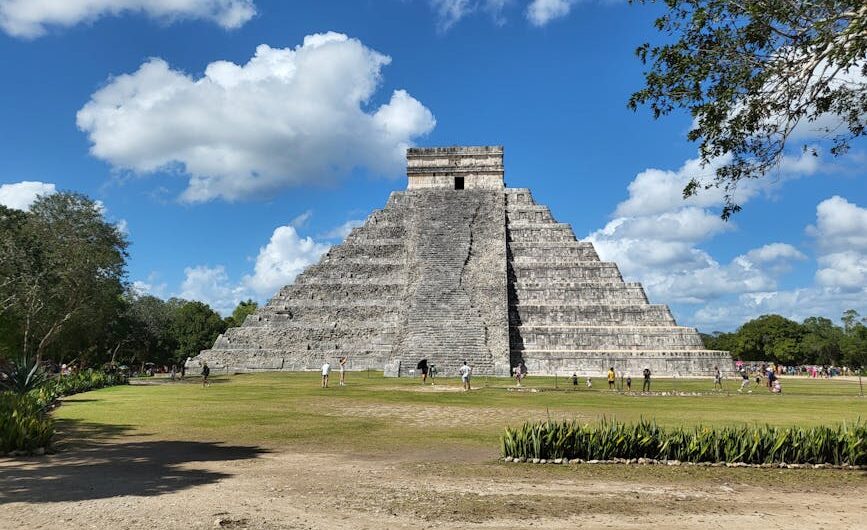
The mystical underground waterways of the Yucatán Peninsula hold secrets that extend far beyond the famous tourist destinations. While millions flock to Chichen Itza annually to witness one of the New Seven Wonders of the World, few venture to discover the hidden cenotes that lie scattered throughout the surrounding jungle. These natural swimming holes, formed by collapsed limestone bedrock revealing pristine groundwater below, served as sacred portals to the underworld for ancient Maya civilizations. Today, they offer modern travelers an opportunity to experience untouched natural beauty and connect with centuries-old cultural heritage in ways that crowded tourist attractions simply cannot provide.
Understanding Cenotes and Their Cultural Significance
Cenotes represent far more than stunning natural swimming pools; they embody the spiritual heart of Maya cosmology. The word “cenote” derives from the Maya term “dzonot,” meaning sacred well. Ancient Maya believed these underground chambers served as gateways to Xibalba, the Maya underworld, making them essential sites for religious ceremonies and offerings to the gods.
The geological formation of cenotes began millions of years ago when the Yucatán Peninsula emerged from ancient seas. Over time, slightly acidic rainwater dissolved the limestone bedrock, creating vast underground river systems. When sections of these cave roofs collapsed, they exposed the crystal-clear freshwater below, creating the cenotes we see today.
Archaeological evidence suggests that ancient Maya settlements were strategically built around cenotes, as these natural wells provided reliable freshwater sources in a region where surface rivers are virtually non-existent. The sacred nature of these sites is evidenced by numerous jade ornaments, gold artifacts, and even human remains discovered in cenote depths, indicating their use in ritual sacrifices and offerings.
Lesser-Known Cenotes Within Reach of Chichen Itza
While most visitors stick to the well-known cenotes like Ik Kil and Cenote Sagrado at Chichen Itza itself, numerous hidden gems await discovery within a short drive of the archaeological site. These lesser-visited cenotes offer more intimate experiences and often better opportunities for swimming, snorkeling, and photography without the crowds.
Cenote Yokdzonot
Located approximately 15 kilometers from Chichen Itza, Cenote Yokdzonot remains relatively undiscovered by mass tourism. This partially open cenote features a dramatic circular opening surrounded by lush tropical vegetation. The crystal-clear water maintains a constant temperature of 24-26°C year-round, making it perfect for swimming. Local Maya families still consider this cenote sacred, and visitors often witness traditional blessing ceremonies during their visits.
Cenote X’Canche
Hidden within a dense jungle setting just 20 minutes from Chichen Itza, Cenote X’Canche offers visitors the chance to rappel down into its depths or access the water via traditional wooden ladders. This semi-open cenote features stunning stalactite formations and incredibly clear water that allows visibility up to 30 meters deep. The surrounding vegetation creates a cathedral-like atmosphere that enhances the mystical experience.
Cenote Oxman
Perhaps one of the most photogenic hidden cenotes near Chichen Itza, Cenote Oxman features a perfectly circular opening with vines cascading down from the jungle above. The cenote’s unique shape creates excellent acoustics, where every sound echoes dramatically off the limestone walls. Local guides often demonstrate traditional Maya chants that resonate beautifully throughout the chamber.
Planning Your Hidden Cenote Adventure
Exploring hidden cenotes requires more preparation than visiting commercialized tourist attractions. These natural sites often lack modern amenities, but this absence of infrastructure contributes to their authentic charm and untouched beauty. Understanding what to expect and how to prepare ensures a safe and memorable experience.

Best Time to Visit
The optimal time for cenote exploration runs from December through April when rainfall is minimal and temperatures are more comfortable for both jungle trekking and swimming. During these months, cenote water levels remain stable, and visibility underwater reaches its peak. However, this period also coincides with peak tourist season, so arriving early in the morning or later in the afternoon helps avoid any crowds that might venture to these hidden locations.
The rainy season from May through November brings higher water levels and occasionally cloudy conditions, but it also means fewer visitors and more dramatic jungle scenery. The increased rainfall creates spectacular waterfall effects in some cenotes as surface water cascades into the underground chambers.
Essential Equipment and Safety Considerations
Visiting hidden cenotes requires specific equipment and safety precautions. Water shoes or reef-safe footwear provide essential protection against sharp limestone and underwater obstacles. A high-quality underwater camera captures the ethereal beauty of these natural formations, while biodegradable sunscreen protects both skin and delicate aquatic ecosystems.
Safety equipment should include life jackets for non-confident swimmers, as cenote depths can exceed 100 meters in some locations. Waterproof bags protect electronic devices and important documents from humidity and accidental water exposure. A first aid kit addresses minor cuts and scrapes common when navigating rocky cenote access points.
Responsible Tourism and Environmental Conservation
The fragile ecosystems surrounding hidden cenotes require careful preservation for future generations. These underwater cave systems support unique species of blind fish, ancient bacteria, and delicate mineral formations that have developed over thousands of years. Responsible tourism practices ensure these natural wonders remain pristine while supporting local Maya communities who serve as guardians of these sacred sites.

The Leave No Trace principles apply especially to cenote exploration. Visitors should avoid touching stalactites or disturbing underwater formations, as oils from human skin can permanently damage these geological features. Swimming aids should be reef-safe and biodegradable to protect the delicate aquatic life that calls cenotes home.
Supporting Local Communities
Many hidden cenotes exist on private land owned by Maya families who have protected these sites for generations. Paying entrance fees directly supports conservation efforts and provides economic incentives for communities to continue protecting rather than developing these areas. Hiring local guides not only enhances the cultural experience but also ensures that tourism benefits reach the communities most deserving of support.
Local guides possess intimate knowledge of cenote geology, Maya history, and traditional ecological wisdom passed down through generations. Their stories and insights transform a simple swimming excursion into a deep cultural exchange that enriches understanding of both natural and human history in the region.
Combining Cenote Exploration with Cultural Experiences
The proximity of hidden cenotes to Chichen Itza creates unique opportunities to combine natural exploration with cultural immersion. Many cenote visits can be integrated with traditional Maya village experiences, allowing travelers to witness contemporary Maya life while exploring the natural sites that remain central to their cultural identity.
Traditional Maya Ceremonies
Some cenotes still host traditional Maya ceremonies, particularly during significant calendar dates in the ancient Maya agricultural cycle. These ceremonies often involve offerings of copal incense, flower petals, and traditional foods to honor the water spirits and request blessings for the community. Respectful observation of these ceremonies provides profound insights into the continuing spiritual significance of cenotes in Maya culture.
Artisan Workshops and Local Markets
Many cenote visits can be combined with stops at local artisan workshops where Maya craftspeople create traditional textiles, pottery, and jewelry using techniques unchanged for centuries. These workshops often take place in village settings near cenote locations, creating opportunities to purchase authentic handicrafts while supporting local economies directly.
Photography and Documentation Tips
Hidden cenotes offer exceptional photography opportunities, but capturing their beauty requires specific techniques and equipment. The dramatic contrast between dark limestone formations and brilliant blue water creates challenging lighting conditions that demand careful planning and proper equipment to achieve stunning results.
Underwater photography in cenotes requires specialized equipment due to the unique lighting conditions created by filtered sunlight entering through jungle canopies and cenote openings. The interplay of light and shadow creates dramatic effects that change throughout the day, making timing crucial for optimal photography results.
The National Geographic photography guidelines recommend using wide-angle lenses to capture the full scope of cenote chambers while maintaining sharp focus on both foreground limestone formations and background water features. External strobes help illuminate underwater details while preserving the natural blue coloration of cenote water.
Conclusion
Discovering hidden cenotes near Chichen Itza offers travelers the opportunity to experience the Yucatán Peninsula’s natural and cultural heritage in its most authentic form. These sacred sites provide intimate connections with ancient Maya spirituality while showcasing some of the world’s most remarkable geological formations. Unlike crowded tourist destinations, hidden cenotes reward visitors with solitude, pristine natural beauty, and meaningful cultural exchanges with local Maya communities.
The journey to these hidden gems requires more effort than visiting commercialized attractions, but the rewards far exceed the additional planning and preparation involved. Swimming in crystal-clear waters surrounded by ancient limestone formations while learning about Maya cosmology from local guides creates memories that last far beyond typical tourist experiences.
Best Maya Tours specializes in creating authentic connections between travelers and these remarkable natural and cultural sites. Our expert guides possess deep knowledge of both hidden cenote locations and Maya cultural traditions, ensuring that your cenote exploration becomes a transformative journey rather than simply another tourist activity. Book your adventure today to discover the magic of hidden cenotes and create unforgettable memories in one of the world’s most remarkable natural settings.


