
Mayan calendar significance explained
The ancient Maya civilization created one of the world’s most sophisticated and accurate calendar systems, far surpassing European calendars of their time. This remarkable achievement continues to fascinate archaeologists, historians, and travelers who visit the Yucatan Peninsula to explore magnificent sites like Chichen Itza. Understanding the Mayan calendar system provides profound insights into their advanced mathematical knowledge, astronomical observations, and spiritual beliefs that shaped their entire civilization.
For modern travelers seeking to connect with this ancient wisdom, private Chichen Itza tours and comprehensive Yucatan Peninsula tours offer unparalleled opportunities to witness these calendar concepts carved in stone at archaeological sites throughout the region. How to Differentiate Your Mexico Tours with Mayan Focus: A Strategic Guide for Travel Agencies can help travel professionals tailor experiences.
The Three Interlocking Calendar Systems
The Maya didn’t use just one calendar—they developed three interconnected systems that worked together like cosmic gears. The most fundamental was the Tzolk’in, a 260-day sacred calendar combining 20 day names with 13 numbers. This calendar governed religious ceremonies, agricultural activities, and personal destiny readings.

The second system, called the Haab’, consisted of 365 days divided into 18 months of 20 days each, plus five additional days considered unlucky. This solar calendar tracked seasons and agricultural cycles, essential for farming communities across the Riviera Maya region.
The third element was the Long Count, a linear calendar that tracked longer historical periods. Unlike the cyclical nature of the other two calendars, the Long Count measured time from a creation date equivalent to August 11, 3114 BCE in our calendar system.
These three calendars worked together to create the Calendar Round, a 52-year cycle that combined the Tzolk’in and Haab’ calendars, marking significant ceremonial periods throughout Mayan society.
Mathematical Precision and Astronomical Knowledge
The accuracy of Mayan calendars demonstrates their extraordinary mathematical and astronomical capabilities. Their calculations of the solar year (365.2420 days) came remarkably close to our modern measurement of 365.2422 days. This precision enabled them to predict eclipses, track planetary movements, and align their magnificent temples with celestial events.

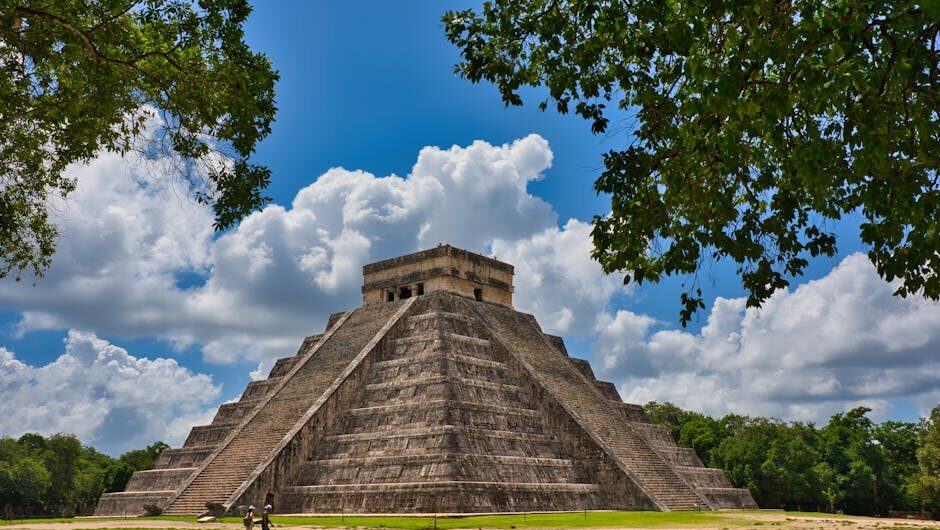
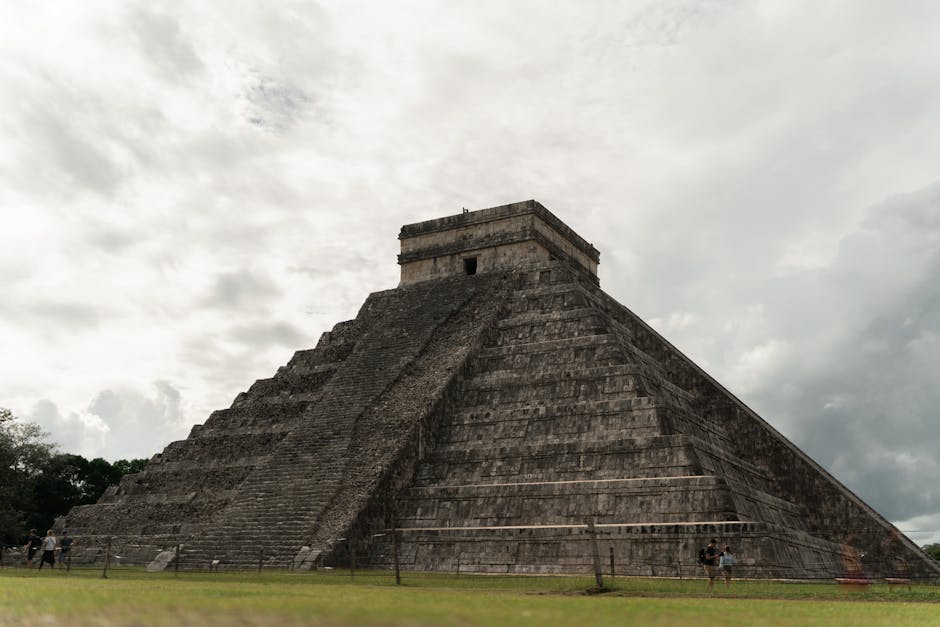
Visitors on private tours to sites like Chichen Itza can witness this astronomical knowledge firsthand. The famous El Castillo pyramid creates shadow serpents during equinoxes, while the Caracol observatory tracked Venus cycles with stunning accuracy. These architectural marvels serve as stone calendars, encoding complex astronomical data into their very structure.
The Maya developed advanced mathematical concepts, including the use of zero centuries before it appeared in European mathematics. This mathematical sophistication allowed them to make calculations spanning millions of years, as evidenced in inscriptions found throughout the Yucatan Peninsula. Private Riviera Maya Tours Wholesale Rates for Agents: Maximizing Profit Margins in Paradise can make these discoveries more accessible.
Modern travelers exploring Mayan ruins tours can observe how calendar calculations influenced urban planning, with entire cities oriented according to astronomical alignments. Sites like Uxmal, Coba, and Tulum showcase different aspects of this calendar-based architecture.
Religious and Spiritual Significance
The Mayan calendar system was deeply intertwined with their spiritual beliefs and religious practices. Each day in the Tzolk’in calendar carried specific spiritual energy and meaning, influencing everything from naming children to planning important ceremonies. Priests and daykeepers used these calendars to determine auspicious dates for planting, harvesting, warfare, and religious festivals.
The 13 numbers in the Tzolk’in represented the 13 levels of heaven in Mayan cosmology, while the 20 day signs corresponded to various deities and natural forces. This sacred calendar guided personal and community decisions, creating a rhythm of life synchronized with cosmic forces.
During multi-day tours through the region, visitors can learn about contemporary Maya communities that still follow traditional calendar practices. Many indigenous groups in the Yucatan continue to use aspects of the ancient calendar system for agricultural timing and ceremonial purposes, maintaining connections to their ancestral wisdom.
The concept of cyclical time, fundamental to Mayan calendar philosophy, contrasts sharply with linear Western time concepts. This cyclical worldview emphasized renewal, regeneration, and the eternal return of cosmic patterns—beliefs still evident in modern Maya communities throughout the Riviera Maya.
Archaeological Evidence and Decipherment
Archaeological discoveries throughout the Maya region have provided extensive evidence of calendar usage. Stone monuments called stelae record important dates using Long Count notation, while codices (bark paper books) contain detailed calendar calculations and astronomical tables.

The Dresden Codex, one of only four surviving Maya books, contains sophisticated Venus tables and eclipse prediction charts that demonstrate the practical applications of their calendar knowledge. These documents, combined with architectural evidence at sites accessible through private Yucatan Peninsula tours, reveal the central role calendars played in Maya civilization. What to Pack for a Riviera Maya Tour will ensure travelers are prepared for these discoveries.
Hieroglyphic inscriptions found at major sites record historical events, royal births, and military conquests using precise calendar notations. The decipherment of these inscriptions has revolutionized our understanding of Maya history and calendar usage, transforming archaeological sites from mysterious ruins into readable historical records.
Recent discoveries continue to expand our knowledge of Maya calendar practices. Excavations at sites like Xultun in Guatemala have uncovered rooms with calendar calculations written on walls, showing working astronomers’ calculations from over 1,000 years ago. These findings demonstrate that calendar knowledge wasn’t limited to elite priests but was actively used by Maya scholars and astronomers.
Cultural Legacy and Modern Relevance
The influence of Maya calendar systems extends far beyond ancient history. Modern Maya communities throughout the Yucatan Peninsula maintain traditional calendar knowledge through daykeeper traditions and ceremonial practices. These living traditions provide valuable insights into how ancient calendar systems functioned in daily life.
Contemporary interest in Maya calendars peaked around 2012, when the completion of a Long Count cycle sparked worldwide discussions about Maya prophecies. While popular media often misrepresented these concepts, genuine Maya traditions view calendar endings as times of renewal rather than destruction, emphasizing the cyclical nature of time and cosmic regeneration.
For travelers interested in authentic cultural experiences, best private tours in Riviera Maya can include meetings with contemporary Maya daykeepers who maintain traditional calendar knowledge. These encounters provide unique opportunities to understand how ancient wisdom continues to guide modern communities.
The precision and sophistication of Maya calendars have influenced modern archaeological research methods and continue to inform studies of ancient astronomy worldwide. NASA research has validated many Maya astronomical observations, confirming the accuracy of their celestial calculations.
Experiencing Maya Calendar Wisdom Today
Understanding Maya calendar significance enhances any visit to the region’s archaeological sites. Whether exploring Chichen Itza’s astronomical alignments, examining calendar inscriptions at Palenque, or discovering lesser-known sites through specialized Mayan ruins tours, this knowledge transforms ancient stones into windows into sophisticated scientific thinking.
Complementary experiences like the Sian Ka’an lazy river tour and lazy river Tulum excursions provide opportunities to connect with the natural environment that Maya astronomers observed so carefully. These eco-tourism activities, combined with cultural site visits, create comprehensive understanding of how the Maya integrated natural observation with spiritual practice.
Professional guides specializing in Maya culture can explain calendar concepts while standing in the very places where ancient astronomers made their observations. This direct connection between place, knowledge, and experience creates lasting appreciation for Maya intellectual achievements.
The UNESCO World Heritage designation of sites like Chichen Itza recognizes the global significance of Maya calendar knowledge and astronomical achievements, ensuring these treasures remain accessible to future generations of learners and travelers.
Conclusion
The Maya calendar system represents one of humanity’s greatest intellectual achievements, combining mathematical precision, astronomical observation, and spiritual wisdom into an integrated worldview. For modern travelers, understanding these concepts enriches every moment spent exploring the Yucatan Peninsula’s magnificent archaeological sites.
Through carefully planned private tours and expert guidance, visitors can appreciate how Maya calendar knowledge influenced architecture, urban planning, agriculture, and spiritual practice. These insights transform tourist visits into profound cultural encounters, connecting contemporary travelers with ancient wisdom that continues to inspire wonder and respect.
Whether you’re planning a comprehensive multi-day tour or focused private Chichen Itza tours, understanding Maya calendar significance will deepen your appreciation for one of the world’s most sophisticated ancient civilizations. The precision of their timekeeping, the beauty of their astronomical observations, and the integration of science with spirituality offer timeless lessons about human potential and our relationship with the cosmos.
Best Maya Tours specializes in bringing these ancient concepts to life through expertly guided experiences that combine historical accuracy with engaging storytelling, ensuring your journey through Maya calendar wisdom becomes an unforgettable exploration of human achievement. USA Travel Agencies Partner with Best Maya Tours: Your Gateway to Ancient Wonders and How Travel Agencies Can Book Exclusive Maya Tours for Your Clients and Maximize Customer Satisfaction are excellent resources for partners.


