
Why Travel Agencies Should Partner with Local Guides Riviera Maya for Authentic Experiences
The Riviera Maya has evolved from a hidden gem into one of Mexico’s most sought-after destinations, welcoming millions of visitors annually who seek more than just pristine beaches and luxury resorts. Today’s travelers crave authentic experiences that connect them with local culture, history, and traditions. For travel agencies in the USA, understanding how to partner with local guides Riviera Maya for authentic experiences can transform standard vacation packages into unforgettable journeys that create lasting client relationships and differentiate your services in a competitive market.
The shift toward experiential travel has fundamentally changed client expectations. Modern tourists want to explore ancient Mayan ruins with knowledgeable historians, discover hidden cenotes known only to locals, and participate in traditional cooking classes with indigenous families. This demand for authenticity presents travel agencies with both opportunities and challenges in crafting meaningful itineraries that go beyond typical tourist attractions.
The Value of Authentic Local Partnerships
Local guides in the Riviera Maya offer unparalleled access to experiences that simply cannot be replicated through conventional tour operators. These partnerships provide travel agencies with exclusive opportunities to offer clients genuine cultural immersion, from visiting family-run cenotes that have been protected for generations to exploring archaeological sites with guides who grew up hearing stories passed down through Maya oral traditions.

The economic impact of working with local guides extends far beyond individual transactions. According to the UN World Tourism Organization, community-based tourism initiatives can generate up to 90% more local economic benefit compared to traditional mass tourism approaches. This sustainability factor increasingly influences traveler choices, making authentic partnerships not just ethically sound but also commercially advantageous for forward-thinking travel agencies.
Local guides bring intimate knowledge of seasonal variations, weather patterns, and optimal timing for specific activities. They understand which cenotes are best visited during different months, when wildlife viewing opportunities peak, and how to navigate cultural sites during less crowded periods. This insider knowledge enables travel agencies to create more refined, timing-sensitive itineraries that maximize client satisfaction.
Cultural Authenticity and Storytelling
The Maya civilization’s rich history comes alive through local guides who often trace their heritage back thousands of years. These storytellers share legends, explain astronomical alignments in ancient architecture, and provide context that transforms static ruins into dynamic historical narratives. Their personal connections to the land and culture create emotional resonances that clients remember long after returning home.
Many local guides are also artisans, musicians, or keepers of traditional practices. They can arrange visits to working chocolate farms where clients learn pre-Columbian cacao preparation methods, or organize private performances of traditional Maya music and dance. These multi-layered experiences appeal to clients seeking deeper cultural understanding rather than surface-level tourist activities.
Building Strategic Partnerships for Travel Agencies
Successful partnerships with local guides require careful vetting and relationship building. Travel agencies should seek guides who possess proper certifications, demonstrate strong communication skills in English, and show commitment to sustainable practices. The most valuable partnerships develop over time, built on mutual respect and shared commitment to delivering exceptional experiences.
Establishing these relationships begins with thorough research and on-site visits. Professional tour operators like Best Maya Tours can facilitate initial introductions and help assess which local guides align with specific client demographics and interests. This intermediary approach allows travel agencies to build confidence in new partnerships while maintaining service quality standards.
Communication protocols and service standards must be clearly established from the outset. This includes expectations for punctuality, equipment maintenance, safety procedures, and client interaction styles. Many successful travel agencies create detailed partnership agreements that outline responsibilities, payment terms, and quality benchmarks to ensure consistent service delivery.
Technology Integration and Booking Systems
Modern partnerships leverage technology to streamline booking processes and maintain communication. Cloud-based platforms allow real-time availability checking, automatic confirmation systems, and integrated payment processing. These technological solutions reduce administrative overhead while improving response times for time-sensitive bookings.
Mobile connectivity in the Riviera Maya has improved dramatically, enabling guides to provide real-time updates, share photos and videos during experiences, and maintain constant communication with agency partners. This connectivity enhances both operational efficiency and marketing opportunities through immediate social media sharing and client testimonials.
Types of Authentic Experiences Available
The diversity of authentic experiences available through local partnerships spans adventure, culture, cuisine, and spiritual practices. Cenote exploration with traditional Maya blessing ceremonies combines adventure with cultural education. These underground cave systems, considered sacred by Maya descendants, offer swimming, snorkeling, and cave diving opportunities enhanced by historical and spiritual context.

Archaeological site visits become transformative when led by guides with ancestral connections to these locations. Sites like Coba, Muyil, and lesser-known ruins offer opportunities for small-group experiences where clients can participate in traditional Maya ceremonies, learn about astronomical alignments, and understand the sophisticated engineering achievements of ancient civilizations.
Culinary experiences showcase the evolution of Maya cuisine through hands-on cooking classes in family homes, visits to organic farms practicing traditional agriculture, and participation in traditional food preparation methods. These experiences often include foraging expeditions for native ingredients, chocolate-making workshops, and meals prepared over traditional wood fires.
Adventure and Nature-Based Experiences
Local guides excel at combining adventure activities with cultural education. Jungle trekking expeditions include identification of medicinal plants used in traditional Maya healing practices. Birdwatching tours incorporate mythology surrounding different species in Maya culture. Kayaking expeditions through mangrove systems include education about traditional fishing methods and environmental conservation practices maintained by local communities.
These nature-based experiences appeal to diverse client interests while maintaining educational components that distinguish them from purely recreational activities. The combination of physical adventure and cultural learning creates memorable experiences that justify premium pricing and generate positive client reviews.
Quality Assurance and Client Safety
Professional standards and safety protocols remain paramount when partnering with local guides. Successful travel agencies implement comprehensive vetting processes that verify guide certifications, insurance coverage, and safety equipment maintenance. Regular site inspections and client feedback monitoring ensure consistent quality delivery.
Established operators maintain rigorous safety standards while preserving authentic experiences. This balance requires ongoing communication with local partners, regular training updates, and clear protocols for emergency situations. Travel agencies benefit from partnering with operators who already maintain these quality control systems.
Client safety extends beyond physical considerations to include cultural sensitivity and appropriate behavior guidelines. Local guides play crucial roles in educating visitors about respectful interaction with sacred sites, appropriate photography practices, and environmental protection measures. These educational components enhance overall experience quality while preventing incidents that could damage community relationships.
Insurance and Liability Considerations
Comprehensive insurance coverage protects both travel agencies and clients during authentic experiences. This includes general liability, professional indemnity, and specific activity coverage for adventure components. Industry experts recommend working with insurance providers who specialize in adventure and cultural tourism to ensure adequate protection across diverse activity types.
Documentation requirements vary by experience type, but generally include participant waivers, medical disclosure forms, and emergency contact information. Local guides should be trained in basic first aid and emergency response procedures, with clear protocols for accessing professional medical assistance when needed.
Marketing Authentic Experiences to Your Clients
Effective marketing of authentic experiences requires storytelling that emphasizes personal transformation and unique access rather than standard tourist benefits. Client testimonials showcasing emotional connections and learning experiences prove more compelling than generic promotional language. Video content featuring actual guide interactions and genuine client reactions provides powerful social proof.
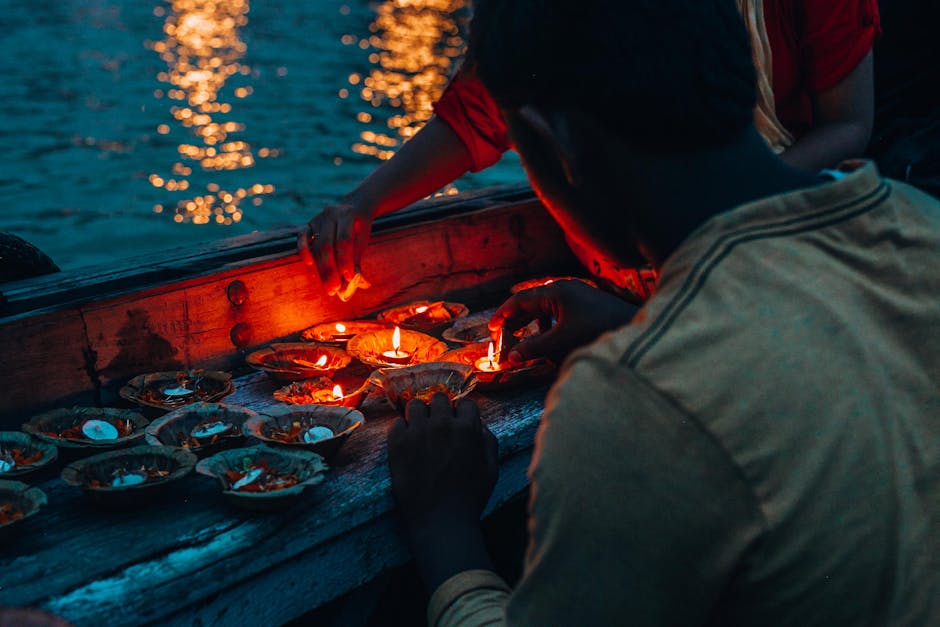
Social media marketing thrives when showcasing behind-the-scenes access and exclusive experiences unavailable through mass tourism channels. Live streaming sessions, guide introduction videos, and client journey documentation create engaging content that demonstrates value proposition beyond price comparisons.
Pricing strategies should reflect the premium nature of authentic experiences while clearly communicating included value components. Detailed itineraries explaining guide expertise, exclusive access, small group sizes, and cultural immersion elements justify pricing differentials compared to standard tour packages.
Building Client Trust Through Transparency
Transparency in marketing builds client confidence and sets appropriate expectations. This includes honest discussions about physical requirements, cultural considerations, and environmental factors that might affect experiences. Pre-departure communications should include guide backgrounds, safety protocols, and cultural preparation guidelines.
Client education extends to sustainable tourism practices and community impact explanations. Many travelers appreciate understanding how their participation supports local communities and conservation efforts. This knowledge enhances their sense of purpose and connection during experiences.
Measuring Success and Building Long-Term Relationships
Success metrics for authentic experience partnerships extend beyond traditional satisfaction scores to include repeat booking rates, referral generation, and social media engagement levels. Long-term partnerships require ongoing investment in relationship maintenance, guide development, and experience refinement based on client feedback.
Regular partnership reviews should assess guide performance, identify new opportunity areas, and address any operational challenges. Successful travel agencies often invest in guide training programs, equipment upgrades, and marketing support to strengthen these valuable relationships over time.
Client follow-up systems capture detailed feedback while maintaining engagement for future bookings. Email newsletters featuring guide stories, seasonal recommendations, and exclusive offers keep authentic experiences top-of-mind for past clients while attracting new prospects through referral programs.
Implementing sustainable tourism practices throughout partnership development ensures long-term viability while building positive community relationships. This approach attracts environmentally conscious clients while supporting local economic development goals.
Conclusion: Transforming Travel Through Authentic Partnerships
The decision to partner with local guides Riviera Maya for authentic experiences represents more than a business strategy—it’s a commitment to delivering transformative travel that creates lasting memories and meaningful connections. Travel agencies that embrace this approach distinguish themselves in competitive markets while contributing to sustainable tourism development that benefits local communities.
Success requires careful partner selection, comprehensive quality assurance, and ongoing relationship investment. The rewards include higher client satisfaction, increased referral rates, and premium pricing opportunities that improve overall business profitability. Most importantly, these partnerships enable travel agencies to offer something genuinely unique in an increasingly commoditized industry.
Ready to explore how authentic local partnerships can transform your Riviera Maya offerings? Contact Best Maya Tours today to discover how our established network of certified local guides can enhance your clients’ travel experiences while supporting your business growth objectives.


