
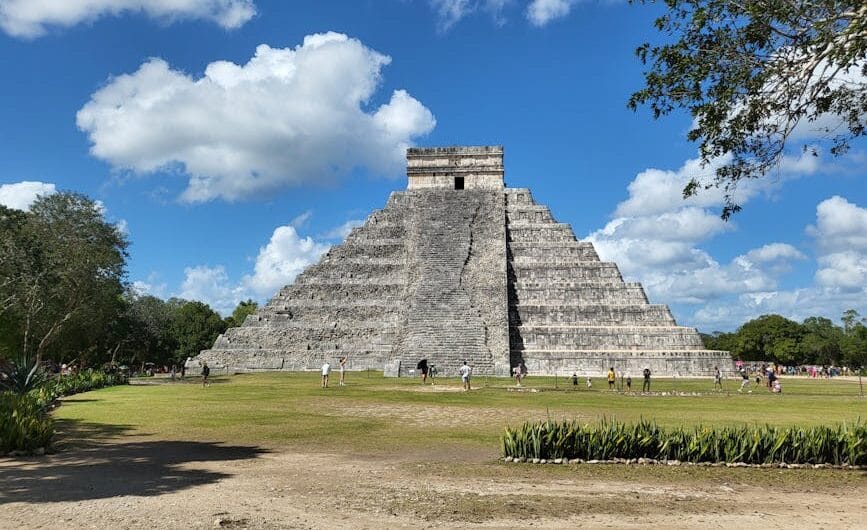
The Riviera Maya harbors one of the world’s most extraordinary underwater cave systems, where ancient limestone formations create breathtaking cenotes that have captivated explorers for centuries. These natural aquatic cathedrals offer a unique blend of adventure, natural beauty, and cultural significance that makes them essential destinations for any serious traveler seeking authentic Mexican experiences.
Stretching across the Yucatan Peninsula, the underwater caves of Riviera Maya cenotes represent the largest underwater cave system on Earth, with over 6,000 documented cenotes and countless undiscovered passages. These geological marvels formed over millions of years as acidic rainwater carved through limestone bedrock, creating the stunning submerged landscapes we explore today.
Understanding the Geological Wonder of Cenotes
The formation of underwater caves in Riviera Maya cenotes began during the last ice age when sea levels were significantly lower. As limestone dissolved and collapsed, it created vast cavern systems that later flooded when ocean levels rose. This unique geological process resulted in three distinct types of cenotes that define the region’s underwater landscape.

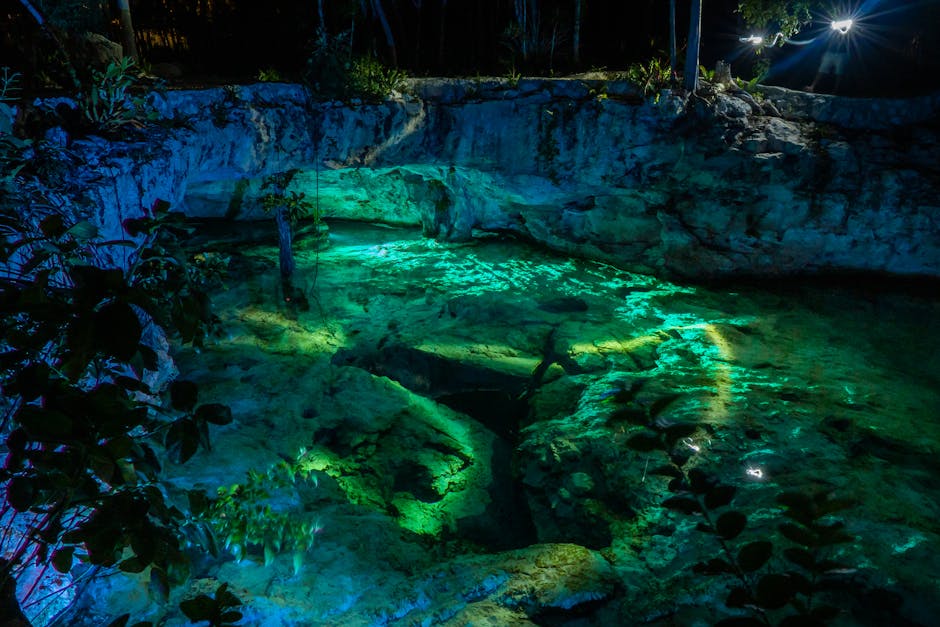
Open cenotes feature completely exposed water surfaces surrounded by dramatic rock formations. These accessible pools often serve as gateways to extensive underwater cave networks that extend far beneath the jungle floor. Popular examples include Gran Cenote and Cenote Calavera, where crystal-clear waters reveal the entrances to vast submerged corridors.
Semi-open cenotes combine exposed areas with partially covered sections, creating mysterious environments where sunlight filters through openings in overhead rock formations. These cenotes, such as Cenote Dos Ojos, offer dramatic lighting effects that illuminate underwater stalactites and stalagmites in breathtaking displays.
Underground cenotes remain completely hidden beneath the earth’s surface, accessible only through cave entrances or small openings. These represent the most pristine underwater cave environments, where ancient formations remain untouched by surface elements.
The Sacred Waters of Maya Civilization
For the ancient Maya civilization, cenotes held profound spiritual significance as portals to the underworld. Archaeological evidence from sites like the Sacred Cenote at Chichen Itza reveals that these underwater caves served as ceremonial sites where Maya priests conducted rituals and made offerings to their water deity, Chaac.
The Maya believed that cenotes connected the terrestrial world with Xibalba, their underworld realm. This spiritual connection explains why many cenotes contain archaeological artifacts, from jade ornaments to ceramic vessels, providing invaluable insights into pre-Columbian culture and religious practices.
Premier Cenote Cave Diving Destinations
The Riviera Maya region hosts numerous world-renowned cenotes that offer varying levels of underwater cave exploration. Each location presents unique characteristics, from beginner-friendly shallow caves to advanced technical diving environments that challenge even experienced cave divers.
Sistema Sac Actun: The World’s Longest Underwater Cave System
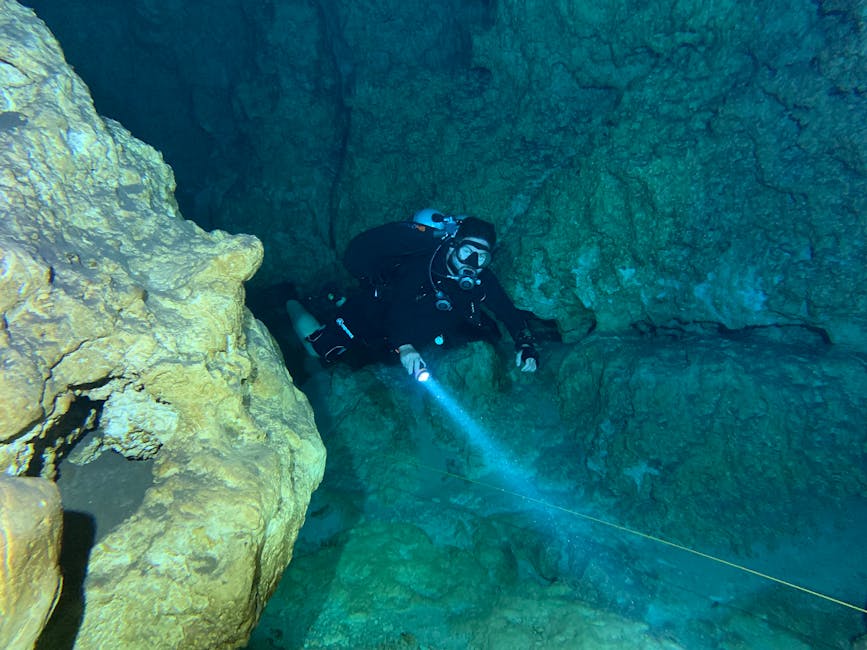
Sistema Sac Actun represents the crown jewel of Riviera Maya’s underwater cave networks. This massive system extends over 347 kilometers, making it the longest known underwater cave system globally. The network connects multiple cenotes, including popular diving destinations like Cenote Dos Ojos and Gran Cenote.
Within this system, divers encounter extraordinary geological formations including massive limestone columns, delicate flowstone draperies, and ancient stalactites that have formed over millennia. The system’s diverse environments range from shallow cavern zones perfect for snorkeling to deep technical passages that require advanced cave diving certifications.
Cenote Angelita: The Underwater River Phenomenon
Cenote Angelita showcases one of nature’s most remarkable underwater phenomena. At approximately 30 meters depth, divers encounter a distinct layer of hydrogen sulfide that creates the illusion of an underwater river flowing through the cave. This unique environmental feature, caused by organic decomposition, demonstrates the complex chemical processes occurring within cenote ecosystems.
The visual effect is so convincing that divers appear to swim above a flowing river, complete with fallen trees and debris that seem to rest on the “riverbank.” This extraordinary sight makes Angelita a must-visit destination for underwater photographers and adventurous divers seeking unique experiences.
Essential Safety Considerations for Cenote Cave Diving
Exploring underwater caves in Riviera Maya cenotes requires careful preparation and adherence to strict safety protocols. Cave diving presents inherent risks that differ significantly from open water diving, making proper training and equipment essential for safe exploration.
Certification Requirements and Training
Cave diving in cenotes demands specialized certifications beyond standard open water qualifications. The National Association of Underwater Instructors and similar organizations provide comprehensive cave diving courses that cover essential skills including line laying, emergency procedures, and navigation techniques specific to overhead environments.
Most reputable tour operators require proof of cave diving certification or provide guided experiences with certified cave diving instructors. These professionals possess intimate knowledge of local cave systems and can ensure safe exploration while maximizing the educational and adventure value of each dive.
Equipment Specifications for Cave Diving
Proper equipment selection plays a crucial role in cenote cave diving safety. Essential gear includes multiple reliable light sources, as backup illumination becomes critical when exploring areas beyond natural light penetration. Divers must carry primary lights, backup lights, and emergency lighting systems to ensure continuous visibility throughout their underwater cave exploration.
Guidelines and reels serve as lifelines in underwater caves, providing essential navigation aids that enable safe return to open water areas. Professional cave diving equipment also includes specialized buoyancy control devices and exposure protection suitable for the unique conditions found in cenote environments.
Biodiversity and Ecosystem Conservation
The underwater caves of Riviera Maya cenotes support unique ecosystems that have evolved in isolation for millions of years. These environments harbor endemic species found nowhere else on Earth, making conservation efforts crucial for preserving these irreplaceable biological treasures.
Endemic Species and Adaptations
Cenote ecosystems host remarkable species that have adapted to life in perpetual darkness and stable water conditions. The Yucatan blind cavefish represents perhaps the most famous example of cenote evolution, having lost their eyes and pigmentation while developing enhanced sensory capabilities for navigation in complete darkness.
Other endemic species include various crustaceans, arachnids, and microorganisms that have evolved specialized feeding mechanisms and reproductive strategies suited to nutrient-limited cave environments. These species serve as living laboratories for evolutionary biology research and demonstrate the incredible adaptability of life in extreme conditions.
Conservation Challenges and Solutions
Modern development pressures threaten the delicate balance of cenote ecosystems throughout the Riviera Maya. Urban expansion, tourism infrastructure, and agricultural activities can introduce pollutants that dramatically impact water quality in these sensitive environments.
Successful conservation efforts require collaboration between government agencies, tour operators, and local communities to implement sustainable tourism practices that protect cenote ecosystems while providing economic benefits to regional stakeholders. The Mexican National Commission of Natural Protected Areas works actively to establish protection protocols and monitor ecosystem health in critical cenote areas.
Planning Your Cenote Cave Diving Adventure
Successfully exploring the underwater caves of Riviera Maya cenotes requires careful planning that considers seasonal conditions, operator selection, and personal skill levels. Understanding these factors ensures optimal experiences while maintaining safety standards throughout your adventure.
Best Times for Cenote Exploration
The Riviera Maya’s tropical climate provides year-round cenote diving opportunities, but certain seasons offer optimal conditions for underwater cave exploration. The dry season from November through April typically provides the clearest water visibility, as reduced rainfall minimizes sediment disturbance in cenote systems.
Water temperatures remain remarkably stable throughout the year, typically ranging from 24-26°C (75-79°F), making thermal protection needs minimal compared to many other cave diving destinations. However, extended exposure to cave environments may require light wetsuit protection for comfort during longer exploration sessions.
Selecting Professional Tour Operators
Choosing experienced, certified operators represents the most critical decision in planning cenote cave diving adventures. Reputable companies provide certified cave diving instructors, maintain high-quality safety equipment, and demonstrate comprehensive knowledge of local cave systems and emergency procedures.
Professional operators also ensure compliance with environmental protection guidelines that preserve cenote ecosystems for future generations. These companies typically offer various experience levels, from guided cavern tours suitable for open water divers to advanced cave diving expeditions for certified technical divers.
Cultural Integration and Educational Opportunities
Exploring underwater caves in Riviera Maya cenotes offers unique opportunities to connect with Maya cultural heritage while gaining insights into geological processes and ecosystem dynamics. Many tour operators incorporate cultural education components that enhance understanding of cenotes’ historical and spiritual significance.
Educational programs often include visits to nearby archaeological sites, interactions with local Maya communities, and presentations by marine biologists studying cenote ecosystems. These comprehensive experiences provide context that transforms simple adventure activities into meaningful cultural and scientific learning opportunities.
The integration of cultural education with adventure tourism helps preserve Maya traditions while generating sustainable economic opportunities for local communities. This approach ensures that cenote exploration contributes positively to regional development while respecting the sacred nature of these remarkable environments.
Conclusion: Embracing the Magic of Cenote Cave Diving
The underwater caves of Riviera Maya cenotes offer unparalleled opportunities to explore some of Earth’s most extraordinary natural environments while connecting with ancient Maya heritage. These remarkable geological formations provide adventure, education, and spiritual experiences that create lasting memories for travelers seeking authentic Mexican destinations.
Whether you’re an experienced technical diver or someone interested in guided cavern tours, the cenotes of Riviera Maya offer something special for every adventurer. The key to successful cenote exploration lies in proper preparation, respect for safety protocols, and appreciation for the cultural and environmental significance of these sacred waters.
Ready to discover the magic of underwater caves in Riviera Maya cenotes? Best Maya Tours specializes in creating unforgettable cenote exploration experiences that combine adventure with cultural education and environmental responsibility. Our expert guides ensure safe, meaningful encounters with these natural treasures while supporting local communities and conservation efforts. Contact us today to plan your personalized cenote adventure and explore the hidden wonders beneath the Riviera Maya.


