
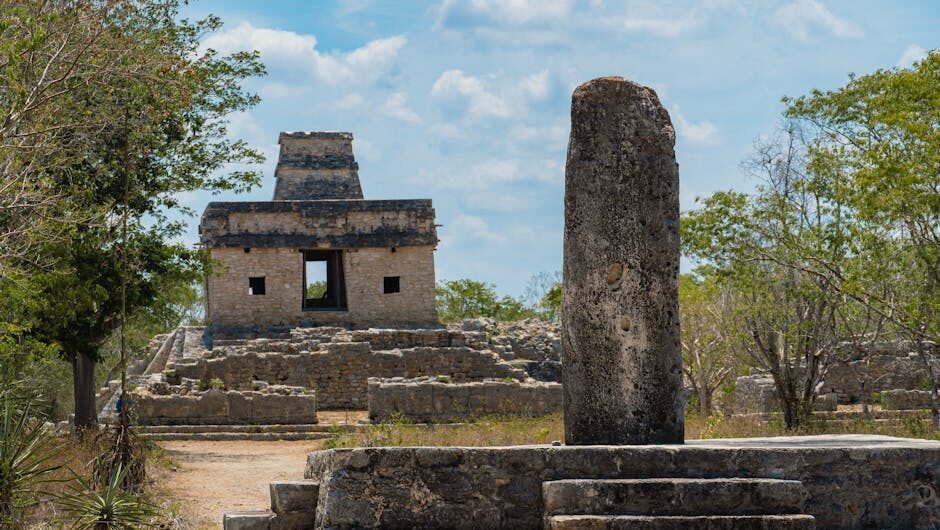
Sustainable tourism practices for mayan ruins: preserving ancient heritage
The magnificent Mayan ruins scattered across the Yucatan Peninsula stand as testaments to one of history’s most advanced civilizations. As tourism to these archaeological wonders continues to grow, implementing sustainable tourism practices has become crucial for preserving these irreplaceable cultural treasures for future generations. Best Maya Tours leads the way in responsible tourism, offering private tours and multi-day tours that prioritize conservation while delivering unforgettable experiences.
The delicate balance between accessibility and preservation requires careful consideration of visitor impact, local community involvement, and environmental protection. Through thoughtful planning and responsible practices, travelers can explore iconic sites like Chichen Itza and hidden gems throughout the Riviera Maya while actively contributing to their conservation.
The Importance of Sustainable Tourism in Archaeological Sites
Mayan archaeological sites face unprecedented challenges from increasing visitor numbers, climate change, and development pressures. These ancient structures, built without modern preservation techniques, are particularly vulnerable to damage from foot traffic, touching, and environmental factors accelerated by human activity.

Private Chichen Itza tours and other specialized archaeological experiences offer a solution by limiting group sizes and providing expert guidance that educates visitors about preservation needs. Unlike mass tourism approaches, these intimate experiences allow for better crowd control and deeper cultural understanding while reducing the physical impact on delicate stone structures and surrounding ecosystems.
The economic benefits of sustainable tourism extend beyond the immediate archaeological sites. Yucatan Peninsula tours that incorporate sustainable practices support local communities, fund ongoing conservation efforts, and create incentives for protecting these cultural assets. When tourism revenue directly benefits site maintenance and local livelihoods, it creates a positive cycle of preservation and economic development.
Sustainable tourism at Mayan ruins isn’t just about protecting stones and structures—it’s about preserving living cultures and supporting the communities that have been guardians of these sites for generations.
Best Practices for Responsible Mayan Ruins Exploration
Implementing sustainable practices begins with choosing tour operators committed to conservation principles. The best private tours in Riviera Maya incorporate several key elements that minimize environmental impact while maximizing educational value:

- Small group sizes: Private Yucatan Peninsula tours typically limit groups to 6-8 participants, reducing wear on pathways and allowing for more personalized interpretation
- Certified local guides: Knowledgeable guides provide cultural context while ensuring visitors follow conservation protocols
- Timing strategies: Visiting during off-peak hours reduces overcrowding and provides better photographic opportunities
- Waste reduction: Tours provide reusable water bottles and implement leave-no-trace principles
- Cultural sensitivity: Respecting sacred spaces and ongoing spiritual practices of contemporary Maya communities
Advanced booking systems help manage visitor flows at popular sites like Chichen Itza, preventing overcrowding that can damage both the physical structures and the visitor experience. Multi-day tours spread visitation across multiple sites, reducing pressure on individual locations while providing more comprehensive cultural understanding.
Integrating Natural Conservation with Cultural Preservation
The Yucatan Peninsula’s Mayan ruins exist within complex ecosystems that require protection alongside the archaeological sites. Innovative tours like the Sian Ka’an Lazy River tour demonstrate how sustainable tourism can protect both cultural and natural heritage simultaneously.

The lazy river Tulum experience showcases this integration perfectly, combining visits to coastal Mayan ruins with gentle exploration of mangrove ecosystems and cenote systems. These tours highlight the interconnectedness of Mayan civilization with their natural environment, providing visitors with a holistic understanding of the region’s heritage.
Biodiversity conservation around archaeological sites creates buffer zones that protect ruins from development while preserving the landscapes that provide context for understanding ancient Maya relationships with their environment. Private tours Riviera Maya often incorporate multiple ecosystems, from tropical forests to coastal zones, demonstrating the environmental knowledge that enabled Mayan civilization to thrive for millennia.
- Cenote preservation through controlled access and water quality monitoring
- Forest conservation that maintains the original setting of inland ruins
- Marine ecosystem protection around coastal archaeological sites
- Wildlife corridor maintenance that connects fragmented habitats
According to UNESCO World Heritage guidelines, sustainable tourism requires balancing heritage preservation with visitor access and local community benefits, creating comprehensive management strategies that address multiple stakeholder needs.
Community-Based Tourism and Cultural Continuity
Sustainable tourism practices must recognize that Mayan culture continues to thrive in contemporary communities throughout the Yucatan Peninsula. The most effective private Yucatan Peninsula tours incorporate visits to living Maya communities, creating economic opportunities while fostering cultural exchange and understanding.

Community-based tourism initiatives provide alternatives to large-scale development that might threaten archaeological sites. When local families benefit directly from tourism through homestays, craft sales, and guide services, they become active partners in conservation efforts. These relationships create authentic cultural experiences while ensuring that tourism development respects traditional ways of life.
Educational components of sustainable tours help visitors understand the connections between ancient and modern Maya culture. Learning about traditional agricultural practices, textile production, and spiritual beliefs provides context for archaeological sites while supporting cultural continuity. The best guides often come from local communities, bringing personal connections to the sites and stories that textbooks cannot convey.
Research from the United Nations World Tourism Organization demonstrates that community-based tourism generates higher local economic benefits while creating stronger incentives for cultural and environmental preservation compared to externally-controlled tourism development.
Technology and Innovation in Sustainable Archaeological Tourism
Modern technology offers powerful tools for reducing tourism impact while enhancing visitor experiences at Mayan ruins. Virtual reality components, augmented reality applications, and detailed 3D modeling allow visitors to explore restricted areas and visualize sites as they appeared centuries ago without causing physical damage.
Digital visitor management systems help optimize crowd distribution across multiple sites and time periods. Multi-day tours can be dynamically adjusted based on real-time visitor density, weather conditions, and conservation needs. These systems enable more responsive management while maintaining high-quality experiences for travelers.
Carbon offset programs integrated into tour packages address the environmental impact of transportation to remote archaeological sites. Best Maya Tours incorporates these innovations while maintaining the personal touch and cultural authenticity that make Riviera Maya tours memorable and meaningful.
Advanced monitoring systems track visitor impact on archaeological structures, enabling proactive conservation measures before damage becomes irreversible. Sensors can detect changes in temperature, humidity, and structural stress that might indicate the need for access restrictions or conservation interventions.
Economic Models Supporting Long-term Preservation
Sustainable tourism requires economic models that prioritize long-term preservation over short-term profit maximization. Premium pricing for small-group, high-quality experiences generates more revenue per visitor while reducing total visitor numbers and environmental impact. This approach makes conservation economically viable while providing exceptional experiences for travelers.
Reinvestment strategies ensure that tourism revenue directly supports conservation activities. Percentage-based contributions from tour operators fund ongoing research, restoration projects, and community development initiatives. These transparent funding mechanisms create accountability while demonstrating the positive impact of responsible tourism choices.
The success of sustainable tourism models depends on collaboration between tour operators, government agencies, academic institutions, and local communities. Private tours Riviera Maya that participate in these partnerships contribute to comprehensive conservation strategies that address multiple aspects of heritage preservation.
Studies by the International Council on Monuments and Sites show that sustainable tourism can generate sufficient revenue to fund comprehensive conservation programs while providing significant economic benefits to local communities when properly managed and regulated.
Conclusion
Sustainable tourism practices at Mayan ruins represent a critical investment in preserving irreplaceable cultural heritage while supporting local communities and protecting fragile ecosystems. The future of archaeological tourism depends on choosing responsible operators who prioritize conservation, cultural sensitivity, and community benefits over profit maximization.
Best Maya Tours exemplifies this commitment through carefully designed private tours, multi-day tours, and specialized experiences like the Sian Ka’an Lazy River tour that demonstrate how exceptional travel experiences and rigorous conservation can coexist successfully.
As awareness of climate change and cultural preservation grows, travelers increasingly seek meaningful experiences that contribute positively to destinations. By choosing sustainable tourism options for exploring Mayan ruins, visitors become active participants in preserving these ancient wonders while gaining deeper understanding of one of history’s most fascinating civilizations. Book now with Best Maya Tours to experience the Yucatan Peninsula’s archaeological treasures through responsible, unforgettable adventures that benefit both travelers and the communities that safeguard these precious sites.


