
Mayan Winter Solstice: Ancient Astronomy and Sacred Celebrations
The winter solstice holds profound significance in Mayan culture, representing far more than just an astronomical event. For the ancient Maya civilization, this celestial occurrence marked a sacred time of renewal, rebirth, and cosmic balance. Understanding the Mayan perspective on the winter solstice opens a fascinating window into one of history’s most sophisticated astronomical societies and their enduring spiritual traditions.
The Maya developed one of the most accurate calendar systems in human history, demonstrating their exceptional understanding of celestial movements. Their observations of the winter solstice were not merely scientific endeavors but formed the cornerstone of their religious beliefs, agricultural practices, and social organization. Today, visitors can witness these ancient traditions firsthand through specialized cultural tours that bring the rich heritage of Mayan astronomy to life.
The Astronomical Mastery of the Ancient Maya
The Maya were extraordinary astronomers who tracked celestial bodies with remarkable precision thousands of years before modern telescopes existed. Their understanding of the winter solstice was integrated into complex calendar systems that governed every aspect of their civilization. The Maya Long Count calendar, Haab calendar, and Tzolkin calendar all incorporated solstice observations to create a comprehensive timekeeping system.
During the winter solstice, which occurs around December 21st in the Northern Hemisphere, the sun reaches its southernmost point in the sky, creating the shortest day and longest night of the year. The Maya recognized this astronomical event as a critical moment when the sun appeared to “die” and then be reborn, symbolizing the eternal cycle of death and renewal that permeated their worldview.
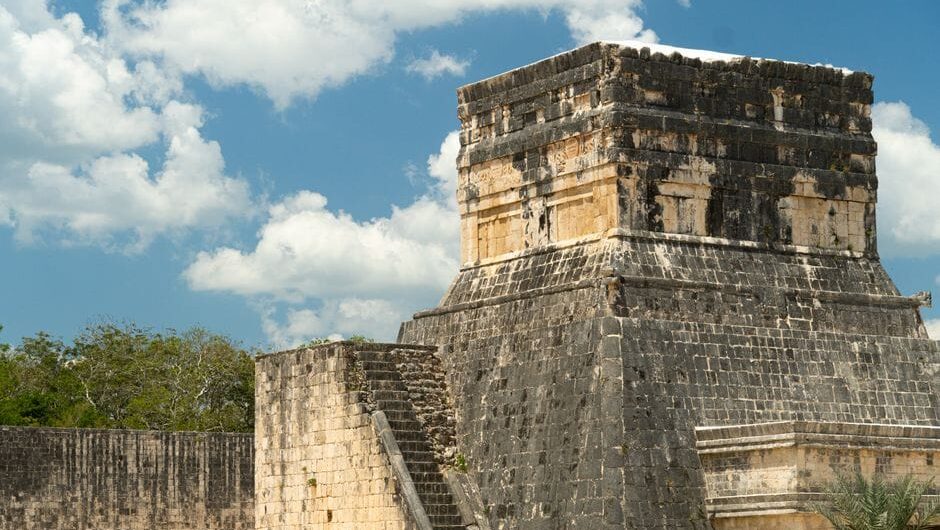
Archaeological evidence reveals that many Mayan structures were deliberately aligned with solstice events. At sites like Chichen Itza, Caracol, and Dzibilchaltun, buildings were positioned to capture specific solar phenomena during the winter solstice. These architectural marvels demonstrate how the Maya integrated their astronomical knowledge into their built environment, creating sacred spaces that connected earth and sky.
The precision of Mayan astronomical calculations is evident in their ability to predict eclipses, planetary movements, and seasonal changes centuries in advance. According to Britannica, the Maya calculated the solar year as 365.2420 days, remarkably close to the modern measurement of 365.2422 days.
Sacred Architecture and Solstice Alignments
Mayan pyramids and temples serve as monumental calendars carved in stone, with many featuring specific alignments designed to mark the winter solstice. These architectural achievements represent the fusion of spiritual beliefs, astronomical knowledge, and engineering expertise that characterized Mayan civilization.

At the ancient city of Dzibilchaltun in the Yucatan Peninsula, the Temple of Seven Dolls creates a spectacular solstice phenomenon. During both the winter and summer solstices, the sun rises perfectly through the temple’s doorway, creating a dramatic shaft of light that illuminates the structure’s interior. This precise alignment required sophisticated planning and demonstrates the Maya’s commitment to integrating celestial events into their sacred architecture.
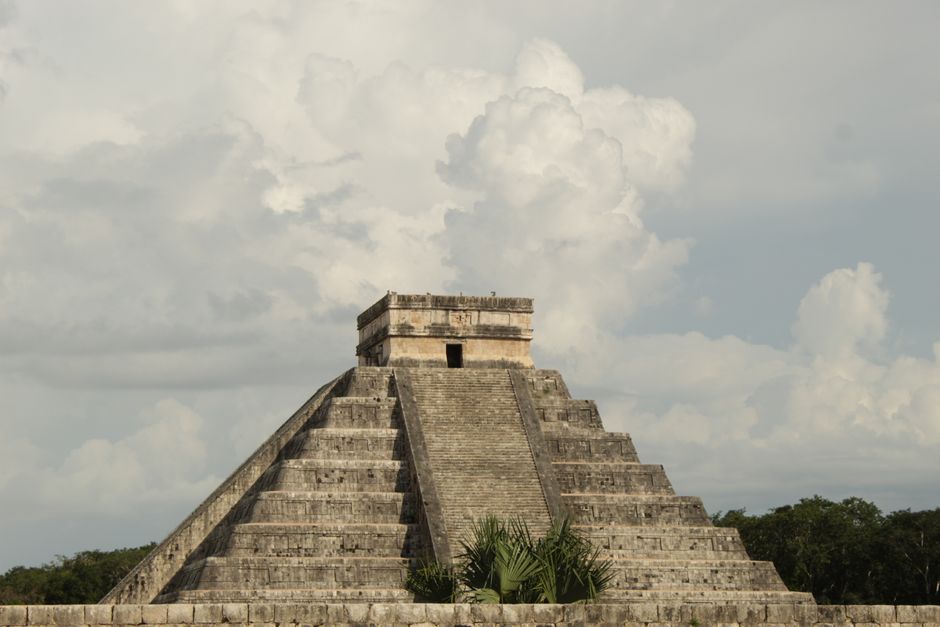
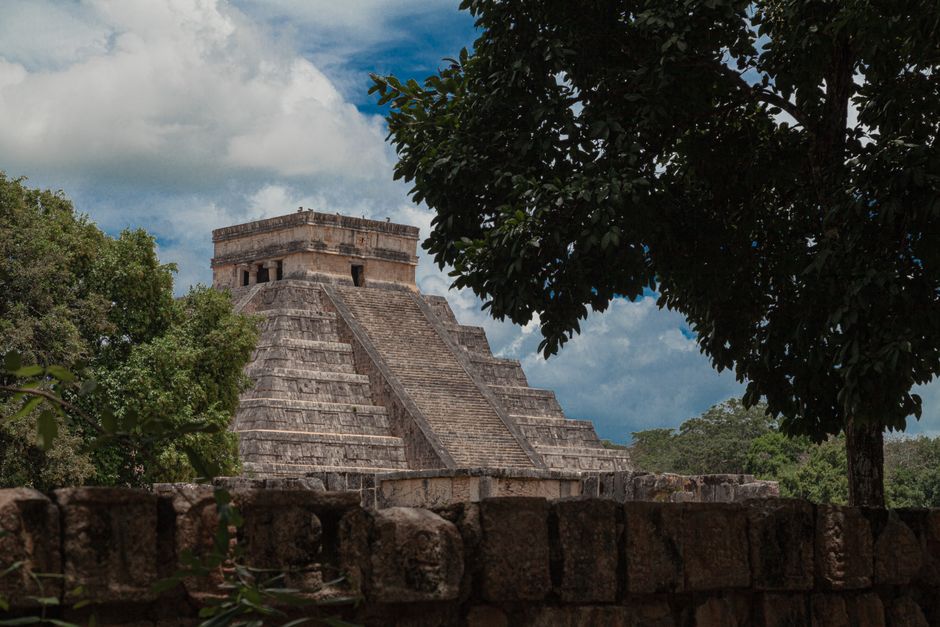
The famous El Castillo pyramid at Chichen Itza, while more renowned for its equinox shadow serpent effect, also incorporates solstice alignments in its design. The pyramid’s orientation and the positioning of surrounding structures create various light and shadow phenomena throughout the year, including during the winter solstice when specific corners and edges are highlighted by the low-angle sunlight.
At Caracol in Belize, the astronomical observatory features windows and doorways positioned to frame important celestial events, including the winter solstice sunrise. These openings function as primitive telescopes, allowing Mayan astronomers to track the sun’s annual journey with extraordinary accuracy.
Spiritual Significance and Mythological Connections
For the Maya, the winter solstice represented far more than an astronomical curiosity—it embodied fundamental spiritual truths about death, rebirth, and the ongoing struggle between light and darkness. The solstice period was viewed as a time when the boundaries between the physical and spiritual worlds became permeable, allowing for enhanced communication with ancestors and deities.
Mayan creation mythology, particularly the Popol Vuh, describes the cyclical nature of creation and destruction that mirrors the annual solar cycle. The winter solstice represented a moment of cosmic vulnerability when the sun god required special rituals and offerings to ensure his successful rebirth and the continuation of life on earth.
The Maya believed that during the winter solstice, the sun descended into Xibalba, the underworld, where it would battle the forces of darkness before emerging victorious to bring light back to the world. This mythological framework provided meaning and context for the astronomical observations, transforming scientific knowledge into spiritual wisdom.
Ritual ceremonies during the solstice period often involved offerings of copal incense, jade, obsidian, and sometimes human sacrifice in extreme cases. These ceremonies were conducted by specially trained priest-astronomers who served as intermediaries between the human and divine realms. The timing and nature of these rituals were carefully calculated based on precise astronomical observations.
The Role of Priest-Astronomers
Mayan priest-astronomers held positions of tremendous authority and responsibility within their society. These individuals combined religious duties with scientific observation, maintaining the complex calendar systems and predicting important celestial events. Their knowledge of the winter solstice and other astronomical phenomena was considered sacred wisdom essential for the proper functioning of society.
Modern Celebrations and Cultural Continuity
Contemporary Maya communities throughout Mexico, Guatemala, Belize, and Honduras continue to observe the winter solstice with ceremonies that blend ancient traditions with modern practices. These celebrations demonstrate the remarkable continuity of Mayan cultural identity despite centuries of external pressures and change.
In highland Guatemala, Maya daykeepers and spiritual guides conduct special ceremonies at sacred sites during the winter solstice. These rituals often involve the lighting of ceremonial fires, the burning of copal incense, and prayers for renewal and protection during the coming year. Participants may engage in physical activities such as walking meditation or traditional dances that honor the sun’s journey.
The winter solstice also marks the beginning of important ceremonial cycles in many Maya communities. The 260-day sacred calendar, or Tzolkin, intersects with the solar year in ways that make the solstice period particularly significant for divination, healing ceremonies, and community gatherings.
For visitors interested in experiencing these living traditions, cultural tours offered by specialized operators provide authentic opportunities to witness solstice celebrations while respecting the sacred nature of these ceremonies. These experiences offer profound insights into how ancient astronomical knowledge continues to inform contemporary spiritual practices.
Participating in Solstice Tours
Sustainable tourism initiatives allow travelers to participate respectfully in winter solstice observations at major archaeological sites. These tours typically include visits to Chichen Itza, Uxmal, or other significant Mayan ruins where solstice phenomena can be observed and understood within their proper cultural context.
Planning Your Winter Solstice Experience
Experiencing the Mayan winter solstice requires careful planning and cultural sensitivity. The most spectacular solstice events occur at specific archaeological sites where ancient alignments create dramatic light and shadow phenomena. Professional tour operators specializing in Mayan culture can provide access to these experiences while ensuring respectful engagement with local communities.
The optimal time for winter solstice tours is typically from mid-December through early January, when various sites throughout the Maya region offer different perspectives on solstice observations. Chichen Itza remains the most popular destination, but lesser-known sites often provide more intimate and authentic experiences with fewer crowds.
Physical preparation for solstice tours should include regular exercise and conditioning, as many sites require significant walking and climbing. The CDC’s physical activity guidelines recommend at least 150 minutes of moderate-intensity aerobic activity per week to prepare for travel that involves extended walking and stair climbing at archaeological sites.
Weather conditions during the winter solstice period in the Maya region are generally favorable, with cooler temperatures and lower humidity than other times of the year. However, early morning temperatures can be quite cool, especially at higher elevation sites, so appropriate clothing is essential for comfort during dawn ceremonies.
Cultural etiquette is paramount when participating in solstice observations. Visitors should maintain respectful silence during ceremonies, avoid flash photography, and follow guidance from local guides regarding appropriate behavior. Many solstice events are deeply sacred to contemporary Maya communities, and respectful participation helps preserve these traditions for future generations.
The Enduring Legacy of Mayan Astronomy
The Mayan understanding of the winter solstice represents one of humanity’s greatest achievements in observational astronomy. Their sophisticated calendar systems, architectural alignments, and ceremonial practices created a comprehensive worldview that integrated scientific knowledge with spiritual wisdom in ways that continue to inspire and inform contemporary understanding.
Modern archaeoastronomy has confirmed the accuracy of many Mayan calculations and revealed the full scope of their astronomical achievements. The winter solstice observations were just one component of a vast knowledge system that included tracking Venus cycles, predicting eclipses, and maintaining multiple interlocking calendars with remarkable precision.
The cultural impact of Mayan astronomy extends far beyond their historical period. Contemporary environmental movements, sustainable agriculture practices, and holistic wellness approaches draw inspiration from Mayan concepts of cyclical time and cosmic balance. The winter solstice serves as a powerful reminder of humanity’s connection to natural cycles and the importance of maintaining harmony with the environment.
Educational initiatives worldwide now incorporate Mayan astronomical knowledge into STEM curricula, demonstrating how indigenous wisdom can enhance modern scientific understanding. These programs highlight the universal human drive to understand our place in the cosmos and the diverse ways different cultures have approached this fundamental question.
The winter solstice in Mayan culture ultimately represents the triumph of knowledge, persistence, and spiritual insight. Through centuries of careful observation, the Maya developed a sophisticated understanding of celestial mechanics that enabled them to create one of history’s most advanced civilizations. Their legacy continues to inspire wonder and respect for the natural world and our place within it.
For modern travelers seeking to connect with this profound heritage, winter solstice tours offer transformative experiences that combine historical education, cultural immersion, and spiritual reflection. These journeys provide opportunities to witness firsthand the astronomical phenomena that shaped Mayan civilization and continue to influence contemporary Maya communities throughout Mesoamerica. Booking Mayan tours for American travelers can also greatly enhance the experience, ensuring a seamless and enriching exploration of these ancient wonders. Travel agencies looking to maximize customer satisfaction by offering such unique experiences can learn more about how travel agencies can book exclusive Maya tours for your clients.


