
Mexico Highlights: Chichen Itza – the Crown Jewel of Ancient Maya Civilization
Standing majestically in the heart of Mexico’s Yucatan Peninsula, Chichen Itza represents one of the most spectacular archaeological sites in the world and serves as the crown jewel of ancient Maya civilization. This UNESCO World Heritage Site attracts millions of visitors annually, offering an unparalleled glimpse into the sophisticated culture, astronomy, and architectural prowess of the Maya people. As one of the New Seven Wonders of the World, Chichen Itza stands as a testament to human ingenuity and continues to captivate travelers with its mysterious pyramids, intricate carvings, and rich historical significance.
For modern travelers seeking to explore Mexico’s cultural treasures, Chichen Itza offers an unforgettable journey through time. The site’s remarkable preservation allows visitors to walk in the footsteps of ancient Maya rulers, priests, and astronomers while marveling at architectural achievements that continue to puzzle experts today. From the iconic El Castillo pyramid to the expansive Great Ball Court, every structure tells a story of a civilization that thrived for over a thousand years.
The Historical Significance of Chichen Itza
Chichen Itza’s history spans over a millennium, with its origins dating back to approximately 600 AD. The site reached its zenith during the Late Classic period (600-900 AD) and continued to flourish well into the Post-Classic period (900-1500 AD). According to Britannica, the name “Chichen Itza” translates to “at the mouth of the well of the Itza,” referring to the sacred cenotes (natural sinkholes) that provided water to this thriving city.
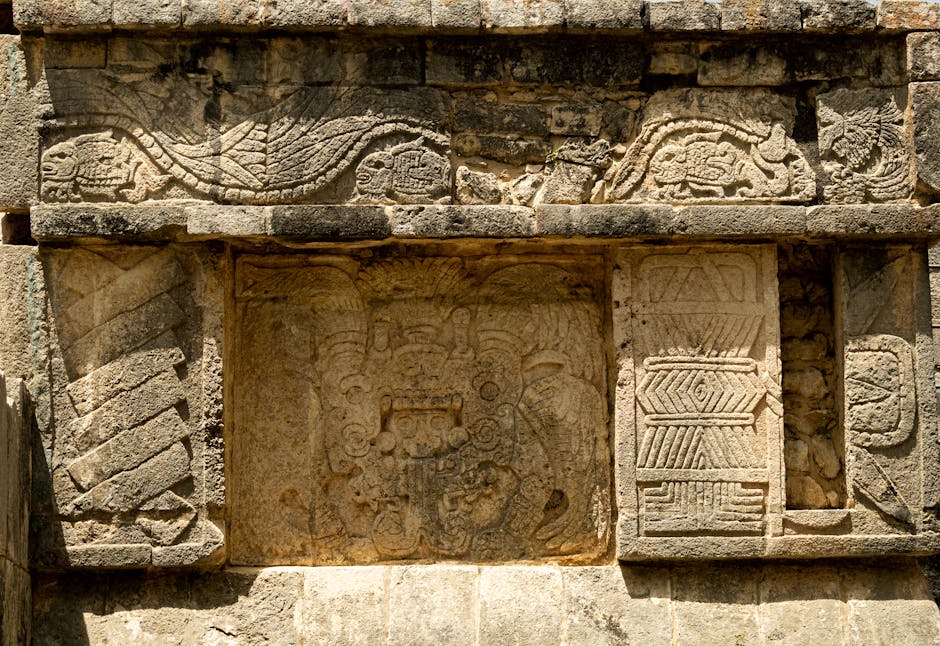
The city served as a major political, economic, and religious center for the northern Maya lowlands. Its strategic location allowed it to control trade routes throughout the Yucatan Peninsula, facilitating the exchange of goods such as obsidian, jade, gold, and cacao beans. The site’s influence extended far beyond the Maya world, with architectural and artistic elements showing clear influences from central Mexican cultures, particularly the Toltecs.
Archaeological evidence suggests that Chichen Itza was inhabited by different Maya groups over the centuries, each leaving their distinctive mark on the city’s architecture and cultural practices. The site’s importance is further emphasized by its role as a pilgrimage destination, where Maya people from across Mesoamerica would journey to participate in religious ceremonies and consult oracles.
Architectural Marvels and Iconic Structures
The architectural complexity of Chichen Itza showcases the advanced engineering and astronomical knowledge of the Maya civilization. The site covers approximately 4 square miles and contains numerous structures that demonstrate sophisticated urban planning and construction techniques.

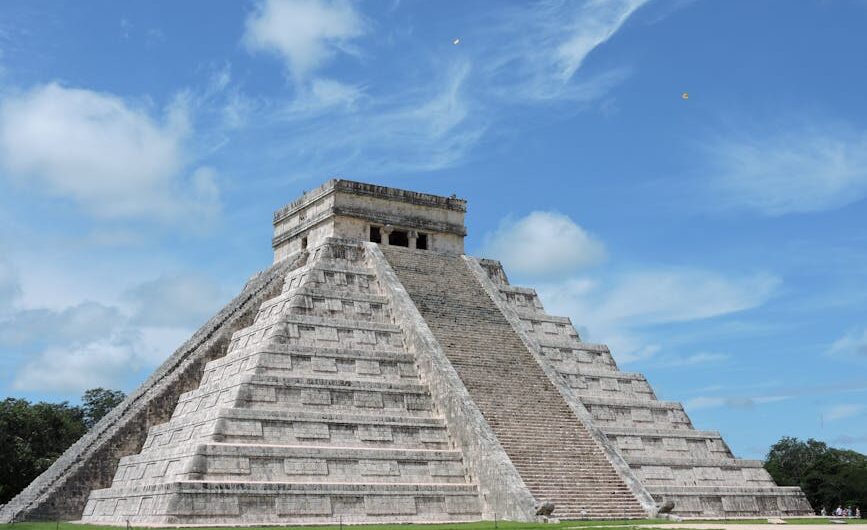
El Castillo (Temple of Kukulkan) stands as the most recognizable structure at Chichen Itza. This 79-foot-tall step pyramid consists of nine terraces and four staircases, each containing 91 steps. When combined with the platform at the top, the total number of steps equals 365, corresponding to the days in the solar year. During the spring and autumn equinoxes, the interplay of light and shadow creates the illusion of a serpent descending the pyramid’s northern staircase, demonstrating the Maya’s precise understanding of astronomical cycles.
The Great Ball Court is the largest ball court in ancient Mesoamerica, measuring 545 feet long and 225 feet wide. The court’s acoustic properties are remarkable, allowing whispers at one end to be clearly heard at the other. The game played here held deep religious significance, often representing the cosmic struggle between life and death, light and darkness.
Temple of the Warriors features over 200 carved columns depicting warriors and priests, showcasing the military might and religious practices of Chichen Itza’s rulers. The structure’s design reflects both Maya and Toltec architectural influences, illustrating the cultural fusion that characterized the site’s later periods.
El Caracol (The Observatory) served as an astronomical observatory where Maya priests tracked celestial movements with remarkable precision. The circular structure’s windows are strategically positioned to frame important astronomical events, including Venus cycles and lunar observations.
Sacred Cenotes and Religious Practices
The Sacred Cenote at Chichen Itza played a crucial role in Maya religious ceremonies and continues to yield important archaeological discoveries. This natural limestone sinkhole, approximately 200 feet in diameter, was considered a portal to the underworld where the rain god Chaac resided. Archaeological excavations have recovered thousands of offerings, including jade ornaments, gold objects, incense, and human remains, providing invaluable insights into Maya religious practices and beliefs.
Planning Your Visit to Chichen Itza
Visiting Chichen Itza requires careful planning to maximize your experience while ensuring a comfortable and educational journey. The site is located approximately 75 miles east of Merida and 120 miles west of Cancun, making it accessible from major tourist centers in the Yucatan Peninsula.
Best Time to Visit: The optimal time to explore Chichen Itza is during the dry season from November to April when temperatures are more moderate and rainfall is minimal. Early morning visits (8:00-10:00 AM) offer the best experience with cooler temperatures, better lighting for photography, and fewer crowds.
What to Bring: Comfortable walking shoes with good grip are essential, as many surfaces can be uneven or slippery. Sun protection is crucial, including wide-brimmed hats, sunglasses, and high-SPF sunscreen. Bringing plenty of water is vital, as the Yucatan climate can be quite demanding for visitors engaging in extended walking tours.
Physical Preparation: Exploring Chichen Itza involves considerable walking on uneven terrain and climbing steps. According to CDC physical activity guidelines, preparing for your visit with regular walking and moderate exercise can enhance your experience and reduce fatigue during exploration.
Guided Tours vs. Self-Guided Exploration
While self-guided exploration allows for personal pacing and discovery, professional guided tours offer invaluable historical context and archaeological insights that significantly enhance the visitor experience. Knowledgeable guides can decode the complex symbolism found throughout the site, explain astronomical alignments, and share the latest archaeological discoveries that might not be readily apparent to casual observers.
Beyond Chichen Itza: Exploring the Riviera Maya
Chichen Itza serves as an excellent anchor point for exploring the broader Riviera Maya region, which offers a diverse array of cultural, natural, and adventure experiences. The region’s strategic location provides access to other significant Maya sites, colonial cities, and natural wonders that complement a Chichen Itza visit.
Other Maya Archaeological Sites: The region houses numerous other archaeological treasures, including Ek Balam with its remarkably preserved stucco facades, Coba with its towering Nohoch Mul pyramid that visitors can still climb, and the coastal fortress of Tulum overlooking the Caribbean Sea.
Cenotes and Natural Wonders: The Yucatan Peninsula features over 6,000 cenotes, many of which are accessible for swimming, snorkeling, and diving. These natural pools offer refreshing respites from archaeological exploration while providing insight into the geological processes that shaped Maya civilization.
Colonial Heritage: Cities like Merida and Valladolid showcase Mexico’s colonial heritage through their well-preserved architecture, vibrant markets, and traditional cuisine. These urban centers provide comfortable bases for exploring the region while offering modern amenities and cultural experiences.
Sustainable Tourism and Cultural Preservation
Responsible tourism practices are essential for preserving Chichen Itza for future generations while supporting local communities. Visitors should respect site regulations, avoid touching ancient structures, and choose tour operators committed to sustainable practices and cultural sensitivity.
Cultural Impact and Modern Significance
Chichen Itza’s influence extends far beyond its historical importance, serving as a symbol of Mexican cultural identity and indigenous heritage. The site’s recognition as one of the New Seven Wonders of the World has elevated its global profile while generating significant economic benefits for the Yucatan region through tourism revenue and job creation.
Modern Maya communities maintain strong connections to Chichen Itza, viewing it not merely as an archaeological site but as a living testament to their ancestors’ achievements. Contemporary Maya artisans, guides, and cultural practitioners draw inspiration from the site’s legacy while sharing their knowledge with visitors from around the world.
The ongoing archaeological research at Chichen Itza continues to yield new discoveries that reshape our understanding of Maya civilization. Recent technological advances, including LiDAR mapping and ground-penetrating radar, have revealed hidden structures and provided new insights into the site’s construction phases and urban planning.
Chichen Itza stands as one of Mexico’s most extraordinary highlights, offering visitors an unparalleled opportunity to connect with one of humanity’s greatest civilizations. From its astronomical precision to its architectural grandeur, the site continues to inspire wonder and respect for Maya achievements. Whether you’re drawn by historical curiosity, architectural appreciation, or spiritual connection, Chichen Itza provides an transformative experience that will remain with you long after your visit concludes. As you plan your journey to this remarkable destination, remember that you’re not just visiting ruins, but stepping into a living testament to human ingenuity, cultural sophistication, and the enduring legacy of the Maya people. For a seamless experience in this paradise, consider maximizing profit margins in paradise with carefully planned tours.


