
Cultural Tours Yucatan Peninsula: Discover Ancient Maya Wonders
The Yucatan Peninsula stands as one of the world’s most fascinating cultural destinations, where ancient Maya civilization meets modern exploration. This remarkable region in southeastern Mexico offers travelers an unparalleled journey through time, showcasing architectural marvels, sacred cenotes, vibrant colonial cities, and living traditions that have endured for millennia. Whether you’re a history enthusiast, adventure seeker, or cultural explorer, cultural tours of the Yucatan Peninsula provide transformative experiences that connect you with one of humanity’s greatest ancient civilizations.
Exploring the Ancient Maya Cities
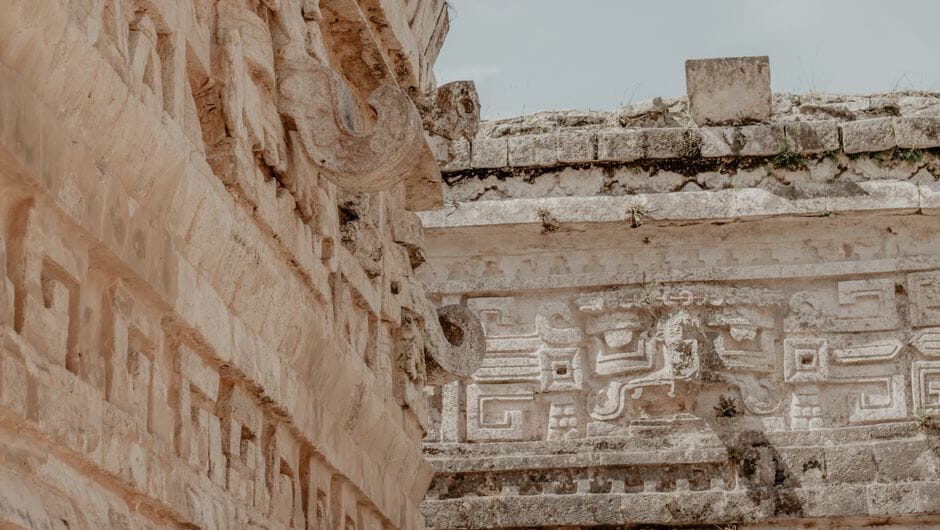
The Yucatan Peninsula boasts some of the most spectacular archaeological sites in the Americas, each offering unique insights into Maya civilization. Chichen Itza, a UNESCO World Heritage Site and one of the New Seven Wonders of the World, captivates visitors with its iconic pyramid El Castillo. This architectural masterpiece demonstrates the Maya’s advanced understanding of astronomy, mathematics, and engineering. During the spring and autumn equinoxes, thousands gather to witness the serpent shadow phenomenon that descends the pyramid’s steps, a testament to Maya astronomical precision.

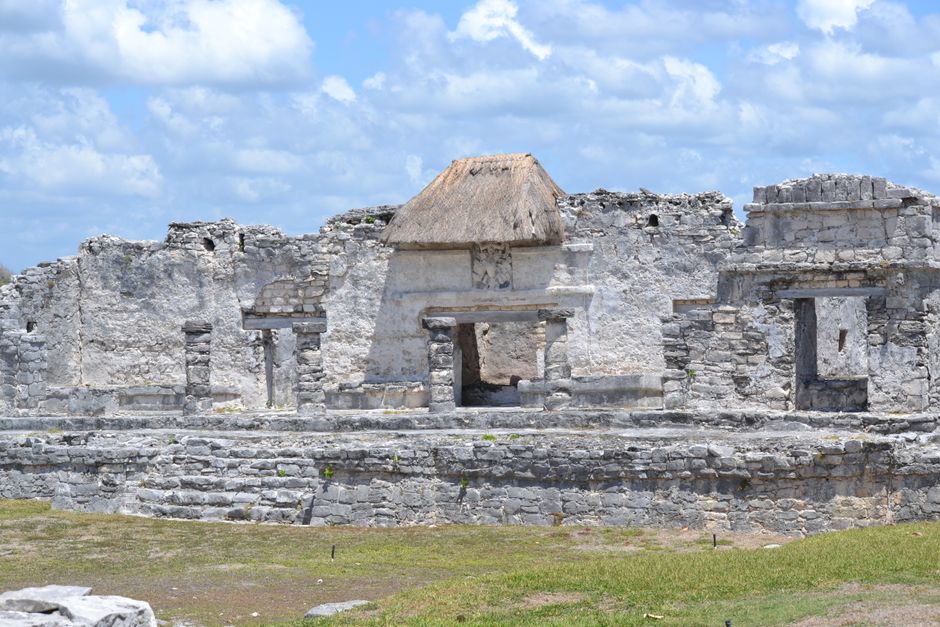
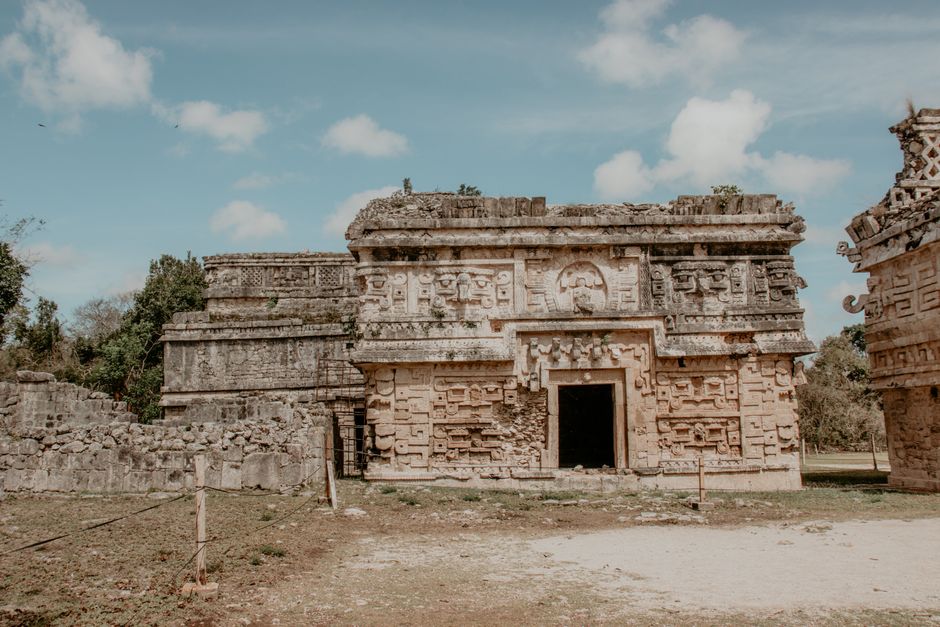
Beyond Chichen Itza, cultural tours reveal lesser-known but equally impressive sites. Uxmal enchants visitors with its intricate stone mosaics and unique Puuc architectural style, while Ek Balam features remarkably preserved stucco sculptures that offer rare glimpses into Maya artistry. Coba allows adventurous travelers to climb Nohoch Mul, the tallest pyramid in the Yucatan, rewarding them with breathtaking jungle canopy views. Tulum combines archaeological splendor with Caribbean coastal beauty, presenting ancient temples perched dramatically above turquoise waters.
Expert guides bring these ancient cities to life, explaining the significance of ball courts where ritual games determined political outcomes, deciphering hieroglyphic inscriptions that record dynastic histories, and revealing how these urban centers functioned as sophisticated political and religious capitals. Understanding the Maya civilization’s achievements enhances appreciation for their contributions to mathematics, astronomy, agriculture, and art that continue influencing modern culture.
Sacred Cenotes and Natural Wonders
The Yucatan Peninsula’s limestone bedrock creates thousands of cenotes, natural sinkholes that held profound spiritual significance for the ancient Maya. These crystalline freshwater pools served not only as vital water sources in a region without surface rivers but also as portals to Xibalba, the Maya underworld. Cultural tours incorporate cenote visits that combine natural beauty with cultural education, explaining how these sacred sites featured in Maya cosmology and religious ceremonies.
Swimming in cenotes provides refreshing respite from tropical heat while connecting travelers to ancient traditions. Some cenotes, like Ik Kil near Chichen Itza, feature dramatic open-air formations with cascading vines creating cathedral-like atmospheres. Others, such as Cenote Dzitnup, offer underground cave systems where filtered sunlight creates magical underwater lighting effects. Knowledgeable guides share stories of ceremonial offerings discovered in cenote depths, including precious jade, gold, and pottery that archaeologists have recovered, revealing the spiritual importance these sites held.
Beyond cenotes, the Yucatan’s natural wonders include biosphere reserves protecting unique ecosystems. The Sian Ka’an Biosphere Reserve, another UNESCO World Heritage Site, encompasses diverse habitats from mangrove forests to coral reefs, supporting jaguars, manatees, and over 300 bird species. Eco-cultural tours demonstrate how contemporary Maya communities practice sustainable resource management, continuing traditions of living harmoniously with nature that their ancestors established centuries ago.
Living Maya Culture and Traditions
While ancient ruins capture imagination, the Yucatan Peninsula’s greatest cultural treasure may be its living Maya communities where traditions persist in daily life. Approximately two million Maya people inhabit the region, maintaining languages, customs, agricultural practices, and spiritual beliefs passed down through generations. Authentic cultural tours facilitate meaningful interactions with these communities, offering insights into contemporary Maya life that extend beyond archaeological sites.
Visiting traditional villages reveals how ancient practices remain relevant. Women continue weaving intricate textiles using backstrap looms, creating patterns with symbolic meanings rooted in pre-Columbian traditions. Traditional Maya cuisine, recognized by UNESCO as Intangible Cultural Heritage, features dishes like cochinita pibil, poc chuc, and papadzules prepared using techniques unchanged for centuries. Participating in a traditional temazcal steam bath ceremony provides spiritual cleansing experiences that Maya healers have facilitated for generations.
Language preservation efforts demonstrate cultural resilience. Yucatec Maya remains widely spoken, with many communities maintaining it as their primary language. Cultural tours with bilingual guides who speak Maya, Spanish, and English offer unique perspectives, sharing stories and knowledge transmitted orally through generations. Understanding that Maya civilization didn’t disappear but rather adapted and persisted enriches the cultural tour experience, revealing continuity between ancient and modern Maya peoples.
Colonial Heritage and Cultural Fusion
The Spanish colonial period created fascinating cultural fusion throughout the Yucatan Peninsula. Colonial cities like Merida, the region’s capital, showcase this blending through architecture, cuisine, and traditions that combine European and Maya elements. Cultural tours through Merida’s historic center reveal grand colonial mansions, ornate churches built atop Maya temples, and vibrant markets where traditional and modern commerce intertwine.
Valladolid, a charming colonial city strategically positioned between major archaeological sites, offers intimate glimpses into Yucatecan culture. Its colorful buildings, historic convents, and authentic local atmosphere provide settings for understanding how indigenous and Spanish cultures merged. The city’s central market buzzes with vendors selling traditional crafts, fresh produce, and regional specialties, creating sensory experiences that connect travelers to daily Yucatecan life.
The henequen haciendas scattered throughout the peninsula tell stories of agricultural industry that shaped regional history. These vast estates produced sisal fiber that brought prosperity in the late 19th and early 20th centuries. Today, many restored haciendas function as museums, hotels, or cultural centers where tours explain the complex social dynamics, economic systems, and architectural innovations these enterprises created. Understanding this colonial and post-colonial history provides essential context for comprehending contemporary Yucatecan society.
Planning Your Cultural Tour Experience
Successful cultural tours require thoughtful planning to maximize experiences while respecting local communities and archaeological sites. The ideal time to visit the Yucatan Peninsula extends from November through April when temperatures moderate and rainfall decreases, though cultural sites remain accessible year-round. Preparing physically enhances enjoyment, as exploring archaeological sites involves considerable walking, stair climbing, and outdoor activity. Following general physical activity guidelines before traveling helps ensure you can fully engage with these active experiences.
Selecting tour operators committed to sustainable and responsible tourism ensures your visit benefits local communities while preserving cultural heritage. Best Maya Tours exemplifies this approach, employing knowledgeable local guides whose expertise brings sites alive while respecting sacred spaces and community boundaries. Small group tours offer more personalized experiences, allowing deeper engagement with guides and greater flexibility in exploring specific interests, whether archaeology, ecology, cuisine, or living traditions.
Cultural sensitivity enhances interactions throughout your journey. Learning basic Spanish phrases and a few words in Yucatec Maya demonstrates respect and often opens doors to warmer exchanges. Understanding appropriate behavior at sacred sites, such as cenotes and temples, honors their spiritual significance. Supporting local artisans by purchasing authentic handicrafts directly from makers provides economic benefits to communities while acquiring meaningful souvenirs that carry genuine cultural value.
Enriching Your Understanding Through Expert Guidance
The difference between merely visiting archaeological sites and truly understanding Maya civilization lies in expert interpretation. Professional guides transform stone structures into vibrant narratives, explaining how astronomers tracked celestial movements from observatories, how priests conducted ceremonies on pyramid summits, and how daily life unfolded in ancient plazas. Their knowledge encompasses not only historical facts but also ongoing archaeological discoveries that continually reshape understanding of Maya achievements.
Best Maya Tours provides this crucial interpretive element through guides who combine formal archaeological training with deep personal connections to the region. Many guides descend from Maya families, offering perspectives that academic knowledge alone cannot provide. They share family stories, explain traditional beliefs, and facilitate authentic cultural exchanges that commercial tourism often overlooks. This combination of scholarly expertise and lived cultural experience creates educational opportunities that transform casual visitors into informed cultural ambassadors.
Beyond individual site visits, comprehensive cultural tours create connections between different aspects of Yucatecan culture. Understanding how ancient agricultural techniques influence contemporary farming, how traditional architecture responds to tropical climate challenges, or how Maya mathematical concepts appear in modern contexts demonstrates cultural continuity and adaptation. These insights reveal that studying Maya civilization isn’t simply examining the past but rather engaging with living traditions that continue evolving while maintaining essential connections to ancestral wisdom.
Conclusion
Cultural tours of the Yucatan Peninsula offer transformative journeys through time, space, and living tradition. From climbing ancient pyramids to swimming in sacred cenotes, from exploring colonial cities to engaging with contemporary Maya communities, these experiences provide profound connections to one of humanity’s most sophisticated civilizations. The region’s extraordinary archaeological sites represent only part of its cultural wealth; the living traditions, natural wonders, colonial heritage, and warm hospitality of Yucatecan people create multidimensional experiences that educate, inspire, and transform.
Whether you’re planning your first visit or returning to explore deeper layers of this complex region, partnering with experienced operators like Best Maya Tours ensures meaningful, sustainable, and enriching cultural experiences. Their commitment to responsible tourism, expert local guides, and carefully curated itineraries reveal the Yucatan Peninsula’s treasures while respecting the communities and heritage that make this destination truly extraordinary. Begin your cultural journey today and discover why the Yucatan Peninsula captivates travelers seeking authentic connections to ancient wisdom, vibrant traditions, and timeless beauty.


