
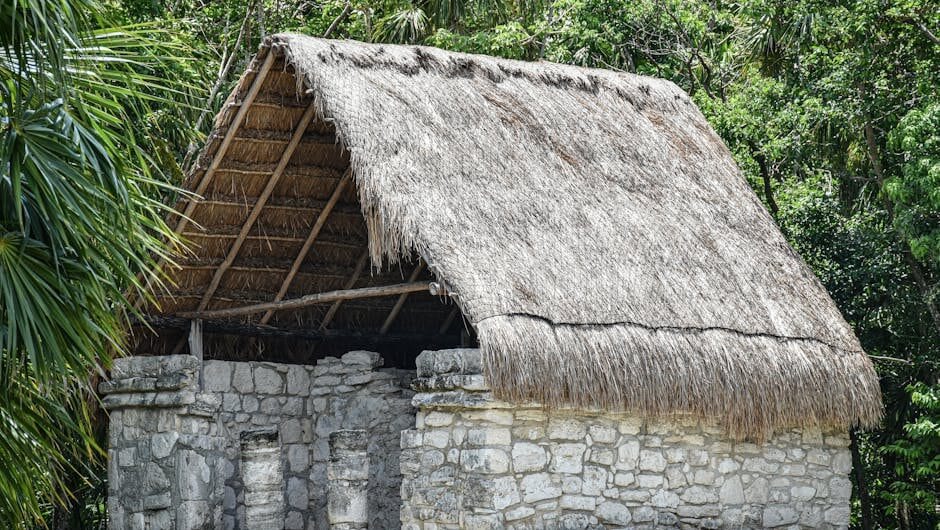
The turquoise waters and pristine beaches of Cancun draw millions of visitors each year, but just beyond the resort zones lie some of the most spectacular archaeological treasures on Earth. The ancient Mayan cities near Cancun offer an extraordinary opportunity to step back in time and explore the sophisticated civilization that once ruled the Yucatan Peninsula. These remarkable sites, ranging from world-famous pyramids to hidden jungle temples, provide travel agencies with unparalleled opportunities to create unforgettable cultural experiences for their clients.
Chichen Itza: The Crown Jewel of Mayan Architecture
No exploration of ancient Mayan cities would be complete without visiting Chichen Itza, one of the New Seven Wonders of the World. Located approximately 120 miles west of Cancun, this UNESCO World Heritage site represents the pinnacle of Mayan architectural achievement and astronomical knowledge.
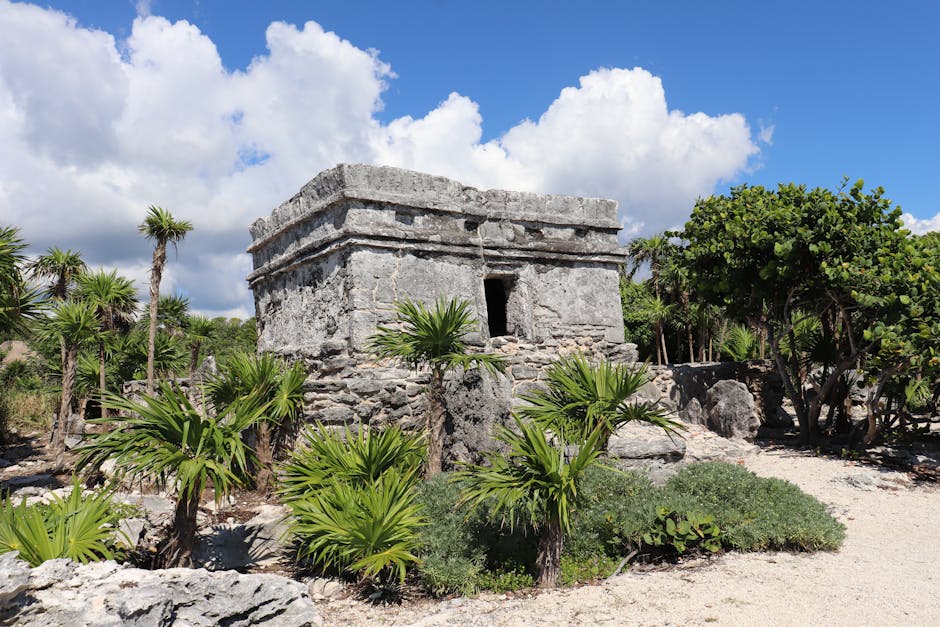
The iconic El Castillo pyramid dominates the landscape with its precise mathematical proportions and remarkable acoustic properties. During the spring and autumn equinoxes, shadows create the illusion of a serpent descending the pyramid’s steps—a testament to the Maya’s sophisticated understanding of celestial movements. The site’s Great Ball Court, the largest in Mesoamerica, showcases the importance of ritualistic sports in Mayan culture.
Planning Your Chichen Itza Visit
Travel agencies should recommend early morning departures to avoid crowds and the intense midday heat. The journey from Cancun typically takes 2.5 to 3 hours by road, making it ideal for day trips. Professional guides can illuminate the complex symbolism and historical significance of the various structures, transforming a simple sightseeing tour into an educational adventure.
The site features additional remarkable structures including the Temple of Warriors, the Observatory (El Caracol), and the Sacred Cenote. Each building reveals different aspects of Mayan society, from their military prowess to their advanced astronomical observations.
Tulum: Coastal Fortress with Caribbean Views
Perched dramatically on cliffs overlooking the Caribbean Sea, Tulum offers a unique combination of archaeological wonder and natural beauty. This walled city, located just 90 minutes south of Cancun, served as a crucial trading port during the late Postclassic period and remained inhabited when Spanish conquistadors arrived in the 16th century.
The Castillo, Tulum’s main temple, stands as a beacon visible from the sea, guiding ancient Maya traders to safe harbor. The Temple of the Frescoes contains some of the best-preserved Mayan murals in existence, depicting their complex cosmological beliefs and deities.
Combining History with Beach Time
What sets Tulum apart from other archaeological sites is the opportunity to combine historical exploration with beach relaxation. After touring the ruins, visitors can descend to the pristine beach below for swimming and snorkeling. This dual experience makes Tulum particularly attractive to families and travelers seeking both cultural enrichment and leisure activities.
The compact size of Tulum makes it perfect for half-day excursions, allowing travel agencies to pair it with cenote swimming, spa treatments, or visits to nearby eco-parks for comprehensive day packages.
Coba: Adventure in the Jungle Depths
Deep within the Yucatan jungle, approximately 110 miles from Cancun, lies Coba—one of the largest Mayan cities ever built. Unlike many other archaeological sites, Coba allows visitors to climb its towering pyramids, providing an adrenaline rush alongside historical discovery.

Nohoch Mul, standing at 138 feet, is the tallest pyramid in the Yucatan Peninsula. The challenging climb rewards visitors with breathtaking panoramic views of the surrounding jungle canopy. The site encompasses over 80 square kilometers, connected by an extensive network of elevated stone roads called sacbeob—ancient Mayan highways that demonstrate their sophisticated urban planning abilities.
Exploring Coba’s Hidden Treasures
The vast size of Coba means most of it remains unexcavated, adding an element of mystery and discovery to visits. Travelers can rent bicycles or hire bicycle taxis to navigate between the various pyramid groups scattered throughout the site. This active exploration appeals particularly to adventure-seeking clients and those interested in off-the-beaten-path experiences.
The Paintings Group features well-preserved stucco reliefs, while the numerous stelae throughout the site provide valuable insights into Mayan hieroglyphic writing and historical records.
El Rey Ruins: Cancun’s Hidden Archaeological Gem
For travelers with limited time or mobility concerns, El Rey Ruins offers an easily accessible introduction to Mayan archaeology. Located within Cancun’s hotel zone, this smaller site provides an intimate glimpse into ancient Mayan life without requiring extensive travel.
Dating from 900 to 1200 CE, El Rey served as a ceremonial center and fishing village. While modest compared to Chichen Itza or Tulum, the site’s 47 structures include temples, residential buildings, and a cenote that demonstrates the Maya’s relationship with natural water sources.
The site’s proximity to modern Cancun creates a striking juxtaposition between ancient and contemporary civilizations. Iguanas sunbathe on ancient stones while resort towers rise in the background, offering unique photographic opportunities and conversation starters about cultural preservation in tourist destinations.
Ek Balam: The Rising Star of Mayan Archaeology
Located 160 kilometers from Cancun, Ek Balam represents one of Mexico’s most exciting archaeological discoveries of recent decades. This ancient city reached its peak between 700 and 1000 CE and features some of the most intricate stone carvings in the Mayan world.

The centerpiece Acropolis pyramid allows climbing and provides stunning views across the Yucatan landscape. The tomb of Ukit Kan Lek Tok, discovered in 1998, contains remarkably preserved stucco decorations depicting the ruler’s journey to the underworld. These artistic masterpieces rival any found at more famous sites.
Combining Ek Balam with Cenote Adventures
Ek Balam’s location makes it ideal for combination tours featuring cenote swimming. The nearby Cenote X’Canche offers zip-lining, rappelling, and refreshing swims in crystal-clear waters. This pairing appeals to active travelers seeking both cultural education and adventure activities.
The site’s relative obscurity means fewer crowds and more intimate experiences with local guides who can share detailed knowledge about ongoing archaeological work and recent discoveries.
Xcaret and Xel-Ha: Modern Interpretations of Ancient Culture
While not ancient cities themselves, these eco-archaeological parks near Playa del Carmen offer immersive experiences that bring Mayan culture to life. Xcaret features replica Mayan villages, traditional ceremonies, and spectacular evening shows that showcase pre-Columbian traditions alongside natural wonders.
These parks excel at making Mayan culture accessible to all ages and physical abilities. Interactive exhibits, traditional crafts demonstrations, and authentic cuisine provide comprehensive cultural immersion without the physical demands of hiking through jungle ruins.
Planning Multi-Site Archaeological Adventures
Travel agencies can create compelling multi-day itineraries combining several ancient Mayan cities. A classic route might include Chichen Itza for world-class architecture, Tulum for coastal beauty, and Coba for jungle adventure. Adding cenote swimming, traditional Mayan villages, and local cuisine creates comprehensive cultural immersion experiences.

Transportation logistics require careful consideration. Private vehicles offer maximum flexibility for multi-site tours, while group coaches work well for single-destination excursions. Many tour operators provide air-conditioned transportation with multilingual guides, ensuring comfortable and educational journeys.
Seasonal Considerations and Best Practices
The dry season from December to April offers optimal weather conditions for archaeological exploration, though this coincides with peak tourism periods. The shoulder months of November and May provide excellent balances of favorable weather and smaller crowds.
Professional guides enhance every archaeological experience by providing historical context, explaining architectural significance, and sharing stories that bring ancient stones to life. INAH-certified guides ensure accurate information and respect for cultural heritage.
Creating Lasting Memories Through Ancient Wonders
The ancient Mayan cities near Cancun offer travel agencies extraordinary opportunities to create meaningful, educational, and adventurous experiences for their clients. From the astronomical precision of Chichen Itza to the jungle mystique of Coba, each site provides unique insights into one of history’s most fascinating civilizations.
These archaeological treasures demonstrate that the Riviera Maya region offers far more than beautiful beaches and luxury resorts. By incorporating visits to ancient Mayan cities into vacation packages, travel agencies can provide clients with profound cultural connections and unforgettable memories that last long after tans fade.
For travel agencies seeking to offer authentic, enriching experiences in the Cancun area, partnering with specialized cultural tour operators ensures professional service, accurate historical interpretation, and respect for these irreplaceable archaeological treasures. The ancient Maya built their cities to last millennia—now it’s our responsibility to share their stories with respect, wonder, and appreciation for their remarkable achievements.


