
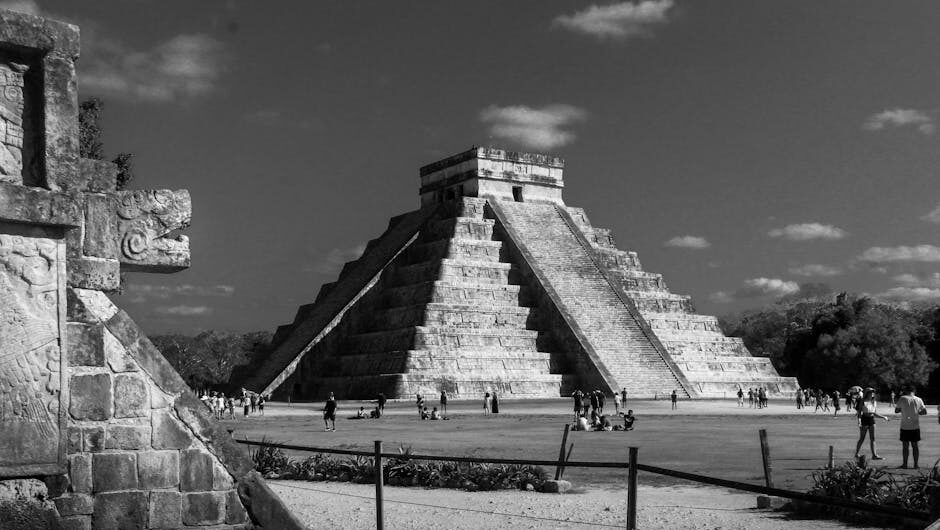
Planning your journey to Mexico’s spectacular Mayan ruins requires careful timing to maximize your experience. The best time to visit these ancient archaeological wonders depends on weather patterns, tourist seasons, and cultural events that can either enhance or complicate your exploration. Understanding these factors will help you choose the optimal months for discovering the mysteries of Chichen Itza, Palenque, Uxmal, and other magnificent sites scattered across Mexico’s Yucatan Peninsula and southern regions.
Mexico’s Mayan ruins attract millions of visitors annually, but timing your visit strategically can mean the difference between battling oppressive heat and overwhelming crowds versus enjoying comfortable temperatures and intimate encounters with these remarkable historical treasures.
Understanding Mexico’s Climate Patterns for Mayan Ruins Exploration
Mexico’s climate varies significantly across the regions where major Mayan ruins are located. The Yucatan Peninsula experiences a tropical climate with distinct wet and dry seasons, while ruins in Chiapas and other southern states face similar but more pronounced weather patterns.

Dry Season Advantages (November through April)
The dry season represents the most favorable period for visiting Mayan ruins, offering several compelling advantages:
- Minimal rainfall: Average precipitation drops to less than 2 inches monthly
- Comfortable humidity levels: Relative humidity stays between 60-70%
- Clear skies: Excellent conditions for photography and unobstructed views
- Stable temperatures: Daily highs range from 80-85°F (27-29°C)
- Pleasant evenings: Nighttime temperatures cool to comfortable 65-70°F (18-21°C)
Rainy Season Considerations (May through October)
While the wet season presents challenges, it also offers unique benefits for adventurous travelers:
- Lush vegetation: Jungle settings appear more vibrant and photogenic
- Fewer crowds: Significantly reduced tourist numbers at popular sites
- Lower prices: Hotels and tours offer substantial discounts
- Afternoon showers: Rain typically arrives in predictable afternoon patterns
- Cooler mornings: Early exploration becomes more comfortable
Peak Tourist Seasons and Crowd Management Strategies
Tourist density dramatically impacts your Mayan ruins experience, affecting everything from parking availability to photo opportunities. Understanding seasonal crowd patterns helps you plan accordingly.
High Season Challenges (December through March)
Peak tourist season coincides with optimal weather conditions, creating significant crowds at major sites. Mexico’s official tourism data shows visitor numbers increase by 300-400% during these months at popular locations like Chichen Itza and Tulum.
Popular sites to expect crowds:
- Chichen Itza experiences 8,000-12,000 daily visitors
- Tulum receives 6,000-8,000 visitors daily
- Coba and Uxmal see 2,000-4,000 daily visitors
- Parking fills by 10 AM at major locations
- Photography becomes challenging due to human congestion
Shoulder Season Benefits (April, May, and November)
These transitional months offer excellent compromises between weather and crowd levels:
- Moderate temperatures: Still comfortable for extended walking
- Reduced crowds: 40-50% fewer visitors than peak season
- Better availability: Easier hotel and tour bookings
- Flexible timing: More freedom in planning daily schedules
- Economic advantages: Moderate pricing on accommodations and services
Monthly Breakdown: When to Visit Specific Mayan Sites
January through February: Premium Conditions
These months offer the absolute best weather conditions for exploring Mayan ruins. Temperatures remain comfortable throughout the day, rainfall is virtually nonexistent, and humidity levels stay manageable. However, expect maximum crowds and highest prices.

Ideal for: First-time visitors, families with children, photography enthusiasts, and travelers prioritizing comfort over budget considerations.
March through April: Warming Temperatures
Late dry season brings slightly warmer temperatures but maintains excellent conditions. March represents the hottest month of the dry season, with temperatures reaching 90°F (32°C) at inland sites.
Best practices: Start tours at dawn, carry extra water, wear sun protection, and plan afternoon breaks in shaded areas or air-conditioned spaces.
May through June: Transition Period
Early rainy season brings increased humidity and occasional afternoon showers. However, morning conditions remain excellent for ruins exploration, and tourist crowds decrease significantly.
Strategic advantages: Lower prices, fewer crowds, lush jungle scenery, and comfortable morning temperatures for extensive walking.
July through August: Wet Season Considerations
Peak rainy season requires flexible planning but offers unique rewards. Rain typically arrives in predictable afternoon patterns, leaving mornings clear for exploration.
Essential preparations: Waterproof gear, flexible scheduling, covered footwear, and backup indoor activities for severe weather days.
September through October: Hurricane Season Awareness
Hurricane season presents the most challenging period for visiting Mayan ruins. While direct strikes remain statistically rare, weather patterns become unpredictable, and some sites may close temporarily during severe weather events.
Risk mitigation: Purchase comprehensive travel insurance, maintain flexible itineraries, monitor weather forecasts closely, and consider inland sites over coastal locations.
November: Optimal Shoulder Season
November emerges as many experienced travelers’ preferred month, combining excellent weather conditions with reduced crowds and moderate pricing.
Special Events and Cultural Celebrations to Consider
Timing your visit around significant cultural events can enhance your understanding of ancient Mayan civilization and contemporary Mexican culture.
Equinox Celebrations at Chichen Itza
The spring equinox (March 20-21) creates the famous shadow serpent effect on Chichen Itza’s El Castillo pyramid. While spectacular to witness, this event draws enormous crowds and requires advance planning.
Day of the Dead (November 1-2)
Mexico’s most significant cultural celebration offers unique perspectives on ancient and modern death traditions. Many archaeological sites host special ceremonies and cultural programs during this period.
Mayan New Year Celebrations
Various Mayan communities celebrate traditional new year ceremonies at different times, often incorporating ancient ruins as ceremonial locations. These events provide authentic cultural experiences for respectful visitors.
Regional Variations: Tailoring Your Visit by Location
Yucatan Peninsula Sites
Chichen Itza, Uxmal, Coba, and Mayapan experience relatively consistent tropical savanna climate. The National Weather Service data shows these locations maintain more stable conditions year-round compared to jungle sites.

Chiapas Highland Ruins
Palenque and other jungle sites experience more extreme wet season conditions. These locations become particularly challenging during peak rainfall months (June through September) but offer incredible biodiversity and fewer crowds.
Coastal Archaeological Sites
Tulum and other coastal ruins benefit from ocean breezes that moderate temperatures but face increased hurricane risk during late summer and early fall months.
Practical Planning Tips for Year-Round Success
Essential preparations regardless of season:
- Start early morning tours (6-8 AM) to avoid heat and crowds
- Carry minimum 2 liters of water per person
- Wear protective clothing and high-SPF sunscreen
- Pack rain gear during May through October
- Book accommodations and tours well in advance for December through March
- Consider travel insurance for hurricane season visits
- Research site-specific closure schedules and maintenance periods
Photography considerations:
- Golden hour lighting occurs 6-7 AM and 6-7 PM year-round
- Dry season offers clearest skies for aerial photography
- Wet season provides dramatic cloud formations and lush backgrounds
- Avoid midday visits for optimal lighting conditions
Budget Considerations Across Seasons
Seasonal pricing variations can significantly impact your overall travel costs:

- Peak season (December-March): Premium pricing on all services
- Shoulder season (April, May, November): Moderate pricing with good availability
- Low season (June-October): Substantial discounts but weather-related risks
Budget-conscious travelers can save 30-50% by visiting during wet season months while accepting weather-related challenges.
Conclusion: Making Your Optimal Choice
The best time to visit Mayan ruins in Mexico ultimately depends on your priorities, budget, and tolerance for crowds and weather challenges. November through February offers optimal conditions for first-time visitors and those prioritizing comfort. May through June provides excellent value for budget-conscious travelers willing to work around afternoon rain showers.
For the most rewarding experience, consider November as the sweet spot combining pleasant weather, manageable crowds, and reasonable pricing. Whatever timing you choose, proper preparation and realistic expectations will ensure your journey through Mexico’s ancient Mayan civilization becomes an unforgettable adventure.
Ready to explore Mexico’s magnificent Mayan ruins? Best Maya Tours specializes in creating authentic cultural experiences that bring ancient civilizations to life. Our expert local guides and commitment to sustainable tourism ensure your visit contributes positively to local communities while providing you with unparalleled insights into Mayan history and culture. Contact us today to begin planning your perfectly timed adventure through Mexico’s most spectacular archaeological treasures.


