
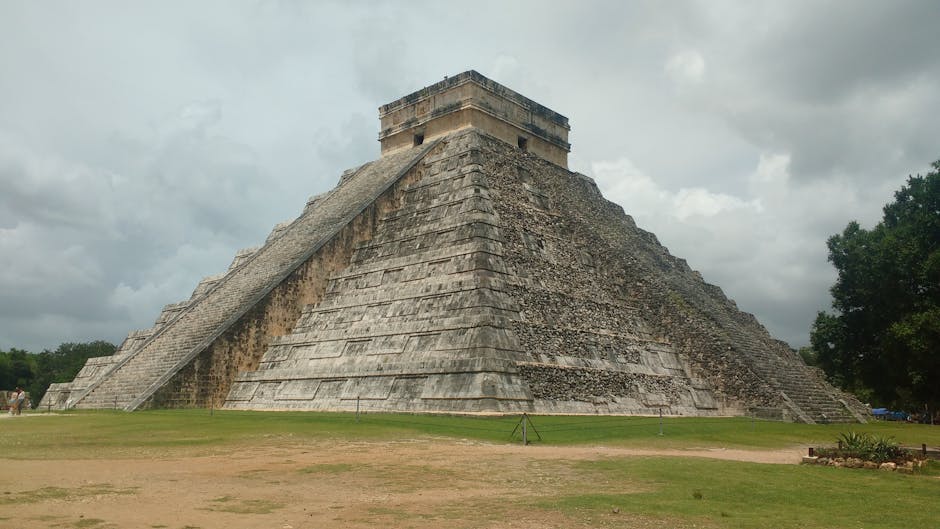
As travel agencies seek to maximize revenue and client satisfaction, understanding the best time to visit Riviera Maya Mayan ruins becomes crucial for successful client bookings. The region’s spectacular archaeological sites, including Chichen Itza, Tulum, and Coba, attract millions of visitors annually, but timing can dramatically impact both client experience and tour operator profitability. For agencies partnering with specialized operators like Best Maya Tours, strategic booking timing translates directly to enhanced client satisfaction, reduced cancellations, and increased repeat bookings.
The Riviera Maya’s tropical climate, seasonal tourism patterns, and site-specific factors create distinct windows of opportunity for optimal client experiences. Smart agencies recognize that the best time to visit Riviera Maya Mayan ruins extends beyond simple weather considerations to encompass crowd dynamics, accessibility, cultural events, and pricing structures that directly influence booking success rates and client retention.
Prime Season Analysis: Weather and Accessibility Factors
The optimal period for visiting Riviera Maya Mayan ruins spans from December through April, when dry season conditions create ideal circumstances for client bookings. During these months, average temperatures range from 75-85°F with minimal rainfall, ensuring archaeological sites remain accessible and comfortable for exploration. The Riviera Maya region experiences its most stable weather patterns during this timeframe, reducing the risk of tour cancellations that can devastate agency booking revenues.
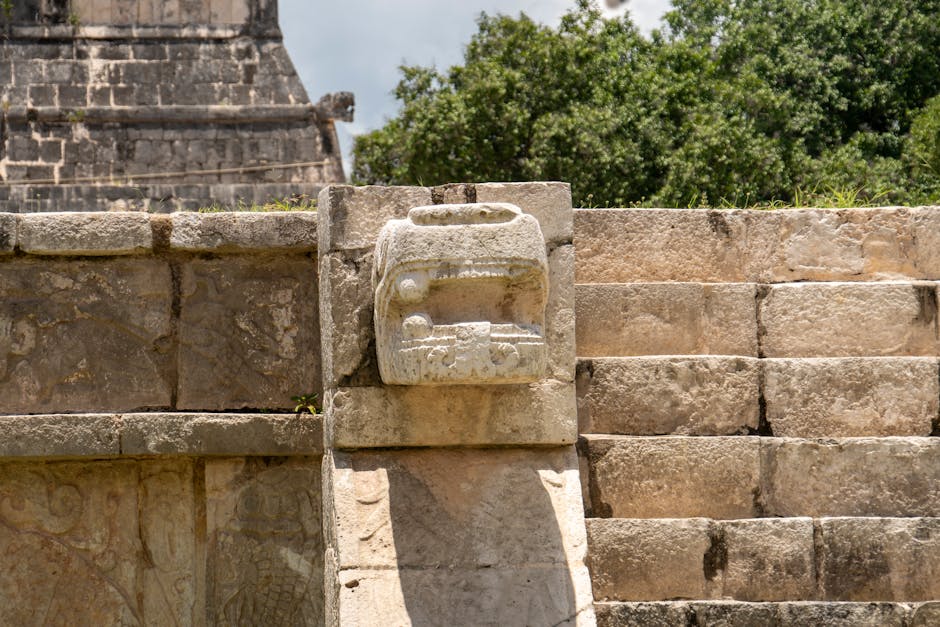
December through February represents the peak period for international tourism, creating high demand but also premium pricing opportunities. Agencies can capitalize on increased client willingness to pay higher rates for guaranteed excellent weather conditions. January and February specifically offer the driest conditions, with less than two inches of rainfall monthly, making them particularly attractive for clients seeking certainty in their travel experiences.
March and April provide an excellent balance of favorable weather and reduced crowds compared to peak winter months. These shoulder season opportunities allow agencies to offer competitive pricing while maintaining high-quality experiences at archaeological sites. The slightly warmer temperatures during these months remain comfortable for most clients, particularly those accustomed to cooler northern climates.
Rainy Season Considerations for Strategic Bookings
The rainy season from May through October presents both challenges and opportunities for savvy travel agencies. While afternoon thunderstorms are common, morning hours typically remain clear and ideal for ruin exploration. Agencies can leverage this pattern by booking early morning tours, offering clients substantial savings while avoiding weather-related disruptions.
September and October experience the heaviest rainfall, making them less ideal for client bookings focused on outdoor archaeological exploration. However, these months also feature the lowest tourist volumes and most competitive pricing from local operators, creating opportunities for budget-conscious clients and group bookings where flexibility exists.
Crowd Management Strategies for Enhanced Client Experience
Understanding visitor patterns at major Mayan sites enables agencies to optimize client booking times for maximum satisfaction. Chichen Itza, designated as a UNESCO World Heritage Site, experiences peak congestion between 10 AM and 2 PM throughout the year, particularly during high season months.
Early morning departures between 8-9 AM provide clients with optimal photographic opportunities and more intimate experiences with archaeological sites. This timing strategy becomes particularly valuable during peak season when afternoon crowds can overwhelm the experience. Agencies booking tours during these prime hours can command premium pricing while delivering exceptional value.
Late afternoon bookings, typically starting after 3 PM, offer another strategic advantage. As tour buses begin departing, sites become more peaceful, and the golden hour lighting creates spectacular photography conditions that enhance client satisfaction and social media sharing potential.
Site-Specific Timing Considerations
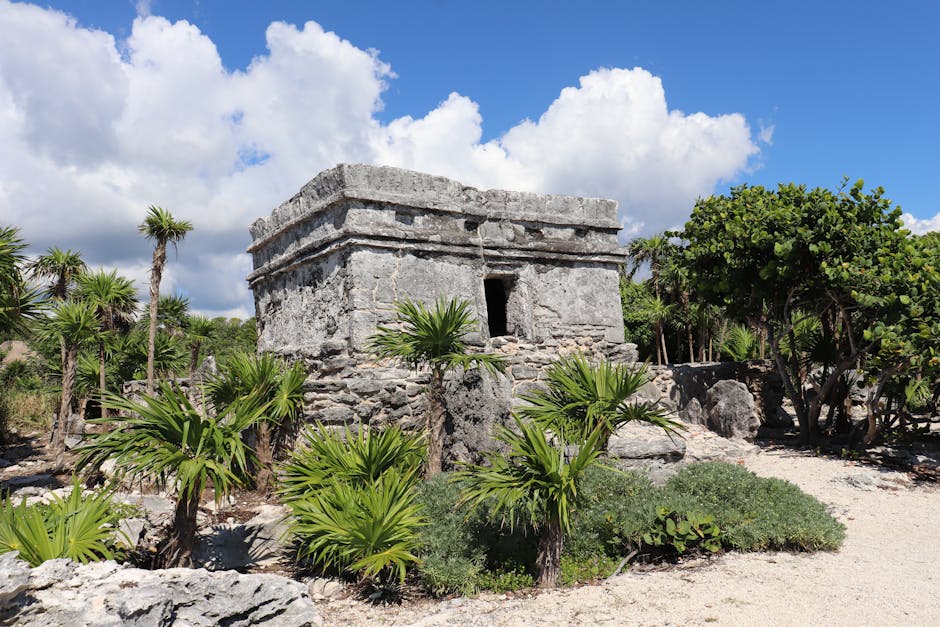
Tulum’s coastal location makes it particularly sensitive to weather conditions, with ocean breezes providing relief during warmer months but also increasing wind exposure during storms. Morning visits typically offer calmer conditions and better visibility for the iconic clifftop photographs that clients prize.
Coba’s jungle setting creates unique microclimate considerations. The dense canopy provides natural cooling but also retains humidity. Early morning bookings capitalize on cooler temperatures and active wildlife, enhancing the overall experience value for nature-oriented clients.
Cultural Events and Festival Impact on Booking Success
Mayan cultural celebrations throughout the year create unique opportunities for agencies to differentiate their offerings and command premium pricing. The spring equinox at Chichen Itza on March 20-21 demonstrates the site’s astronomical significance as shadows create the illusion of a serpent descending the pyramid steps. Bookings during this period require advance planning but generate exceptional client satisfaction and referral potential.
Day of the Dead celebrations from October 31 to November 2 provide cultural immersion opportunities that appeal to clients seeking authentic experiences beyond standard archaeological tours. While coinciding with the late rainy season, these events offer unique value propositions for agencies specializing in cultural tourism.
Local festivals and ceremonies throughout the year create additional booking opportunities for agencies willing to research and incorporate these elements into their offerings. The Mexican tourism authority provides official calendars of cultural events that agencies can leverage for specialized tour packages.
Religious and Agricultural Calendar Considerations
Traditional Mayan agricultural cycles continue to influence local celebrations and site accessibility. Agencies understanding these patterns can align bookings with harvest festivals and ceremonial observances that enrich client experiences while supporting local communities through responsible tourism practices.
Economic Timing for Maximum Booking Profitability
Strategic booking timing directly impacts agency profitability through variable pricing structures offered by tour operators and accommodation providers. Peak season rates from December through March typically command 30-50% premiums over shoulder and low season pricing, but also generate higher commission rates and client satisfaction scores.
Shoulder season booking opportunities in April-May and November provide optimal balance between cost savings and experience quality. Agencies can offer competitive packages while maintaining healthy margins, particularly when booking extended stays that capture multiple archaeological sites within single itineraries.
Low season bookings from June through October require careful client management but offer substantial cost advantages for price-sensitive segments. Agencies can package these periods with additional value-adds such as extended guided services or exclusive access opportunities that justify booking during less optimal weather windows.
Group Booking Advantages and Timing
Large group bookings benefit significantly from strategic timing coordination. Off-peak periods allow for better negotiation of exclusive access arrangements and customized experiences that smaller individual bookings cannot achieve. Educational and cultural groups particularly benefit from early morning exclusive access that most tour operators reserve for substantial advance bookings.
Health and Safety Considerations for Client Booking Decisions
Temperature and humidity variations throughout the year impact client safety and comfort, particularly for elderly or health-compromised travelers. Peak summer months from June through August present heat index values that can exceed safe exploration levels for extended periods, requiring modified tour schedules and additional safety precautions.

Hurricane season from June through November creates potential disruption risks that agencies must factor into booking recommendations. While direct hurricane strikes are relatively rare, peripheral weather effects can impact transportation and site accessibility. Comprehensive travel insurance becomes particularly important during these periods.
Mosquito and insect activity peaks during rainy season months, requiring client preparation and potentially affecting satisfaction levels for sensitive individuals. Agencies booking during these periods should provide detailed preparation guides and consider insect-borne disease prevention protocols.
Accessibility and Mobility Considerations
Site conditions vary significantly with weather patterns, affecting accessibility for clients with mobility limitations. Wet season conditions can create challenging walking surfaces at jungle sites like Coba, while dry season provides optimal conditions for clients requiring stable footing and clear pathways.
Technology and Communication Strategies for Optimal Booking Windows
Modern booking systems enable agencies to leverage real-time weather data and site condition reports for optimal client consultation. Integration of weather forecasting tools with booking platforms allows for proactive communication about optimal visit windows and alternative arrangements during unfavorable conditions.
Social media monitoring of site conditions and visitor experiences provides valuable intelligence for timing recommendations. Client-generated content during different seasons offers authentic perspectives that enhance booking consultation quality and client confidence.
Mobile communication capabilities enable real-time adjustments to tour schedules based on developing weather conditions, maximizing client satisfaction while minimizing disruption-related refunds and complaints that can damage agency relationships.
Conclusion: Strategic Timing for Sustainable Booking Success
Mastering the best time to visit Riviera Maya Mayan ruins for client bookings requires balancing weather conditions, crowd dynamics, cultural events, and economic factors to optimize both client satisfaction and agency profitability. The December through April dry season provides the most reliable foundation for successful bookings, while strategic shoulder season timing offers competitive advantages for flexible clients.
Understanding site-specific conditions and cultural calendar opportunities enables agencies to differentiate their offerings and command premium pricing through enhanced value delivery. The key to sustainable booking success lies in matching optimal visit timing with specific client preferences and priorities while maintaining clear communication about seasonal variations and their impacts.
For travel agencies seeking to maximize their Riviera Maya archaeological tour bookings, partnering with experienced operators like Best Maya Tours ensures access to local expertise and real-time conditions intelligence that enhances booking success rates and client satisfaction scores. Strategic timing combined with professional local guidance creates the foundation for exceptional client experiences and sustainable agency growth in this competitive market segment.


