
Mayan calendar significance explained

The ancient Maya civilization created one of the world’s most sophisticated and accurate calendar systems, far surpassing European calendars of their time. This remarkable achievement continues to fascinate archaeologists, historians, and travelers who visit the Yucatan Peninsula to explore magnificent sites like Chichen Itza. Understanding the Mayan calendar system provides profound insights into their advanced mathematical knowledge, astronomical observations, and spiritual beliefs that shaped their entire civilization.

For modern travelers seeking to connect with this ancient wisdom, private Chichen Itza tours and comprehensive Yucatan Peninsula tours offer unparalleled opportunities to witness these calendar concepts carved in stone at archaeological sites throughout the region. How to Differentiate Your Mexico Tours with Mayan Focus: A Strategic Guide for Travel Agencies can help travel professionals tailor experiences.

The Three Interlocking Calendar Systems

The Maya didn’t use just one calendar—they developed three interconnected systems that worked together like cosmic gears. The most fundamental was the Tzolk’in, a 260-day sacred calendar combining 20 day names with 13 numbers. This calendar governed religious ceremonies, agricultural activities, and personal destiny readings.

mayan calendar significance explained

The second system, called the Haab’, consisted of 365 days divided into 18 months of 20 days each, plus five additional days considered unlucky. This solar calendar tracked seasons and agricultural cycles, essential for farming communities across the Riviera Maya region.

The third element was the Long Count, a linear calendar that tracked longer historical periods. Unlike the cyclical nature of the other two calendars, the Long Count measured time from a creation date equivalent to August 11, 3114 BCE in our calendar system.

These three calendars worked together to create the Calendar Round, a 52-year cycle that combined the Tzolk’in and Haab’ calendars, marking significant ceremonial periods throughout Mayan society.

Mathematical Precision and Astronomical Knowledge

The accuracy of Mayan calendars demonstrates their extraordinary mathematical and astronomical capabilities. Their calculations of the solar year (365.2420 days) came remarkably close to our modern measurement of 365.2422 days. This precision enabled them to predict eclipses, track planetary movements, and align their magnificent temples with celestial events.

mayan calendar significance explained

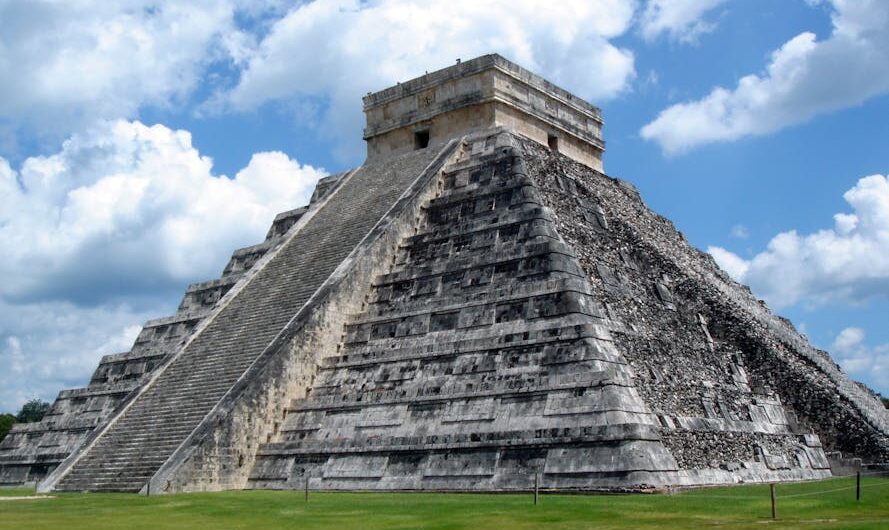
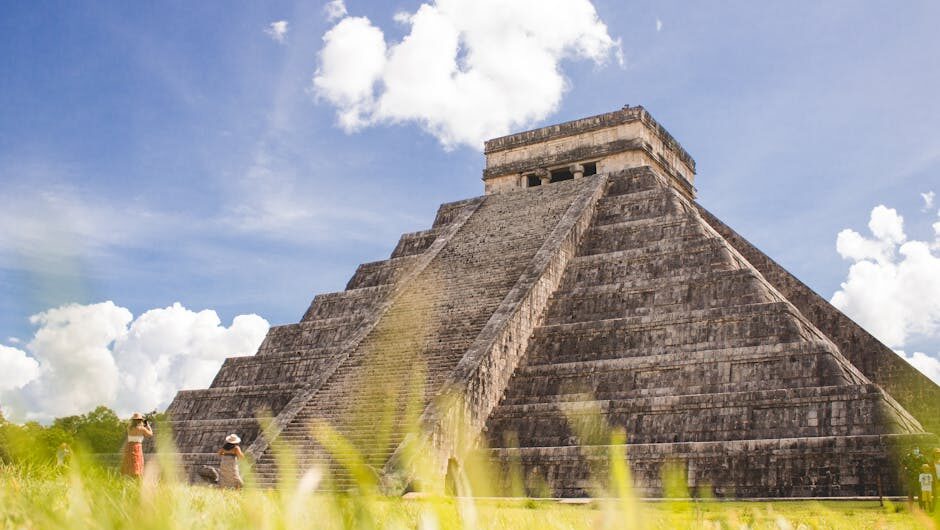
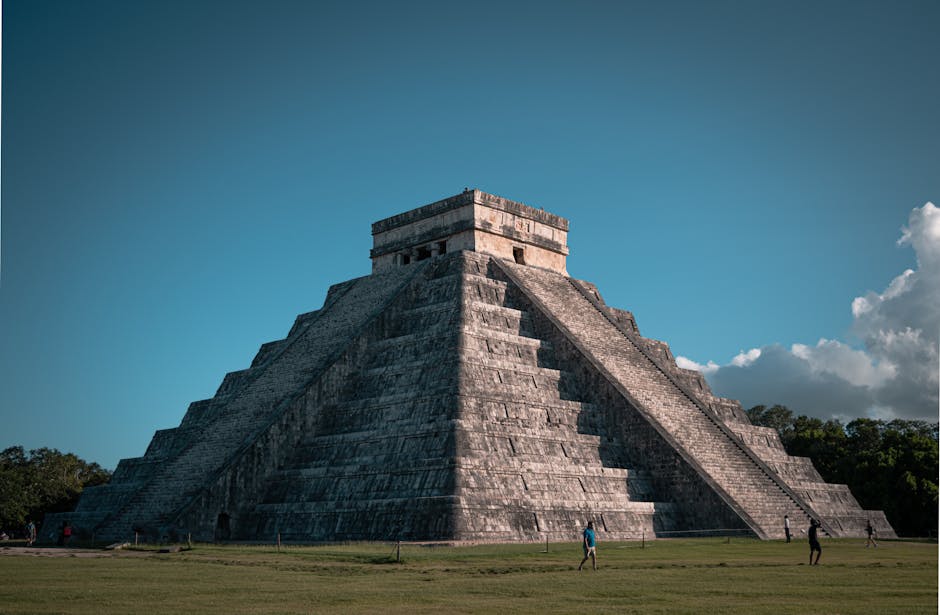
Visitors on private tours to sites like Chichen Itza can witness this astronomical knowledge firsthand. The famous El Castillo pyramid creates shadow serpents during equinoxes, while the Caracol observatory tracked Venus cycles with stunning accuracy. These architectural marvels serve as stone calendars, encoding complex astronomical data into their very structure.

The Maya developed advanced mathematical concepts, including the use of zero centuries before it appeared in European mathematics. This mathematical sophistication allowed them to make calculations spanning millions of years, as evidenced in inscriptions found throughout the Yucatan Peninsula. Private Riviera Maya Tours Wholesale Rates for Agents: Maximizing Profit Margins in Paradise can make these discoveries more accessible.

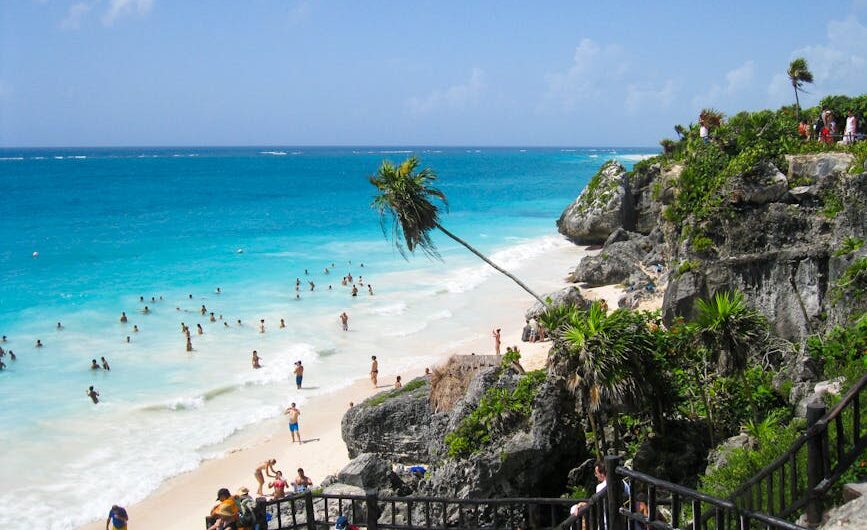
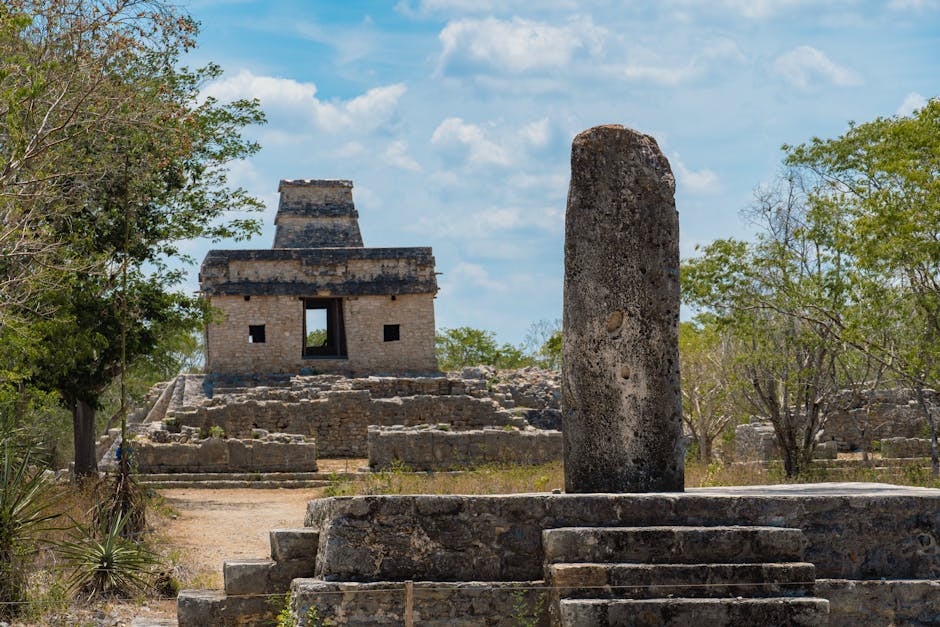
Modern travelers exploring Mayan ruins tours can observe how calendar calculations influenced urban planning, with entire cities oriented according to astronomical alignments. Sites like Uxmal, Coba, and Tulum showcase different aspects of this calendar-based architecture.

Religious and Spiritual Significance

The Mayan calendar system was deeply intertwined with their spiritual beliefs and religious practices. Each day in the Tzolk’in calendar carried specific spiritual energy and meaning, influencing everything from naming children to planning important ceremonies. Priests and daykeepers used these calendars to determine auspicious dates for planting, harvesting, warfare, and religious festivals.

mayan calendar significance explained

The 13 numbers in the Tzolk’in represented the 13 levels of heaven in Mayan cosmology, while the 20 day signs corresponded to various deities and natural forces. This sacred calendar guided personal and community decisions, creating a rhythm of life synchronized with cosmic forces.

During multi-day tours through the region, visitors can learn about contemporary Maya communities that still follow traditional calendar practices. Many indigenous groups in the Yucatan continue to use aspects of the ancient calendar system for agricultural timing and ceremonial purposes, maintaining connections to their ancestral wisdom.

The concept of cyclical time, fundamental to Mayan calendar philosophy, contrasts sharply with linear Western time concepts. This cyclical worldview emphasized renewal, regeneration, and the eternal return of cosmic patterns—beliefs still evident in modern Maya communities throughout the Riviera Maya.

Archaeological Evidence and Decipherment

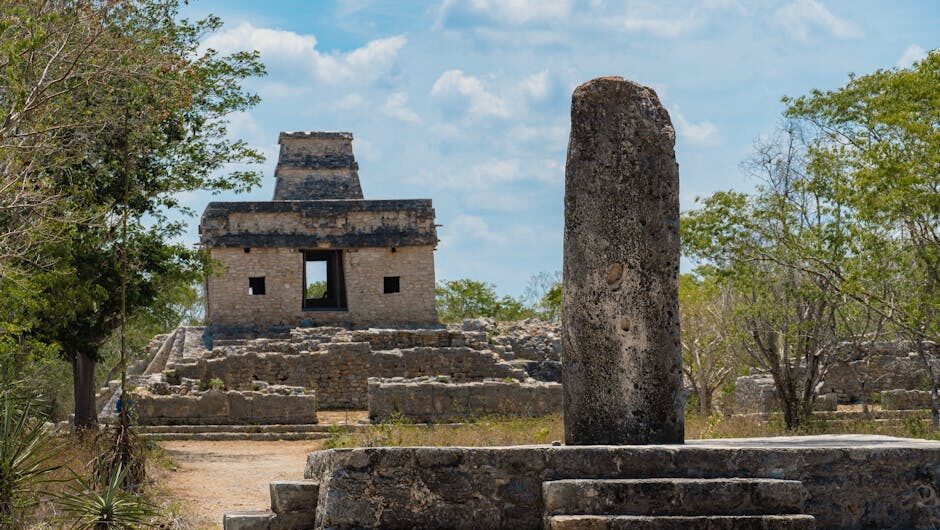
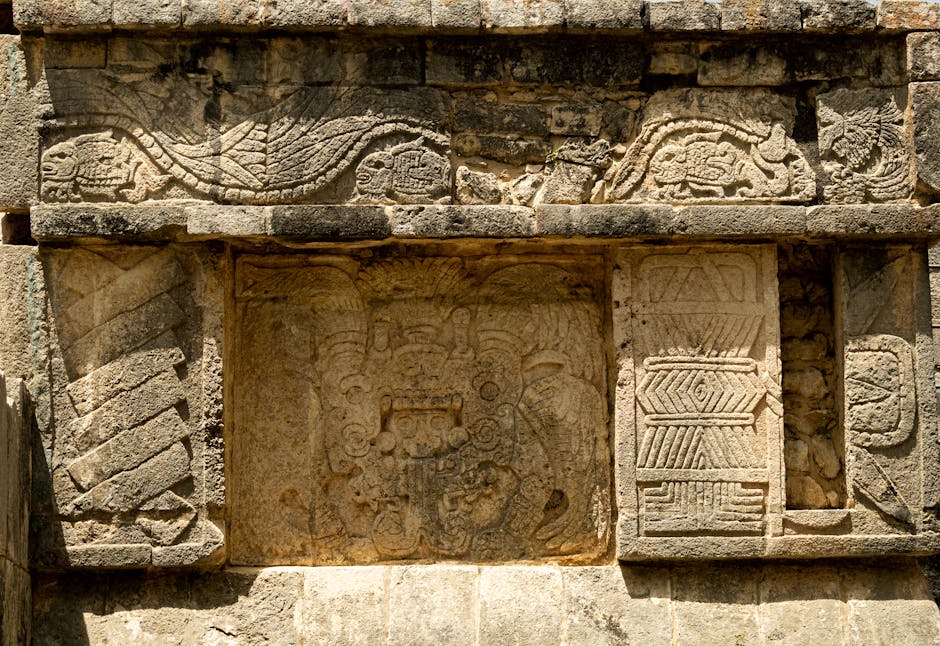
Archaeological discoveries throughout the Maya region have provided extensive evidence of calendar usage. Stone monuments called stelae record important dates using Long Count notation, while codices (bark paper books) contain detailed calendar calculations and astronomical tables.

mayan calendar significance explained

The Dresden Codex, one of only four surviving Maya books, contains sophisticated Venus tables and eclipse prediction charts that demonstrate the practical applications of their calendar knowledge. These documents, combined with architectural evidence at sites accessible through private Yucatan Peninsula tours, reveal the central role calendars played in Maya civilization. What to Pack for a Riviera Maya Tour will ensure travelers are prepared for these discoveries.

Hieroglyphic inscriptions found at major sites record historical events, royal births, and military conquests using precise calendar notations. The decipherment of these inscriptions has revolutionized our understanding of Maya history and calendar usage, transforming archaeological sites from mysterious ruins into readable historical records.

Recent discoveries continue to expand our knowledge of Maya calendar practices. Excavations at sites like Xultun in Guatemala have uncovered rooms with calendar calculations written on walls, showing working astronomers’ calculations from over 1,000 years ago. These findings demonstrate that calendar knowledge wasn’t limited to elite priests but was actively used by Maya scholars and astronomers.

Cultural Legacy and Modern Relevance

The influence of Maya calendar systems extends far beyond ancient history. Modern Maya communities throughout the Yucatan Peninsula maintain traditional calendar knowledge through daykeeper traditions and ceremonial practices. These living traditions provide valuable insights into how ancient calendar systems functioned in daily life.

Contemporary interest in Maya calendars peaked around 2012, when the completion of a Long Count cycle sparked worldwide discussions about Maya prophecies. While popular media often misrepresented these concepts, genuine Maya traditions view calendar endings as times of renewal rather than destruction, emphasizing the cyclical nature of time and cosmic regeneration.

For travelers interested in authentic cultural experiences, best private tours in Riviera Maya can include meetings with contemporary Maya daykeepers who maintain traditional calendar knowledge. These encounters provide unique opportunities to understand how ancient wisdom continues to guide modern communities.

The precision and sophistication of Maya calendars have influenced modern archaeological research methods and continue to inform studies of ancient astronomy worldwide. NASA research has validated many Maya astronomical observations, confirming the accuracy of their celestial calculations.

Experiencing Maya Calendar Wisdom Today

Understanding Maya calendar significance enhances any visit to the region’s archaeological sites. Whether exploring Chichen Itza’s astronomical alignments, examining calendar inscriptions at Palenque, or discovering lesser-known sites through specialized Mayan ruins tours, this knowledge transforms ancient stones into windows into sophisticated scientific thinking.

Complementary experiences like the Sian Ka’an lazy river tour and lazy river Tulum excursions provide opportunities to connect with the natural environment that Maya astronomers observed so carefully. These eco-tourism activities, combined with cultural site visits, create comprehensive understanding of how the Maya integrated natural observation with spiritual practice.

Professional guides specializing in Maya culture can explain calendar concepts while standing in the very places where ancient astronomers made their observations. This direct connection between place, knowledge, and experience creates lasting appreciation for Maya intellectual achievements.

The UNESCO World Heritage designation of sites like Chichen Itza recognizes the global significance of Maya calendar knowledge and astronomical achievements, ensuring these treasures remain accessible to future generations of learners and travelers.

Conclusion

The Maya calendar system represents one of humanity’s greatest intellectual achievements, combining mathematical precision, astronomical observation, and spiritual wisdom into an integrated worldview. For modern travelers, understanding these concepts enriches every moment spent exploring the Yucatan Peninsula’s magnificent archaeological sites.

Through carefully planned private tours and expert guidance, visitors can appreciate how Maya calendar knowledge influenced architecture, urban planning, agriculture, and spiritual practice. These insights transform tourist visits into profound cultural encounters, connecting contemporary travelers with ancient wisdom that continues to inspire wonder and respect.

Whether you’re planning a comprehensive multi-day tour or focused private Chichen Itza tours, understanding Maya calendar significance will deepen your appreciation for one of the world’s most sophisticated ancient civilizations. The precision of their timekeeping, the beauty of their astronomical observations, and the integration of science with spirituality offer timeless lessons about human potential and our relationship with the cosmos.

Best Maya Tours specializes in bringing these ancient concepts to life through expertly guided experiences that combine historical accuracy with engaging storytelling, ensuring your journey through Maya calendar wisdom becomes an unforgettable exploration of human achievement. USA Travel Agencies Partner with Best Maya Tours: Your Gateway to Ancient Wonders and How Travel Agencies Can Book Exclusive Maya Tours for Your Clients and Maximize Customer Satisfaction are excellent resources for partners.

What makes a mayan tour impactful

The ancient Mayan civilization continues to captivate travelers from around the world, drawing millions to the Yucatan Peninsula each year. However, not all Mayan tours are created equal. An impactful Mayan tour transcends simple sightseeing, creating transformative experiences that connect visitors with one of history’s most sophisticated civilizations. Understanding what distinguishes exceptional tours from ordinary ones can help travelers make informed decisions that lead to life-changing adventures.

The difference between a memorable trip and a truly impactful journey lies in the depth of cultural immersion, the quality of expert guidance, and the commitment to sustainable tourism practices. When these elements combine seamlessly, travelers don’t just visit ancient sites—they step into living history, gaining profound insights into Mayan culture, astronomy, mathematics, and spirituality that continue to influence the region today.

Expert Guides: The Heart of Cultural Understanding

The foundation of any impactful Mayan tour rests on the expertise and passion of knowledgeable guides who bring ancient stones to life through compelling storytelling. Professional guides specializing in Mayan history possess deep understanding of archaeological discoveries, cultural traditions, and spiritual practices that shaped this remarkable civilization.

what makes a mayan tour impactful

During private Chichen Itza tours, expert guides can provide personalized attention, answering specific questions about the intricate astronomical alignments of El Castillo pyramid or explaining the symbolic significance of the Great Ball Court. Their expertise extends beyond memorized facts, encompassing understanding of recent archaeological findings, deciphered hieroglyphics, and connections between different Mayan sites across the region.

The best guides also understand local Maya communities that continue traditional practices today. They can explain how ancient farming techniques, textile weaving, and spiritual ceremonies persist in modern Yucatecan villages, creating meaningful connections between past and present. This living cultural context transforms archaeological sites from museum pieces into vibrant representations of ongoing heritage.

Certified guides often speak multiple languages and understand diverse cultural perspectives, ensuring international visitors can fully appreciate the complexity of Mayan achievements. Their ability to adapt explanations for different age groups and interests makes tours engaging for families, scholars, and casual travelers alike.

Personalized Experiences Through Private Tours

Private Yucatan Peninsula tours offer unparalleled opportunities for customized experiences that cater to individual interests and travel preferences. Unlike crowded group tours with rigid schedules, private tours allow flexibility to spend more time at sites that captivate particular travelers, whether focusing on architectural marvels, astronomical alignments, or spiritual practices.

what makes a mayan tour impactful

The intimacy of private touring enables deeper conversations with guides, who can tailor their presentations to match visitors’ backgrounds and curiosities. A family with children might enjoy interactive storytelling about Mayan legends, while archaeology enthusiasts can delve into technical discussions about construction techniques and urban planning innovations.

Best private tours in Riviera Maya combine multiple elements: exclusive access to certain areas during optimal lighting conditions, personalized pacing that accommodates photography interests, and flexibility to explore lesser-known sites that align with specific preferences. Private tours also eliminate the frustration of waiting for large groups, allowing more meaningful engagement with each location.

The personalized approach extends to accommodation preferences, dining experiences featuring authentic regional cuisine, and integration of additional activities like cenote swimming or traditional craft workshops. This customization ensures every aspect of the journey contributes to a cohesive, impactful experience rather than feeling like disconnected tourist activities.

Multi-Day Immersion and Comprehensive Exploration

Multi day tours provide the time necessary for deep cultural immersion that single-day excursions cannot achieve. Extended itineraries allow travelers to experience the full spectrum of Mayan heritage across multiple sites, each offering unique insights into different aspects of the civilization.

what makes a mayan tour impactful

A comprehensive multi-day journey might begin with the iconic Chichen Itza, continue to the coastal fortress of Tulum with its stunning Caribbean backdrop, explore the massive pyramids of Coba hidden in jungle settings, and conclude with the colorful colonial charm of Valladolid. Each location contributes distinct elements: astronomical sophistication, maritime trading networks, urban planning innovations, and cultural continuity.

Extended tours also provide opportunities to experience Mayan culture beyond archaeological sites. Visitors can participate in traditional ceremonies, learn ancient cooking techniques, observe master craftspeople creating textiles using pre-Columbian methods, and interact with contemporary Maya communities maintaining ancestral traditions.

The rhythm of multi-day exploration allows for reflection and integration of new knowledge. Travelers can process complex information about Mayan mathematics, calendar systems, and spiritual beliefs gradually, building understanding that enhances appreciation of each subsequent site visit.

Natural Wonders and Ecological Integration

Impactful Mayan tours recognize that ancient civilizations were intimately connected to their natural environment. The Sian Ka’an lazy river tour exemplifies this integration, combining UNESCO World Heritage site exploration with pristine ecological experiences that demonstrate how Maya people harmonized with tropical ecosystems.

what makes a mayan tour impactful

The lazy river Tulum experience showcases the sophisticated water management systems that enabled Mayan cities to thrive in challenging environments. Floating through crystal-clear channels surrounded by mangrove forests, visitors witness the same natural beauty that inspired Mayan creation myths and influenced their architectural orientations.

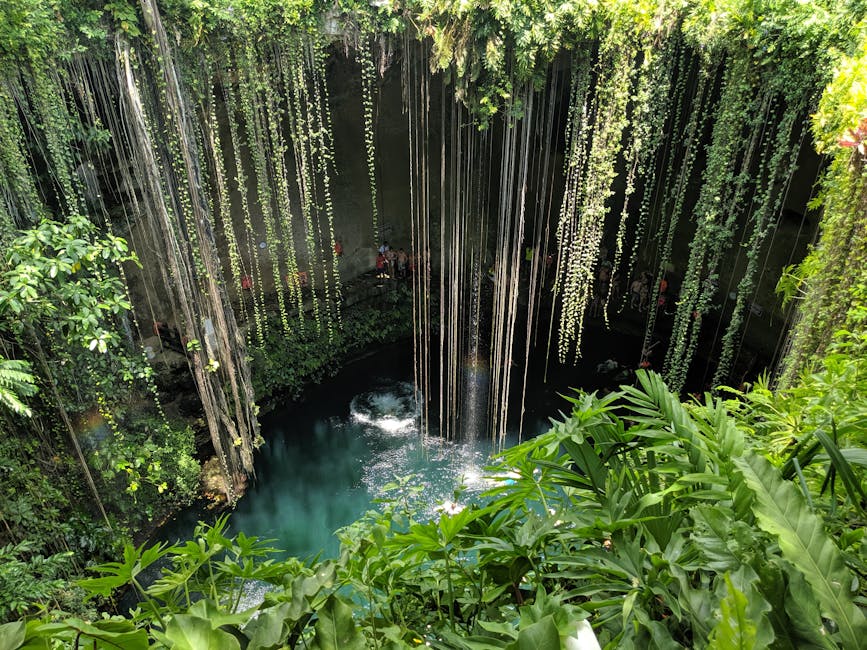
Cenotes, the sacred sinkholes that dot the Yucatan Peninsula, played crucial roles in Mayan spirituality and daily life. Swimming in these natural cathedrals while learning about their ceremonial significance creates profound connections to ancient beliefs about underworld realms and the cycle of life and death.

Responsible tours emphasize conservation efforts protecting these fragile ecosystems. Guides explain how sustainable tourism supports both archaeological preservation and environmental protection, ensuring future generations can experience these remarkable sites. UNESCO’s recognition of Sian Ka’an Biosphere Reserve highlights the international importance of preserving these interconnected cultural and natural treasures.

Sustainable Tourism and Community Impact

Truly impactful Mayan tours prioritize sustainable practices that benefit local communities while preserving archaeological and natural heritage for future generations. This commitment extends beyond environmental considerations to encompass social and economic impacts on contemporary Maya populations.

Responsible tour operators collaborate with local guides, ensuring employment opportunities remain within communities connected to these ancestral sites. They source meals from local restaurants serving traditional recipes, support artisan cooperatives selling authentic crafts, and contribute to conservation funds maintaining archaeological sites and protecting surrounding ecosystems.

Educational components help travelers understand ongoing challenges facing archaeological preservation. Climate change, urban development, and tourism pressure threaten these irreplaceable cultural resources. Mexico’s National Institute of Anthropology and History (INAH) works continuously to balance public access with site protection, requiring visitor cooperation and responsible tourism practices.

Sustainable tours also educate visitors about contemporary Maya communities, dispelling stereotypes while highlighting cultural continuity. Meeting weavers, farmers, and ceremonial leaders who maintain traditional practices demonstrates how ancient wisdom adapts to modern contexts, creating appreciation for living heritage beyond archaeological artifacts.

Creating Lasting Connections and Understanding

The most impactful Mayan tours create lasting connections that extend beyond vacation memories to influence travelers’ perspectives on history, culture, and humanity’s shared heritage. These transformative experiences occur when multiple elements align: expert interpretation, personalized attention, sufficient time for reflection, and meaningful cultural encounters.

Effective tours help visitors understand Mayan achievements within global historical contexts. Learning about mathematical innovations, astronomical observations, and architectural techniques that rivals contemporary civilizations challenges common misconceptions about “primitive” societies while highlighting universal human creativity and ingenuity.

The spiritual dimensions of Mayan culture offer particular opportunities for personal reflection. Understanding concepts like cyclical time, harmony with natural forces, and the integration of daily life with cosmic rhythms can provide fresh perspectives on modern lifestyle challenges and environmental relationships.

Recent advances in hieroglyphic decipherment continue revealing new insights about Mayan history, politics, and daily life. Tours that incorporate these discoveries help visitors appreciate ongoing scholarly work while understanding how archaeological interpretation evolves with new evidence.

Conclusion

An impactful Mayan tour transcends typical sightseeing to create transformative experiences that deepen understanding of one of humanity’s most remarkable civilizations. Through expert guidance, personalized attention, comprehensive exploration, ecological integration, and sustainable practices, exceptional tours connect visitors with both ancient wisdom and contemporary realities.

The combination of private tours Riviera Maya expertise with multi-day immersion creates opportunities for profound cultural engagement that casual visits cannot achieve. Whether exploring the astronomical sophistication of Chichen Itza, floating through sacred cenotes, or meeting contemporary Maya artisans, impactful tours recognize that authentic cultural exchange requires time, respect, and genuine commitment to understanding.

For travelers seeking meaningful encounters with Mayan heritage, choosing tours that prioritize cultural authenticity, environmental sustainability, and community benefits ensures their journey contributes positively while creating lasting personal transformation. The ancient Maya built monuments to endure millennia—impactful tours help ensure their cultural legacy continues inspiring future generations through responsible, respectful exploration of their remarkable achievements. Booking Mayan Tours for American Travelers, for example, requires attention to these details. Additionally, travel agencies looking to enhance their offerings might consider how to differentiate their Mexico tours with Mayan focus. For broader partnerships, USA Travel Agencies Partner with Best Maya Tours to streamline their offerings.

The importance of local guides for mayan tours: unlocking ancient mysteries

When embarking on a journey through the magnificent Yucatan Peninsula and its ancient Mayan ruins, the difference between a good tour and an extraordinary experience lies in one crucial element: a knowledgeable local guide. The intricate history, complex cultural nuances, and hidden secrets of the Mayan civilization cannot be fully appreciated through guidebooks alone. Local guides serve as living bridges between the ancient world and modern travelers, transforming ordinary sightseeing into profound cultural immersion.

The Mayan civilization, spanning over 3,000 years, left behind a legacy of architectural marvels, sophisticated astronomical knowledge, and rich cultural traditions that continue to influence the region today. From the iconic pyramids of Chichen Itza to the coastal ruins of Tulum and the pristine wilderness of Sian Ka’an, each site holds layers of meaning that only local experts can truly unveil. Best Maya Tours recognizes this fundamental truth, employing passionate local guides who bring these ancient stones to life with their deep-rooted knowledge and personal connections to the land.

Cultural Authenticity and Historical Accuracy

Local guides possess an irreplaceable advantage: they are the descendants of the very civilization they interpret. Their understanding of Mayan culture extends beyond academic knowledge to include oral traditions, family stories, and cultural practices passed down through generations. This authentic perspective ensures that visitors receive accurate historical information while gaining insights into how ancient Mayan traditions continue to influence modern life in the Yucatan Peninsula.

importance of local guides mayan tours

During private Chichen Itza tours, local guides can explain not just the architectural significance of the Kukulkan Pyramid, but also share stories about how their grandparents witnessed certain ceremonies or maintained traditional practices connected to these sacred sites. They understand the subtle differences between various Mayan dialects, the significance of specific symbols, and the astronomical alignments that demonstrate the sophistication of Mayan knowledge.

The Smithsonian Institute emphasizes how indigenous knowledge systems, particularly those of the Maya, offer valuable insights into sustainable living and environmental stewardship that remain relevant today. Local guides can share these contemporary connections, making ancient wisdom applicable to modern life.

Personalized Experiences and Hidden Gems

The true value of local guides becomes evident when they lead visitors off the beaten path. While tour buses crowd popular sites during peak hours, experienced local guides know the optimal times to visit, alternative viewpoints, and lesser-known areas that showcase the breadth of Mayan achievement. Private Yucatan Peninsula tours with local guides offer flexibility that group tours cannot match, allowing for spontaneous discoveries and personalized attention to individual interests.

importance of local guides mayan tours

For instance, during a Sian Ka’an lazy river tour, local guides don’t just navigate the waterways – they share knowledge about the ecosystem’s role in Mayan cosmology, point out medicinal plants their ancestors used, and explain how the biosphere reserve protects both natural and cultural heritage. The lazy river Tulum experience becomes more than scenic beauty; it becomes a journey through living history.

Local guides also possess practical knowledge that enhances safety and comfort. They understand weather patterns, know which cenotes are safe for swimming, can recommend authentic local cuisine, and navigate logistics that might challenge unfamiliar visitors. This expertise is particularly valuable during multi-day tours where comprehensive local knowledge ensures smooth transitions between diverse locations and activities.

Supporting Sustainable Tourism and Local Communities

Choosing tours with local guides directly supports sustainable tourism practices and community development. When travelers book private tours Riviera Maya with locally-owned companies like Best Maya Tours, they contribute to the economic well-being of indigenous communities while ensuring that tourism benefits extend beyond international hotel chains and tour operators.

importance of local guides mayan tours

Local guides are invested in preserving the sites they showcase because these places are part of their heritage and livelihood. They promote responsible tourism practices, educate visitors about conservation efforts, and help maintain the delicate balance between tourism development and cultural preservation. The United Nations World Tourism Organization consistently advocates for community-based tourism as a means of achieving sustainable development goals while preserving cultural heritage.

Furthermore, local guides often support conservation initiatives and archaeological research projects. Their intimate knowledge of the terrain helps researchers locate new sites, while their cultural insights contribute to more accurate interpretations of archaeological findings. This collaboration between traditional knowledge and modern science enriches our understanding of Mayan civilization.

Economic Impact and Community Empowerment

The employment of local guides creates a ripple effect throughout rural communities. Guide training programs provide educational opportunities, language skills development, and professional growth paths for local residents. Many guides become cultural ambassadors, representing their communities on international platforms and fostering cross-cultural understanding.

Enhanced Safety and Navigation

The Yucatan Peninsula’s diverse landscapes, from dense jungle to coastal areas, present unique challenges that local guides are uniquely qualified to navigate. Their familiarity with terrain, weather conditions, and potential hazards ensures visitor safety while maximizing exploration opportunities. During best private tours in Riviera Maya, local guides provide essential safety briefings, monitor environmental conditions, and make real-time decisions based on their extensive regional experience.

importance of local guides mayan tours

Local guides understand the importance of timing when visiting outdoor archaeological sites. They know when cenotes are safest for swimming, which trails offer the best wildlife viewing opportunities, and how to avoid crowds while ensuring visitors don’t miss spectacular sunrise or sunset moments at ruins. This knowledge is particularly crucial for Mayan ruins tours that combine multiple sites over several days.

Emergency preparedness is another critical advantage of local guides. They maintain relationships with local medical facilities, understand evacuation procedures, and can communicate effectively with local authorities if situations arise. This preparedness provides peace of mind for travelers while ensuring quick resolution of any challenges.

Language and Communication Advantages

While many visitors assume Spanish fluency is sufficient for Yucatan travel, the reality is more complex. Local Mayan languages are still spoken throughout the peninsula, and many community members are more comfortable communicating in their native tongue. Local guides serve as cultural interpreters, facilitating meaningful interactions between visitors and local communities.

This communication bridge extends beyond basic translation to cultural interpretation. Local guides can explain why certain questions might be inappropriate, how to show respect during visits to sacred sites, and what gestures or behaviors might be misunderstood. They help visitors navigate cultural nuances that enhance mutual understanding and respect.

The UNESCO Intangible Cultural Heritage program recognizes language as a crucial vehicle for cultural transmission. Local guides who speak indigenous languages help preserve these linguistic traditions while making them accessible to international visitors.

Creating Lasting Memories and Educational Impact

The storytelling ability of local guides transforms static ruins into vivid narratives that create lasting memories. Their personal connection to the sites, combined with professional training, enables them to tailor presentations to different audience interests and learning styles. Whether visitors are fascinated by astronomy, architecture, or anthropology, skilled local guides can emphasize relevant aspects while maintaining historical accuracy.

Children particularly benefit from local guides’ ability to make ancient history engaging through interactive storytelling, hands-on demonstrations, and age-appropriate explanations. Families booking private tours often discover that local guides excel at creating educational experiences that entertain multiple generations simultaneously.

The emotional connection fostered by local guides often inspires visitors to learn more about Mayan culture after returning home, creating lasting educational impact that extends far beyond the tour itself. Many travelers report that their guide’s passion for preservation motivated them to support conservation organizations or return for more extensive exploration.

Conclusion

The importance of local guides for Mayan tours cannot be overstated. They provide authentic cultural interpretation, ensure visitor safety, support sustainable tourism practices, and create meaningful connections between ancient civilizations and modern travelers. When planning your Mayan adventure, whether seeking private Chichen Itza tours, comprehensive Yucatan Peninsula tours, or immersive multi-day experiences, choosing tours with knowledgeable local guides transforms sightseeing into profound cultural education.

Best Maya Tours’ commitment to employing passionate local guides reflects our understanding that authentic travel experiences require authentic local perspectives. Our guides don’t just show you ancient ruins – they help you understand how these magnificent civilizations continue to influence modern life, inspiring deeper appreciation for cultural heritage and environmental stewardship. Book your journey with Best Maya Tours today and discover why local guides make all the difference in unlocking the mysteries of the ancient Maya.

Riviera maya snorkeling and jungle tours

The Riviera Maya stands as Mexico’s crown jewel, offering an extraordinary blend of underwater adventures and lush jungle exploration that captivates travelers from around the world. This stunning coastal paradise stretches along the Caribbean Sea, where crystal-clear cenotes meet ancient Mayan ruins, creating an unparalleled destination for those seeking both aquatic thrills and cultural immersion.

Best Maya Tours specializes in crafting unforgettable experiences that showcase the region’s natural wonders and rich heritage. Our expertly designed private tours combine the best of both worlds – spectacular snorkeling adventures in pristine waters and immersive jungle expeditions that reveal the secrets of the ancient Mayan civilization.

Private Tours: Your Gateway to Exclusive Riviera Maya Experiences

Private tours offer the ultimate way to explore the Riviera Maya’s diverse landscapes and hidden treasures. Unlike crowded group excursions, private tours riviera maya provide personalized attention, flexible itineraries, and the freedom to discover destinations at your own pace. Best Maya Tours understands that every traveler is unique, which is why we customize each experience to match your interests and preferences.

riviera maya snorkeling and jungle tours

Our best private tours in riviera maya combine multiple activities into seamless adventures. Whether you’re drawn to underwater exploration or jungle trekking, our knowledgeable guides ensure you experience the region’s most spectacular locations while learning about the fascinating history and ecology that makes this area so special.

Private tours allow for intimate encounters with nature and culture, creating memories that last a lifetime while supporting sustainable tourism practices throughout the Yucatan Peninsula.

The flexibility of private tours means you can spend extra time at locations that capture your imagination, whether that’s floating through a cenote’s crystal-clear waters or exploring the intricate details of ancient stone carvings at archaeological sites.

Snorkeling Adventures in Paradise Waters

The Riviera Maya’s underwater world presents some of the most spectacular snorkeling opportunities on Earth. The Mesoamerican Reef System, the second-largest coral reef in the world, creates an underwater paradise teeming with colorful marine life just offshore.

riviera maya snorkeling and jungle tours

Cenotes, the region’s famous freshwater sinkholes, offer a completely different snorkeling experience. These natural pools, considered sacred by the ancient Maya, provide crystal-clear visibility and unique geological formations that create an otherworldly atmosphere. The lazy river Tulum experiences through cenotes offer gentle currents that carry snorkelers through stunning underground caverns adorned with stalactites and stalagmites.

  • Gran Cenote: Perfect for beginners with shallow areas and incredible visibility
  • Cenote Dos Ojos: Features two connected cenotes with diverse underwater landscapes
  • Casa Cenote: Offers both freshwater and saltwater environments where cenote meets ocean
  • Cenote Azul: Known for its deep blue waters and excellent snorkeling conditions

Our expert guides know the best snorkeling spots for different skill levels and weather conditions, ensuring safe and memorable underwater adventures. The combination of reef and cenote snorkeling provides a comprehensive overview of the region’s aquatic diversity.

Jungle Expeditions and Mayan Ruins Tours

The jungles of the Yucatan Peninsula harbor secrets that have captivated explorers for centuries. Mayan ruins tours transport visitors back in time to witness the architectural achievements of one of the world’s most sophisticated ancient civilizations. These jungle-covered temples and cities showcase the Maya’s incredible knowledge of astronomy, mathematics, and engineering.

riviera maya snorkeling and jungle tours

Private Chichen Itza tours represent the pinnacle of Mayan archaeological experiences. This UNESCO World Heritage site, featuring the iconic El Castillo pyramid, demonstrates the Maya’s astronomical precision and architectural mastery. Private access allows for deeper exploration and understanding of the site’s significance without the crowds that often overwhelm this popular destination.

Beyond Chichen Itza, the jungle conceals numerous other remarkable sites:

  1. Coba: Climb the tallest pyramid in the Yucatan Peninsula
  2. Tulum: Explore clifftop ruins overlooking the Caribbean Sea
  3. Ek Balam: Discover intricate stone carvings and well-preserved structures
  4. Muyil: Experience a lesser-known site within the Sian Ka’an Biosphere

Jungle tours also reveal the incredible biodiversity of the region. Howler monkeys, tropical birds, and exotic plants create a living museum of natural history that complements the archaeological wonders scattered throughout the forest.

Sian Ka’an Biosphere and Lazy River Adventures

The Sian Ka’an lazy river tour offers one of the most unique and tranquil experiences in the Riviera Maya. This UNESCO World Heritage Biosphere Reserve protects over 1.3 million acres of diverse ecosystems, including tropical forests, wetlands, and pristine coastline.

riviera maya snorkeling and jungle tours

The lazy river experience takes visitors through ancient Mayan canals, where gentle currents carry you through mangrove forests while spotting diverse wildlife. This eco-friendly adventure combines relaxation with education, as guides share knowledge about the delicate balance of ecosystems and the Maya’s sophisticated water management systems.

Wildlife enthusiasts can expect to encounter:

  • Over 300 bird species, including flamingos and pelicans
  • West Indian manatees in their natural habitat
  • Various species of sea turtles
  • Crocodiles basking along riverbanks
  • Tropical fish in crystal-clear lagoons

The combination of cultural history and natural beauty makes Sian Ka’an an essential destination for understanding the deep connection between the Maya and their environment.

Multi-Day Tours and Yucatan Peninsula Exploration

Multi day tours provide the opportunity to fully immerse yourself in the wonders of the Yucatan Peninsula. These comprehensive expeditions allow time to appreciate the subtle details and interconnections between different sites and ecosystems that single-day tours simply cannot accommodate.

Private Yucatan Peninsula tours can include diverse experiences such as colonial city visits to Merida, flamingo watching in celestun, cave explorations in Loltun, and swimming in the most spectacular cenotes. The UNESCO recognition of Chichen Itza highlights just one of many significant cultural and natural sites throughout the region.

Extended tours also provide opportunities to stay in eco-lodges within the jungle, experience traditional Mayan villages, and participate in authentic cultural exchanges. These immersive experiences foster deeper appreciation for the region’s heritage and ongoing conservation efforts.

Multi-day adventures allow travelers to witness sunrise over ancient pyramids, spend entire days floating through cenote systems, and truly disconnect from modern life while connecting with timeless natural beauty.

Sustainable Tourism and Cultural Preservation

Best Maya Tours champions sustainable tourism practices that protect the environment while supporting local communities. Our commitment extends beyond providing exceptional experiences to ensuring that future generations can continue to marvel at these natural and cultural treasures.

We work directly with local communities, employing indigenous guides who share authentic knowledge passed down through generations. This approach ensures that tourism revenue benefits the people most connected to these sacred sites while preserving traditional wisdom and practices.

Environmental protection remains paramount in all our operations. Small group sizes minimize impact on fragile ecosystems, and we follow strict guidelines for cenote and reef interactions. Educational components help visitors understand their role in conservation efforts, creating ambassadors for protection of the Ramsar-designated wetlands and other protected areas.

The Riviera Maya’s incredible combination of snorkeling adventures and jungle exploration creates an unmatched destination for conscious travelers. From the underwater cathedrals of cenotes to the towering pyramids hidden in jungle canopies, every experience reveals new layers of wonder and understanding. Best Maya Tours ensures that your journey through this paradise contributes positively to its preservation while creating memories that will inspire you long after your return home. Thinking about what to bring? Check out What to Pack for a Riviera Maya Tour to make sure you’re fully prepared. For travel agencies looking to offer these unique adventures, we also have resources on how travel agencies can book exclusive Maya tours and maximize customer satisfaction.

Sustainable tourism practices for mayan ruins: preserving ancient heritage

The magnificent Mayan ruins scattered across the Yucatan Peninsula stand as testaments to one of history’s most advanced civilizations. As tourism to these archaeological wonders continues to grow, implementing sustainable tourism practices has become crucial for preserving these irreplaceable cultural treasures for future generations. Best Maya Tours leads the way in responsible tourism, offering private tours and multi-day tours that prioritize conservation while delivering unforgettable experiences.

The delicate balance between accessibility and preservation requires careful consideration of visitor impact, local community involvement, and environmental protection. Through thoughtful planning and responsible practices, travelers can explore iconic sites like Chichen Itza and hidden gems throughout the Riviera Maya while actively contributing to their conservation.

The Importance of Sustainable Tourism in Archaeological Sites

Mayan archaeological sites face unprecedented challenges from increasing visitor numbers, climate change, and development pressures. These ancient structures, built without modern preservation techniques, are particularly vulnerable to damage from foot traffic, touching, and environmental factors accelerated by human activity.

sustainable tourism practices mayan ruins

Private Chichen Itza tours and other specialized archaeological experiences offer a solution by limiting group sizes and providing expert guidance that educates visitors about preservation needs. Unlike mass tourism approaches, these intimate experiences allow for better crowd control and deeper cultural understanding while reducing the physical impact on delicate stone structures and surrounding ecosystems.

The economic benefits of sustainable tourism extend beyond the immediate archaeological sites. Yucatan Peninsula tours that incorporate sustainable practices support local communities, fund ongoing conservation efforts, and create incentives for protecting these cultural assets. When tourism revenue directly benefits site maintenance and local livelihoods, it creates a positive cycle of preservation and economic development.

Sustainable tourism at Mayan ruins isn’t just about protecting stones and structures—it’s about preserving living cultures and supporting the communities that have been guardians of these sites for generations.

Best Practices for Responsible Mayan Ruins Exploration

Implementing sustainable practices begins with choosing tour operators committed to conservation principles. The best private tours in Riviera Maya incorporate several key elements that minimize environmental impact while maximizing educational value:

sustainable tourism practices mayan ruins
  • Small group sizes: Private Yucatan Peninsula tours typically limit groups to 6-8 participants, reducing wear on pathways and allowing for more personalized interpretation
  • Certified local guides: Knowledgeable guides provide cultural context while ensuring visitors follow conservation protocols
  • Timing strategies: Visiting during off-peak hours reduces overcrowding and provides better photographic opportunities
  • Waste reduction: Tours provide reusable water bottles and implement leave-no-trace principles
  • Cultural sensitivity: Respecting sacred spaces and ongoing spiritual practices of contemporary Maya communities

Advanced booking systems help manage visitor flows at popular sites like Chichen Itza, preventing overcrowding that can damage both the physical structures and the visitor experience. Multi-day tours spread visitation across multiple sites, reducing pressure on individual locations while providing more comprehensive cultural understanding.

Integrating Natural Conservation with Cultural Preservation

The Yucatan Peninsula’s Mayan ruins exist within complex ecosystems that require protection alongside the archaeological sites. Innovative tours like the Sian Ka’an Lazy River tour demonstrate how sustainable tourism can protect both cultural and natural heritage simultaneously.

sustainable tourism practices mayan ruins

The lazy river Tulum experience showcases this integration perfectly, combining visits to coastal Mayan ruins with gentle exploration of mangrove ecosystems and cenote systems. These tours highlight the interconnectedness of Mayan civilization with their natural environment, providing visitors with a holistic understanding of the region’s heritage.

Biodiversity conservation around archaeological sites creates buffer zones that protect ruins from development while preserving the landscapes that provide context for understanding ancient Maya relationships with their environment. Private tours Riviera Maya often incorporate multiple ecosystems, from tropical forests to coastal zones, demonstrating the environmental knowledge that enabled Mayan civilization to thrive for millennia.

  1. Cenote preservation through controlled access and water quality monitoring
  2. Forest conservation that maintains the original setting of inland ruins
  3. Marine ecosystem protection around coastal archaeological sites
  4. Wildlife corridor maintenance that connects fragmented habitats

According to UNESCO World Heritage guidelines, sustainable tourism requires balancing heritage preservation with visitor access and local community benefits, creating comprehensive management strategies that address multiple stakeholder needs.

Community-Based Tourism and Cultural Continuity

Sustainable tourism practices must recognize that Mayan culture continues to thrive in contemporary communities throughout the Yucatan Peninsula. The most effective private Yucatan Peninsula tours incorporate visits to living Maya communities, creating economic opportunities while fostering cultural exchange and understanding.

sustainable tourism practices mayan ruins

Community-based tourism initiatives provide alternatives to large-scale development that might threaten archaeological sites. When local families benefit directly from tourism through homestays, craft sales, and guide services, they become active partners in conservation efforts. These relationships create authentic cultural experiences while ensuring that tourism development respects traditional ways of life.

Educational components of sustainable tours help visitors understand the connections between ancient and modern Maya culture. Learning about traditional agricultural practices, textile production, and spiritual beliefs provides context for archaeological sites while supporting cultural continuity. The best guides often come from local communities, bringing personal connections to the sites and stories that textbooks cannot convey.

Research from the United Nations World Tourism Organization demonstrates that community-based tourism generates higher local economic benefits while creating stronger incentives for cultural and environmental preservation compared to externally-controlled tourism development.

Technology and Innovation in Sustainable Archaeological Tourism

Modern technology offers powerful tools for reducing tourism impact while enhancing visitor experiences at Mayan ruins. Virtual reality components, augmented reality applications, and detailed 3D modeling allow visitors to explore restricted areas and visualize sites as they appeared centuries ago without causing physical damage.

Digital visitor management systems help optimize crowd distribution across multiple sites and time periods. Multi-day tours can be dynamically adjusted based on real-time visitor density, weather conditions, and conservation needs. These systems enable more responsive management while maintaining high-quality experiences for travelers.

Carbon offset programs integrated into tour packages address the environmental impact of transportation to remote archaeological sites. Best Maya Tours incorporates these innovations while maintaining the personal touch and cultural authenticity that make Riviera Maya tours memorable and meaningful.

Advanced monitoring systems track visitor impact on archaeological structures, enabling proactive conservation measures before damage becomes irreversible. Sensors can detect changes in temperature, humidity, and structural stress that might indicate the need for access restrictions or conservation interventions.

Economic Models Supporting Long-term Preservation

Sustainable tourism requires economic models that prioritize long-term preservation over short-term profit maximization. Premium pricing for small-group, high-quality experiences generates more revenue per visitor while reducing total visitor numbers and environmental impact. This approach makes conservation economically viable while providing exceptional experiences for travelers.

Reinvestment strategies ensure that tourism revenue directly supports conservation activities. Percentage-based contributions from tour operators fund ongoing research, restoration projects, and community development initiatives. These transparent funding mechanisms create accountability while demonstrating the positive impact of responsible tourism choices.

The success of sustainable tourism models depends on collaboration between tour operators, government agencies, academic institutions, and local communities. Private tours Riviera Maya that participate in these partnerships contribute to comprehensive conservation strategies that address multiple aspects of heritage preservation.

Studies by the International Council on Monuments and Sites show that sustainable tourism can generate sufficient revenue to fund comprehensive conservation programs while providing significant economic benefits to local communities when properly managed and regulated.

Conclusion

Sustainable tourism practices at Mayan ruins represent a critical investment in preserving irreplaceable cultural heritage while supporting local communities and protecting fragile ecosystems. The future of archaeological tourism depends on choosing responsible operators who prioritize conservation, cultural sensitivity, and community benefits over profit maximization.

Best Maya Tours exemplifies this commitment through carefully designed private tours, multi-day tours, and specialized experiences like the Sian Ka’an Lazy River tour that demonstrate how exceptional travel experiences and rigorous conservation can coexist successfully.

As awareness of climate change and cultural preservation grows, travelers increasingly seek meaningful experiences that contribute positively to destinations. By choosing sustainable tourism options for exploring Mayan ruins, visitors become active participants in preserving these ancient wonders while gaining deeper understanding of one of history’s most fascinating civilizations. Book now with Best Maya Tours to experience the Yucatan Peninsula’s archaeological treasures through responsible, unforgettable adventures that benefit both travelers and the communities that safeguard these precious sites.

Responsible tourism tips for visiting mayan sites

The ancient Maya civilization continues to captivate travelers from around the world, with millions visiting iconic sites like Chichen Itza, Tulum, and the hidden gems of the Yucatan Peninsula each year. As we move forward in 2026, responsible tourism has become more crucial than ever for preserving these archaeological treasures for future generations. Whether you’re planning private Chichen Itza tours, exploring the Riviera Maya, or embarking on multi-day adventures through the Yucatan Peninsula, understanding how to travel responsibly ensures these sacred sites remain protected while communities benefit from tourism.

Best Maya Tours specializes in sustainable cultural and historical tours that honor the ancient Mayan civilization while supporting local communities. Our commitment to responsible tourism practices ensures that every visitor experiences the magic of these sites while contributing positively to their preservation and the well-being of local populations.

Choose Sustainable Tour Operators and Respect Site Guidelines

Selecting the right tour operator is the foundation of responsible Mayan site tourism. When booking private tours Riviera Maya or Yucatan Peninsula tours, research companies that demonstrate genuine commitment to sustainability and cultural preservation. Look for operators that employ local guides, support community initiatives, and follow strict environmental protocols.

responsible tourism tips for visiting mayan sites

The best private tours in Riviera Maya prioritize small group sizes to minimize impact on archaeological sites. Private Yucatan Peninsula tours offer the advantage of personalized experiences while maintaining strict adherence to conservation guidelines. These intimate experiences allow for deeper cultural understanding without overwhelming sacred spaces.

Always follow site-specific rules and regulations. Many Mayan ruins have restrictions on photography, climbing structures, and touching ancient stones. UNESCO’s sustainable tourism guidelines emphasize the importance of respecting these boundaries to preserve archaeological integrity. Professional guides on private Chichen Itza tours ensure visitors understand and follow these crucial protections.

Support Local Communities and Authentic Cultural Experiences

Responsible tourism goes beyond site preservation—it actively supports the communities that are guardians of Mayan heritage. When planning multi-day tours, seek opportunities to engage with local artisans, stay in community-run accommodations, and purchase authentic handcrafted goods directly from makers.

responsible tourism tips for visiting mayan sites

The Sian Ka’an lazy river tour exemplifies community-based tourism, where local guides share traditional knowledge about the biosphere reserve while visitors contribute to conservation efforts. Similarly, the lazy river Tulum experience connects natural wonders with cultural heritage, demonstrating how responsible tourism can protect both archaeological sites and surrounding ecosystems.

Choose restaurants and shops owned by local families rather than international chains. This ensures tourism dollars directly benefit communities that have maintained connections to their Mayan ancestors. Many villages near major archaeological sites offer authentic experiences that provide economic opportunities while preserving traditional ways of life.

Minimize Environmental Impact During Your Visit

The Yucatan Peninsula’s unique ecosystem, including cenotes, jungles, and coastal areas, requires careful protection from tourism impacts. When participating in Mayan ruins tours, bring reusable water bottles, reef-safe sunscreen, and biodegradable products to minimize environmental damage.

responsible tourism tips for visiting mayan sites

Transportation choices significantly impact your carbon footprint. Private tours Riviera Maya often use efficient vehicles and combine multiple sites to reduce overall emissions. When possible, choose tour operators that offset carbon emissions or use hybrid vehicles for transportation between sites.

Respect wildlife and natural habitats surrounding Mayan sites. Many archaeological areas are home to diverse species, including iguanas, tropical birds, and marine life near coastal ruins. Maintain safe distances from animals, avoid feeding wildlife, and never remove shells, stones, or other natural objects from protected areas.

The Nature Conservancy’s work in Mexico highlights the critical importance of protecting the region’s biodiversity while supporting sustainable tourism initiatives that benefit local communities.

Practice Cultural Sensitivity and Respect Sacred Spaces

Mayan archaeological sites are not merely tourist attractions—they are sacred spaces with deep spiritual significance for contemporary Maya people. Approach these locations with reverence and understanding. Many sites continue to be used for traditional ceremonies, and visitors should respect ongoing cultural practices.

responsible tourism tips for visiting mayan sites

Dress appropriately when visiting ruins, covering shoulders and knees as a sign of respect. Some sites have specific dress codes, particularly those still used for religious purposes. Professional guides on private Chichen Itza tours provide cultural context that helps visitors understand the significance of various structures and spaces.

Learn about Mayan history and culture before your visit. Understanding the civilization’s achievements in astronomy, mathematics, and architecture enhances appreciation while demonstrating respect for this sophisticated culture. Multi-day tours often include visits to museums and cultural centers that provide crucial background information.

Be mindful of photography practices. While many sites allow photography for personal use, avoid climbing on structures solely for photos, using flash photography that could damage ancient materials, or taking pictures during active ceremonies. Respect any areas marked as photography-free zones.

Choose Accommodations and Services Aligned with Sustainable Practices

Your accommodation choices significantly impact local communities and environments. When planning extended stays for comprehensive Yucatan Peninsula tours, select hotels and lodges that demonstrate environmental responsibility and community engagement. Look for properties that use renewable energy, implement water conservation measures, and source food locally.

Many eco-lodges near Mayan sites employ local staff and contribute portions of profits to conservation efforts and community development projects. These accommodations often offer unique cultural experiences, such as traditional cooking classes or craft workshops, that enrich your understanding of contemporary Mayan culture.

Consider staying in locally-owned guesthouses or participating in homestay programs that provide direct benefits to families while offering authentic cultural immersion. These experiences often include participation in daily activities and traditional meal preparation, creating meaningful connections with local communities.

Plan Your Visit During Optimal Times and Prepare Responsibly

Timing your visit strategically reduces negative impacts while enhancing your experience. Consider visiting during shoulder seasons when sites are less crowded, allowing for more meaningful exploration while reducing stress on infrastructure and local resources. Private Yucatan Peninsula tours can be customized to avoid peak times at popular sites like Chichen Itza and Tulum.

Early morning visits often provide the best experiences, with cooler temperatures, better lighting for photography, and fewer crowds. The World Wildlife Fund’s Mesoamerican Reef initiative emphasizes how visitor timing affects both terrestrial and marine ecosystems throughout the region.

Prepare thoroughly for your visit by researching weather conditions, bringing appropriate gear, and understanding physical requirements for different sites. Some ruins involve significant walking or climbing, and being prepared reduces the need for emergency services or additional resource consumption.

Pack responsibly by bringing reusable items, avoiding single-use plastics, and carrying out all trash. Many remote archaeological sites have limited waste management facilities, making it crucial for visitors to minimize waste generation and properly dispose of any materials.

Support Long-term Conservation Efforts

Responsible tourism extends beyond your immediate visit to supporting ongoing conservation efforts. Consider making donations to organizations working to preserve Mayan sites or participating in volunteer programs that combine tourism with conservation work.

Share your experiences responsibly through social media and travel reviews. Highlight tour operators and accommodations that demonstrate strong sustainability practices while educating others about responsible tourism principles. Your recommendations influence future visitors’ choices and encourage businesses to maintain high standards.

Stay informed about challenges facing Mayan sites, including climate change impacts, development pressures, and the need for ongoing archaeological research. Supporting organizations dedicated to preservation ensures these incredible sites remain available for future generations to explore and learn from.

Best Maya Tours offers expertly curated private tours Riviera Maya that exemplify responsible tourism principles. Our locally-guided experiences provide exclusive access to the region’s wonders while ensuring every visit contributes positively to conservation efforts and community wellbeing. Book your sustainable Mayan adventure today and become part of the solution for preserving these magnificent archaeological treasures.

By following these responsible tourism guidelines, visitors to Mayan sites can enjoy transformative experiences while ensuring these sacred places remain protected for future generations. The ancient Maya created one of the world’s most sophisticated civilizations—it’s our responsibility to honor their legacy through thoughtful, sustainable tourism practices.

How to book private tours for clients

As a travel agent, booking exceptional private tours for your clients can elevate their vacation experience and strengthen your reputation in the competitive tourism industry. Private tours offer personalized attention, flexibility, and exclusive access that group tours simply cannot match. When it comes to destinations rich in culture and history like Mexico’s Yucatan Peninsula, selecting the right private tour operator becomes crucial for delivering unforgettable experiences.

The process of booking private tours requires careful consideration of your clients’ preferences, budget constraints, and desired outcomes. Whether your clients seek private Chichen Itza tours to explore ancient Mayan civilization or prefer multi-day tours covering multiple archaeological sites, understanding the booking process will help you secure the best experiences available.

Understanding Your Clients’ Needs and Preferences

Before initiating the booking process, conduct thorough consultations with your clients to understand their specific interests and requirements. Private tours excel because they can be customized to match individual preferences, making this initial assessment critical for success.

how to book private tours for clients

Ask detailed questions about their physical fitness levels, particularly when considering Mayan ruins tours that involve extensive walking and climbing. Some clients may prefer the leisurely pace of a Sian Kaan lazy river tour, while others might seek more adventurous experiences exploring multiple archaeological sites across the Yucatan Peninsula.

Consider your clients’ cultural interests and educational goals. Those fascinated by ancient civilizations will appreciate private Yucatan Peninsula tours that include expert archaeological guides who can provide in-depth historical context. Meanwhile, clients seeking relaxation might prefer tours combining cultural sites with natural wonders like the lazy river Tulum experience.

Budget considerations play a significant role in tour selection. Private tours typically cost more than group alternatives, but they offer superior value through personalized attention and flexible itineraries. Discuss budget ranges openly to identify tours that provide the best value within their financial parameters.

Researching and Selecting Tour Operators

Choosing reputable tour operators is fundamental to ensuring your clients receive exceptional experiences. Look for companies specializing in private tours Riviera Maya with established track records and positive client testimonials. TripAdvisor and similar platforms provide valuable insights into operator reliability and service quality.

how to book private tours for clients

Evaluate operators based on their expertise in specific areas. Companies like Best Maya Tours demonstrate deep knowledge of Mayan culture and history, making them ideal for clients interested in archaeological experiences. Their commitment to sustainable tourism practices also appeals to environmentally conscious travelers.

Verify that tour operators maintain proper licensing and insurance coverage. This protects both your clients and your agency from potential liability issues. Additionally, confirm that guides possess relevant certifications and language capabilities matching your clients’ needs.

Review the operator’s fleet of vehicles and equipment standards. For best private tours in Riviera Maya, clients expect comfortable transportation and well-maintained safety equipment, particularly for water-based activities or adventure tours.

Essential Booking Considerations and Documentation

Once you’ve identified suitable tour operators, focus on the specific booking requirements and documentation needed. Most private tour bookings require advance reservations, especially during peak tourist seasons when demand for private Chichen Itza tours and other popular destinations increases significantly.

how to book private tours for clients

Collect all necessary client information including full names as they appear on passports, contact details, dietary restrictions, and any medical conditions that might affect tour participation. This information ensures operators can accommodate special needs and maintain emergency contact capabilities.

Understand cancellation and modification policies thoroughly. Private tours often have different terms than standard group bookings, and clients may need flexibility for unexpected changes. Negotiate favorable terms when possible, particularly for multi-day tours requiring significant advance commitments.

Document all booking details in writing, including specific inclusions, exclusions, meeting points, and duration. For complex itineraries involving multiple locations across the Yucatan Peninsula, detailed documentation prevents misunderstandings and ensures smooth execution.

Arrange appropriate travel insurance coverage for your clients. Travel insurance providers offer specialized policies for adventure tourism and private guided experiences that may not be covered under standard travel policies.

Maximizing Value Through Strategic Tour Planning

Strategic planning can significantly enhance the value proposition of private tours for your clients. Consider combining complementary experiences to create comprehensive itineraries that showcase the region’s diverse attractions while optimizing time and transportation costs.

how to book private tours for clients

For example, pair Mayan ruins tours with natural experiences like cenote swimming or the Sian Kaan lazy river tour to provide cultural and recreational balance. This approach appeals to diverse group dynamics where different members may have varying interests.

Timing considerations can dramatically impact tour quality and pricing. Early morning departures for private Chichen Itza tours allow clients to explore the site before crowds arrive, creating more intimate experiences and better photography opportunities. Similarly, scheduling lazy river Tulum activities during optimal weather conditions enhances client satisfaction.

Leverage seasonal pricing variations to provide better value for budget-conscious clients. Many operators offer reduced rates during shoulder seasons while still providing excellent service quality. This strategy particularly benefits clients booking multi-day tours where accommodation and transportation costs can vary significantly.

Consider package deals that bundle multiple services. Some operators provide comprehensive packages including accommodation, meals, and transportation alongside private tours Riviera Maya, potentially offering better overall value than booking components separately.

Managing Client Expectations and Communication

Effective communication throughout the booking process and tour execution ensures client satisfaction and builds long-term relationships. Set realistic expectations about what private tours can and cannot provide, particularly regarding weather dependencies and site accessibility.

Provide detailed pre-tour information including packing recommendations, physical requirements, and cultural considerations. Clients visiting Mayan ruins tours need appropriate footwear and sun protection, while those enjoying water-based activities require different preparation.

Establish clear communication protocols with tour operators to ensure you receive timely updates about any changes or issues. This enables proactive client communication and demonstrates professional management of their travel arrangements.

Follow up with clients after their tours to gather feedback and address any concerns. This information helps refine future bookings and provides valuable testimonials for marketing purposes. Positive experiences with best private tours in Riviera Maya often lead to repeat bookings and referrals.

Leveraging Technology and Digital Tools

Modern booking platforms and digital tools can streamline the private tour booking process while providing enhanced service capabilities. Many tour operators now offer online booking systems that provide real-time availability and instant confirmation for private Yucatan Peninsula tours.

Utilize customer relationship management (CRM) systems to track client preferences, past bookings, and special requirements. This information enables personalized recommendations for future trips and helps identify opportunities for upselling complementary services.

Digital payment platforms facilitate secure transactions and provide documentation trails essential for business accounting and client records. These systems often integrate with travel agency management software to automate administrative tasks.

Mobile applications and communication tools enable real-time coordination with tour operators and clients during travel. This capability proves particularly valuable for multi-day tours where itinerary adjustments may become necessary due to weather or other factors.

Social media monitoring tools help track client experiences and identify opportunities for service improvement. Clients often share their experiences with private tours Riviera Maya on social platforms, providing valuable feedback and marketing content.

According to World Tourism Organization research, private and customized tours represent one of the fastest-growing segments in international tourism, making expertise in this area increasingly valuable for travel professionals.

Conclusion

Successfully booking private tours for clients requires thorough planning, careful operator selection, and attention to detail throughout the process. By understanding client needs, researching reputable operators like Best Maya Tours, and managing expectations effectively, travel agents can deliver exceptional experiences that exceed client expectations.

The investment in developing private tour booking expertise pays dividends through increased client satisfaction, repeat business, and referrals. Whether arranging private Chichen Itza tours, Sian Kaan lazy river tours, or comprehensive multi-day tours across the Yucatan Peninsula, the principles outlined in this guide will help create memorable experiences that showcase the best of Mexico’s cultural and natural treasures.

As the tourism industry continues evolving toward more personalized experiences, mastering private tour booking positions travel agents for long-term success in this dynamic market. The key lies in combining professional expertise with genuine passion for creating extraordinary travel experiences that clients will treasure for years to come.

Eco-friendly travel tips riviera maya

The Riviera Maya stands as one of Mexico’s most breathtaking destinations, where ancient Mayan civilization meets pristine Caribbean coastlines. As travelers increasingly seek sustainable tourism options, this region offers exceptional opportunities to explore responsibly while preserving its natural wonders and cultural heritage for future generations. From private eco-tours to sustainable accommodations, discover how to minimize your environmental impact while maximizing your unforgettable experience in this tropical paradise.

Choose Sustainable Transportation and Private Tours

Transportation choices significantly impact your carbon footprint when exploring the Riviera Maya. Opting for private tours Riviera Maya with eco-conscious operators like Best Maya Tours not only provides personalized experiences but also reduces overall environmental impact through efficient group management and sustainable practices.

eco-friendly travel tips riviera maya

Private transportation allows for flexible itineraries that minimize unnecessary travel while maximizing time at each destination. When booking private Chichen Itza tours, choose operators who use fuel-efficient vehicles and support local communities. These tours often include stops at cenotes and other natural attractions, providing comprehensive experiences while reducing multiple separate trips.

Consider these sustainable transportation options:

  • Book private group tours to reduce per-person vehicle emissions
  • Choose tour operators using hybrid or electric vehicles
  • Combine multiple attractions in single-day itineraries
  • Support companies that offset carbon emissions
  • Walk or bike when exploring local areas like Tulum or Playa del Carmen

For Yucatan Peninsula tours, multi-day packages often prove more environmentally friendly than individual day trips, as they eliminate repeated long-distance travel while allowing deeper cultural immersion. If you’re a travel agent looking to offer these unique experiences, check out How to Differentiate Your Mexico Tours with Mayan Focus: A Strategic Guide for Travel Agencies.

Explore Ancient Ruins Responsibly

The Yucatan Peninsula hosts some of the world’s most significant archaeological sites, requiring respectful and sustainable tourism practices. Mayan ruins tours offer incredible opportunities to learn about ancient civilizations while supporting conservation efforts through entrance fees and guided education.

eco-friendly travel tips riviera maya

When visiting iconic sites like Chichen Itza, Tulum, or lesser-known gems during private Yucatan Peninsula tours, follow these eco-friendly guidelines:

“Sustainable tourism ensures that we can preserve these archaeological treasures for future generations while providing economic benefits to local communities today.”

  • Stay on designated paths to protect fragile structures and surrounding vegetation
  • Never remove artifacts, stones, or natural materials as souvenirs
  • Bring reusable water bottles to reduce plastic waste
  • Choose tours that contribute to site conservation and local community development
  • Respect photography restrictions designed to preserve ancient artwork
  • Support local artisans by purchasing authentic handicrafts

The best private tours in Riviera Maya incorporate educational components about Mayan history, environmental conservation, and ongoing archaeological research, enhancing your understanding while promoting sustainable practices. Before you embark on your adventure, make sure you know What to Pack for a Riviera Maya Tour to be fully prepared.

Protect Precious Water Ecosystems

The Riviera Maya’s cenotes, underground rivers, and coastal waters represent some of the world’s most unique aquatic ecosystems. The Sian Ka’an lazy river tour provides exceptional opportunities to experience these pristine environments while supporting UNESCO World Heritage site conservation.

eco-friendly travel tips riviera maya

Water-based activities require special environmental consideration due to the region’s fragile aquatic ecosystems. When enjoying the lazy river Tulum experience or exploring cenotes, prioritize tour operators committed to environmental protection.

Essential water conservation practices include:

  1. Use reef-safe sunscreen – Traditional sunscreens contain chemicals harmful to coral reefs and cenote ecosystems
  2. Avoid touching marine life – Even gentle contact can damage coral polyps and stress aquatic animals
  3. Don’t feed fish or wildlife – Human food disrupts natural feeding patterns and ecosystem balance
  4. Choose biodegradable personal care products – Soaps and shampoos should be environmentally friendly
  5. Participate in beach cleanups – Many eco-tour operators organize volunteer conservation activities

The Sian Ka’an Biosphere Reserve offers particularly meaningful eco-tourism experiences, where tour fees directly support conservation efforts and local community development. Multi-day tours in this region allow for deeper ecosystem exploration while supporting extended stays in eco-lodges and community-based accommodations. Travel agencies can enhance their offerings by learning How Travel Agencies Can Book Exclusive Maya Tours for Your Clients and Maximize Customer Satisfaction.

Support Local Communities and Conservation

Sustainable tourism in the Riviera Maya extends beyond environmental protection to include meaningful community engagement and economic support. Choosing locally-owned tour operators, restaurants, and accommodations ensures that tourism revenue benefits regional residents rather than international corporations.

eco-friendly travel tips riviera maya

Best Maya Tours exemplifies this approach by employing local guides with deep cultural knowledge and maintaining strong community partnerships. Their commitment to sustainable tourism ensures that visitors receive authentic experiences while contributing to local economic development and cultural preservation.

Ways to support local communities include:

  • Book tours with locally-owned companies that employ regional guides
  • Stay in eco-lodges and boutique hotels owned by Mexican families
  • Eat at local restaurants serving traditional Yucatecan cuisine
  • Purchase handicrafts directly from artisan cooperatives
  • Learn basic Spanish phrases to communicate respectfully with locals
  • Participate in cultural workshops and cooking classes

Many tour operators now offer community-based tourism experiences where visitors can participate in traditional activities like tortilla making, natural dyeing, or sustainable farming practices. These immersive experiences provide authentic cultural exchange while supporting traditional livelihoods.

Choose Eco-Friendly Accommodations and Practices

Your accommodation choices significantly influence your environmental impact during Riviera Maya visits. The region offers numerous eco-certified hotels and resorts committed to sustainability through renewable energy, water conservation, waste reduction, and local sourcing.

Look for accommodations featuring:

  • Solar power systems and energy-efficient lighting
  • Water recycling and conservation programs
  • Organic gardens supplying restaurant ingredients
  • Zero-waste initiatives and comprehensive recycling programs
  • Natural building materials and sustainable architecture
  • Wildlife protection measures and habitat preservation

Many eco-lodges in the Sian Ka’an region and throughout the Yucatan Peninsula maintain Green Key certification, indicating adherence to strict environmental standards. These properties often provide educational programs about local ecosystems and conservation efforts.
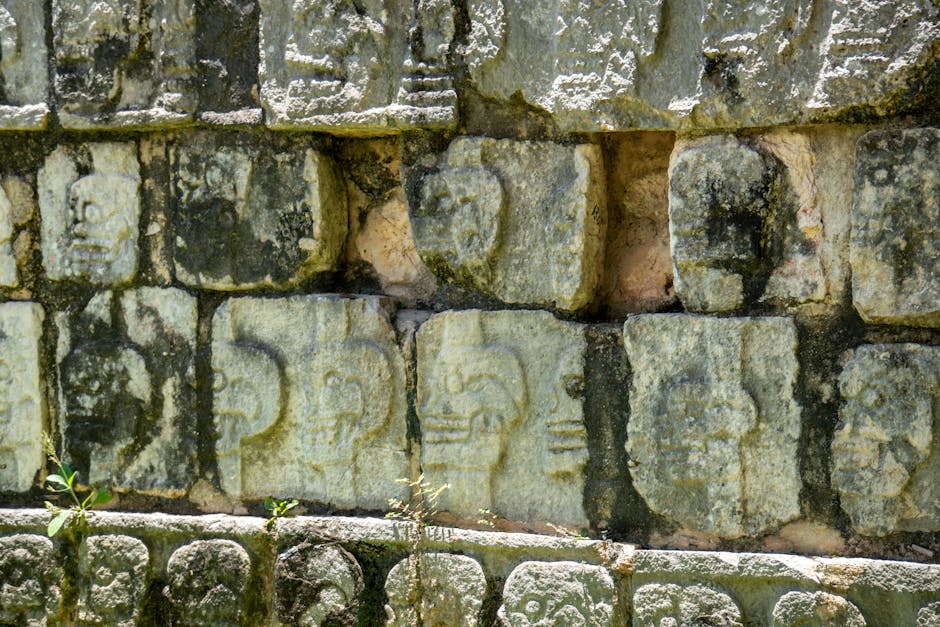
Personal practices that enhance your eco-friendly stay include:

  1. Reuse towels and linens to reduce water consumption
  2. Turn off lights, air conditioning, and electronics when absent
  3. Carry reusable shopping bags, water bottles, and utensils
  4. Choose digital receipts and confirmations over paper copies
  5. Participate in hotel recycling and conservation programs

Plan Mindful Multi-Day Adventures

Multi-day tours offer excellent opportunities for sustainable exploration while reducing daily transportation needs and allowing deeper regional immersion. These extended experiences often include diverse activities from archaeological site visits to cenote swimming, wildlife observation, and cultural workshops.

Effective multi-day tour planning incorporates:

  • Geographically logical itineraries that minimize travel distances
  • Diverse activity types appealing to various interests and fitness levels
  • Educational components about Mayan culture, colonial history, and environmental conservation
  • Free time for personal exploration and relaxation
  • Opportunities to support local artisans and businesses

The best private tours in Riviera Maya customize multi-day experiences based on individual interests while maintaining sustainable practices throughout. These personalized adventures often include exclusive access to lesser-known archaeological sites, private cenote experiences, and meetings with local community leaders.
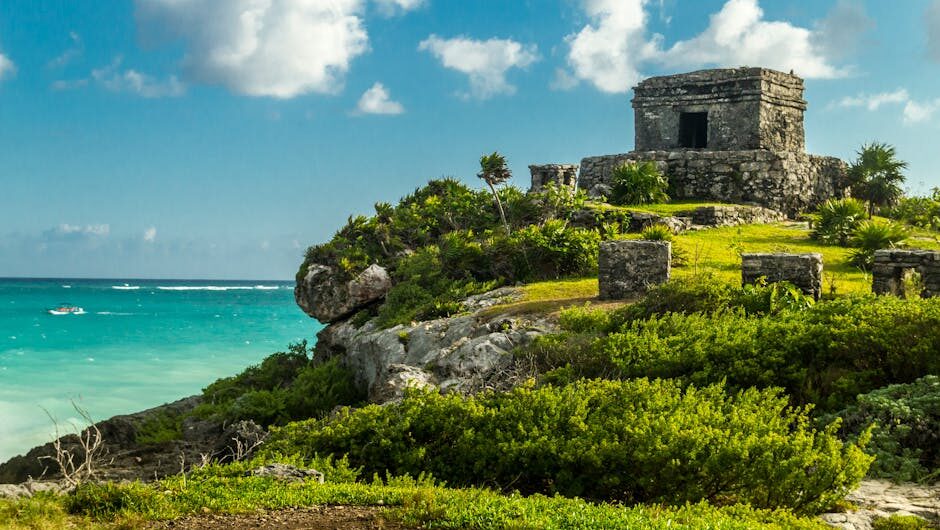
Consider booking multi-day adventures during shoulder seasons (May-June, September-October) when tourism pressure on natural resources decreases, accommodation rates drop, and weather remains favorable for outdoor activities. This timing supports more sustainable tourism distribution throughout the year. For travel agents looking to offer these experiences, explore Private Riviera Maya Tours Wholesale Rates for Agents: Maximizing Profit Margins in Paradise.

Conclusion

Exploring the Riviera Maya sustainably enriches your travel experience while preserving this extraordinary destination for future generations. By choosing eco-conscious tour operators like Best Maya Tours, supporting local communities, protecting fragile ecosystems, and making mindful daily choices, you contribute to sustainable tourism development that benefits both visitors and residents.

The region’s incredible biodiversity, archaeological treasures, and cultural richness deserve our protection and respect. Through responsible travel practices, from selecting private Chichen Itza tours with environmental focus to participating in Sian Ka’an lazy river tours that support conservation, every visitor can make a positive impact.

Whether you’re planning single-day excursions or comprehensive multi-day tours, prioritizing sustainability ensures meaningful experiences that celebrate the Riviera Maya’s natural beauty while supporting its long-term preservation. Sustainable tourism practices create lasting benefits for destinations, communities, and travelers alike.

Book your eco-friendly Riviera Maya adventure today with Best Maya Tours and discover how responsible travel enhances every aspect of your journey through this Caribbean paradise.

Pre-booking mayan ruins tickets reviews: your complete guide to private tours

Planning a journey to explore the magnificent Mayan ruins requires careful consideration, especially when it comes to securing your tickets in advance. With increasing popularity and limited daily visitor quotas at major archaeological sites, pre-booking has become essential for travelers seeking an authentic and hassle-free experience. This comprehensive guide examines the benefits of advance booking while highlighting the exceptional private tour options available through Best Maya Tours.

Why Pre-Booking Mayan Ruins Tickets Is Essential in 2026

The archaeological sites across the Yucatan Peninsula have implemented stricter visitor management systems to preserve these ancient treasures. Major sites like Chichen Itza, Tulum, and Coba now enforce daily visitor limits, making advance reservations crucial for securing your preferred dates and times.

pre-booking mayan ruins tickets reviews

Key advantages of pre-booking include:

  • Guaranteed entry on your chosen date
  • Skip-the-line access at popular sites
  • Better pricing through early bird discounts
  • Flexible cancellation policies
  • Priority access to guided tour slots

Many travelers who attempt same-day purchases find themselves disappointed, particularly during peak season from December through April. According to the National Institute of Anthropology and History (INAH), advance booking reduces wait times by up to 75% and ensures access to restricted areas that require special permits.

Private Chichen Itza Tours: The Premium Experience

Chichen Itza, one of the New Seven Wonders of the World, deserves more than a crowded group tour experience. Private Chichen Itza tours offer an intimate exploration of this UNESCO World Heritage site, allowing you to appreciate the architectural marvels without the typical tourist rush.

pre-booking mayan ruins tickets reviews

What sets private tours apart:

  • Personalized commentary from expert archaeologists
  • Flexible timing to avoid peak crowd hours
  • Exclusive photo opportunities
  • Access to lesser-known structures
  • Transportation in premium vehicles

Best Maya Tours specializes in creating unforgettable private Chichen Itza experiences, combining historical expertise with luxury comfort. Their guides possess deep knowledge of Mayan astronomy, mathematics, and cultural practices, transforming your visit into an educational journey rather than a simple sightseeing trip.

“The difference between a regular tour and a private tour at Chichen Itza is like comparing a textbook to a personal conversation with history itself.” – Recent client review

Comprehensive Yucatan Peninsula Tours: Beyond the Famous Sites

While Chichen Itza captures most attention, the Yucatan Peninsula harbors numerous archaeological treasures waiting to be explored. Private Yucatan Peninsula tours provide access to hidden gems like Ek Balam, Calakmul, and Uxmal, each offering unique insights into different periods of Mayan civilization.

pre-booking mayan ruins tickets reviews

Multi-day tour advantages:

  1. Comprehensive exploration: Visit multiple sites without rushing
  2. Cultural immersion: Stay in traditional haciendas and colonial towns
  3. Local interactions: Meet contemporary Maya communities
  4. Culinary experiences: Authentic Yucatecan cuisine tastings
  5. Natural wonders: Explore cenotes and biosphere reserves

The UNESCO World Heritage Centre recognizes several Mayan sites across the peninsula, each contributing to our understanding of this sophisticated civilization. Multi-day tours allow sufficient time to appreciate the astronomical alignments, architectural innovations, and artistic achievements that make each site unique.

Private Tours Riviera Maya: Coastal Ruins and Natural Wonders

The Riviera Maya combines stunning coastal scenery with remarkable archaeological sites, creating perfect conditions for private tour experiences. From the clifftop ruins of Tulum to the jungle-hidden pyramids of Coba, this region offers diverse exploration opportunities.

pre-booking mayan ruins tickets reviews

Best private tours in Riviera Maya include:

  • Tulum and Cenote combinations: Ancient ruins followed by refreshing swims in sacred sinkholes
  • Coba jungle adventures: Climb ancient pyramids and explore by bicycle
  • Muyil and Sian Ka’an experiences: Archaeological sites within biosphere reserves
  • Xel-Há historical tours: Combine natural aquariums with Mayan heritage

The lazy river Tulum experience has gained particular popularity, combining the ancient port city’s historical significance with the natural beauty of nearby cenotes. This unique combination allows visitors to walk in the footsteps of Mayan traders while enjoying the same crystal-clear waters they once considered sacred.

Sian Ka’an Lazy River Tour: Nature Meets History

The Sian Ka’an Biosphere Reserve offers one of the most unique tour experiences available, combining Mayan archaeological sites with pristine natural environments. The lazy river tour through this UNESCO World Heritage site provides opportunities to see ruins in their original jungle setting while enjoying diverse wildlife encounters.

Sian Ka’an tour highlights:

  • Float through ancient Mayan trade routes
  • Spot manatees, dolphins, and tropical birds
  • Visit remote archaeological sites accessible only by water
  • Learn about traditional fishing techniques still used by local communities
  • Experience untouched mangrove ecosystems

According to CONANP (National Commission of Natural Protected Areas), Sian Ka’an contains over 20 archaeological sites, most dating from the Late Classic period. The lazy river tour provides access to several of these locations while maintaining minimal environmental impact.

Reviews and Recommendations: What Travelers Are Saying

Recent reviews consistently highlight the value of pre-booking through established tour operators like Best Maya Tours. Travelers appreciate the seamless experience, from initial reservation to final farewell, with particular praise for knowledgeable guides and well-planned itineraries.

Common review themes include:

  • “Skip-the-line access saved our entire day”
  • “Our private guide made history come alive”
  • “Perfect combination of culture and adventure”
  • “Best Maya Tours exceeded all expectations”
  • “Multi-day tours provided incredible depth”

Professional travel agencies in the USA consistently recommend pre-booking with reputable operators to ensure quality experiences and reliable service. The investment in private tours typically provides significantly better value than attempting to arrange independent visits, particularly when factoring in transportation, guide expertise, and exclusive access opportunities.

Booking Tips and Best Practices

To maximize your Mayan ruins experience, consider these expert recommendations:

Timing considerations:

  1. Book 2-4 weeks in advance during peak season
  2. Choose early morning or late afternoon tours for better lighting and smaller crowds
  3. Allow flexibility in your schedule for weather-dependent outdoor activities

Tour selection criteria:

  • Verify guide certifications and language capabilities
  • Confirm inclusion of entrance fees and transportation
  • Check cancellation policies and travel insurance options
  • Read recent reviews from verified travelers

Best Maya Tours offers comprehensive packages that eliminate the stress of coordinating multiple elements independently. Their expertise in cultural and historical tours, combined with commitment to sustainable tourism practices, ensures authentic experiences that respect both ancient heritage and contemporary communities. For those wondering What to Pack for a Riviera Maya Tour, their resources offer invaluable advice.

Conclusion

Pre-booking Mayan ruins tickets through reputable tour operators like Best Maya Tours represents the smartest approach to exploring these archaeological wonders. The combination of guaranteed access, expert guidance, and carefully crafted itineraries creates memorable experiences that independent travel simply cannot match. Whether you choose a private Chichen Itza tour, comprehensive Yucatan Peninsula exploration, or unique Riviera Maya adventures, advance booking ensures your journey exceeds expectations while supporting sustainable tourism practices that preserve these irreplaceable cultural treasures for future generations. For travel agencies, exploring how to book exclusive Maya tours can further enhance client satisfaction.

Mayan mythology explained for travelers

Understanding Mayan mythology transforms your journey through the Yucatan Peninsula from simple sightseeing into an an immersive cultural adventure. As you explore ancient ruins like Chichen Itza or float along the Sian Kaan lazy river, knowing the stories behind these sacred places enriches every moment. Best Maya Tours specializes in bringing these ancient narratives to life through expertly guided private tours that connect you with the spiritual heart of Mayan civilization.

The Sacred Universe of the Maya

The Maya conceived of a universe structured in three distinct levels, each teeming with supernatural beings and cosmic significance. The upperworld, known as the thirteen heavens, housed the celestial deities and ancestors. The middleworld represented our earthly realm where humans, animals, and nature spirits coexist. Below lay Xibalba, the underworld of nine levels ruled by death gods and populated by malevolent spirits.

mayan mythology explained for travelers

This cosmological framework appears throughout Mayan archaeological sites across the Yucatan Peninsula. When you visit Chichen Itza on a private tour, the famous pyramid of Kukulcan represents this three-tiered universe. The structure’s 365 steps symbolize the solar year, while the serpent shadow that appears during equinoxes demonstrates the Maya’s sophisticated understanding of astronomical cycles.

The World Tree, or Yaxche, connected these cosmic realms, its roots extending into the underworld while its branches reached the heavens. This sacred ceiba tree remains central to Mayan spirituality today, and you’ll encounter modern Maya still performing ceremonies beneath these towering giants during multi-day tours through traditional communities.

The Maya believed that time moved in cycles, with creation and destruction repeating in endless patterns governed by the gods.

Essential Deities and Their Stories

Kukulcan, the feathered serpent deity, represents one of the most important figures in Mayan mythology. This god of wind, rain, and learning appears prominently at Chichen Itza, where the main pyramid bears his name. During private Chichen Itza tours, knowledgeable guides explain how this deity’s dual nature as both bird and serpent symbolized the connection between earth and sky.

mayan mythology explained for travelers

Itzamna, the supreme creator god, ruled over the heavens and governed writing, learning, and the calendar. Ancient Maya depicted him as an aged man with a prominent nose, often shown creating the world through his words. His wife, Ixchel, goddess of the moon, pregnancy, and weaving, held particular significance for women. The island of Cozumel served as her primary pilgrimage destination, where Maya women traveled to seek her blessings.

The Hero Twins, Hunahpu and Xbalanque, star in the Maya creation epic known as the Popol Vuh. These divine brothers journeyed to Xibalba to challenge the death gods at the ball game, ultimately achieving victory through cleverness and sacrifice. Their story explains the creation of humans from corn and the establishment of the sun and moon. Many Mayan ruins feature ball courts where ritual games reenacted this cosmic struggle between life and death.

Chaac, the rain god, held crucial importance in the Yucatan Peninsula’s dry landscape. Maya depicted him with a long, curled nose and tears streaming down his face. During drought seasons, elaborate ceremonies honored Chaac to bring life-giving rains. The cenotes scattered throughout the region served as sacred portals to communicate with this vital deity.

The Corn God and Creation

The Maize God represented rebirth, beauty, and the cycle of agricultural seasons. Maya artistic traditions portrayed him as an eternally youthful figure with an elongated skull shaped like a corn cob. This deity’s death and resurrection paralleled the agricultural cycle, dying during the dry season and returning to life with the rains. Understanding this mythology adds profound meaning to visits to agricultural sites and traditional Maya communities during Yucatan Peninsula tours.

Sacred Animals and Their Symbolic Meanings

Mayan mythology assigns powerful spiritual significance to the region’s diverse wildlife, many of which you’ll encounter during eco-tours like the Sian Kaan lazy river tour. The jaguar, king of the underworld, symbolized night, death, and royal power. Maya rulers often took jaguar names and wore jaguar pelts to channel this fearsome predator’s strength. Archaeological sites throughout the Riviera Maya feature jaguar imagery in sculptures, murals, and architectural details.

mayan mythology explained for travelers

The quetzal bird, with its brilliant green plumage and long tail feathers, represented the heavens and divine beauty. Maya nobility prized quetzal feathers above gold, using them to create elaborate headdresses for ceremonial occasions. The bird’s association with Kukulcan reinforced its sacred status, and killing a quetzal was forbidden except for religious purposes.

Serpents held complex symbolic meanings, representing both earth and sky, wisdom and danger. The rattlesnake’s ability to shed its skin symbolized renewal and transformation, while water serpents controlled rain and fertility. During private tours of Mayan ruins, you’ll notice serpent motifs carved into temples, ball courts, and ceremonial platforms throughout the Yucatan Peninsula.

Howler monkeys, abundant in the region’s jungles, served as scribes to the gods in Mayan belief. Their haunting calls at dawn and dusk marked the transition between day and night, making them guardians of time itself. The Maya associated these primates with the wind god and artistic creation, often depicting them in codices and temple decorations.

Creation Myths and the Popol Vuh

The Popol Vuh, or “Book of the Community,” preserves the Maya creation story and serves as the foundation for understanding their worldview. According to this sacred text, the gods attempted multiple creations before successfully forming humans from corn dough. The first beings were made from mud but dissolved in water. The second creation used wood, but these wooden people lacked souls and were destroyed by a great flood.

mayan mythology explained for travelers

The Hero Twins’ adventures form the epic’s central narrative, culminating in their triumph over the lords of Xibalba through the sacred ball game. Their victory established the current cosmic order and enabled the successful fourth creation of humans from yellow and white corn. This story explains why corn holds such sacred significance in Mayan culture and continues to be central to traditional ceremonies you might witness during multi-day cultural tours.

The Popol Vuh also describes the World Tree’s planting at the center of creation, establishing the axis mundi that connects all cosmic realms. Many archaeological sites align with this cosmological model, positioning temples and plazas to mirror the mythological landscape described in the text.

These creation myths provide context for understanding Mayan architectural symbolism, religious practices, and artistic traditions. When exploring ruins during private Yucatan Peninsula tours, recognizing these mythological references transforms stone carvings and temple layouts into readable narratives about divine power, cosmic order, and human destiny.

Sacred Sites and Mythological Connections

Every major archaeological site in the Yucatan Peninsula connects to specific mythological narratives that guided their construction and use. Chichen Itza, meaning “at the mouth of the well of the Itza,” takes its name from the sacred cenote where Maya performed elaborate sacrificial ceremonies to honor Chaac and ensure agricultural prosperity. The site’s famous ball court recreated the cosmic game between the Hero Twins and the lords of death.

Tulum, perched dramatically on Caribbean cliffs, served as a beacon for Maya traders and a shrine to the diving god, often identified with the Venus deity. The site’s alignment with astronomical events reflects Maya belief in the interconnection between earthly activities and celestial cycles. During private tours of Tulum, you can observe how temple doorways frame significant star positions during important calendar dates.

The Sian Kaan Biosphere Reserve embodies the Maya concept of sacred landscape, where natural features hold spiritual significance. The lazy river tours through this pristine ecosystem reveal cenotes, lagoons, and ancient canal systems that the Maya considered portals to the spirit world. These sacred geographies demonstrate how mythology shaped practical landscape management and conservation practices.

Coba’s extensive network of stone roads, or sacbeob, connected various temple complexes according to mythological principles. These “white roads” symbolized the path of souls traveling between cosmic realms, while the site’s tall pyramid allowed priests to communicate with celestial deities from closer proximity to the heavens.

Modern Maya and Living Mythology

Contemporary Maya communities throughout the Yucatan Peninsula maintain active connections to ancestral mythologies, adapting ancient beliefs to modern contexts. During private tours that visit traditional villages, travelers witness ceremonies that invoke the same deities their ancestors honored over a millennium ago. Daykeepers still calculate auspicious dates using the ancient calendar, while shamans perform healing rituals based on mythological knowledge passed down through generations.

The annual Festival of Hanal Pixan demonstrates how Mayan mythology continues to structure community life. This Day of the Dead celebration honors ancestors according to traditional beliefs about the soul’s journey through the underworld. Families prepare elaborate altars with foods mentioned in ancient myths, maintaining spiritual connections across cosmic realms.

Agricultural practices throughout the region still follow mythological cycles, with farmers timing plantings according to Venus observations and rainfall ceremonies dedicated to Chaac. These living traditions provide travelers with opportunities to experience mythology as a dynamic, evolving cultural force rather than simply historical curiosity.

Best Maya Tours arranges respectful encounters with contemporary Maya communities, allowing visitors to understand how ancient mythologies continue shaping modern identity, environmental stewardship, and cultural continuity throughout the Riviera Maya region.

Conclusion

Understanding Mayan mythology transforms archaeological visits into profound cultural encounters that reveal the sophisticated worldview underlying one of humanity’s greatest civilizations. Whether you’re exploring Chichen Itza’s astronomical alignments, floating through Sian Kaan’s sacred waters, or discovering hidden cenotes during multi-day tours, these ancient stories provide the key to interpreting the spiritual landscape of the Yucatan Peninsula. Best Maya Tours specializes in connecting travelers with these deep cultural narratives through expertly guided private tours that honor both ancient wisdom and contemporary Maya traditions. Book your mythological journey today and discover how these timeless stories continue to shape one of Mexico’s most fascinating regions.