
riviera maya hidden gems off the beaten path

The Riviera Maya stretches along Mexico’s Caribbean coast like a treasure trove waiting to be discovered. While millions of tourists flock to the popular cenotes and well-known archaeological sites, the region harbors countless hidden gems that offer authentic experiences away from the crowds. These off-the-beaten-path destinations reveal the true essence of this magical coastal paradise, from secluded beaches and forgotten Mayan ruins to pristine natural reserves and traditional fishing villages. For travel agencies seeking to offer their clients extraordinary adventures, these hidden treasures provide the perfect opportunity to create unforgettable memories while supporting local communities through sustainable tourism practices.

Secluded Archaeological Sites Beyond the Tourist Trail

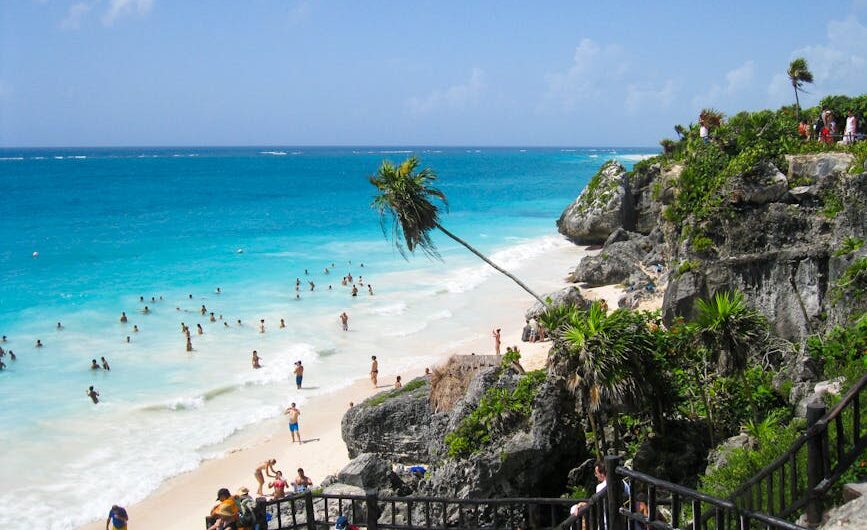
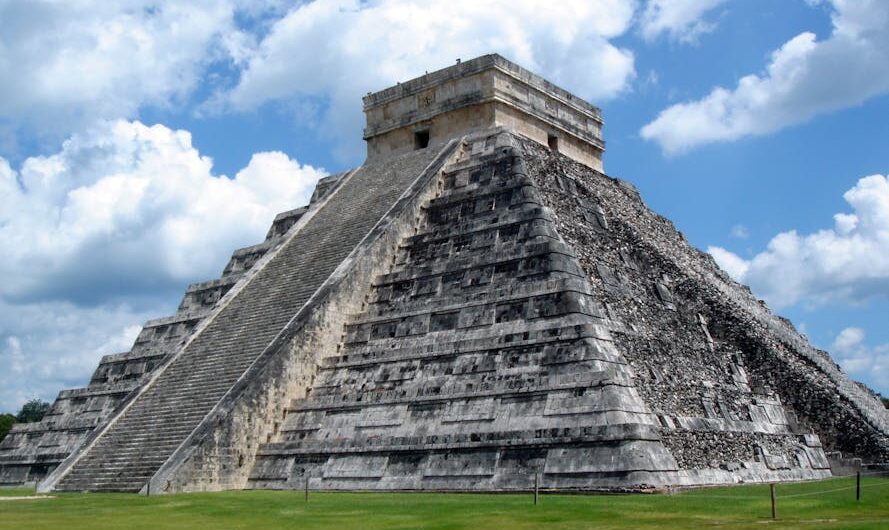
While Tulum and Chichen Itza dominate most itineraries, the Riviera Maya conceals numerous archaeological sites that offer equally impressive glimpses into ancient Mayan civilization without the overwhelming crowds. These hidden ruins provide intimate encounters with history and culture that sophisticated travelers increasingly seek.

riviera maya hidden gems off the beaten path - Explorers trekking through stunning Landmannalaugar scenery, Iceland.

El Rey Ruins in Cancun

Tucked away near Cancun’s hotel zone, El Rey represents one of the most accessible yet overlooked archaeological sites in the region. This compact site features well-preserved structures dating back to the Post-Classic period, including ceremonial platforms and residential buildings. The site’s manageable size makes it perfect for travelers with limited time, while iguanas basking on ancient stones add a unique wildlife element to the historical experience.

Muyil Archaeological Zone

Located within the Sian Ka’an Biosphere Reserve, Muyil offers a rare combination of archaeological wonder and natural beauty. This ancient trading post features the tallest pyramid on the Caribbean coast, providing panoramic views over the surrounding jungle canopy. The site connects to a network of ancient canals that Mayan traders once used, offering visitors the chance to experience both cultural heritage and pristine ecosystems in a single visit.

San Gervasio on Cozumel

While Cozumel attracts diving enthusiasts, few visitors venture inland to explore San Gervasio, the island’s most significant archaeological site. This sacred center was dedicated to Ixchel, the Mayan goddess of fertility and medicine, making it a pilgrimage destination for ancient Mayan women. The site’s peaceful atmosphere and well-maintained structures provide an educational experience that complements the island’s marine attractions perfectly.

Hidden Cenotes and Natural Swimming Holes

The Yucatan Peninsula boasts over 6,000 cenotes, but only a handful receive widespread attention. These hidden natural pools offer crystal-clear waters, dramatic rock formations, and spiritual significance that dates back thousands of years to ancient Mayan ceremonies.

riviera maya hidden gems off the beaten path - Camper van parked on a coastal road with ocean view in Portugal, perfect for summer travel.

Cenote Manatí

This lesser-known cenote near Tulum provides an authentic cave diving experience without the commercial development of more famous sites. The cenote features multiple chambers connected by underwater passages, creating an otherworldly atmosphere enhanced by dramatic stalactite formations. Local guides share traditional stories about the cenote’s spiritual significance while ensuring visitor safety in this pristine environment.

Cenote Calavera

Known locally as the “Temple of Doom” due to its skull-like entrance holes, Cenote Calavera offers adventure seekers the opportunity to cliff jump into refreshing waters surrounded by ancient limestone formations. The cenote’s three openings create different lighting conditions throughout the day, providing photographers with unique opportunities to capture this natural wonder’s ethereal beauty.

Cenote Tankach-Ha

This hidden gem combines underground swimming with zip-lining adventures, creating a multi-faceted experience that appeals to various adventure levels. The cenote’s underground chambers feature impressive rock formations illuminated by natural light filtering through openings in the jungle canopy above, creating a cathedral-like atmosphere that inspires reverence for nature’s artistry.

Pristine Beaches and Coastal Sanctuaries

Beyond the developed coastline lies a collection of untouched beaches and protected coastal areas that showcase the Caribbean’s natural beauty in its purest form. These destinations offer tranquility and authentic experiences that resonate with environmentally conscious travelers.

riviera maya hidden gems off the beaten path - A woman sits resting with a large dog in a rustic, outdoor setting, evoking a serene mood.

Punta Allen

This remote fishing village at the southern tip of the Sian Ka’an Biosphere Reserve provides access to some of Mexico’s most pristine beaches. The journey to reach Punta Allen requires dedication, involving a bumpy dirt road through protected wilderness, but rewards visitors with empty white sand beaches, world-class fly fishing, and opportunities to observe manatees, dolphins, and sea turtles in their natural habitat.

Xcacel Beach

Protected as a sea turtle nesting sanctuary, Xcacel Beach represents conservation success while offering visitors the chance to witness one of nature’s most remarkable phenomena. From May through October, four species of sea turtles nest on these shores, and guided night tours provide unforgettable encounters with these ancient mariners. During daylight hours, the beach offers excellent snorkeling opportunities along its pristine reef.

Chemuyil Beach

This small coastal village maintains its authentic character while providing access to a beautiful stretch of Caribbean coastline. Local restaurants serve fresh seafood caught daily by village fishermen, while the beach offers calm waters perfect for swimming and snorkeling. The community’s commitment to sustainable tourism ensures that development remains in harmony with the natural environment.

Traditional Villages and Cultural Immersion

The Riviera Maya’s interior harbors traditional Mayan villages where ancient customs and modern life intersect in fascinating ways. These communities offer authentic cultural exchanges that provide deeper understanding of contemporary Mayan culture while supporting local economies through responsible tourism.

riviera maya hidden gems off the beaten path - SUV driving through arid desert landscape in Argentina with hills in the background.

Cobá Village

While many visitors rush to climb the famous pyramid at nearby Cobá ruins, few take time to explore the village itself. This traditional community maintains Mayan customs and languages while adapting to modern tourism demands. Local families offer home-cooked meals featuring traditional recipes passed down through generations, while artisans demonstrate ancient crafts including pottery, weaving, and wood carving.

Pac Chen

This remote village deep in the jungle offers immersive experiences in traditional Mayan lifestyle. Visitors can participate in ancient ceremonies, learn traditional cooking techniques, and understand sustainable agricultural practices that have sustained communities for centuries. The village’s commitment to cultural preservation provides educational opportunities that transform tourist visits into meaningful cultural exchanges.

Adventure Activities for Thrill Seekers

Off-the-beaten-path destinations in the Riviera Maya offer unique adventure opportunities that go beyond typical tourist activities. These experiences combine adrenaline with cultural and natural education, creating memorable adventures that appeal to active travelers seeking authentic challenges.

Underground River Exploration

The region’s extensive cave systems contain underground rivers that ancient Mayans considered sacred pathways to the underworld. Guided cave tubing and swimming expeditions through these subterranean waterways provide thrilling adventures while educating participants about geological formations and Mayan spiritual beliefs. These activities require specialized guides trained in cave safety and cultural interpretation.

Jungle Canopy Adventures

Beyond commercial zip-line parks, the Riviera Maya offers authentic jungle canopy experiences through protected biosphere reserves. These adventures include rappelling down cenote walls, tree climbing workshops, and multi-day jungle survival courses led by local guides with generations of forest knowledge. Such experiences provide genuine challenges while supporting conservation efforts in critical ecosystems.

Wildlife Watching in Protected Reserves

The region’s biodiversity extends far beyond its famous reefs, encompassing tropical forests, wetlands, and coastal ecosystems that support an incredible variety of wildlife. Hidden reserves and lesser-known observation points provide opportunities for authentic wildlife encounters away from crowded tourist areas.

Sian Ka’an Biosphere Reserve

This UNESCO World Heritage Site protects over 1.3 million acres of diverse ecosystems including tropical forests, wetlands, and coral reefs. Hidden lagoons within the reserve provide excellent bird watching opportunities, while remote beaches offer encounters with nesting sea turtles and feeding manatees. Professional naturalist guides reveal the reserve’s ecological secrets while ensuring minimal environmental impact.

Monkey Watching in Punta Laguna

This community-managed nature reserve protects one of the few remaining spider monkey populations in the region. Local Mayan guides, who have studied these primates for decades, provide insights into monkey behavior and forest ecology while generating income for conservation efforts. The reserve also offers opportunities to observe over 200 bird species and practice traditional Mayan ceremonies.

Planning Your Off-the-Beaten-Path Adventure

Successfully accessing these hidden gems requires careful planning and local expertise. The best experiences often involve combining multiple destinations into comprehensive itineraries that showcase the region’s diversity while respecting local communities and environments.

Working with Local Guides

Authentic off-the-beaten-path experiences require guides with intimate knowledge of local areas, culture, and conservation needs. The most successful operators partner with local communities to provide employment while ensuring cultural authenticity and environmental protection. These partnerships create sustainable tourism models that benefit both visitors and local residents.

Seasonal Considerations

Many hidden destinations have optimal visiting seasons that depend on weather patterns, wildlife behavior, and local festivals. The tropical climate creates distinct wet and dry seasons that significantly impact accessibility and wildlife viewing opportunities. Planning itineraries around these natural cycles ensures the best possible experiences while avoiding potential disappointments.

The Riviera Maya’s hidden gems offer travel agencies the opportunity to provide clients with extraordinary experiences that go far beyond typical tourist activities. These off-the-beaten-path destinations reveal the region’s authentic character while supporting local communities through sustainable tourism practices. By partnering with experienced operators like Best Maya Tours, travel agencies can access these hidden treasures safely and responsibly, creating unforgettable memories that inspire lifelong appreciation for Mexico’s natural and cultural heritage. Contact Best Maya Tours today to discover how our expert local knowledge and commitment to sustainable tourism can transform your clients’ Riviera Maya experience into an authentic adventure that celebrates the region’s hidden wonders.

riviera maya hidden gems off the beaten path

Beyond the bustling resort strips and crowded tourist attractions lies the true soul of Mexico’s Caribbean coast. The Riviera Maya holds countless hidden gems that remain largely untouched by mass tourism, offering intrepid travelers authentic experiences that connect them deeply with Mayan culture, pristine nature, and local traditions. These off-the-beaten-path destinations provide a stark contrast to the commercialized zones, revealing ancient cenotes where crystal-clear waters reflect limestone caverns, forgotten archaeological sites where howler monkeys guard crumbling temples, and traditional fishing villages where time seems suspended in amber.

Discovering these secret treasures requires local expertise and careful planning, but the rewards are immeasurable. From swimming in sacred underground rivers to sharing meals with Mayan families who still practice ancestral customs, these hidden experiences offer transformative journeys that create lifelong memories and deeper cultural understanding.

Secret Cenotes Beyond Tourist Radar

While cenotes like Dos Ojos and Gran Cenote draw massive crowds, numerous hidden freshwater sinkholes remain virtually unknown to mainstream tourism. These sacred wells, considered portals to the underworld by ancient Mayans, offer pristine swimming and diving experiences without the tourist masses.

riviera maya hidden gems off the beaten path - Explore a hidden entrance surrounded by lush greenery and mystery.

Cenote Manatí

Located near Tulum but accessible only through unmarked jungle paths, Cenote Manatí features multiple swimming areas connected by underwater passages. The cenote’s unique horseshoe shape creates distinct temperature zones, with thermal layers that create mesmerizing visual effects underwater. Local Mayan families still perform traditional ceremonies here during the full moon, making it a living cultural site rather than merely a swimming hole.

Cenote Calavera’s Hidden Chambers

Beyond the main swimming area of this skull-shaped cenote lies a network of unexplored chambers accessible only to experienced cave divers. These hidden sections contain pristine stalactite formations and ancient pottery fragments, suggesting ceremonial use dating back centuries. The cenote’s remote location requires a bumpy ride through local neighborhoods, but rewards visitors with crystal-clear waters and complete solitude.

Cenote Nicte-Ha

This shallow cenote near Playa del Carmen remains largely unknown due to its inconspicuous entrance through a local family’s property. The name means “water flower” in Mayan, referring to the lily pads that create a natural carpet across the surface. Underwater, ancient tree roots create cathedral-like formations, while small fish species found nowhere else in the region thrive in its nutrient-rich waters.

Forgotten Archaeological Treasures

While Chichen Itza and Tulum attract millions of visitors annually, dozens of archaeological sites throughout the Riviera Maya remain largely unexcavated and unvisited. These forgotten temples and ceremonial centers offer authentic encounters with Mayan history without crowds or commercialization.

Muyil’s Untouched Sections

Though Muyil receives some visitors, most tourists only explore the main temple complex. The site’s extensive backcountry contains over 100 unexcavated structures connected by ancient sacbeob (white roads) that stretch for miles through pristine jungle. These limestone pathways lead to remote temples where ancient Mayan ceremonies once took place, now guarded only by howler monkeys and exotic birds.

Tankah Bay’s Hidden Ruins

Between Tulum and Akumal, the small fishing village of Tankah conceals Pre-Columbian structures that predate Tulum’s famous clifftop temples. These limestone buildings, partially hidden by mangrove growth, served as waypoints along ancient maritime trade routes. Local fishermen still find ceramic fragments and obsidian tools in the area, evidence of continuous habitation spanning over 1,000 years.

Pol Box’s Secret Complex

Near Xcaret but completely unmarked, this archaeological site consists of three temple groups connected by elevated causeways. The main pyramid, though smaller than famous counterparts, retains original stucco decorations and hieroglyphic inscriptions. Access requires permission from local ejido leaders and navigation through unmarked jungle trails, making it virtually impossible for casual tourists to discover independently.

Traditional Villages Preserving Ancient Ways

Scattered throughout the Riviera Maya’s interior, indigenous communities maintain traditional lifestyles that have remained largely unchanged for generations. These villages offer authentic cultural exchanges that provide deep insights into contemporary Mayan life and ancestral traditions.

riviera maya hidden gems off the beaten path - Explore a picturesque cobblestone alleyway in Italy with vibrant old world architecture.

Nuevo Durango’s Honey Cooperative

This small settlement, accessible only via dirt roads, specializes in traditional Mayan beekeeping using native Melipona bees. Unlike European honeybees, these stingless insects produce honey with medicinal properties revered by Mayan healers for centuries. Village families share ancient knowledge about forest ecology, traditional medicine, and sustainable harvesting practices that modern environmental science is only beginning to understand.

Visitors can participate in honey extraction ceremonies, learn about forest conservation techniques, and experience authentic Mayan hospitality through home-cooked meals featuring ingredients foraged from the surrounding jungle.

Chan Chen’s Weaving Traditions

Hidden in the forest between Chemuyil and Akumal, this community of 50 families maintains traditional textile production using techniques passed down through generations. Women still gather natural dyes from local plants and create intricate huipiles (traditional dresses) on backstrap looms exactly as their ancestors did centuries ago.

The village offers immersive workshops where visitors learn about plant-based dye extraction, traditional weaving patterns with spiritual significance, and the cultural importance of textile arts in Mayan society. Unlike tourist-oriented craft demonstrations, these are authentic working sessions where visitors contribute to ongoing community projects.

Pristine Natural Areas Away from Development

Despite extensive coastal development, significant portions of the Riviera Maya remain completely wild, harboring pristine ecosystems that support incredible biodiversity. These protected areas and remote natural zones offer unparalleled wildlife viewing and ecological experiences.

Punta Laguna’s Spider Monkey Sanctuary

Managed entirely by local Mayan communities, this protected forest reserve serves as one of Mexico’s most successful community-based conservation projects. The 5,367-hectare reserve protects critical habitat for endangered spider monkeys, jaguars, and over 200 bird species.

Unlike commercial eco-parks, Punta Laguna offers authentic jungle experiences led by local guides whose families have lived in harmony with the forest for generations. Visitors can participate in traditional hunting and gathering walks (without actual hunting), learn about medicinal plant uses, and witness spider monkey troops in completely natural settings.

Sian Ka’an’s Remote Northern Section

While Sian Ka’an Biosphere Reserve receives some tourism, its northern coastal areas remain virtually inaccessible to casual visitors. This remote section contains pristine mangrove channels, untouched coral reefs, and seasonal flamingo nesting grounds that support thousands of birds during peak migration periods.

Access requires specialized boats and local knowledge to navigate shallow lagoons and hidden channels. The area’s isolation has preserved marine ecosystems in pristine condition, offering world-class snorkeling and fishing opportunities in waters that have never experienced tourism pressure.

Underground River Systems and Cave Networks

The Yucatan Peninsula contains the world’s longest underground river system, with over 1,000 kilometers of mapped passages and countless unexplored sections. Beyond famous tourist caves, extensive networks remain accessible only to experienced cavers and local guides who know secret entrances.

riviera maya hidden gems off the beaten path - Misty dirt road in Sakhalin's lush wilderness on a foggy day, perfect for landscape enthusiasts.

Sistema Ox Bel Ha’s Hidden Entrances

This massive underwater cave system contains over 270 kilometers of surveyed passages, making it one of the world’s longest underwater cave systems. While some sections are accessible to tourist divers, local guides know dozens of unmarked cenotes that provide access to pristine chambers containing ancient Mayan artifacts and geological formations.

These remote entries require jungle hiking and sometimes rappelling to reach water level, but reward adventurous visitors with cathedral-sized chambers decorated with pristine stalactites and stalagmites that have formed over millions of years.

Sacred Underground Rivers

Beyond swimming cenotes, the region contains navigable underground rivers that ancient Mayans used for transportation and ceremony. These subterranean waterways connect coastal areas with inland communities, creating a hidden transportation network that modern development has largely forgotten.

Experienced guides can lead small groups through these underground passages using traditional canoes, revealing hidden chambers where ancient pottery and ceremonial objects remain undisturbed. The experience provides profound connections to Mayan cosmology, which considered these underground waters sacred pathways to the afterlife.

Authentic Culinary Experiences in Hidden Locations

Beyond resort restaurants and tourist-oriented eateries, the Riviera Maya’s interior villages maintain authentic culinary traditions using ingredients and techniques unchanged for generations. These hidden food experiences provide deep cultural immersion through shared meals and cooking instruction.

Traditional Mayan Cooking Classes

Several remote communities offer authentic cooking experiences in family compounds where multiple generations prepare traditional meals using wood-fired stoves and ancient grinding techniques. Participants learn to prepare cochinita pibil using traditional underground ovens, create handmade tortillas from heirloom corn varieties, and prepare medicinal drinks using forest plants.

These experiences differ dramatically from commercial cooking classes by focusing on cultural significance rather than tourist entertainment. Families share stories about ingredient symbolism, seasonal cooking cycles, and the spiritual aspects of food preparation in Mayan culture.

Hidden Fishing Village Restaurants

Along the coast between major tourist zones, small fishing communities operate informal restaurants serving incredibly fresh seafood prepared using traditional methods. These establishments, often consisting of a few plastic tables under palapas, offer the region’s most authentic maritime cuisine at fraction of resort prices.

Local fishermen bring daily catches directly from boats to kitchen, ensuring unparalleled freshness while supporting traditional livelihoods. Dishes like tikin xic (achiote-marinated fish) and fresh ceviche showcase regional flavors without tourist-oriented modifications.

Planning Your Off-the-Beaten-Path Adventure

Discovering these hidden gems requires careful planning, local connections, and respect for indigenous communities and fragile ecosystems. Success depends on working with knowledgeable guides who understand both cultural sensitivities and environmental protection requirements.

riviera maya hidden gems off the beaten path - Beautiful river scene in Indonesia with lush greenery and a vibrant blue sky.

Working with Local Guides

Authentic experiences require guides with deep cultural knowledge and established community relationships. The best guides are often indigenous community members who can provide cultural context while ensuring respectful interaction with local families and sacred sites. These specialists understand seasonal variations, weather considerations, and community protocols that determine access to hidden locations.

Sustainable Tourism Practices

Visiting hidden gems responsibly requires commitment to sustainable tourism principles that protect fragile environments and support local communities. This includes traveling in small groups, following Leave No Trace principles, purchasing directly from local producers, and respecting cultural protocols around sacred sites and traditional practices.

Essential Preparation

Off-the-beaten-path exploration requires physical preparation, appropriate equipment, and flexibility regarding schedules and comfort levels. Visitors should expect basic accommodations, bumpy transportation, and communication challenges while embracing authentic experiences that create profound cultural connections.

Success also requires advance planning, as many hidden locations have limited access periods determined by weather, cultural events, or conservation requirements. Booking through specialized operators ensures proper preparation while supporting sustainable tourism development in local communities.

Conclusion

The Riviera Maya’s hidden gems offer transformative travel experiences that connect visitors deeply with Mayan culture, pristine nature, and authentic community life. These off-the-beaten-path destinations provide alternatives to mass tourism while supporting indigenous communities and conservation efforts.

Discovering these treasures requires expertise, planning, and cultural sensitivity, but rewards adventurous travelers with experiences that create lasting memories and deeper understanding of Mexico’s rich cultural heritage. From swimming in sacred cenotes to sharing meals with Mayan families, these hidden gems reveal the true spirit of the Riviera Maya.

Best Maya Tours specializes in creating authentic, culturally immersive experiences that unveil the Riviera Maya’s best-kept secrets. Our indigenous guides and commitment to sustainable tourism ensure respectful access to hidden gems while supporting local communities. Book your authentic Mayan adventure today and discover the extraordinary experiences waiting beyond the tourist trail.

group travel discounts mayan tours

Organizing a group trip to explore the ancient wonders of the Mayan civilization has never been more accessible or affordable. Group travel discounts for Mayan tours present an incredible opportunity for travel agencies to offer their clients exceptional value while experiencing one of the world’s most fascinating archaeological destinations. From the towering pyramids of Chichen Itza to the coastal ruins of Tulum, group bookings unlock substantial savings that make these culturally rich adventures accessible to larger parties seeking educational and transformative travel experiences.

Understanding Group Travel Discount Structures for Mayan Tours

Group travel discounts for Mayan tours typically begin with parties of 10 or more travelers, with increasingly attractive pricing tiers as group sizes expand. Most tour operators implement a sliding scale pricing structure where groups of 10-15 receive initial discounts of 10-15%, while larger groups of 20-30 can secure savings of 20-25% off individual tour rates.

group travel discounts mayan tours - A group of people preparing for a safari tour in open-top 4x4 vehicles on a sunny day.

The discount structure varies significantly based on tour complexity and duration. Single-day excursions to popular sites like Chichen Itza or Uxmal generally offer more modest group discounts compared to multi-day archaeological adventures that include accommodations, meals, and guided experiences. Extended tours exploring multiple Mayan sites across the Yucatan Peninsula can yield group savings exceeding 30% for parties of 25 or more.

Peak Season Considerations

Group travel discounts remain available during peak tourist seasons from December through April, though the percentage savings may be reduced. Smart travel agencies often secure the best group rates by booking during shoulder seasons in May, June, and November when tour operators are more flexible with pricing and availability.

Most Popular Group-Friendly Mayan Destinations

Several Mayan archaeological sites are particularly well-suited for group travel, offering infrastructure and logistics that accommodate larger parties while providing educational value and cultural immersion opportunities.

Chichen Itza

As one of the New Seven Wonders of the World, Chichen Itza remains the most requested destination for group Mayan tours. The site’s extensive visitor facilities, multiple tour guide options, and proximity to Cancun make it ideal for groups of all sizes. Group discounts here typically range from 15-25% depending on party size and tour inclusions.

Tulum Ruins

The coastal location of Tulum provides groups with a unique combination of archaeological exploration and beach relaxation. Group tours often include time for swimming and lunch at nearby cenotes, creating comprehensive experiences that justify the group booking investment.

Coba Archaeological Zone

Less crowded than other major sites, Coba offers groups a more intimate experience with Mayan history. The ability to climb Nohoch Mul pyramid provides memorable photo opportunities for group members, while the jungle setting creates an adventurous atmosphere perfect for team building and shared experiences.

Maximizing Group Savings Through Strategic Booking

Travel agencies can optimize group travel discounts for Mayan tours through several strategic approaches that go beyond simple bulk booking advantages.

group travel discounts mayan tours - Historic Mayan ruins on a cliff with ocean view under a dramatic sky.

Advance Booking Benefits

Booking group Mayan tours 3-6 months in advance unlocks early bird discounts that can be combined with group rates. Many tour operators offer additional 5-10% discounts for advance bookings, effectively stacking savings for substantial overall reductions in tour costs.

Flexible Date Options

Groups willing to travel on weekdays rather than weekends often secure better pricing, as tour operators look to fill capacity during slower periods. Tuesday through Thursday departures frequently yield the most attractive group discount combinations.

Package Deal Negotiations

Rather than booking individual tour components separately, negotiating comprehensive packages that include transportation, meals, guide services, and entrance fees typically results in better overall group pricing. Tour operators prefer selling complete packages and often provide enhanced group discounts for all-inclusive arrangements.

Transportation and Logistics for Group Mayan Tours

Effective group transportation planning significantly impacts the overall cost-effectiveness of Mayan tour group bookings. Private group transportation eliminates per-person transfer fees and provides schedule flexibility that enhances the tour experience.

Bus Charter Options

For groups of 25 or more, chartered bus transportation often provides the most economical solution while ensuring group cohesion throughout the tour experience. Modern coach buses equipped with air conditioning and comfortable seating make the journey between archaeological sites enjoyable rather than merely functional.

Van Services for Smaller Groups

Groups of 10-20 travelers benefit from private van services that offer more personalized attention while maintaining group discount advantages. These vehicles can access smaller roads leading to lesser-known Mayan sites, expanding itinerary possibilities.

Educational Components That Enhance Group Value

Group travel discounts for Mayan tours become even more attractive when combined with educational programming that transforms sightseeing into meaningful learning experiences.

group travel discounts mayan tours - A tour guide on a bus in El Agustino, Lima, Perú, engaging with passengers.

Expert Guide Services

Dedicated archaeologist guides for group tours provide in-depth historical context that individual travelers rarely experience. These specialists can customize presentations based on group interests, whether focusing on architectural techniques, astronomical alignments, or cultural practices of ancient Maya civilization.

Interactive Learning Opportunities

Many group tour packages include hands-on experiences such as traditional cooking classes, craft workshops, or ceremonial demonstrations that deepen cultural understanding. These additions enhance perceived value while justifying group booking investments.

Seasonal Timing Strategies for Maximum Savings

Understanding seasonal patterns in Mayan tour pricing allows travel agencies to time group bookings for optimal discount opportunities while ensuring favorable weather conditions.

Rainy Season Advantages

The rainy season from June through October offers the most aggressive group travel discounts, with savings often exceeding 35% compared to peak season rates. Despite occasional afternoon showers, morning archaeological site visits typically occur under clear skies, and the reduced crowds enhance the experience quality.

Hurricane Season Considerations

While hurricane season overlaps with the rainy season, modern weather monitoring systems provide ample advance warning for any necessary itinerary adjustments. Travel insurance becomes particularly important during this period, but the substantial savings often justify the minimal additional risk.

Customization Options for Group Itineraries

Group bookings provide leverage for customizing Mayan tour experiences that wouldn’t be available to individual travelers, creating unique value propositions for travel agency clients.

group travel discounts mayan tours - Explore the ancient Mayan ruins of Tulum set against a stunning beach backdrop.

Private Site Access

Large groups can sometimes negotiate early morning or late afternoon access to archaeological sites, avoiding peak crowds and creating more intimate experiences with ancient Mayan structures. These exclusive access periods often include enhanced photography opportunities and specialized guide commentary.

Cultural Immersion Experiences

Group tours can incorporate visits to contemporary Mayan communities, providing cultural exchange opportunities that benefit both travelers and local populations. These authentic interactions create lasting memories while supporting sustainable tourism initiatives.

Budgeting and Financial Planning for Group Bookings

Effective financial planning ensures group travel discounts for Mayan tours translate into real value for travel agency clients while maintaining healthy profit margins.

Payment Schedule Management

Most tour operators require deposits of 25-50% upon booking, with final payments due 30-60 days before departure. Establishing clear payment schedules with group members prevents last-minute cancellations that could impact discount eligibility.

Cancellation Protection

Group bookings should include comprehensive cancellation policies that protect against individual member dropouts while preserving discount structures. Trip insurance becomes particularly valuable for group bookings where one person’s cancellation could affect pricing for remaining travelers.

Technology Integration for Group Coordination

Modern group tour management benefits from technology solutions that streamline communication and enhance the overall experience while supporting cost-effective operations.

Digital platforms now enable real-time group communication, shared itinerary access, and collaborative trip planning that reduces administrative overhead for travel agencies while improving client satisfaction. These tools prove particularly valuable for managing larger groups where individual coordination would otherwise become cumbersome and expensive.

Sustainable Tourism Considerations

Group travel to Mayan archaeological sites carries environmental and cultural responsibilities that ethical tour operators address through sustainable practices. Sustainable tourism initiatives often provide additional value through educational programming and community engagement opportunities that enhance the group experience while supporting conservation efforts.

Groups committed to responsible travel can access specialized tour operators who focus on environmental protection and cultural preservation, often receiving preferential group pricing for their commitment to sustainable tourism practices.

Group travel discounts for Mayan tours represent an exceptional opportunity for travel agencies to provide clients with affordable access to world-class archaeological destinations while maintaining profitable operations. By understanding discount structures, timing strategies, and customization options, agencies can craft compelling group tour packages that deliver outstanding value and unforgettable experiences. The key lies in partnering with reputable tour operators who understand the unique requirements of group travel while maintaining the highest standards of safety, education, and cultural sensitivity. Whether exploring the magnificent pyramids of Chichen Itza or discovering hidden cenotes throughout the Yucatan Peninsula, group Mayan tours create shared adventures that foster lasting memories and deep appreciation for one of humanity’s greatest civilizations.

Planning your journey to Mexico’s spectacular Mayan ruins requires careful timing to maximize your experience. The best time to visit these ancient archaeological wonders depends on weather patterns, tourist seasons, and cultural events that can either enhance or complicate your exploration. Understanding these factors will help you choose the optimal months for discovering the mysteries of Chichen Itza, Palenque, Uxmal, and other magnificent sites scattered across Mexico’s Yucatan Peninsula and southern regions.

Mexico’s Mayan ruins attract millions of visitors annually, but timing your visit strategically can mean the difference between battling oppressive heat and overwhelming crowds versus enjoying comfortable temperatures and intimate encounters with these remarkable historical treasures.

Understanding Mexico’s Climate Patterns for Mayan Ruins Exploration

Mexico’s climate varies significantly across the regions where major Mayan ruins are located. The Yucatan Peninsula experiences a tropical climate with distinct wet and dry seasons, while ruins in Chiapas and other southern states face similar but more pronounced weather patterns.

best time of year to visit mayan ruins mexico - Explore the stunning Mayan ruins of Tulum against a clear blue sky.

Dry Season Advantages (November through April)

The dry season represents the most favorable period for visiting Mayan ruins, offering several compelling advantages:

  • Minimal rainfall: Average precipitation drops to less than 2 inches monthly
  • Comfortable humidity levels: Relative humidity stays between 60-70%
  • Clear skies: Excellent conditions for photography and unobstructed views
  • Stable temperatures: Daily highs range from 80-85°F (27-29°C)
  • Pleasant evenings: Nighttime temperatures cool to comfortable 65-70°F (18-21°C)

Rainy Season Considerations (May through October)

While the wet season presents challenges, it also offers unique benefits for adventurous travelers:

  • Lush vegetation: Jungle settings appear more vibrant and photogenic
  • Fewer crowds: Significantly reduced tourist numbers at popular sites
  • Lower prices: Hotels and tours offer substantial discounts
  • Afternoon showers: Rain typically arrives in predictable afternoon patterns
  • Cooler mornings: Early exploration becomes more comfortable

Peak Tourist Seasons and Crowd Management Strategies

Tourist density dramatically impacts your Mayan ruins experience, affecting everything from parking availability to photo opportunities. Understanding seasonal crowd patterns helps you plan accordingly.

High Season Challenges (December through March)

Peak tourist season coincides with optimal weather conditions, creating significant crowds at major sites. Mexico’s official tourism data shows visitor numbers increase by 300-400% during these months at popular locations like Chichen Itza and Tulum.

Popular sites to expect crowds:

  • Chichen Itza experiences 8,000-12,000 daily visitors
  • Tulum receives 6,000-8,000 visitors daily
  • Coba and Uxmal see 2,000-4,000 daily visitors
  • Parking fills by 10 AM at major locations
  • Photography becomes challenging due to human congestion

Shoulder Season Benefits (April, May, and November)

These transitional months offer excellent compromises between weather and crowd levels:

  • Moderate temperatures: Still comfortable for extended walking
  • Reduced crowds: 40-50% fewer visitors than peak season
  • Better availability: Easier hotel and tour bookings
  • Flexible timing: More freedom in planning daily schedules
  • Economic advantages: Moderate pricing on accommodations and services

Monthly Breakdown: When to Visit Specific Mayan Sites

January through February: Premium Conditions

These months offer the absolute best weather conditions for exploring Mayan ruins. Temperatures remain comfortable throughout the day, rainfall is virtually nonexistent, and humidity levels stay manageable. However, expect maximum crowds and highest prices.
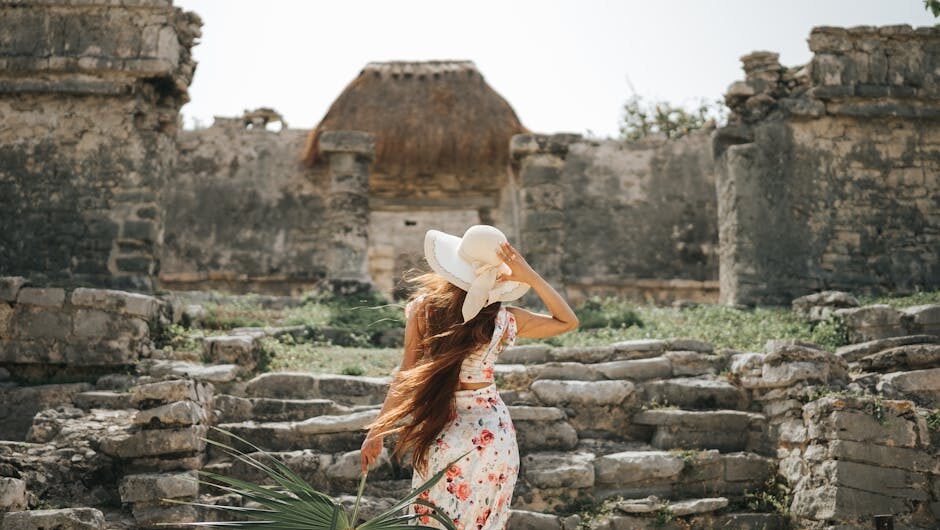
best time of year to visit mayan ruins mexico - Visitors climbing the ancient Coba Mayan pyramid surrounded by lush jungle in Mexico.

Ideal for: First-time visitors, families with children, photography enthusiasts, and travelers prioritizing comfort over budget considerations.

March through April: Warming Temperatures

Late dry season brings slightly warmer temperatures but maintains excellent conditions. March represents the hottest month of the dry season, with temperatures reaching 90°F (32°C) at inland sites.

Best practices: Start tours at dawn, carry extra water, wear sun protection, and plan afternoon breaks in shaded areas or air-conditioned spaces.

May through June: Transition Period

Early rainy season brings increased humidity and occasional afternoon showers. However, morning conditions remain excellent for ruins exploration, and tourist crowds decrease significantly.

Strategic advantages: Lower prices, fewer crowds, lush jungle scenery, and comfortable morning temperatures for extensive walking.

July through August: Wet Season Considerations

Peak rainy season requires flexible planning but offers unique rewards. Rain typically arrives in predictable afternoon patterns, leaving mornings clear for exploration.

Essential preparations: Waterproof gear, flexible scheduling, covered footwear, and backup indoor activities for severe weather days.

September through October: Hurricane Season Awareness

Hurricane season presents the most challenging period for visiting Mayan ruins. While direct strikes remain statistically rare, weather patterns become unpredictable, and some sites may close temporarily during severe weather events.

Risk mitigation: Purchase comprehensive travel insurance, maintain flexible itineraries, monitor weather forecasts closely, and consider inland sites over coastal locations.

November: Optimal Shoulder Season

November emerges as many experienced travelers’ preferred month, combining excellent weather conditions with reduced crowds and moderate pricing.

Special Events and Cultural Celebrations to Consider

Timing your visit around significant cultural events can enhance your understanding of ancient Mayan civilization and contemporary Mexican culture.

Equinox Celebrations at Chichen Itza

The spring equinox (March 20-21) creates the famous shadow serpent effect on Chichen Itza’s El Castillo pyramid. While spectacular to witness, this event draws enormous crowds and requires advance planning.

Day of the Dead (November 1-2)

Mexico’s most significant cultural celebration offers unique perspectives on ancient and modern death traditions. Many archaeological sites host special ceremonies and cultural programs during this period.

Mayan New Year Celebrations

Various Mayan communities celebrate traditional new year ceremonies at different times, often incorporating ancient ruins as ceremonial locations. These events provide authentic cultural experiences for respectful visitors.

Regional Variations: Tailoring Your Visit by Location

Yucatan Peninsula Sites

Chichen Itza, Uxmal, Coba, and Mayapan experience relatively consistent tropical savanna climate. The National Weather Service data shows these locations maintain more stable conditions year-round compared to jungle sites.

best time of year to visit mayan ruins mexico - Explore the historic ancient ruins of Tulum, Mexico, showcasing Mayan architecture against a tropical backdrop.

Chiapas Highland Ruins

Palenque and other jungle sites experience more extreme wet season conditions. These locations become particularly challenging during peak rainfall months (June through September) but offer incredible biodiversity and fewer crowds.

Coastal Archaeological Sites

Tulum and other coastal ruins benefit from ocean breezes that moderate temperatures but face increased hurricane risk during late summer and early fall months.

Practical Planning Tips for Year-Round Success

Essential preparations regardless of season:

  • Start early morning tours (6-8 AM) to avoid heat and crowds
  • Carry minimum 2 liters of water per person
  • Wear protective clothing and high-SPF sunscreen
  • Pack rain gear during May through October
  • Book accommodations and tours well in advance for December through March
  • Consider travel insurance for hurricane season visits
  • Research site-specific closure schedules and maintenance periods

Photography considerations:

  • Golden hour lighting occurs 6-7 AM and 6-7 PM year-round
  • Dry season offers clearest skies for aerial photography
  • Wet season provides dramatic cloud formations and lush backgrounds
  • Avoid midday visits for optimal lighting conditions

Budget Considerations Across Seasons

Seasonal pricing variations can significantly impact your overall travel costs:

best time of year to visit mayan ruins mexico - Close-up view of El Castillo pyramid in Chichén Itzá, showcasing ancient Mayan architecture under a vibrant blue sky.
  • Peak season (December-March): Premium pricing on all services
  • Shoulder season (April, May, November): Moderate pricing with good availability
  • Low season (June-October): Substantial discounts but weather-related risks

Budget-conscious travelers can save 30-50% by visiting during wet season months while accepting weather-related challenges.

Conclusion: Making Your Optimal Choice

The best time to visit Mayan ruins in Mexico ultimately depends on your priorities, budget, and tolerance for crowds and weather challenges. November through February offers optimal conditions for first-time visitors and those prioritizing comfort. May through June provides excellent value for budget-conscious travelers willing to work around afternoon rain showers.

For the most rewarding experience, consider November as the sweet spot combining pleasant weather, manageable crowds, and reasonable pricing. Whatever timing you choose, proper preparation and realistic expectations will ensure your journey through Mexico’s ancient Mayan civilization becomes an unforgettable adventure.

Ready to explore Mexico’s magnificent Mayan ruins? Best Maya Tours specializes in creating authentic cultural experiences that bring ancient civilizations to life. Our expert local guides and commitment to sustainable tourism ensure your visit contributes positively to local communities while providing you with unparalleled insights into Mayan history and culture. Contact us today to begin planning your perfectly timed adventure through Mexico’s most spectacular archaeological treasures.

The Riviera Maya harbors one of the world’s most extraordinary underwater cave systems, where ancient limestone formations create breathtaking cenotes that have captivated explorers for centuries. These natural aquatic cathedrals offer a unique blend of adventure, natural beauty, and cultural significance that makes them essential destinations for any serious traveler seeking authentic Mexican experiences.

Stretching across the Yucatan Peninsula, the underwater caves of Riviera Maya cenotes represent the largest underwater cave system on Earth, with over 6,000 documented cenotes and countless undiscovered passages. These geological marvels formed over millions of years as acidic rainwater carved through limestone bedrock, creating the stunning submerged landscapes we explore today.

Understanding the Geological Wonder of Cenotes

The formation of underwater caves in Riviera Maya cenotes began during the last ice age when sea levels were significantly lower. As limestone dissolved and collapsed, it created vast cavern systems that later flooded when ocean levels rose. This unique geological process resulted in three distinct types of cenotes that define the region’s underwater landscape.

underwater caves riviera maya cenotes - Discover the intricacy of a Mayan sculpture set in a natural cave in Mexico's lush outdoors.

Open cenotes feature completely exposed water surfaces surrounded by dramatic rock formations. These accessible pools often serve as gateways to extensive underwater cave networks that extend far beneath the jungle floor. Popular examples include Gran Cenote and Cenote Calavera, where crystal-clear waters reveal the entrances to vast submerged corridors.

Semi-open cenotes combine exposed areas with partially covered sections, creating mysterious environments where sunlight filters through openings in overhead rock formations. These cenotes, such as Cenote Dos Ojos, offer dramatic lighting effects that illuminate underwater stalactites and stalagmites in breathtaking displays.

Underground cenotes remain completely hidden beneath the earth’s surface, accessible only through cave entrances or small openings. These represent the most pristine underwater cave environments, where ancient formations remain untouched by surface elements.

The Sacred Waters of Maya Civilization

For the ancient Maya civilization, cenotes held profound spiritual significance as portals to the underworld. Archaeological evidence from sites like the Sacred Cenote at Chichen Itza reveals that these underwater caves served as ceremonial sites where Maya priests conducted rituals and made offerings to their water deity, Chaac.

The Maya believed that cenotes connected the terrestrial world with Xibalba, their underworld realm. This spiritual connection explains why many cenotes contain archaeological artifacts, from jade ornaments to ceramic vessels, providing invaluable insights into pre-Columbian culture and religious practices.

Premier Cenote Cave Diving Destinations

The Riviera Maya region hosts numerous world-renowned cenotes that offer varying levels of underwater cave exploration. Each location presents unique characteristics, from beginner-friendly shallow caves to advanced technical diving environments that challenge even experienced cave divers.

underwater caves riviera maya cenotes - A scuba diver explores the depths of an underwater cave with a flashlight.

Sistema Sac Actun: The World’s Longest Underwater Cave System

Sistema Sac Actun represents the crown jewel of Riviera Maya’s underwater cave networks. This massive system extends over 347 kilometers, making it the longest known underwater cave system globally. The network connects multiple cenotes, including popular diving destinations like Cenote Dos Ojos and Gran Cenote.

Within this system, divers encounter extraordinary geological formations including massive limestone columns, delicate flowstone draperies, and ancient stalactites that have formed over millennia. The system’s diverse environments range from shallow cavern zones perfect for snorkeling to deep technical passages that require advanced cave diving certifications.

Cenote Angelita: The Underwater River Phenomenon

Cenote Angelita showcases one of nature’s most remarkable underwater phenomena. At approximately 30 meters depth, divers encounter a distinct layer of hydrogen sulfide that creates the illusion of an underwater river flowing through the cave. This unique environmental feature, caused by organic decomposition, demonstrates the complex chemical processes occurring within cenote ecosystems.

The visual effect is so convincing that divers appear to swim above a flowing river, complete with fallen trees and debris that seem to rest on the “riverbank.” This extraordinary sight makes Angelita a must-visit destination for underwater photographers and adventurous divers seeking unique experiences.

Essential Safety Considerations for Cenote Cave Diving

Exploring underwater caves in Riviera Maya cenotes requires careful preparation and adherence to strict safety protocols. Cave diving presents inherent risks that differ significantly from open water diving, making proper training and equipment essential for safe exploration.

underwater caves riviera maya cenotes - Vibrant night view of Grand Cenote in Tulum, Mexico, highlighting illuminated turquoise waters and rocky surroundings.

Certification Requirements and Training

Cave diving in cenotes demands specialized certifications beyond standard open water qualifications. The National Association of Underwater Instructors and similar organizations provide comprehensive cave diving courses that cover essential skills including line laying, emergency procedures, and navigation techniques specific to overhead environments.

Most reputable tour operators require proof of cave diving certification or provide guided experiences with certified cave diving instructors. These professionals possess intimate knowledge of local cave systems and can ensure safe exploration while maximizing the educational and adventure value of each dive.

Equipment Specifications for Cave Diving

Proper equipment selection plays a crucial role in cenote cave diving safety. Essential gear includes multiple reliable light sources, as backup illumination becomes critical when exploring areas beyond natural light penetration. Divers must carry primary lights, backup lights, and emergency lighting systems to ensure continuous visibility throughout their underwater cave exploration.

Guidelines and reels serve as lifelines in underwater caves, providing essential navigation aids that enable safe return to open water areas. Professional cave diving equipment also includes specialized buoyancy control devices and exposure protection suitable for the unique conditions found in cenote environments.

Biodiversity and Ecosystem Conservation

The underwater caves of Riviera Maya cenotes support unique ecosystems that have evolved in isolation for millions of years. These environments harbor endemic species found nowhere else on Earth, making conservation efforts crucial for preserving these irreplaceable biological treasures.

underwater caves riviera maya cenotes - Stunning aerial view of a tropical beach resort in Playa del Carmen, Mexico with palm trees and clear blue waters.

Endemic Species and Adaptations

Cenote ecosystems host remarkable species that have adapted to life in perpetual darkness and stable water conditions. The Yucatan blind cavefish represents perhaps the most famous example of cenote evolution, having lost their eyes and pigmentation while developing enhanced sensory capabilities for navigation in complete darkness.

Other endemic species include various crustaceans, arachnids, and microorganisms that have evolved specialized feeding mechanisms and reproductive strategies suited to nutrient-limited cave environments. These species serve as living laboratories for evolutionary biology research and demonstrate the incredible adaptability of life in extreme conditions.

Conservation Challenges and Solutions

Modern development pressures threaten the delicate balance of cenote ecosystems throughout the Riviera Maya. Urban expansion, tourism infrastructure, and agricultural activities can introduce pollutants that dramatically impact water quality in these sensitive environments.

Successful conservation efforts require collaboration between government agencies, tour operators, and local communities to implement sustainable tourism practices that protect cenote ecosystems while providing economic benefits to regional stakeholders. The Mexican National Commission of Natural Protected Areas works actively to establish protection protocols and monitor ecosystem health in critical cenote areas.

Planning Your Cenote Cave Diving Adventure

Successfully exploring the underwater caves of Riviera Maya cenotes requires careful planning that considers seasonal conditions, operator selection, and personal skill levels. Understanding these factors ensures optimal experiences while maintaining safety standards throughout your adventure.

Best Times for Cenote Exploration

The Riviera Maya’s tropical climate provides year-round cenote diving opportunities, but certain seasons offer optimal conditions for underwater cave exploration. The dry season from November through April typically provides the clearest water visibility, as reduced rainfall minimizes sediment disturbance in cenote systems.

Water temperatures remain remarkably stable throughout the year, typically ranging from 24-26°C (75-79°F), making thermal protection needs minimal compared to many other cave diving destinations. However, extended exposure to cave environments may require light wetsuit protection for comfort during longer exploration sessions.

Selecting Professional Tour Operators

Choosing experienced, certified operators represents the most critical decision in planning cenote cave diving adventures. Reputable companies provide certified cave diving instructors, maintain high-quality safety equipment, and demonstrate comprehensive knowledge of local cave systems and emergency procedures.

Professional operators also ensure compliance with environmental protection guidelines that preserve cenote ecosystems for future generations. These companies typically offer various experience levels, from guided cavern tours suitable for open water divers to advanced cave diving expeditions for certified technical divers.

Cultural Integration and Educational Opportunities

Exploring underwater caves in Riviera Maya cenotes offers unique opportunities to connect with Maya cultural heritage while gaining insights into geological processes and ecosystem dynamics. Many tour operators incorporate cultural education components that enhance understanding of cenotes’ historical and spiritual significance.

Educational programs often include visits to nearby archaeological sites, interactions with local Maya communities, and presentations by marine biologists studying cenote ecosystems. These comprehensive experiences provide context that transforms simple adventure activities into meaningful cultural and scientific learning opportunities.

The integration of cultural education with adventure tourism helps preserve Maya traditions while generating sustainable economic opportunities for local communities. This approach ensures that cenote exploration contributes positively to regional development while respecting the sacred nature of these remarkable environments.

Conclusion: Embracing the Magic of Cenote Cave Diving

The underwater caves of Riviera Maya cenotes offer unparalleled opportunities to explore some of Earth’s most extraordinary natural environments while connecting with ancient Maya heritage. These remarkable geological formations provide adventure, education, and spiritual experiences that create lasting memories for travelers seeking authentic Mexican destinations.

Whether you’re an experienced technical diver or someone interested in guided cavern tours, the cenotes of Riviera Maya offer something special for every adventurer. The key to successful cenote exploration lies in proper preparation, respect for safety protocols, and appreciation for the cultural and environmental significance of these sacred waters.

Ready to discover the magic of underwater caves in Riviera Maya cenotes? Best Maya Tours specializes in creating unforgettable cenote exploration experiences that combine adventure with cultural education and environmental responsibility. Our expert guides ensure safe, meaningful encounters with these natural treasures while supporting local communities and conservation efforts. Contact us today to plan your personalized cenote adventure and explore the hidden wonders beneath the Riviera Maya.

The Riviera Maya stretches along Mexico’s Caribbean coastline, offering a tapestry of ancient Mayan ruins, pristine cenotes, and vibrant coral reefs that demand more than a standard tourist experience. While millions of visitors flock to this destination annually, only those who venture beyond crowded tour buses discover the region’s true magic through exclusive riviera maya experiences private tours. These carefully curated adventures unlock hidden treasures, provide intimate cultural encounters, and create memories that last lifetimes.

Private tours in the Riviera Maya represent the pinnacle of personalized travel, where expert local guides craft bespoke itineraries tailored to individual interests and preferences. From sunrise explorations of lesser-known archaeological sites to intimate cooking classes with Mayan families, these exclusive experiences offer an authenticity that group tours simply cannot match. The region’s rich biodiversity, spanning from coastal mangroves to inland jungles, provides the perfect backdrop for adventures that range from contemplative to adrenaline-pumping.

Archaeological Wonders: Private Access to Ancient Mayan Civilizations

The Riviera Maya serves as the gateway to some of the most significant Mayan archaeological sites in the world. Exclusive riviera maya experiences private tours to these ancient wonders offer unparalleled access and interpretation that transforms ruins from mere photo opportunities into profound cultural encounters.

exclusive riviera maya experiences private - A breathtaking aerial shot of a lush golf course surrounded by dense forest in Playa del Carmen, Mexico.

Chichen Itza, one of the New Seven Wonders of the World, takes on new dimensions when explored through private tours that begin before dawn. These early access experiences allow visitors to witness the sunrise illuminating El Castillo pyramid in complete solitude, creating an almost spiritual connection to the ancient astronomers who designed this architectural marvel. Expert archaeologists accompany these exclusive tours, sharing insights about Mayan mathematics, astronomy, and social structures that standard guidebooks never reveal.

Hidden Gems Beyond the Famous Sites

Private tours excel in revealing lesser-known archaeological treasures like Coba, where visitors can still climb the towering Nohoch Mul pyramid, or Ek Balam, featuring remarkably preserved stucco sculptures. These sites offer intimate exploration opportunities without the crowds that often diminish the experience at more famous locations.

The ancient port city of Tulum provides another exceptional private tour destination, where guides can time visits to coincide with optimal lighting for photography while sharing stories about Mayan maritime trade routes. The combination of archaeological significance and stunning coastal views makes Tulum private tours particularly memorable for travelers seeking both culture and natural beauty.

Natural Cenotes: Sacred Waters and Underground Adventures

The Yucatan Peninsula’s unique geological formation has created thousands of cenotes—natural sinkholes filled with crystal-clear freshwater that the ancient Maya considered sacred gateways to the underworld. Exclusive riviera maya experiences private tours of these natural wonders offer swimming, snorkeling, and cave diving opportunities in settings of breathtaking beauty.

exclusive riviera maya experiences private - Scenic view of Tulum beach with palm trees and turquoise sea under clear skies.

Private cenote tours provide access to remote locations far from tourist crowds, where the only sounds are gentle water movements and exotic bird calls echoing through limestone caverns. Expert guides share knowledge about cenote formation, Mayan spiritual beliefs, and the delicate ecosystems these unique environments support.

Specialized Cenote Experiences

Cave diving in cenotes represents the ultimate exclusive experience for certified divers, offering exploration of underwater cathedral-like chambers adorned with stalactites and stalagmites. These specialized tours require advanced planning and expert guides who understand both diving safety and cenote conservation.

For non-divers, snorkeling tours in open cenotes like Dos Ojos or Gran Cenote provide magical encounters with underwater formations and tropical fish species. Private tours ensure personalized attention to safety and comfort while maximizing time in these extraordinary aquatic environments.

Cultural Immersion: Authentic Mayan Community Encounters

The heart of exclusive riviera maya experiences private tours lies in authentic cultural exchanges with contemporary Mayan communities. These encounters go far beyond superficial tourist interactions, offering genuine insights into living Mayan traditions, languages, and daily life practices that have persisted for centuries.

exclusive riviera maya experiences private - Spacious minimalist apartment with natural lighting and stylish decor.

Private cultural tours often include visits to traditional Mayan villages where families welcome small groups into their homes for cooking demonstrations, traditional craft workshops, and storytelling sessions. These intimate experiences provide understanding of how ancient traditions adapt to modern life while preserving cultural identity.

Traditional Cooking and Craft Workshops

Hands-on cooking experiences with Mayan families offer immersion into culinary traditions using indigenous ingredients and ancient preparation methods. Participants learn to prepare dishes like cochinita pibil, sopa de lima, and traditional chocolate drinks while understanding the cultural significance of these foods in Mayan society.

Artisan workshops provide opportunities to learn traditional crafts like hammock weaving, pottery making, or embroidery techniques passed down through generations. These exclusive experiences often include taking home handcrafted items while directly supporting local artisan communities.

Marine Adventures: Private Access to Pristine Coral Reefs

The Riviera Maya coastline borders the Mesoamerican Reef System, the second-largest coral reef in the world. Exclusive riviera maya experiences private tours of these marine environments offer unparalleled access to pristine diving and snorkeling locations away from crowded tour boat areas.

exclusive riviera maya experiences private - Aerial view of a luxurious beachfront resort in Cancún, showcasing a pristine coastline with turquoise waters.

Private yacht charters provide the ultimate luxury for exploring the coast, combining reef exploration with beach visits to secluded locations accessible only by boat. These tours often include professional marine biologists who enhance understanding of coral ecosystem conservation efforts and marine life identification.

Seasonal Marine Encounters

Private tours can be timed to coincide with seasonal marine phenomena like whale shark migrations or sea turtle nesting seasons. These exclusive experiences require expert guides who understand animal behavior patterns and environmental protection requirements.

Deep-sea fishing charters offer another exclusive marine adventure, targeting species like mahi-mahi, marlin, and sailfish in waters known for their abundance and clarity. Professional crews ensure both successful fishing experiences and sustainable practices that protect marine ecosystems.

Jungle Expeditions: Wildlife Encounters and Adventure Sports

The Riviera Maya’s inland areas encompass vast jungle territories home to incredible biodiversity. Exclusive riviera maya experiences private tours through these environments offer wildlife observation, adventure sports, and botanical exploration opportunities that showcase the region’s natural complexity.

Private jungle tours led by expert naturalists provide opportunities to observe jaguars, howler monkeys, exotic birds, and countless other species in their natural habitats. These experiences require specialized knowledge of animal behavior patterns and jungle navigation that only experienced local guides possess.

Adventure Sports and Canopy Exploration

Zip-lining through jungle canopies offers an adrenaline-pumping perspective on forest ecosystems while providing access to areas unreachable by foot. Private adventure tours ensure personalized safety instruction and optimal timing for wildlife observation opportunities.

Cave exploration beyond cenotes includes dry cave systems with impressive formations and archaeological significance. These specialized tours require proper equipment and expert guides familiar with cave safety protocols and geological formations.

Luxury Transportation and Accommodation Integration

Exclusive riviera maya experiences private tours distinguish themselves through seamless integration of luxury transportation and accommodation services that enhance every aspect of the journey. Private helicopter transfers between sites eliminate travel time while providing aerial perspectives of the landscape impossible to achieve through ground transportation.

High-end vehicles with professional drivers ensure comfort and safety while allowing flexibility to modify itineraries based on weather conditions, group preferences, or unexpected opportunities. Many private tour operators maintain relationships with luxury resorts and boutique hotels that provide exclusive access to amenities and services.

Personalized Service Standards

The hallmark of exclusive private tours lies in anticipating guest needs before they arise. Professional guides carry emergency medical supplies, communication equipment, and backup plans for weather contingencies. Gourmet meal preparation, premium beverage service, and photography assistance elevate these experiences beyond simple sightseeing.

Multilingual guides ensure clear communication and cultural interpretation while respecting individual comfort levels and physical capabilities. This personalized approach transforms potentially challenging activities into accessible adventures for travelers of all ages and experience levels.

Planning Your Ultimate Private Riviera Maya Experience

Creating the perfect exclusive riviera maya experiences private tour requires careful consideration of seasonal variations, personal interests, and physical requirements. The Mexican tourism board provides essential information about seasonal weather patterns, cultural festivals, and conservation guidelines that influence tour planning decisions.

Optimal timing varies based on specific activities, with whale shark season running from June through September, while dry season conditions from December through April provide ideal weather for archaeological site visits and jungle expeditions. Private tour operators can coordinate complex multi-day itineraries that maximize favorable conditions for different activities.

Best Maya Tours specializes in creating these transformative experiences, combining deep cultural knowledge with logistical expertise that ensures every detail exceeds expectations. Their commitment to sustainable tourism practices and authentic cultural exchange creates exclusive riviera maya experiences private tours that benefit both travelers and local communities.

The Riviera Maya offers infinite possibilities for exclusive private experiences that transform ordinary vacations into extraordinary adventures. From ancient archaeological sites to pristine natural wonders, these carefully crafted tours provide access to authentic cultural encounters and natural beauty that group tours simply cannot match. Whether seeking adventure, cultural immersion, or luxury relaxation, private tours in the Riviera Maya create memories that inspire return visits and lifelong connections to this remarkable destination. Contact Best Maya Tours today to begin planning your exclusive private adventure in this Caribbean paradise.

Creating the perfect Mayan itinerary for your clients requires more than just booking popular archaeological sites. In 2026, discerning travelers seek authentic, personalized experiences that connect them with ancient Mayan culture while accommodating their unique preferences and needs. As a travel agency, mastering how to customize a Mayan itinerary for clients can significantly boost client satisfaction and generate repeat business.

The key to successful Mayan tour customization lies in understanding your clients’ motivations, physical capabilities, and cultural interests. Whether they’re adventure seekers eager to explore hidden cenotes or history enthusiasts fascinated by ancient civilizations, each client deserves a thoughtfully crafted journey that exceeds their expectations.

Understanding Client Motivations and Preferences

Before designing any Mayan itinerary, conduct thorough client consultations to identify their primary motivations for travel. Some clients are drawn to the spiritual aspects of Mayan culture, while others prioritize archaeological discoveries or adventure activities.

how to customize a mayan itinerary for clients - Hair stylist providing consultation to client in a modern salon setting.

Essential Client Assessment Questions

  • What specific aspects of Mayan culture interest them most?
  • Do they prefer guided group experiences or private explorations?
  • What’s their physical fitness level and mobility requirements?
  • Are they traveling for education, relaxation, or adventure?
  • Do they have dietary restrictions or cultural sensitivities?
  • What’s their preferred accommodation style and budget range?

Document these preferences meticulously, as they’ll inform every aspect of your itinerary customization process. Consider creating client persona profiles that help you quickly identify suitable experiences and accommodations for future bookings.

Cultural Interest Mapping

Mayan culture encompasses diverse elements including astronomy, mathematics, art, spirituality, and daily life practices. Some clients gravitate toward the astronomical achievements of the Maya, while others are fascinated by their agricultural innovations or artistic expressions.

Create a comprehensive database of Mayan cultural elements and match them with specific sites and experiences. This allows you to quickly identify perfect matches when clients express particular interests.

Selecting and Sequencing Archaeological Sites

The Yucatan Peninsula and surrounding regions offer numerous archaeological sites, each with distinct characteristics and significance. Strategic site selection and sequencing can dramatically enhance the client experience.

how to customize a mayan itinerary for clients - A mortgage broker meeting clients in an office, discussing agreements and loans.

Flagship Sites vs Hidden Gems

Popular sites like Chichen Itza and Tulum provide iconic Mayan experiences but can be crowded. Balance these must-see locations with lesser-known sites that offer more intimate encounters with Mayan history.

Major Archaeological Sites:

  • Chichen Itza – UNESCO World Heritage site showcasing architectural mastery
  • Tulum – Coastal fortress with spectacular ocean views
  • Coba – Climb-able pyramids surrounded by jungle
  • Uxmal – Outstanding Puuc architecture and intricate stone carvings

Hidden Gem Alternatives:

  • Ek Balam – Well-preserved stucco decorations with climbing opportunities
  • Calakmul – Remote biosphere reserve with massive pyramids
  • Yaxmuul – Cenote-connected ruins with swimming opportunities
  • Muyil – Lagoon-side ruins connected to ancient trade routes

Optimal Sequencing Strategies

Arrange sites to build client engagement progressively. Start with more accessible locations to build excitement, then introduce more challenging or remote sites as clients become invested in the journey.

Consider factors like travel time between sites, optimal visiting hours to avoid crowds, and the physical demands of each location. Morning visits to popular sites often provide better experiences with fewer tourists and cooler temperatures.

Incorporating Adventure and Eco-Tourism Elements

Modern Mayan itineraries should extend beyond archaeological sites to include the region’s natural wonders and adventure opportunities. This holistic approach creates more memorable and diverse experiences.

how to customize a mayan itinerary for clients - A focused call center agent with glasses and headset in a modern office setting.

Cenote Experiences

Cenotes hold sacred significance in Mayan culture and offer unique swimming and diving opportunities. Match cenote selections to client comfort levels and interests.

Beginner-Friendly Cenotes:

  • Gran Cenote – Easy access with excellent snorkeling
  • Cenote Dos Ojos – Crystal-clear waters with cavern diving options
  • Cenote Azul – Open-air cenote perfect for families

Advanced Adventure Cenotes:

  • Cenote Angelita – Deep diving with unique halocline effects
  • Sistema Sac Actun – World’s longest underwater cave system
  • Cenote Calavera – Cliff jumping and cave diving opportunities

Wildlife and Nature Integration

The Yucatan’s biodiversity offers excellent opportunities to combine cultural exploration with wildlife encounters. Sian Ka’an Biosphere Reserve provides UNESCO-protected ecosystems where clients can experience the natural environment that shaped Mayan civilization.

Consider incorporating bird watching, sea turtle nesting tours, or flamingo observation at Celestun for clients interested in natural history alongside cultural exploration.

Cultural Immersion and Authentic Experiences

Authentic cultural immersion sets exceptional itineraries apart from standard tourist packages. Focus on connecting clients with living Mayan communities and traditional practices.

how to customize a mayan itinerary for clients - A woman and man smiling while reviewing details at a car dealership. Perfect for business or lifestyle imagery.

Living Culture Encounters

Partner with Mayan communities that welcome respectful visitors. These experiences might include traditional cooking classes, weaving workshops, or spiritual ceremonies led by Mayan elders.

Ensure all cultural interactions are conducted with proper respect and benefit local communities directly. Sustainable tourism practices protect cultural heritage while providing economic opportunities for indigenous communities.

Culinary Experiences

Mayan cuisine offers rich flavors and ancient traditions that provide excellent cultural immersion opportunities. Include market visits, traditional cooking classes, and tastings of ancient foods like cacao ceremonies or traditional beverages.

Consider dietary restrictions carefully when planning culinary experiences. Many traditional Mayan dishes can be modified for vegetarian, vegan, or gluten-free requirements without losing authenticity.

Logistical Planning and Practical Considerations

Successful itinerary customization requires meticulous attention to practical details that ensure smooth travel experiences.

Transportation and Accommodation Matching

Match transportation and accommodation choices to client preferences and itinerary demands. Luxury travelers might prefer private transfers and boutique hotels, while adventure enthusiasts may enjoy eco-lodges and local transportation options.

Consider proximity to planned activities when selecting accommodations. Staying near archaeological sites allows for early morning visits before crowds arrive, while beachfront properties provide relaxation opportunities between cultural excursions.

Seasonal Considerations

Mexico’s weather patterns significantly impact travel experiences. The dry season (November through April) offers optimal weather but higher prices and crowds. Rainy season travel provides lush landscapes and fewer tourists but requires flexibility for weather-related changes.

Peak Season Benefits:

  • Reliable weather conditions
  • Full availability of tours and services
  • Optimal wildlife viewing opportunities

Off-Season Advantages:

  • Lower costs and fewer crowds
  • Lush, green landscapes
  • More intimate cultural experiences
  • Better availability at premium accommodations

Technology Integration and Modern Enhancements

Leverage technology to enhance traditional Mayan experiences while respecting cultural sensitivity. Augmented reality apps can help clients visualize ancient structures in their original glory, while GPS-enabled audio guides provide detailed historical context.

Digital Enhancement Tools

Recommend photography workshops that teach clients to capture Mayan architecture and landscapes professionally. Provide QR codes linking to additional historical information or virtual reality experiences that complement physical site visits.

Consider partnering with local tech companies that create culturally-appropriate digital enhancements rather than imposing outside technology solutions.

Communication and Documentation

Provide clients with comprehensive itinerary documents that include cultural context, practical tips, and emergency information. Digital itineraries accessible via smartphone apps ensure clients have constant access to important information.

Include cultural etiquette guidelines and basic Spanish phrases to help clients interact respectfully with local communities.

Measuring Success and Continuous Improvement

Track client satisfaction metrics and gather detailed feedback to refine your customization process continuously. Post-trip surveys should assess not only overall satisfaction but specific aspects like cultural authenticity, activity difficulty levels, and accommodation quality.

Feedback Integration Strategies

Create systematic feedback collection processes that capture both quantitative ratings and qualitative insights. Use this information to update your site recommendations, refine activity descriptions, and improve pre-trip client consultations.

Monitor online reviews and social media mentions to understand how your customized itineraries perform compared to standard tour packages. Customized travel experiences consistently receive higher satisfaction ratings than generic packages when executed properly.

Regular evaluation of your customization process ensures continuous improvement and helps identify emerging trends in client preferences.

Mastering how to customize a Mayan itinerary for clients requires balancing cultural authenticity, individual preferences, and practical logistics. By developing systematic approaches to client assessment, site selection, and experience integration, travel agencies can create truly exceptional journeys that honor Mayan heritage while delivering unforgettable client experiences.

Ready to create extraordinary Mayan experiences for your clients? Best Maya Tours specializes in customizable cultural and historical tours throughout the Mayan world. Our expert local guides and commitment to sustainable tourism ensure authentic, impactful experiences tailored to your clients’ unique interests. Visit bestmayatours.com to discover how we can help you craft the perfect Mayan adventure.

While Chichen Itza attracts millions of visitors annually, Mexico’s Yucatan Peninsula harbors dozens of equally magnificent Mayan ruins that remain blissfully uncrowded. These archaeological treasures offer the same awe-inspiring architecture and rich cultural heritage without the overwhelming crowds, long lines, and commercialization that can detract from the spiritual experience of connecting with ancient Mayan civilization.

For travel professionals seeking authentic cultural experiences for their clients, these lesser-known sites provide the perfect opportunity to explore Mayan history in peaceful, contemplative settings. From towering pyramids emerging from dense jungle canopies to coastal ruins overlooking turquoise Caribbean waters, these alternatives deliver the magic of ancient Mexico without the tourist fatigue.

Why Skip the Crowds at Chichen Itza

Chichen Itza welcomes over 2.5 million visitors yearly, making it one of Mexico’s most congested archaeological sites. Peak season brings bus loads of cruise ship passengers, creating bottlenecks that can turn a spiritual journey into a frustrating experience. Photography becomes challenging with crowds constantly in frame, and the commercial vendors surrounding the site can detract from the ancient atmosphere.

mayan ruins less crowded chichen itza alternatives - Explore the majestic El Castillo pyramid at Chichén Itzá in Mexico, a testament to ancient Mayan architecture.

Moreover, Chichen Itza’s popularity has led to strict regulations that limit visitor interaction with the structures. Climbing the main pyramid is no longer permitted, and barriers keep visitors at a distance from many key features. The alternative sites offer more freedom to explore, often allowing closer examination of intricate stone carvings and architectural details.

The Hidden Benefits of Lesser-Known Sites

Visiting uncrowded Mayan ruins provides numerous advantages beyond simple comfort. Wildlife encounters become more frequent in quieter sites, with howler monkeys, tropical birds, and exotic flora thriving undisturbed. The absence of large tour groups allows for meaningful conversations with knowledgeable local guides who can share detailed stories and legends passed down through generations.

Spectacular Jungle Pyramids Worth Discovering

Coba: Climb the Tallest Pyramid in Yucatan

Located 44 kilometers from Tulum, Coba offers the rare opportunity to climb Nohoch Mul, the Yucatan Peninsula’s tallest pyramid at 42 meters. This vast archaeological zone spans 70 square kilometers, with most structures still hidden beneath jungle vegetation. Visitors can rent bicycles to traverse the ancient stone roads, called sacbeob, that once connected this major Mayan city to coastal ports.

mayan ruins less crowded chichen itza alternatives - Explore the ancient stone ruins of a temple at Chichén Itzá, Mexico under a cloudy sky.

The site receives fewer than 500,000 visitors annually, a fraction of Chichen Itza’s numbers, allowing for peaceful exploration among howler monkeys and over 300 bird species. The climb to Nohoch Mul’s summit rewards visitors with panoramic views of endless emerald jungle canopy.

Yaxmuul: The Secret Pyramid Experience

Perhaps the most exclusive alternative, Yaxmuul remains virtually unknown to mainstream tourism. This pristine site allows visitors to climb multiple pyramids and explore underground cenotes within the same complex. The lack of infrastructure means accessing Yaxmuul requires guided tours through dense jungle paths, but this remoteness ensures an authentic archaeological adventure.

Recent discoveries at Yaxmuul include well-preserved murals and ceremonial chambers that archaeologists are still studying. Visitors often have entire pyramid complexes to themselves, creating opportunities for meditation and reflection impossible at crowded sites.

Muyil: Wetland Wonders and Ancient Canals

Muyil combines archaeological exploration with eco-tourism, featuring Mayan ruins alongside the stunning Sian Ka’an Biosphere Reserve. The site showcases ancient canal systems that connected inland cities to coastal trade routes. Visitors can explore both archaeological structures and pristine wetland ecosystems in a single visit.

The highlight is a float trip through ancient Mayan canals, ending at a hidden cenote where swimming is permitted. This unique combination of cultural and natural attractions provides diverse experiences while maintaining the intimate atmosphere that crowded sites cannot offer.

Coastal Ruins With Caribbean Views

Tulum: Strategic Timing for Smaller Crowds

While Tulum receives significant visitor numbers, strategic timing can provide a more intimate experience than Chichen Itza. Arriving at opening time (8 AM) or during late afternoon hours significantly reduces crowds. The dramatic clifftop location overlooking the Caribbean Sea offers unparalleled photo opportunities and spiritual ambiance.

mayan ruins less crowded chichen itza alternatives - Close-up of a Mayan ball game ring on a stone wall in Chichén Itzá, under a clear blue sky.

Tulum’s compact size makes it ideal for thorough exploration within 2-3 hours, and its proximity to pristine beaches allows visitors to combine archaeological discovery with relaxation. The site’s late opening hours mean fewer tour buses compared to inland ruins.

El Rey Ruins: Urban Oasis in Cancun

Conveniently located in Cancun’s hotel zone, El Rey Ruins provide an easily accessible alternative for travelers with limited time. This small but well-preserved site features multiple structures surrounded by lush vegetation that attracts iguanas and tropical birds. The urban location means it’s often overlooked by tourists focused on beach activities.

El Rey’s manageable size and minimal crowds make it perfect for families or travelers seeking a quick cultural experience without venturing far from resort areas. The site remains open until sunset, offering excellent late-afternoon photography opportunities.

Northern Yucatan’s Hidden Archaeological Treasures

Ek Balam: The Black Jaguar’s Domain

Ek Balam, meaning “Black Jaguar,” features some of Mexico’s most intricate Mayan stone carvings. The main pyramid, La Torre, stands 32 meters tall and remains climbable, offering panoramic views of surrounding jungle and distant Mayan settlements. The site’s elaborate stucco facades and detailed sculptures rival those found at more famous locations.

mayan ruins less crowded chichen itza alternatives - Low angle shot of the iconic Chichen Itza pyramid with dramatic clouds and blue sky.

Recent archaeological work has uncovered a remarkably preserved tomb within the main pyramid, containing jade jewelry and ceramic vessels that provide insights into elite Mayan burial practices. The site typically receives fewer than 200,000 visitors annually, ensuring peaceful exploration opportunities.

Mayapan: The Last Great Mayan Capital

Mayapan served as the Yucatan Peninsula’s political capital from 1200-1440 CE, making it one of the last great Mayan cities before Spanish conquest. The site features a miniature version of Chichen Itza’s famous pyramid, along with over 4,000 residential structures spread across 4 square kilometers.

The uncrowded nature of Mayapan allows visitors to explore residential areas and understand daily life in ancient Mayan society. Archaeologists continue making discoveries here, including recent finds of ceremonial masks and jade ornaments.

Planning Your Alternative Mayan Adventure

Best Times to Visit for Optimal Experience

Shoulder seasons (April-May and September-November) provide ideal weather conditions with minimal rainfall and comfortable temperatures. Early morning visits (7-9 AM) offer cooler temperatures, better wildlife viewing, and optimal photography lighting. Many sites open at sunrise, allowing dedicated visitors to experience ruins in complete solitude.

Weekday visits typically ensure smaller crowds, as many sites receive higher weekend visitation from domestic tourists. Dry season months from December through April provide the most predictable weather patterns for outdoor archaeological exploration.

Transportation and Accessibility Considerations

Most alternative sites require rental car transportation or private tour arrangements, as public transportation options remain limited. This transportation requirement naturally limits visitor numbers while providing flexibility for exploration. Many sites lack extensive facilities, so bringing water, snacks, and sun protection becomes essential.

Professional tour operators specializing in archaeological sites can provide valuable context and access to restricted areas not available to independent visitors. These guided experiences often include transportation, meals, and expert commentary that enhances understanding of Mayan culture and history.

Cultural Immersion Beyond the Ruins

Visiting less crowded sites provides opportunities for meaningful cultural interactions with local Mayan communities. Many alternative ruins feature local guides who are descendants of ancient builders, offering personal family stories and traditional knowledge passed down through generations.

Some remote sites partner with nearby Mayan villages for authentic cultural experiences, including traditional cooking demonstrations, handicraft workshops, and ceremonial presentations. These interactions provide economic benefits to local communities while enriching visitor understanding of contemporary Mayan culture.

Supporting Sustainable Tourism Practices

Choosing lesser-known sites supports sustainable tourism development that benefits local communities without overwhelming fragile archaeological resources. Many alternative sites operate with smaller environmental footprints and stronger community involvement in tourism management.

Responsible visitor practices include staying on designated paths, avoiding touching ancient structures, and supporting local vendors and guides. These actions help preserve these magnificent sites for future generations while providing economic incentives for continued conservation efforts.

Transform Your Mexico Experience Today

Mexico’s alternative Mayan ruins offer everything that makes Chichen Itza special—magnificent architecture, rich history, and spiritual ambiance—without the overwhelming crowds and commercialization. These sites provide authentic archaeological experiences that create lasting memories and deeper cultural understanding.

For travel professionals seeking unique experiences for discerning clients, these lesser-known ruins represent the perfect balance of cultural significance and intimate exploration. Whether climbing ancient pyramids at Coba, floating through Mayan canals at Muyil, or discovering intricate carvings at Ek Balam, these sites deliver transformative travel experiences.

Ready to explore authentic Mayan culture away from the crowds? Best Maya Tours specializes in creating unforgettable archaeological adventures tailored to your interests and schedule. Our expert local guides bring ancient Mayan history to life while ensuring sustainable, respectful exploration of these precious cultural treasures. Contact us at bestmayatours.com to plan your perfect Mayan ruins adventure in the heart of the Riviera Maya.

The luxury travel market continues to evolve in 2026, with discerning travelers seeking authentic, culturally immersive experiences rather than generic vacation packages. For travel agencies in the USA, this presents an exceptional opportunity to tap into the growing demand for premium Mayan tours. The ancient civilization’s mystique, combined with Mexico’s stunning natural beauty, creates the perfect foundation for high-value tour packages that command premium prices and generate substantial commissions.

Selling luxury Mayan tours requires a strategic approach that goes beyond simply presenting itineraries and prices. Success depends on understanding your clients’ motivations, crafting compelling narratives around ancient mysteries, and positioning these experiences as once-in-a-lifetime opportunities that justify premium investment. By mastering the art of selling luxury cultural tours, travel agents can significantly increase their average booking values while building lasting client relationships.

Understanding the Luxury Mayan Tour Market Landscape

The luxury travel segment has experienced remarkable growth, with luxury travel spending reaching new heights as affluent travelers prioritize unique experiences over material possessions. Mayan tours represent a particularly attractive niche within this market, combining historical significance, archaeological wonders, and exotic destinations.

how to sell luxury mayan tours to clients - Smiling real estate agent showing an elegant home to a senior couple. Indoor setting in Portugal.

Today’s luxury travelers are typically well-educated, financially secure individuals aged 35-65 who value authenticity, exclusivity, and cultural enrichment. They’re willing to pay premium prices for experiences that offer:

  • Private access to archaeological sites with expert guides
  • Small group sizes or completely private tours
  • Luxurious accommodations near historical sites
  • Authentic cultural interactions with local communities
  • Unique activities unavailable to general tourists

The key to successful luxury sales lies in understanding that these clients aren’t just buying a tour—they’re investing in memories, knowledge, and bragging rights. Position your Mayan tours as exclusive cultural investments rather than simple vacation packages.

Identifying and Qualifying Luxury Tour Prospects

Effective luxury tour sales begin with proper prospect identification and qualification. Not every client who expresses interest in travel is ready or able to invest in premium experiences. Develop a systematic approach to identify high-value prospects through strategic questioning and careful observation.

how to sell luxury mayan tours to clients - Elderly couple touring a modern home with a real estate agent in sunny Portugal.

Demographic and Psychographic Indicators

Look for clients who demonstrate specific characteristics that indicate luxury buying potential. High-net-worth individuals often display certain behaviors and preferences that signal their readiness to invest in premium experiences:

  • Previous luxury travel purchases or high-end vacation experiences
  • Interest in cultural education, history, or archaeology
  • Membership in exclusive clubs or organizations
  • Professional backgrounds in law, medicine, finance, or entrepreneurship
  • Emphasis on time value over cost savings

During initial conversations, pay attention to language cues. Clients who ask about exclusivity, private access, or unique experiences are typically more receptive to luxury offerings than those focused primarily on price comparisons.

Qualification Questions That Reveal Buying Intent

Develop a repertoire of open-ended questions that help you understand your prospect’s travel motivations and budget flexibility. Consider questions like:

  • “What draws you most to Mayan culture and history?”
  • “How do you typically prefer to experience new destinations?”
  • “What made your most memorable travel experience special?”
  • “Are you looking for a more intimate, private experience or do you enjoy meeting other travelers?”

These questions reveal whether prospects value the exclusivity, authenticity, and personalization that luxury Mayan tours provide.

Crafting Compelling Value Propositions for Premium Experiences

Luxury tour sales succeed when clients perceive exceptional value that justifies premium pricing. Your value proposition must clearly articulate why a luxury Mayan tour represents a worthwhile investment compared to standard tour options or independent travel.

how to sell luxury mayan tours to clients - A real estate agent discusses property details with potential buyers during a house viewing.

Emphasizing Exclusivity and Access

Luxury travelers crave experiences unavailable to general tourists. Highlight exclusive elements of your Mayan tours, such as:

  • Private sunrise or sunset access to Chichen Itza or other major sites
  • Behind-the-scenes archaeological site visits with leading researchers
  • Meetings with local Mayan elders or cultural practitioners
  • Access to restricted areas of archaeological sites
  • Private cenote experiences away from tourist crowds

Frame these exclusives as “money can’t buy” experiences that require special relationships and expertise to arrange. This positioning justifies premium pricing and creates urgency around booking.

Positioning Cultural Education as Investment

Many luxury travelers view cultural experiences as educational investments that provide lasting personal enrichment. Present your Mayan tours as opportunities for profound learning and personal growth rather than simple entertainment.

Emphasize the expertise of your guides, the historical significance of visited sites, and the cultural insights clients will gain. According to luxury travel trends, affluent travelers increasingly prioritize transformative experiences that contribute to personal development and cultural understanding.

Overcoming Common Objections to Luxury Pricing

Even qualified luxury prospects may initially hesitate at premium pricing. Successful agents anticipate common objections and prepare compelling responses that reinforce value while addressing concerns.

how to sell luxury mayan tours to clients - Confident real estate agent presents modern home to elated family, sealing the deal with a smile.

The “Sticker Shock” Response

When prospects express surprise at luxury tour pricing, avoid defensive reactions. Instead, break down the value components that justify the investment:

“I understand the investment seems significant at first glance. Let me share what makes this experience unique. You’ll have a private archaeologist guide with a PhD in Mayan studies, exclusive early-morning access to Chichen Itza before any other tourists arrive, a private helicopter transfer to remote ruins most visitors never see, and accommodations at a luxury eco-resort that’s booked months in advance. When you calculate the value of these exclusive experiences and the memories you’ll create, most clients find it represents exceptional value for such a transformative journey.”

Addressing Time and Scheduling Concerns

Busy executives and professionals often worry about time commitments for extended tours. Position luxury tours as efficient ways to maximize limited vacation time:

  • Emphasize how private guides and exclusive access eliminate waiting and crowding
  • Highlight flexible itineraries that accommodate busy schedules
  • Offer helicopter or private flight options that save travel time
  • Provide concierge services that handle all logistics and planning

Building Trust Through Expertise and Social Proof

Luxury sales require high levels of trust, as clients make significant financial commitments based on promised experiences they cannot evaluate in advance. Establish credibility through demonstrated expertise and compelling social proof.

Showcasing Deep Cultural Knowledge

Invest time in learning about Mayan history, archaeology, and culture. Clients expect luxury travel advisors to possess extensive destination knowledge that goes far beyond basic tourist information. Study the Maya civilization thoroughly, including recent archaeological discoveries, cultural practices, and historical significance.

During sales conversations, naturally weave in interesting historical facts, cultural insights, or archaeological discoveries. This demonstrates expertise while building excitement about the educational aspects of the tour.

Leveraging Testimonials and Success Stories

Collect detailed testimonials from previous luxury tour clients that speak to specific benefits and outcomes. Focus on testimonials that address common concerns and highlight transformative aspects of the experience:

  • Stories about life-changing cultural insights gained during tours
  • Testimonials emphasizing the value of private access and expert guides
  • Reviews that compare the luxury experience to previous standard tours
  • Client stories about how the investment was worthwhile for special occasions

Use these testimonials strategically during the sales process to address specific objections or reinforce value propositions.

Creating Urgency and Exclusivity in Your Sales Process

Luxury travelers often take time to make decisions, but creating appropriate urgency can accelerate the sales process without appearing pushy. Focus on scarcity and timing factors that genuinely affect tour availability and experience quality.

Seasonal and Weather Considerations

Mexico’s climate patterns create natural urgency around optimal travel timing. The dry season from November through April offers the best conditions for archaeological site exploration, while certain months provide unique experiences like wildlife migrations or cultural festivals.

Present these timing factors as opportunities to optimize the investment rather than pressure tactics. Explain how traveling during peak archaeological research seasons might provide opportunities to observe ongoing excavations or meet visiting scholars.

Limited Availability and Group Sizes

Emphasize the exclusive nature of luxury tours by highlighting limited group sizes and restricted availability. Many archaeological sites limit daily visitors, and luxury accommodations near major Mayan sites often book months in advance.

Use specific examples: “We can only accommodate six guests for our private Palenque experience, and we typically book our luxury eco-lodge partners six months ahead for peak season. I’d hate for you to miss this opportunity because of timing.”

Maximizing Revenue Through Strategic Upselling

Once clients commit to luxury Mayan tours, opportunities exist to enhance their experience while increasing booking values. Approach upselling as service enhancement rather than revenue grabbing.

Consider add-on experiences that complement the core tour:

  • Private cooking classes with traditional Mayan cuisine
  • Helicopter transfers between archaeological sites
  • Extended stays at luxury eco-resorts
  • Private photography sessions with professional travel photographers
  • Wellness experiences incorporating traditional Mayan healing practices

Present these options as ways to maximize their cultural immersion investment rather than additional expenses. Frame each upsell in terms of unique memories and exclusive access opportunities.

Successfully selling luxury Mayan tours requires combining deep cultural knowledge, sophisticated sales techniques, and genuine passion for these extraordinary destinations. By understanding your clients’ motivations, crafting compelling value propositions, and building trust through expertise, you can transform standard travel inquiries into premium booking opportunities.

The growing demand for authentic, culturally immersive travel experiences positions luxury Mayan tours as exceptional opportunities for travel agencies willing to invest in the knowledge and skills necessary for high-value sales. Start implementing these strategies today to elevate your agency’s offerings and significantly increase your average transaction values.

Ready to offer your clients the ultimate Mayan cultural experience? Partner with Best Maya Tours to provide exclusive, expertly guided tours that command premium prices and create lasting client satisfaction. Visit bestmayatours.com to explore our luxury tour offerings and discover how we can help you transform your travel agency’s revenue potential.

The turquoise waters and pristine beaches of Cancun draw millions of visitors each year, but just beyond the resort zones lie some of the most spectacular archaeological treasures on Earth. The ancient Mayan cities near Cancun offer an extraordinary opportunity to step back in time and explore the sophisticated civilization that once ruled the Yucatan Peninsula. These remarkable sites, ranging from world-famous pyramids to hidden jungle temples, provide travel agencies with unparalleled opportunities to create unforgettable cultural experiences for their clients.

Chichen Itza: The Crown Jewel of Mayan Architecture

No exploration of ancient Mayan cities would be complete without visiting Chichen Itza, one of the New Seven Wonders of the World. Located approximately 120 miles west of Cancun, this UNESCO World Heritage site represents the pinnacle of Mayan architectural achievement and astronomical knowledge.

ancient mayan cities near cancun - Explore the historic Mayan ruins amid lush vegetation in Tulum, Mexico.

The iconic El Castillo pyramid dominates the landscape with its precise mathematical proportions and remarkable acoustic properties. During the spring and autumn equinoxes, shadows create the illusion of a serpent descending the pyramid’s steps—a testament to the Maya’s sophisticated understanding of celestial movements. The site’s Great Ball Court, the largest in Mesoamerica, showcases the importance of ritualistic sports in Mayan culture.

Planning Your Chichen Itza Visit

Travel agencies should recommend early morning departures to avoid crowds and the intense midday heat. The journey from Cancun typically takes 2.5 to 3 hours by road, making it ideal for day trips. Professional guides can illuminate the complex symbolism and historical significance of the various structures, transforming a simple sightseeing tour into an educational adventure.

The site features additional remarkable structures including the Temple of Warriors, the Observatory (El Caracol), and the Sacred Cenote. Each building reveals different aspects of Mayan society, from their military prowess to their advanced astronomical observations.

Tulum: Coastal Fortress with Caribbean Views

Perched dramatically on cliffs overlooking the Caribbean Sea, Tulum offers a unique combination of archaeological wonder and natural beauty. This walled city, located just 90 minutes south of Cancun, served as a crucial trading port during the late Postclassic period and remained inhabited when Spanish conquistadors arrived in the 16th century.

The Castillo, Tulum’s main temple, stands as a beacon visible from the sea, guiding ancient Maya traders to safe harbor. The Temple of the Frescoes contains some of the best-preserved Mayan murals in existence, depicting their complex cosmological beliefs and deities.

Combining History with Beach Time

What sets Tulum apart from other archaeological sites is the opportunity to combine historical exploration with beach relaxation. After touring the ruins, visitors can descend to the pristine beach below for swimming and snorkeling. This dual experience makes Tulum particularly attractive to families and travelers seeking both cultural enrichment and leisure activities.

The compact size of Tulum makes it perfect for half-day excursions, allowing travel agencies to pair it with cenote swimming, spa treatments, or visits to nearby eco-parks for comprehensive day packages.

Coba: Adventure in the Jungle Depths

Deep within the Yucatan jungle, approximately 110 miles from Cancun, lies Coba—one of the largest Mayan cities ever built. Unlike many other archaeological sites, Coba allows visitors to climb its towering pyramids, providing an adrenaline rush alongside historical discovery.

ancient mayan cities near cancun - Explore the iconic Pyramid of Chichén Itzá, Yucatán, an architectural marvel under a vibrant blue sky.

Nohoch Mul, standing at 138 feet, is the tallest pyramid in the Yucatan Peninsula. The challenging climb rewards visitors with breathtaking panoramic views of the surrounding jungle canopy. The site encompasses over 80 square kilometers, connected by an extensive network of elevated stone roads called sacbeob—ancient Mayan highways that demonstrate their sophisticated urban planning abilities.

Exploring Coba’s Hidden Treasures

The vast size of Coba means most of it remains unexcavated, adding an element of mystery and discovery to visits. Travelers can rent bicycles or hire bicycle taxis to navigate between the various pyramid groups scattered throughout the site. This active exploration appeals particularly to adventure-seeking clients and those interested in off-the-beaten-path experiences.

The Paintings Group features well-preserved stucco reliefs, while the numerous stelae throughout the site provide valuable insights into Mayan hieroglyphic writing and historical records.

El Rey Ruins: Cancun’s Hidden Archaeological Gem

For travelers with limited time or mobility concerns, El Rey Ruins offers an easily accessible introduction to Mayan archaeology. Located within Cancun’s hotel zone, this smaller site provides an intimate glimpse into ancient Mayan life without requiring extensive travel.

Dating from 900 to 1200 CE, El Rey served as a ceremonial center and fishing village. While modest compared to Chichen Itza or Tulum, the site’s 47 structures include temples, residential buildings, and a cenote that demonstrates the Maya’s relationship with natural water sources.

The site’s proximity to modern Cancun creates a striking juxtaposition between ancient and contemporary civilizations. Iguanas sunbathe on ancient stones while resort towers rise in the background, offering unique photographic opportunities and conversation starters about cultural preservation in tourist destinations.

Ek Balam: The Rising Star of Mayan Archaeology

Located 160 kilometers from Cancun, Ek Balam represents one of Mexico’s most exciting archaeological discoveries of recent decades. This ancient city reached its peak between 700 and 1000 CE and features some of the most intricate stone carvings in the Mayan world.

ancient mayan cities near cancun - Explore the iconic Wat Chaiwatthanaram temple, a historic landmark in Bangkok, Thailand.

The centerpiece Acropolis pyramid allows climbing and provides stunning views across the Yucatan landscape. The tomb of Ukit Kan Lek Tok, discovered in 1998, contains remarkably preserved stucco decorations depicting the ruler’s journey to the underworld. These artistic masterpieces rival any found at more famous sites.

Combining Ek Balam with Cenote Adventures

Ek Balam’s location makes it ideal for combination tours featuring cenote swimming. The nearby Cenote X’Canche offers zip-lining, rappelling, and refreshing swims in crystal-clear waters. This pairing appeals to active travelers seeking both cultural education and adventure activities.

The site’s relative obscurity means fewer crowds and more intimate experiences with local guides who can share detailed knowledge about ongoing archaeological work and recent discoveries.

Xcaret and Xel-Ha: Modern Interpretations of Ancient Culture

While not ancient cities themselves, these eco-archaeological parks near Playa del Carmen offer immersive experiences that bring Mayan culture to life. Xcaret features replica Mayan villages, traditional ceremonies, and spectacular evening shows that showcase pre-Columbian traditions alongside natural wonders.

These parks excel at making Mayan culture accessible to all ages and physical abilities. Interactive exhibits, traditional crafts demonstrations, and authentic cuisine provide comprehensive cultural immersion without the physical demands of hiking through jungle ruins.

Planning Multi-Site Archaeological Adventures

Travel agencies can create compelling multi-day itineraries combining several ancient Mayan cities. A classic route might include Chichen Itza for world-class architecture, Tulum for coastal beauty, and Coba for jungle adventure. Adding cenote swimming, traditional Mayan villages, and local cuisine creates comprehensive cultural immersion experiences.

ancient mayan cities near cancun - Tourists explore and climb the ancient stone pyramid set against a lush jungle backdrop in Tulum, Mexico.

Transportation logistics require careful consideration. Private vehicles offer maximum flexibility for multi-site tours, while group coaches work well for single-destination excursions. Many tour operators provide air-conditioned transportation with multilingual guides, ensuring comfortable and educational journeys.

Seasonal Considerations and Best Practices

The dry season from December to April offers optimal weather conditions for archaeological exploration, though this coincides with peak tourism periods. The shoulder months of November and May provide excellent balances of favorable weather and smaller crowds.

Professional guides enhance every archaeological experience by providing historical context, explaining architectural significance, and sharing stories that bring ancient stones to life. INAH-certified guides ensure accurate information and respect for cultural heritage.

Creating Lasting Memories Through Ancient Wonders

The ancient Mayan cities near Cancun offer travel agencies extraordinary opportunities to create meaningful, educational, and adventurous experiences for their clients. From the astronomical precision of Chichen Itza to the jungle mystique of Coba, each site provides unique insights into one of history’s most fascinating civilizations.

These archaeological treasures demonstrate that the Riviera Maya region offers far more than beautiful beaches and luxury resorts. By incorporating visits to ancient Mayan cities into vacation packages, travel agencies can provide clients with profound cultural connections and unforgettable memories that last long after tans fade.

For travel agencies seeking to offer authentic, enriching experiences in the Cancun area, partnering with specialized cultural tour operators ensures professional service, accurate historical interpretation, and respect for these irreplaceable archaeological treasures. The ancient Maya built their cities to last millennia—now it’s our responsibility to share their stories with respect, wonder, and appreciation for their remarkable achievements.