Tempio Di Kukulkan: the Magnificent Heart of Chichen Itza
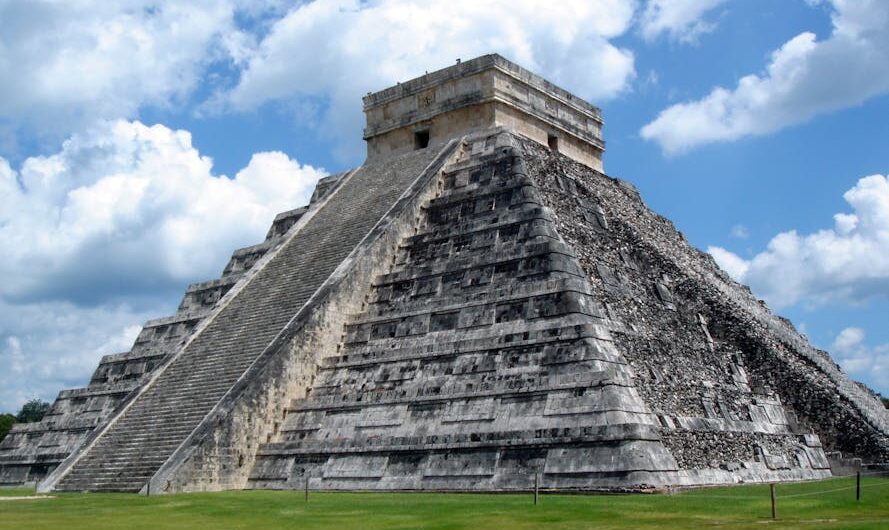
The Tempio di Kukulkan, known locally as El Castillo, stands as one of the most magnificent and mysterious archaeological wonders in the world. This iconic Mayan pyramid, located at the heart of Chichen Itza, represents the pinnacle of ancient Mesoamerican architectural achievement and astronomical knowledge. Rising majestically from the Yucatan Peninsula’s limestone plains, this sacred temple has captivated visitors for centuries with its perfect proportions, mathematical precision, and deep spiritual significance.
Best Maya Tours specializes in bringing travelers face-to-face with this extraordinary monument through expertly crafted private tours that reveal the temple’s hidden secrets and cultural importance. Our private Chichen Itza tours offer an intimate exploration of this UNESCO World Heritage site, allowing you to experience the grandeur of Kukulkan’s temple without the crowds that typically overwhelm this popular destination.
Architectural Marvel of the Ancient Maya
The Tempio di Kukulkan exemplifies the sophisticated engineering and astronomical knowledge of the ancient Maya civilization. This four-sided pyramid reaches a height of approximately 30 meters (98 feet) and consists of nine terraced levels, each representing one of the nine levels of the underworld in Mayan cosmology. The structure contains exactly 365 steps when including the temple platform at the top, directly corresponding to the solar year.

Every aspect of the temple’s design reflects the Maya’s profound understanding of mathematics, astronomy, and religious symbolism. The pyramid’s orientation aligns precisely with cardinal directions, and its construction demonstrates advanced knowledge of architectural principles that have allowed it to withstand centuries of weathering and seismic activity. The famous serpent shadow phenomenon that occurs during the spring and autumn equinoxes showcases the builders’ incredible astronomical calculations, as the play of light and shadow creates the illusion of Kukulkan, the feathered serpent deity, descending the pyramid’s steps.
Our private Yucatan Peninsula tours provide expert commentary on these architectural marvels, ensuring you understand the scientific and spiritual significance behind every carved stone and calculated angle. With Best Maya Tours, you’ll discover how the ancient Maya achieved such precision without modern tools or technology.
Private Tours: An Exclusive Journey Through Time
Experiencing the Tempio di Kukulkan through private tours offers unparalleled advantages that transform your visit from a simple sightseeing trip into a profound cultural immersion. Best Maya Tours’ private Chichen Itza tours are carefully designed to maximize your time at this sacred site while providing personalized attention from our knowledgeable guides who bring decades of expertise in Mayan history and culture.

Private tours allow for flexible scheduling, enabling early morning or late afternoon visits when the lighting creates dramatic shadows across the pyramid’s limestone facades. These optimal times not only provide superior photographic opportunities but also offer a more contemplative atmosphere for appreciating the temple’s spiritual significance. Our private tours accommodate your interests and pace, whether you’re fascinated by archaeological details, astronomical alignments, or the broader cultural context of Mayan civilization.
The intimate setting of private tours enables deeper conversations with our guides, who can answer specific questions and share insider knowledge about ongoing archaeological discoveries and interpretations. This personalized approach ensures that your visit to the Tempio di Kukulkan becomes a transformative educational experience rather than a rushed tourist attraction.
Multi-Day Exploration Options
For travelers seeking comprehensive understanding of Mayan culture, our multi-day tours combine visits to the Tempio di Kukulkan with exploration of other significant archaeological sites throughout the Yucatan Peninsula. These extended journeys allow for thorough examination of the cultural and historical connections between different Mayan centers, providing context that enhances your appreciation of Kukulkan’s temple within the broader civilization.
Multi-day tours include comfortable accommodations and carefully planned itineraries that balance archaeological exploration with relaxation and cultural activities. You’ll have opportunities to interact with contemporary Mayan communities, learn about traditional crafts and cuisine, and gain insight into how ancient traditions continue to influence modern life in the region.
Sacred Symbolism and Spiritual Significance
The Tempio di Kukulkan served as far more than an architectural monument; it functioned as a cosmic diagram that connected earthly and divine realms in Mayan belief systems. Kukulkan, known as Quetzalcoatl in other Mesoamerican cultures, represented the union of earth and sky, embodying wisdom, fertility, and the cyclical nature of time. The temple’s design incorporates numerous symbolic elements that reflect these spiritual concepts.

The pyramid’s nine levels correspond to the Mayan underworld’s structure, while the temple at the summit represents the celestial realm where gods resided. The four staircases symbolize the cardinal directions and their associated colors, deities, and seasonal characteristics. Intricate carvings throughout the structure depict scenes from Mayan mythology, astronomical events, and religious ceremonies that took place within the temple’s sacred spaces.
Our expert guides illuminate these spiritual dimensions during private tours, helping you understand how the ancient Maya viewed their relationship with the cosmos and how the Tempio di Kukulkan facilitated communication between human and divine realms. This deeper understanding transforms your visit into a meaningful exploration of human spirituality and ancient wisdom.
Best Private Tours in Riviera Maya: Complete Yucatan Experience
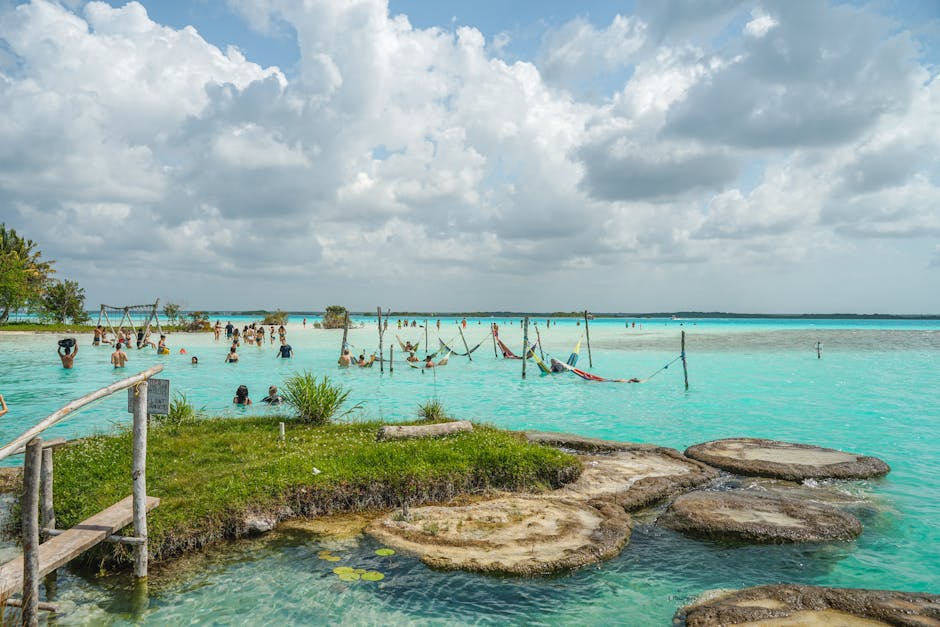
While the Tempio di Kukulkan represents the crown jewel of Mayan archaeological sites, the broader Riviera Maya region offers countless opportunities for cultural and natural exploration. Best Maya Tours provides the best private tours in Riviera Maya, combining visits to iconic sites like Chichen Itza with unique experiences such as the Sian Kaan lazy river tour and explorations of cenotes near Tulum.

The Sian Kaan Biosphere Reserve offers a stark contrast to the stone monuments of ancient cities, showcasing the natural environment that shaped Mayan civilization. Our lazy river Tulum tours provide opportunities to float through pristine waterways while learning about the ecosystem that the Maya considered sacred. These natural wonders complement archaeological sites by demonstrating the deep connection between Mayan culture and their environment.
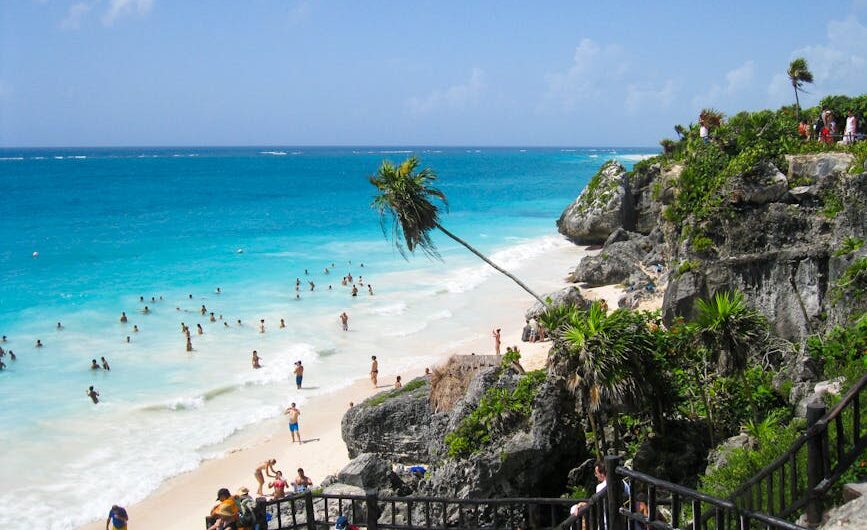
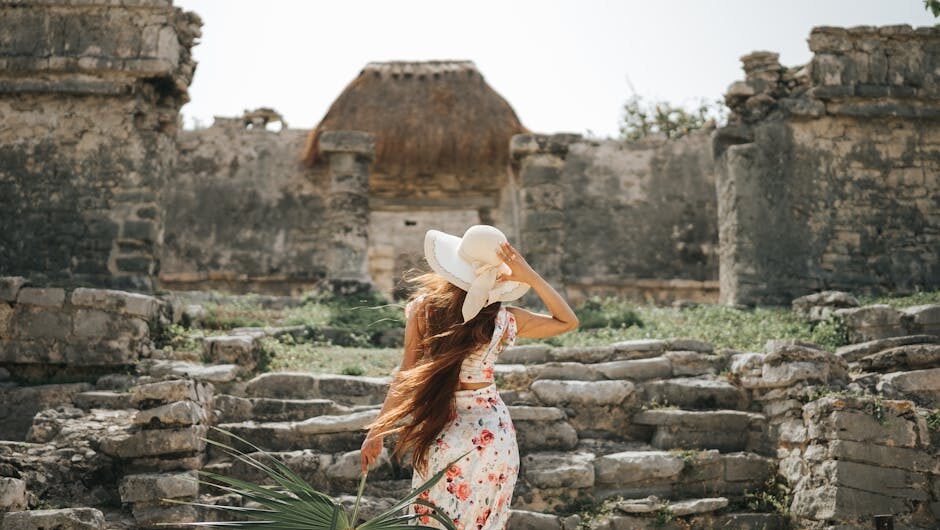
Private tours Riviera Maya extend beyond single-day excursions to encompass comprehensive exploration of the region’s diverse attractions. From the coastal fortress of Tulum perched dramatically above the Caribbean Sea to the intricate observatory at Chichen Itza, our carefully crafted itineraries ensure you experience the full spectrum of Mayan achievements in architecture, astronomy, and urban planning. To better understand what to bring for such adventures, make sure to read our guide on what to pack for a Riviera Maya tour.
Mayan Ruins Tours: Beyond Chichen Itza
Comprehensive Mayan ruins tours reveal the extensive network of cities and ceremonial centers that comprised this sophisticated civilization. While the Tempio di Kukulkan represents perhaps the most famous example of Mayan architecture, sites like Coba, Uxmal, and Ek Balam each offer unique insights into different periods and aspects of Mayan culture.
These extended explorations demonstrate how Mayan architectural styles evolved over centuries and how different cities specialized in particular functions within the broader political and economic networks. Understanding these connections enhances appreciation for the Tempio di Kukulkan’s significance as both a local ceremonial center and a symbol of Mayan civilization’s achievements. Travel agencies looking to offer similar unique insights to their clients should consider booking exclusive Maya tours through our partnership programs.
Planning Your Visit: Professional Guidance and Sustainable Tourism
Best Maya Tours’ commitment to sustainable tourism ensures that your visit to the Tempio di Kukulkan contributes positively to local communities while preserving these irreplaceable cultural treasures for future generations. Our guides are local experts who provide authentic insights while supporting traditional knowledge preservation and community economic development.
Professional planning eliminates common travel frustrations and maximizes your time at archaeological sites. We handle logistics, transportation, and scheduling while providing educational preparation that enhances your on-site experience. Our guides’ extensive knowledge, combined with small group sizes, ensures personalized attention and the flexibility to adapt tours based on your interests and physical capabilities. If you are a travel agency specializing in the Mexican market, you might find our insights on how to differentiate your Mexico tours with Mayan focus invaluable.
The optimal timing for visiting Chichen Itza varies throughout the year, with our experts providing guidance on weather conditions, crowd levels, and special events that might enhance your experience. We coordinate with local authorities and archaeological institutions to ensure our tours comply with preservation protocols while providing meaningful educational experiences.
Our sustainable tourism practices include supporting local artisans, utilizing eco-friendly transportation options when possible, and educating visitors about the importance of cultural preservation. By choosing Best Maya Tours, you participate in responsible tourism that helps protect the Tempio di Kukulkan and surrounding archaeological sites while contributing to local economic development.
Conclusion: Your Gateway to Ancient Wisdom
The Tempio di Kukulkan stands as a testament to human ingenuity, spiritual devotion, and scientific achievement that continues to inspire wonder nearly a millennium after its construction. This magnificent pyramid represents far more than an architectural marvel; it embodies the sophisticated worldview of a civilization that achieved remarkable advances in mathematics, astronomy, and urban planning.
Best Maya Tours provides the expertise, cultural sensitivity, and personalized attention necessary to transform your visit into a meaningful encounter with ancient wisdom and contemporary Mexican culture. Our private tours, multi-day explorations, and comprehensive Riviera Maya experiences ensure that your journey to the Tempio di Kukulkan becomes a transformative adventure that deepens your understanding of human achievement and cultural diversity.
Whether you’re drawn by the mathematical precision of Mayan architecture, the spiritual significance of ancient ceremonies, or the natural beauty of the Yucatan Peninsula, Best Maya Tours offers the perfect gateway to this extraordinary region. Book your private Chichen Itza tour today and prepare to witness one of humanity’s greatest architectural and spiritual achievements through the eyes of experts who understand its profound significance.
Experience the magic of the Tempio di Kukulkan with guides who bring passion, knowledge, and respect to every tour. Your adventure into the heart of Mayan civilization begins with Best Maya Tours – where ancient wisdom meets modern expertise to create unforgettable journeys of discovery. For our partners, we also offer private Riviera Maya tours wholesale rates to help you maximize profit margins.