When designing unforgettable Mayan cultural tours for your clients, choosing between Mayapán and Chichen Itza can significantly impact their experience. Both archaeological sites offer unique glimpses into ancient Mayan civilization, but each caters to different traveler preferences and tour objectives. Understanding the distinct characteristics, accessibility, and visitor experiences of these remarkable destinations will help you make informed recommendations that exceed your clients’ expectations.

As travel professionals, you need concrete insights into what sets these sites apart. Chichen Itza, a UNESCO World Heritage Site and one of the New Seven Wonders of the World, draws millions of visitors annually. Meanwhile, Mayapán, often called the “Last Capital of the Maya,” offers an intimate archaeological experience with fewer crowds and deeper historical significance. Your recommendation should align with your clients’ interests, travel style, and desired level of cultural immersion.

Historical Significance and Cultural Context

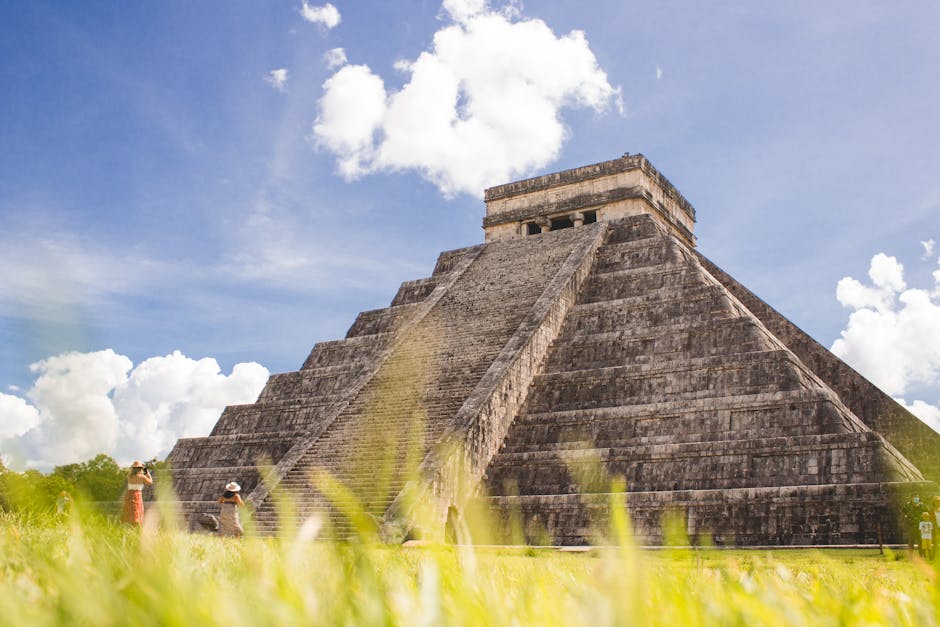
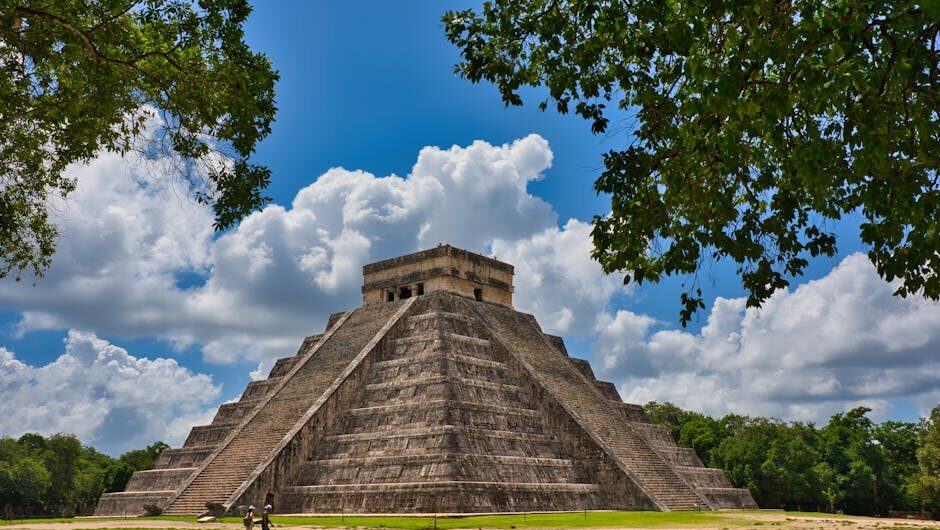
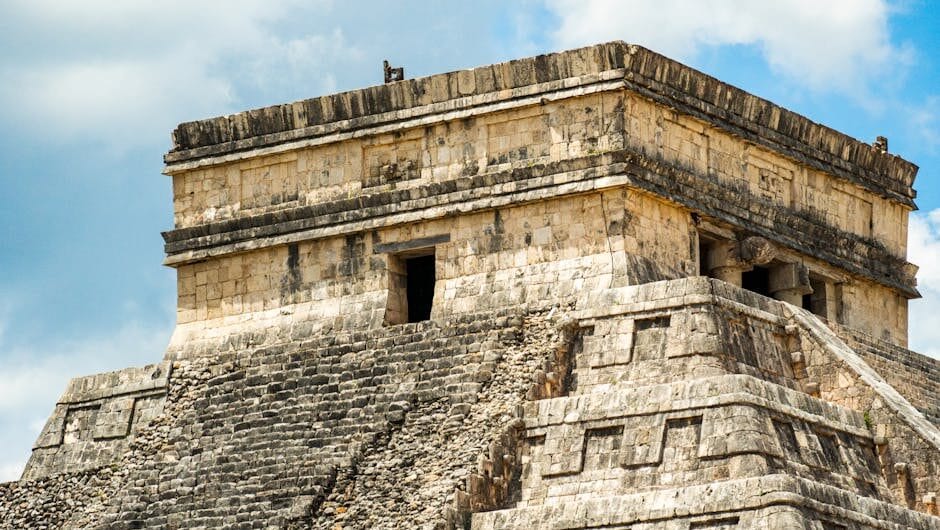
Chichen Itza flourished between 600 and 1200 CE, representing the pinnacle of Mayan architectural achievement and astronomical knowledge. The iconic El Castillo pyramid demonstrates sophisticated mathematical precision, with its 365 steps representing the solar year. During the spring and autumn equinoxes, shadows create the illusion of a serpent descending the pyramid’s steps, showcasing the Maya’s advanced understanding of celestial movements.

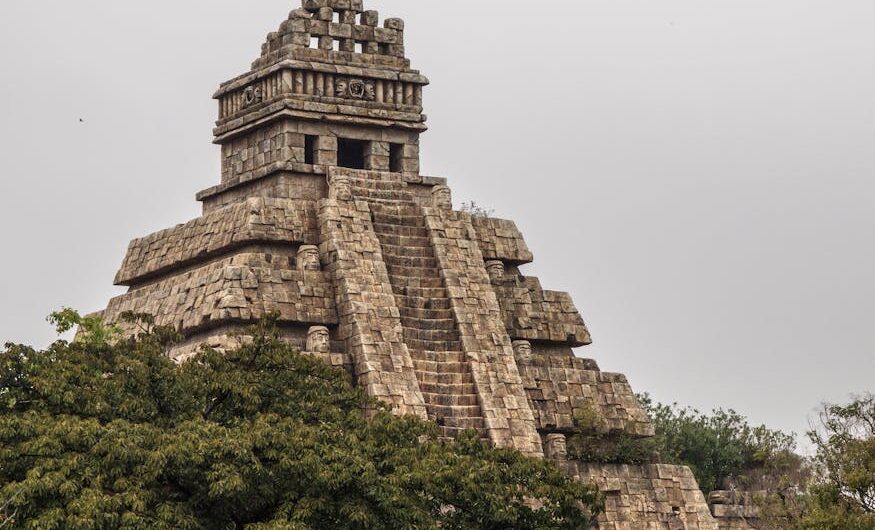
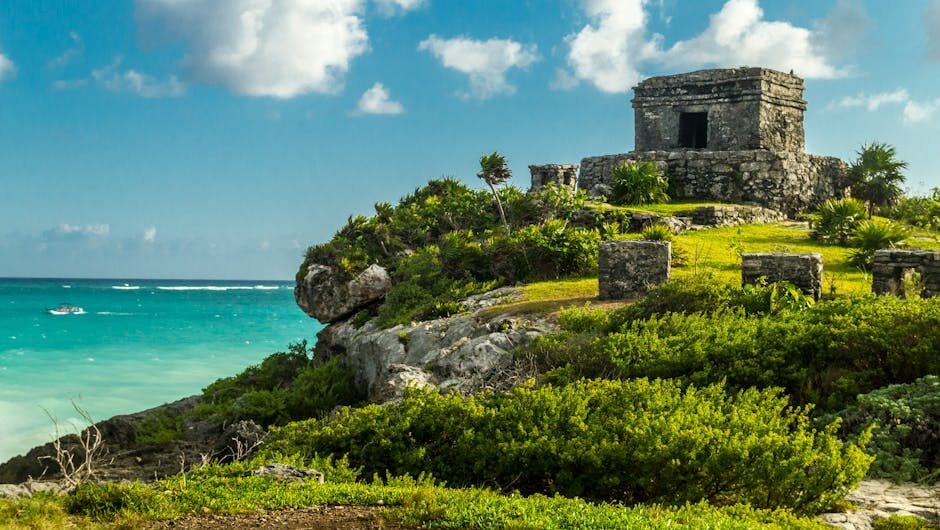
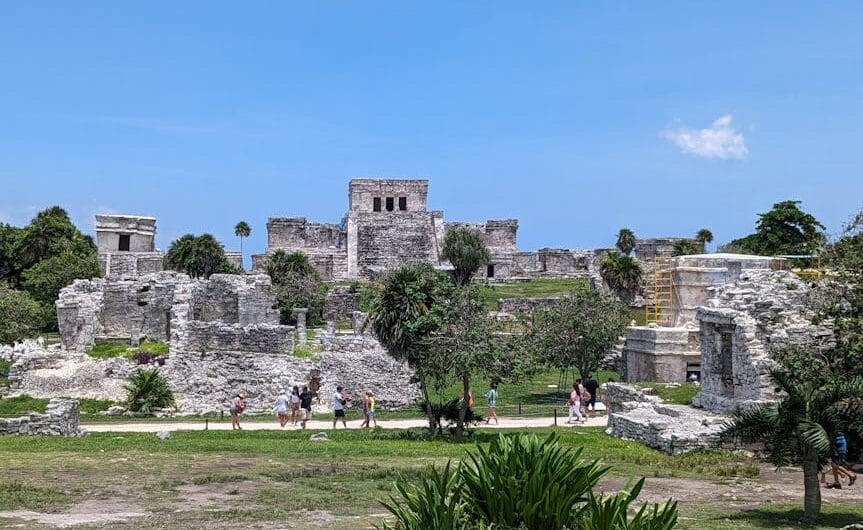
mayapan vs chichen itza which to recommend to your clients - Explore the historic Warrior's Temple at Chichén Itzá, iconic Mayan ruins in Mexico.

Mayapán, active from approximately 1200 to 1440 CE, served as the political and cultural capital of the Yucatán Peninsula after Chichen Itza’s decline. According to archaeological evidence, this walled city housed over 15,000 residents at its peak, making it one of the largest Mayan urban centers. The site represents the final flowering of Mayan civilization before Spanish colonization, offering insights into late Postclassic Mayan society.

For clients seeking deep historical context, Mayapán provides a more complete picture of Mayan urban life. The site’s extensive residential areas, administrative buildings, and ceremonial complexes reveal how ordinary Maya lived alongside their rulers. Chichen Itza, while architecturally stunning, focuses primarily on ceremonial and astronomical structures, offering less insight into daily Mayan life.

Visitor Experience and Accessibility

Chichen Itza: The Grand Spectacle

Chichen Itza delivers an immediately impressive experience that satisfies clients seeking iconic photo opportunities and world-renowned landmarks. The site opens at 8:00 AM, and early arrival is crucial for avoiding massive crowds that peak between 10:00 AM and 2:00 PM. The main archaeological zone can be explored in 2-3 hours, making it suitable for half-day excursions.

Modern amenities include a comprehensive visitor center, multiple gift shops, restaurants, and clean facilities. Professional guides are readily available in multiple languages, and the site offers excellent accessibility for clients with mobility limitations. The paved paths and well-maintained walkways ensure comfortable navigation for all age groups.

However, the site’s popularity creates challenges. Peak season crowds can number in the thousands daily, diminishing the mystical atmosphere many clients seek. Photography opportunities become limited due to restricted access to pyramid climbing and crowded viewpoints. The commercial atmosphere, while convenient, may feel overly touristy for clients seeking authentic cultural experiences.

Mayapán: The Intimate Discovery

Mayapán offers a dramatically different experience characterized by tranquility and authentic archaeological exploration. Daily visitor numbers rarely exceed 100 people, creating an intimate atmosphere where clients can genuinely connect with ancient Mayan heritage. The site allows pyramid climbing, providing spectacular panoramic views of the surrounding jungle and archaeological complex.

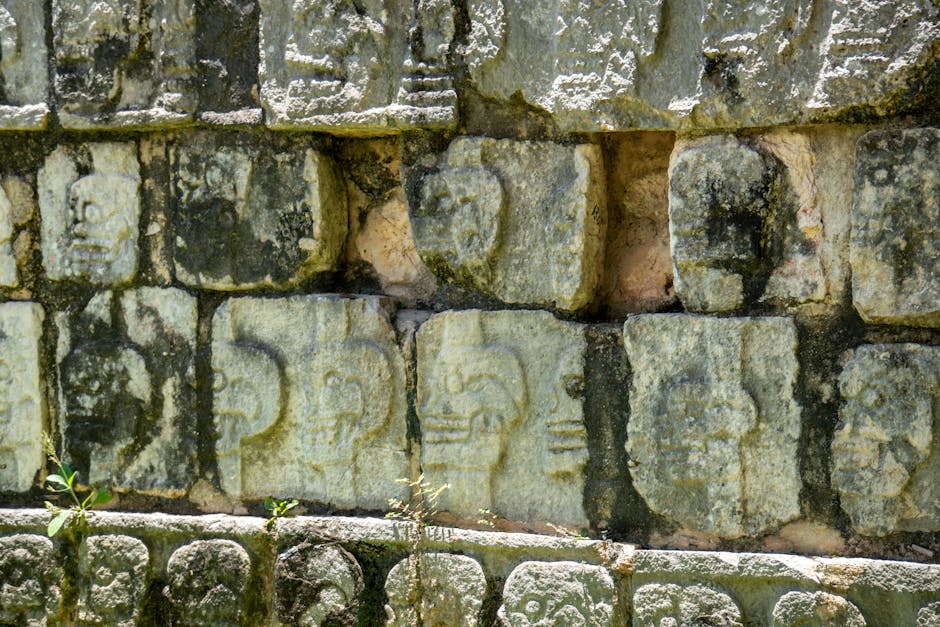
The visitor experience emphasizes exploration and discovery. Clients can wander freely through residential complexes, examine detailed stone carvings up close, and experience the site much as archaeologists do during excavations. This hands-on approach appeals to clients interested in archaeology, history, and cultural immersion rather than simply checking landmarks off their bucket lists.

Infrastructure is more basic than Chichen Itza, with limited facilities and fewer amenities. This rustic approach enhances authenticity but requires careful client preparation. The site works best for physically active travelers comfortable with uneven terrain and basic facilities. Tour duration typically extends to 3-4 hours due to the extensive site and detailed exploration opportunities.

Target Client Recommendations

Recommend Chichen Itza For:

  • First-time Mexico visitors seeking iconic experiences and recognizable landmarks
  • Photography enthusiasts wanting dramatic architectural shots and social media content
  • Large group tours requiring reliable infrastructure and professional services
  • Clients with mobility concerns needing accessible pathways and facilities
  • Time-constrained travelers on cruise ship excursions or tight itineraries
  • Families with young children who need shorter visit durations and modern amenities

Recommend Mayapán For:

  • Repeat Mexico visitors seeking authentic, off-the-beaten-path experiences
  • History and archaeology enthusiasts wanting in-depth cultural exploration
  • Adventure travelers comfortable with rustic conditions and physical activity
  • Small group or private tours emphasizing personalized experiences
  • Cultural immersion seekers preferring authentic over commercialized experiences
  • Travelers with flexible schedules allowing extended exploration time

Practical Logistics and Tour Planning

Location and transportation significantly impact your recommendation strategy. Chichen Itza sits approximately 120 miles east of Mérida and 95 miles west of Cancún, making it easily accessible from major tourist hubs. Multiple tour operators offer daily excursions, and the excellent highway infrastructure ensures reliable transportation schedules.

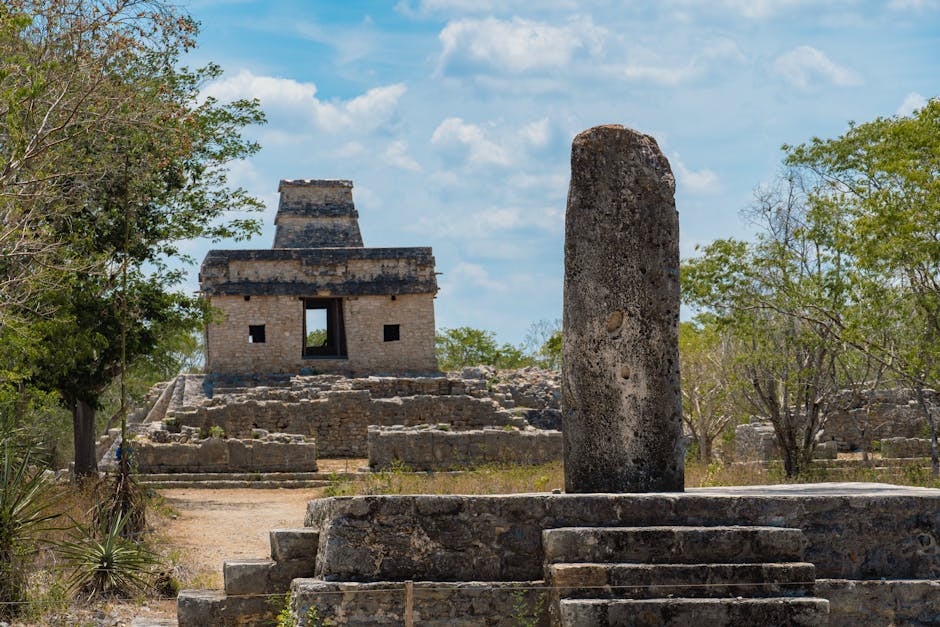
mayapan vs chichen itza which to recommend to your clients - El Castillo pyramid at Chichén Itzá, a famous Mayan historical landmark in Mexico.

Mayapán is located 25 miles southeast of Mérida, requiring about 45 minutes of travel time. The shorter distance allows for more flexible itinerary planning and combination with other regional attractions. According to Mexico’s National Institute of Anthropology and History, the site offers guided tours in Spanish and English, though advance booking ensures availability.

Cost considerations favor Mayapán for budget-conscious clients. Entrance fees are significantly lower, transportation costs are reduced due to proximity to Mérida, and the lack of commercial development means fewer opportunities for expensive tourist purchases. However, the specialized nature of Mayapán visits may require private guides and transportation, potentially increasing overall costs for individual travelers.

Combining Both Sites for Comprehensive Experiences

For clients with sufficient time and budget, combining both sites creates an exceptional archaeological journey spanning different periods of Mayan civilization. This approach allows travelers to experience Chichen Itza’s grandeur while gaining deeper cultural insights at Mayapán. A well-planned three-day itinerary can include both sites along with Mérida’s colonial architecture and regional cenotes.

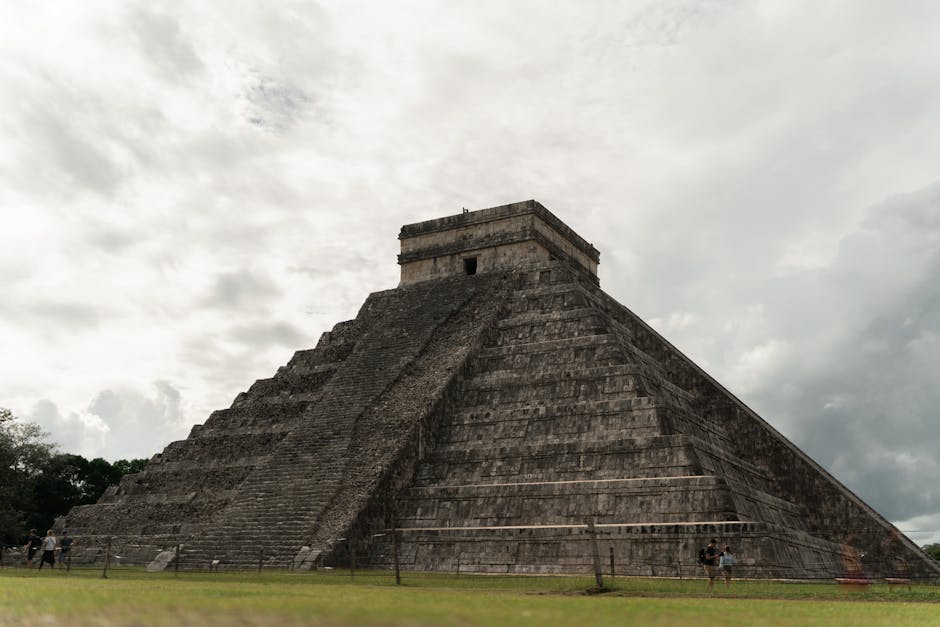
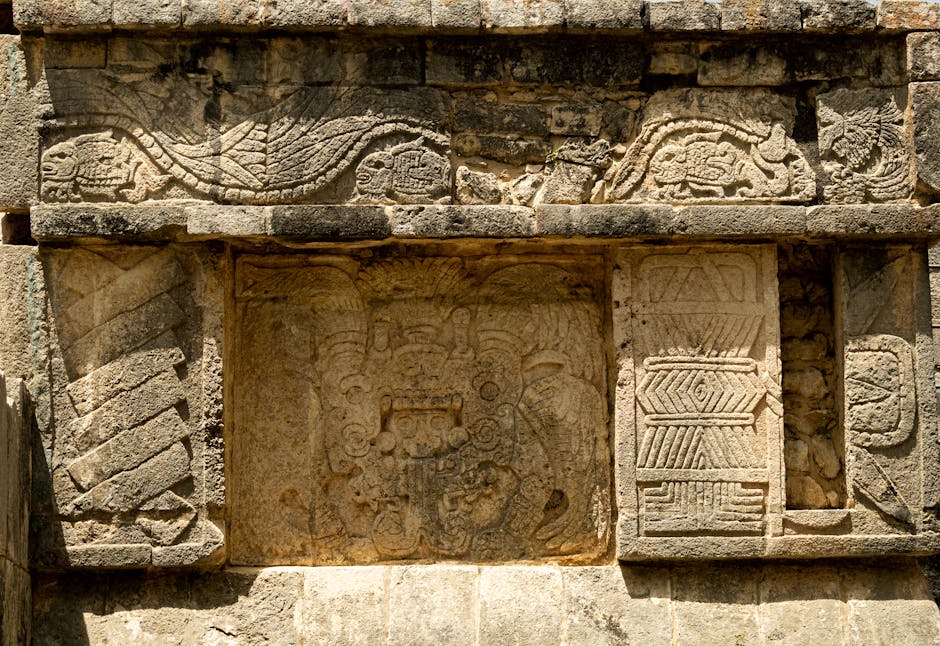
mayapan vs chichen itza which to recommend to your clients - Scenic view of the El Castillo pyramid at Chichén Itzá, capturing its historical grandeur.

Professional tour operators like Best Maya Tours specialized in creating comprehensive cultural experiences that maximize historical education while ensuring client comfort. Their expert guides provide contextual connections between sites, helping clients understand the evolution of Mayan civilization from its classical peak through its final flowering.

This combined approach works exceptionally well for educational groups, cultural enthusiasts, and clients seeking thorough understanding rather than surface-level tourism. The contrast between sites enhances appreciation for both, creating memorable experiences that exceed typical tourist expectations.

Marketing and Client Communication Strategies

When presenting options to clients, emphasize experience quality over site rankings. Chichen Itza’s fame makes it an easy sell, but educating clients about Mayapán’s unique advantages can differentiate your services and create more satisfied customers. Use descriptive language that helps clients visualize their experience: “climb ancient pyramids with only birds for company” versus “photograph world-famous landmarks.”

Develop client questionnaires that identify travel motivations, physical capabilities, and cultural interests. Travel industry research shows that matching destinations to traveler personalities significantly increases satisfaction and referral rates. Use this information to make confident recommendations that align with client expectations.

Create compelling marketing materials showcasing both sites’ unique advantages. High-quality photography, detailed descriptions, and client testimonials help potential travelers understand why your recommendations suit their specific interests. Emphasize the expertise and local knowledge that inform your suggestions, positioning yourself as a trusted cultural tourism specialist.

Conclusion: Making the Right Choice for Your Clients

Choosing between Mayapán and Chichen Itza ultimately depends on your clients’ priorities, interests, and travel style. Chichen Itza delivers iconic experiences and impressive architecture that satisfy most travelers’ expectations for visiting Mexico’s archaeological treasures. Mayapán offers authentic cultural immersion and intimate exploration opportunities that create profound connections with ancient Mayan civilization.

Your expertise in matching destinations to client personalities will determine their satisfaction and your business success. Consider each traveler’s motivations, physical capabilities, and cultural interests when making recommendations. Both sites offer extraordinary experiences when properly matched to appropriate clients.

Ready to create unforgettable Mayan cultural experiences for your clients? Contact Best Maya Tours today to discuss customized itineraries that showcase the best of ancient Mayan civilization. Our expert guides and commitment to sustainable tourism ensure your clients receive authentic, educational, and memorable experiences that exceed their expectations. Visit bestmayatours.com to explore our comprehensive tour options and begin planning exceptional archaeological adventures.

As a travel agent, understanding the unique appeal of cenote tours in Riviera Maya can transform how you sell Mexican destinations to your clients. These natural swimming holes, sacred to the ancient Maya civilization, offer an extraordinary experience that combines adventure, culture, and natural beauty. With over 6,000 cenotes discovered along Mexico’s Caribbean coast, Riviera Maya presents unparalleled opportunities for creating memorable itineraries that differentiate your services from standard beach vacation packages.

The cenote experience appeals to diverse demographics, from adventure-seeking millennials to culturally curious baby boomers. Understanding how to position these tours effectively will help you capture higher-value bookings while establishing yourself as an expert in authentic Mexican travel experiences. This comprehensive guide provides the essential knowledge you need to confidently sell cenote tours and maximize your commission potential in the competitive Riviera Maya market.

Understanding Cenotes: The Foundation of Your Sales Pitch

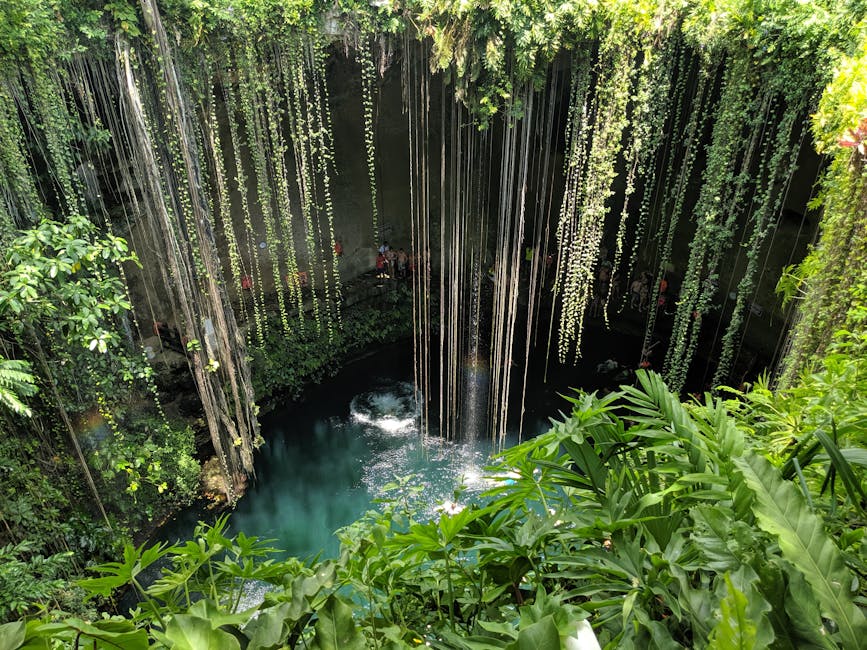
Cenotes are natural sinkholes formed when limestone bedrock collapses, revealing underground rivers beneath. The word “cenote” comes from the Mayan term “dzonot,” meaning sacred well. These geological formations are unique to the Yucatan Peninsula, making them an exclusive selling point for Riviera Maya destinations.

cenote tours riviera maya a travel agent's guide - A hand on a map suggests travel and exploration, ideal for wanderlust vibes.

The scientific significance of cenotes extends beyond their beauty. They connect to the world’s largest underwater cave system, spanning over 347 kilometers. This vast network creates crystal-clear freshwater pools with visibility often exceeding 100 meters. The consistent water temperature of 24-25°C (75-77°F) year-round makes cenotes ideal for swimming regardless of season.

Types of Cenotes Your Clients Can Experience

Understanding the four main types of cenotes helps you match client preferences with appropriate tours:

  • Open Cenotes: Completely exposed to sky, offering easy access and dramatic photo opportunities
  • Semi-Open Cenotes: Partially covered with stunning light effects filtering through openings
  • Cave Cenotes: Completely underground, providing mysterious atmospheres and unique acoustics
  • Cavern Cenotes: Underground with large chambers, perfect for snorkeling and exploration

Popular Cenote Destinations and Their Unique Selling Points

Each cenote offers distinct experiences that appeal to different client interests. Positioning these correctly increases your booking success rate and client satisfaction.

Dos Ojos: The Instagram-Perfect Choice

Dos Ojos, meaning “two eyes,” features two connected cenotes creating stunning visual contrast. The crystal-clear water and dramatic stalactites make it ideal for photography enthusiasts. This cenote appeals particularly to younger travelers seeking social media content and couples looking for romantic experiences.

Gran Cenote: Family-Friendly Adventure

Gran Cenote offers easy access with well-maintained facilities, making it perfect for families with children or clients with mobility concerns. The large open areas and shallow sections provide safe swimming while still delivering the authentic cenote experience.

Cenote Azul: The Swimming Paradise

With its large open-air pool and multiple depth levels, Cenote Azul attracts clients primarily interested in swimming and relaxation. The facility includes amenities like restrooms, lockers, and food service, appealing to comfort-oriented travelers.

Sacred Cenote at Chichen Itza: Cultural Immersion

Combining cenote visits with Chichen Itza tours creates premium cultural experiences. The Sacred Cenote holds significant archaeological importance, where Maya conducted ceremonies and made offerings to their gods. This combination appeals to history buffs and cultural tourists willing to pay premium prices.

Target Demographics and Positioning Strategies

Successful cenote tour sales require understanding which clients will most appreciate these experiences and how to present them effectively.

cenote tours riviera maya a travel agent's guide - Close-up of a colorful scratch-off world map showing Europe with focus on planning travel.

Adventure Travelers (Ages 25-45)

Position cenotes as unique adventure experiences unavailable anywhere else globally. Emphasize activities like cave diving, snorkeling in underground rivers, and cliff jumping. Bundle with other adventure activities like zip-lining or ATV tours for comprehensive packages.

Cultural Enthusiasts (All Ages)

Focus on the spiritual significance and archaeological importance of cenotes. Combine with visits to nearby ruins, traditional Maya villages, and cultural workshops. Highlight the connection to ancient civilizations and ongoing Maya traditions.

Wellness and Eco-Travelers

Emphasize the therapeutic benefits of swimming in natural spring water and the meditative qualities of cenote environments. Position as digital detox experiences where clients can reconnect with nature away from technology and crowded beaches.

Luxury Travelers

Create exclusive experiences with private cenote access, gourmet picnics, and professional photography services. Partner with high-end operators offering luxury transportation and premium amenities.

Practical Booking Considerations for Travel Agents

Understanding operational aspects helps you set appropriate client expectations and avoid common booking pitfalls.

Seasonal Considerations

While cenotes operate year-round, certain factors affect the experience quality. Dry season (November-April) offers clearer water but higher crowds. Rainy season (May-October) provides fewer tourists but potential weather-related closures. Factor these considerations into your recommendations based on client priorities.

Group Size and Age Restrictions

Most cenotes limit group sizes to preserve the environment and maintain experience quality. Some cenotes restrict children under certain ages for safety reasons. Verify specific requirements when making reservations to avoid disappointment.

Equipment and Additional Costs

Standard cenote tours typically include life jackets and basic snorkeling gear. Premium experiences may include underwater cameras, professional guides, and specialized equipment. Clarify what’s included versus optional add-ons when quoting prices.

Health, Safety, and Environmental Considerations

Addressing safety concerns proactively builds client confidence and demonstrates your professionalism as a travel advisor.

cenote tours riviera maya a travel agent's guide - A small, colorful globe rests on a marble surface, symbolizing global exploration and travel planning.

Water Safety Protocols

Cenote waters are generally safe for swimming, with natural filtration through limestone creating pure conditions. However, clients should understand basic safety protocols including staying within designated areas and following guide instructions. Most reputable operators provide safety briefings and maintain emergency equipment.

Environmental Protection Requirements

Cenotes are fragile ecosystems requiring protection measures. Clients must use biodegradable sunscreen, avoid touching formations, and follow strict environmental guidelines. Mexican tourism authorities enforce these regulations to preserve these natural treasures for future generations.

Physical Requirements and Accessibility

Access to cenotes varies significantly. Some require climbing down steep stairs or walking through uneven terrain. Others offer easy access suitable for all mobility levels. Match cenote selection to your clients’ physical capabilities and preferences.

Maximizing Revenue Through Strategic Packaging

Creating compelling packages increases your per-booking revenue while providing better value for clients.

Multi-Cenote Tours

Combine visits to multiple cenotes with different characteristics, offering variety within a single day trip. Popular combinations include one open cenote for swimming and one cave cenote for exploration, providing diverse experiences.

Cultural Integration Packages

Bundle cenote tours with archaeological sites, traditional Maya villages, or cultural workshops. These combinations justify premium pricing while delivering comprehensive cultural immersion experiences.

Adventure Activity Combinations

Partner with operators offering zip-lining, ATV tours, or jungle trekking to create full-day adventure packages. These combinations appeal to active travelers seeking varied experiences within efficient timeframes.

Luxury Enhancement Options

Offer upgrades including private transportation, gourmet meals, professional photography, or exclusive cenote access. These enhancements significantly increase profit margins while providing memorable experiences.

Building Partnerships with Quality Operators

Selecting reliable local partners ensures consistent client satisfaction and protects your reputation as a trusted travel advisor.

Research operators thoroughly, examining safety records, environmental practices, and client reviews. Establish relationships with multiple operators to provide options for different client needs and budgets. Companies like Best Maya Tours specialize in sustainable cenote experiences, offering the expertise and commitment to environmental protection that discerning travelers expect.

Verify operator certifications, insurance coverage, and safety protocols. Request detailed itineraries and understand cancellation policies to manage client expectations effectively. Building strong partnerships with reputable operators like Best Maya Tours ensures access to the best cenote experiences while maintaining the high service standards your clients deserve.

Conclusion

Cenote tours in Riviera Maya represent an exceptional opportunity for travel agents to differentiate their services while capturing higher-value bookings. By understanding the unique characteristics of different cenotes, matching them to appropriate client demographics, and creating strategic packages, you can establish yourself as an expert in authentic Mexican travel experiences.

The key to success lies in education, proper positioning, and partnering with quality operators who share your commitment to client satisfaction and environmental responsibility. As the travel industry continues evolving toward more experiential offerings, cenote tours provide the perfect combination of adventure, culture, and natural beauty that today’s travelers seek.

Ready to enhance your Riviera Maya offerings with unforgettable cenote experiences? Contact Best Maya Tours today to explore partnership opportunities and discover how our expertise in sustainable, culturally-rich cenote tours can elevate your client experiences while maximizing your revenue potential.

Travel agents specializing in cultural and historical experiences face unique challenges when designing Maya archaeology tours. The ancient Maya civilization left behind an extraordinary archaeological legacy spanning Mexico, Guatemala, Belize, and Honduras, creating countless opportunities for educational and transformative travel experiences. However, successfully managing these specialized tours requires deep understanding of archaeological sites, cultural sensitivities, and practical logistics that differ significantly from conventional vacation packages.

Maya archaeology tours represent a growing segment of cultural tourism, attracting travelers seeking authentic connections with ancient civilizations. For travel agents, mastering the intricacies of these tours means developing expertise in site accessibility, seasonal considerations, educational value, and sustainable tourism practices. The difference between a mediocre archaeology tour and an exceptional one often lies in the attention to detail and specialized knowledge that travel agents bring to the planning process.

Understanding Maya Archaeological Sites and Their Accessibility

Successful Maya archaeology tour planning begins with comprehensive knowledge of site characteristics and accessibility requirements. Each archaeological site presents unique challenges and opportunities that directly impact tour feasibility and client experience.

maya archaeology tour best practices for travel agents - Explore the iconic Pyramid of Kukulcán in Chichén Itzá with clear skies.

Major Site Categories and Planning Considerations

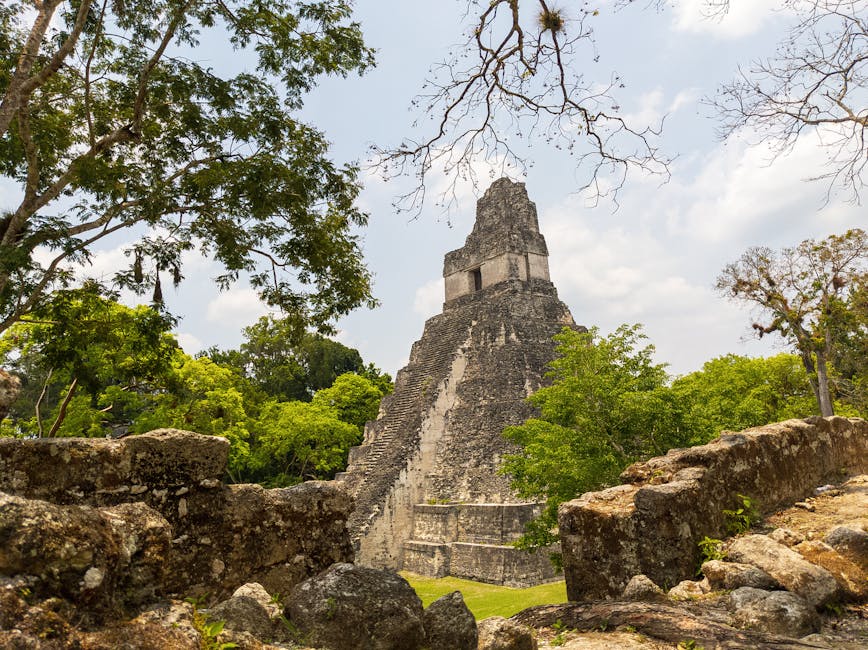
Maya archaeological sites fall into several categories that require different planning approaches. Primary sites like Chichen Itza and Tikal offer extensive infrastructure and guided services but require advance booking during peak seasons. Secondary sites such as Coba or Ek Balam provide more intimate experiences with fewer crowds but may have limited facilities and accessibility challenges.

Remote archaeological sites demand specialized logistics including transportation arrangements, physical fitness assessments, and extended timeframes. Travel agents must evaluate client capabilities against site requirements, considering factors like hiking distances, terrain difficulty, and available amenities. Sites accessible only by boat or small aircraft require additional coordination and weather contingency planning.

Seasonal Timing and Weather Considerations

Maya archaeology tour success heavily depends on seasonal timing decisions that affect both site accessibility and client comfort. The dry season from December through April offers optimal conditions for archaeological exploration, with minimal rainfall and comfortable temperatures. However, this period also brings peak tourist crowds and higher accommodation costs.

The wet season presents opportunities for lower costs and fewer crowds but requires careful planning around rainfall patterns and potential site closures. Some remote sites become inaccessible during heavy rain periods, while others benefit from lush vegetation that enhances the mystical atmosphere of ancient ruins.

Building Educational Value Through Expert Guide Selection

The educational component distinguishes archaeology tours from general sightseeing experiences, making guide selection critical for tour success. Travel agents must develop relationships with qualified guides who combine archaeological knowledge with engaging presentation skills.

Qualification Standards for Archaeological Guides

Professional archaeological guides should possess formal education in archaeology, anthropology, or related fields, combined with specialized training in Maya civilization and culture. Many countries require official certification for guides working at archaeological sites, ensuring minimum competency standards and site protection awareness.

The best guides demonstrate ability to adapt their presentations to diverse audience interests and knowledge levels while maintaining historical accuracy. They should be capable of explaining complex archaeological concepts in accessible terms, connecting ancient Maya achievements to contemporary understanding, and addressing common misconceptions about Maya civilization.

Language Capabilities and Cultural Sensitivity

Guide language capabilities extend beyond basic communication to include specialized archaeological terminology and cultural context explanation. Bilingual guides offer advantages for diverse tour groups, while multilingual capabilities become essential for international clientele.

Cultural sensitivity training ensures guides respectfully present Maya heritage while acknowledging contemporary Maya communities. This includes understanding sacred sites protocols, appropriate behavior guidelines, and connections between ancient and modern Maya cultures.

Implementing Sustainable Tourism Practices

Sustainable tourism practices protect archaeological sites while supporting local communities, creating positive long-term impacts that enhance tour value and destination preservation. Travel agents play crucial roles in promoting responsible archaeology tourism through careful vendor selection and client education.

maya archaeology tour best practices for travel agents - Explore the majestic Temple of the Warriors at Chichén Itzá with its breathtaking ancient architecture.

Site Protection and Visitor Impact Management

Archaeological sites face constant pressure from tourism development and visitor impact, requiring careful management to preserve these irreplaceable cultural resources. Travel agents should prioritize tour operators who demonstrate commitment to site protection through adherence to visitor guidelines, group size limitations, and designated pathway usage.

The UNESCO World Heritage Convention establishes international standards for cultural site protection that provide excellent guidelines for sustainable archaeology tourism. Tour operators following these principles contribute to long-term site preservation while delivering high-quality educational experiences.

Supporting Local Communities and Economies

Sustainable Maya archaeology tours incorporate meaningful connections with contemporary Maya communities through cultural exchanges, artisan visits, and locally-sourced services. This approach enriches tourist experiences while providing economic benefits to communities maintaining cultural traditions near archaeological sites.

Travel agents should seek partnerships with community-based tourism initiatives that offer authentic cultural experiences while respecting privacy and dignity. These connections provide deeper understanding of Maya culture continuity and support sustainable development in archaeological regions.

Logistical Coordination and Safety Protocols

Maya archaeology tours involve complex logistical coordination spanning transportation, accommodation, site access, and safety management. Professional travel agents must develop comprehensive planning systems that address multiple contingencies while maintaining flexibility for unexpected situations.

Transportation and Accommodation Logistics

Archaeological sites often require specialized transportation arrangements including comfortable vehicles suitable for rough terrain, boats for water access sites, and occasional aircraft for remote locations. Vehicle selection should prioritize safety, comfort, and environmental considerations while accommodating group sizes and equipment requirements.

Accommodation planning near archaeological sites requires balancing authenticity, comfort, and sustainability goals. Many sites offer limited nearby lodging options, requiring extended travel times or camping arrangements that appeal to adventurous clients but may challenge others.

Health and Safety Considerations

Archaeological site visits involve inherent risks including uneven terrain, climbing structures, extreme weather exposure, and remote location challenges. Travel agents must conduct thorough risk assessments and implement appropriate safety protocols including medical support access, emergency communication systems, and client capability evaluations.

Health considerations encompass vaccination requirements, altitude adjustments, dietary accommodations, and medical facility access. Remote archaeological sites may require first aid training for guides and emergency evacuation planning for serious medical situations.

Client Preparation and Expectation Management

Successful Maya archaeology tours depend heavily on thorough client preparation that sets appropriate expectations and ensures participants arrive equipped for meaningful experiences. Travel agents must develop comprehensive briefing processes that cover practical, educational, and cultural preparation aspects.

maya archaeology tour best practices for travel agents - Close-up of the ancient Mayan pyramid at Chichén Itzá, showcasing detailed stonework against a blue sky.

Pre-Tour Educational Resources

Educational preparation enhances tour value by providing historical context and cultural background that enriches on-site experiences. Travel agents should curate reading lists, documentary recommendations, and online resources that introduce Maya civilization complexity and achievements before departure.

Digital preparation tools including virtual site tours, archaeological timeline presentations, and cultural orientation materials help clients develop appreciation for Maya heritage while building excitement for upcoming experiences. The Smithsonian Institution offers excellent archaeological resources that provide authoritative information about Maya civilization discoveries and ongoing research.

Physical and Equipment Preparation

Archaeological site exploration requires specific physical capabilities and equipment that clients must understand and prepare for in advance. Travel agents should provide detailed fitness requirement descriptions, recommended training programs, and essential equipment lists tailored to specific sites and seasons.

Equipment recommendations should include appropriate footwear for archaeological terrain, sun protection for open site exploration, photography equipment guidelines, and clothing suitable for varying weather conditions and cultural sensitivity requirements.

Marketing and Pricing Strategies for Maya Archaeology Tours

Maya archaeology tours command premium pricing due to specialized knowledge requirements, expert guide costs, and unique experience value. Travel agents must develop marketing strategies that effectively communicate tour value while attracting clients willing to invest in educational and transformative experiences.

Successful marketing emphasizes the exclusive nature of archaeological access, expert interpretation quality, and life-changing potential of connecting with ancient civilizations. Photography from previous tours showcases spectacular site beauty while testimonials highlight educational value and personal transformation experiences.

Pricing strategies should reflect the specialized nature of archaeology tours while remaining competitive within the cultural tourism market. Value-added services such as pre-tour education, exclusive site access, expert guide services, and sustainable tourism contributions justify premium pricing for discerning clients seeking authentic cultural experiences.

Maya archaeology tour best practices for travel agents encompass comprehensive site knowledge, expert guide relationships, sustainable tourism implementation, meticulous logistical planning, thorough client preparation, and strategic marketing approaches. Success in this specialized market requires dedication to continuous learning about Maya civilization, archaeological discoveries, and evolving tourism practices.

Travel agents who master these best practices position themselves as trusted experts capable of delivering transformative cultural experiences that exceed client expectations while contributing to archaeological site preservation and local community support. The investment in developing Maya archaeology expertise opens doors to a rewarding and sustainable niche market within the broader cultural tourism industry.

Ready to develop your Maya archaeology tour expertise? Best Maya Tours specializes in providing travel agents with the knowledge, connections, and support needed to create exceptional archaeological experiences. Visit bestmayatours.com to discover how our partnership can enhance your cultural tourism offerings and deliver unforgettable Maya civilization encounters for your clients.

The Riviera Maya has evolved into one of Mexico’s premier adventure tourism destinations, offering travel agencies an extraordinary opportunity to create unforgettable group experiences. This captivating stretch of Caribbean coastline, extending from Puerto Morelos to Tulum, combines ancient Mayan heritage with modern adventure activities, making it an ideal choice for agencies looking to diversify their group tour offerings. With its unique blend of cultural immersion, outdoor adventures, and natural wonders, the Riviera Maya provides travel agencies with endless possibilities to craft distinctive group packages that stand out in today’s competitive market.

Understanding the Riviera Maya Adventure Tourism Market

The Riviera Maya adventure tourism sector has experienced remarkable growth, with the region now welcoming over 15 million visitors annually. Travel agencies specializing in group bookings benefit from the area’s well-developed infrastructure, which includes multiple international airports, extensive accommodation options, and professional tour operators like Best Maya Tours who understand the specific needs of organized group travel.

adventure tours riviera maya for groups travel agencies - Tourists ride Segways on a cobblestone street in a vibrant urban setting, exploring architecture and city life.

The region’s adventure tourism offerings extend far beyond traditional beach vacations. Groups can explore underwater cave systems called cenotes, navigate through dense jungle canopies on zip lines, discover ancient Mayan ruins, and engage in water sports along pristine beaches. This diversity allows travel agencies to create multi-day itineraries that appeal to various demographics, from corporate retreat planners to educational tour organizers.

According to the Mexican Tourism Board, adventure tourism represents one of the fastest-growing segments in the country’s tourism industry. This growth presents significant opportunities for travel agencies to establish themselves as specialists in Riviera Maya group adventures while building long-term relationships with local operators who can deliver exceptional experiences consistently.

Popular Adventure Activities for Group Tours

Cenote Exploration and Cave Diving

The Yucatan Peninsula’s unique geological formations have created thousands of cenotes, natural freshwater sinkholes that offer unparalleled adventure opportunities for groups. These crystal-clear underground pools provide experiences ranging from gentle swimming and snorkeling to advanced cave diving for certified divers. Travel agencies can arrange cenote tours that accommodate different skill levels within the same group, ensuring everyone participates safely and enjoyably.

Popular cenote destinations include Dos Ojos, Gran Cenote, and Cenote Azul, each offering distinct characteristics that appeal to different group preferences. Professional guides familiar with cenote safety protocols are essential, as these natural formations require specific expertise to navigate safely with larger groups.

Zip-lining and Canopy Tours

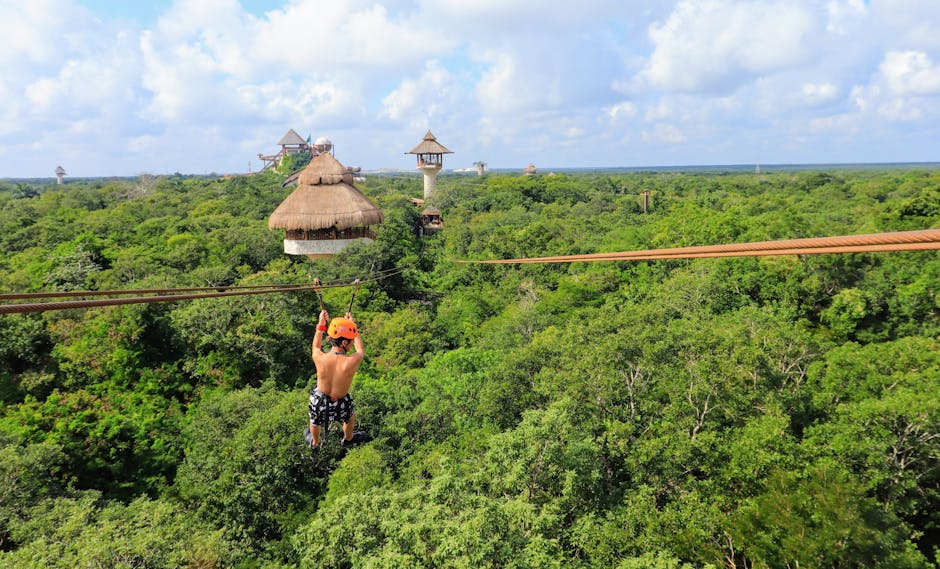
The Riviera Maya’s lush jungle canopy provides the perfect setting for exhilarating zip-line adventures. Adventure parks like Xel-Há and Selvatica offer comprehensive canopy tour experiences that can accommodate groups of varying sizes. These tours typically combine zip-lining with other activities such as ATV rides, rope bridges, and wildlife observation, creating full-day adventure packages that travel agencies can easily incorporate into longer itineraries.

Group sizes for zip-line tours typically range from 8 to 20 participants, making them ideal for corporate teams, educational groups, and family reunions. Safety equipment and professional instruction are provided, ensuring that participants with no previous experience can enjoy these adventures confidently.

Archaeological Site Adventures

The Riviera Maya region houses some of Mexico’s most significant archaeological sites, including Tulum, Coba, and the nearby world-famous Chichen Itza. These ancient Mayan settlements offer groups the opportunity to combine adventure with cultural education, creating meaningful experiences that extend beyond typical tourist activities.

Adventure tours to these sites often include hiking through jungle paths, climbing ancient pyramids, and participating in traditional Mayan ceremonies. Travel agencies can work with specialized cultural tour operators who provide expert guides capable of delivering engaging historical narratives while ensuring group safety during physical activities.

Benefits of Partnering with Local Adventure Tour Operators

Establishing partnerships with reputable local adventure tour operators provides travel agencies with numerous advantages when organizing Riviera Maya group tours. Local operators possess intimate knowledge of seasonal conditions, safety protocols, and cultural sensitivities that are crucial for successful group adventures.

adventure tours riviera maya for groups travel agencies - Free stock photo of adventure, explore, motorbike

Professional operators like Best Maya Tours specialize in group logistics, offering services such as transportation coordination, equipment provision, multilingual guides, and emergency support. These partnerships allow travel agencies to focus on client relationships and sales while ensuring their groups receive expert adventure guidance throughout their Riviera Maya experience.

Local operators also maintain relationships with accommodation providers, restaurants, and activity venues, enabling them to secure group discounts and priority bookings during peak seasons. This network access is particularly valuable for travel agencies looking to offer competitive pricing while maintaining high service quality standards.

Safety Standards and Certifications

When selecting adventure tour partners in the Riviera Maya, travel agencies must prioritize operators who maintain international safety certifications and insurance coverage. Reputable operators follow guidelines established by organizations such as the Adventure Travel Trade Association and maintain certifications for specialized activities like diving, climbing, and water sports.

Professional adventure tour operators conduct regular safety briefings, provide appropriate equipment, and maintain emergency response protocols. They also ensure their guides receive ongoing training in first aid, rescue techniques, and group management, providing travel agencies with confidence in their service delivery capabilities.

Customizing Adventure Packages for Different Group Types

Corporate Groups and Team Building

Corporate groups seeking team-building experiences in the Riviera Maya benefit from adventure tours that emphasize collaboration and shared challenges. Activities such as cenote exploration, jungle survival courses, and archaeological treasure hunts create opportunities for colleagues to work together in unique environments while building stronger professional relationships.

Travel agencies can customize corporate adventure packages to include professional photography services, private dining experiences, and meeting facilities for post-activity debriefings. These additions transform adventure tours into comprehensive corporate retreat packages that justify higher investment levels while delivering measurable team-building outcomes.

Educational and Student Groups

Educational institutions organizing student trips to the Riviera Maya increasingly seek adventure tours that combine physical activities with learning opportunities. Archaeological site visits paired with adventure challenges create engaging educational experiences that help students connect with Mayan history through hands-on exploration.

Student group packages often require special considerations such as enhanced safety supervision, age-appropriate activities, and educational materials that align with curriculum requirements. Travel agencies working with schools and universities can develop specialized adventure programs that meet educational objectives while providing unforgettable experiences for students.

Special Interest and Hobby Groups

Photography clubs, nature societies, and adventure travel groups represent growing market segments for specialized Riviera Maya tours. These groups often seek unique experiences that align with their specific interests, such as underwater photography in cenotes, bird watching in jungle reserves, or archaeological documentation projects.

Customized adventure packages for special interest groups typically require expert guides with specialized knowledge and smaller group sizes to ensure optimal experiences. Travel agencies can command premium pricing for these specialized offerings while building reputation as experts in niche adventure tourism.

Planning Logistics for Group Adventure Tours

Successful group adventure tours in the Riviera Maya require careful attention to logistics that extend beyond activity selection. Transportation coordination is particularly critical, as many adventure sites are located in remote areas requiring specialized vehicles or boats. Professional tour operators provide comprehensive transportation services that include air-conditioned vehicles, experienced drivers familiar with local roads, and backup transportation options.

adventure tours riviera maya for groups travel agencies - Free stock photo of amalfi, explore italy, hillside houses

Accommodation planning for adventure groups differs from traditional beach resort bookings. Many adventure tour participants prefer eco-lodges, boutique hotels, or resorts that offer easy access to natural attractions rather than large all-inclusive properties. Travel agencies benefit from working with operators who maintain relationships with diverse accommodation providers throughout the Riviera Maya region.

Equipment and gear requirements vary significantly among different adventure activities. Professional operators provide all necessary safety equipment, but groups may need guidance on appropriate clothing, footwear, and personal items for specific adventures. Travel agencies should provide detailed packing lists and pre-trip briefings to ensure group members arrive properly prepared for their chosen activities.

Seasonal Considerations and Timing

The Riviera Maya’s tropical climate creates distinct seasons that impact adventure tour planning. The dry season from December through April offers optimal conditions for most outdoor activities, but this period also coincides with peak tourism season, resulting in higher prices and crowded attractions.

The shoulder seasons of May through June and November provide excellent weather conditions with reduced crowds and more competitive pricing. However, the rainy season from July through October requires careful activity selection and flexible itinerary planning to accommodate weather-related changes.

Experienced adventure tour operators understand these seasonal variations and can recommend optimal timing for different types of group adventures. They also maintain contingency plans for weather-related disruptions, ensuring groups can enjoy alternative activities when outdoor adventures become temporarily unavailable.

Marketing Adventure Tours to Travel Agencies

The adventure tourism market continues expanding as travelers seek more authentic and engaging experiences. Travel agencies can capitalize on this trend by positioning Riviera Maya adventure tours as unique alternatives to traditional beach vacations or European cultural tours.

Successful marketing strategies emphasize the diverse adventure opportunities available within a single destination, allowing travel agencies to create comprehensive packages that appeal to groups with varying interests and activity levels. Professional photography and video content showcasing real group experiences provide powerful marketing tools that demonstrate the excitement and satisfaction participants can expect.

Travel agencies should also highlight the educational and cultural components of Riviera Maya adventure tours, as many group organizers seek experiences that provide lasting value beyond entertainment. The region’s rich Mayan heritage and ecological diversity offer numerous opportunities to incorporate meaningful learning experiences into adventure itineraries.

The Riviera Maya represents an exceptional destination for travel agencies specializing in group adventure tours. Its combination of natural wonders, cultural significance, and well-developed tourism infrastructure creates ideal conditions for successful group experiences. By partnering with professional local operators and understanding the diverse needs of different group types, travel agencies can develop adventure tour offerings that differentiate their services while generating substantial revenue opportunities.

Professional operators like Best Maya Tours provide the expertise, safety standards, and local knowledge necessary to transform group travel concepts into extraordinary adventures. For travel agencies ready to explore the possibilities of Riviera Maya group adventures, the opportunity to create unforgettable experiences while building profitable business relationships awaits. Visit Riviera Maya’s official tourism resources to begin planning your agency’s next adventure tour offering in this remarkable destination.

As a travel agent specializing in family vacations, you understand the unique challenge of creating memorable experiences that satisfy multiple generations while maintaining profitability. The Riviera Maya presents an exceptional opportunity to deliver exactly that – a destination where ancient Mayan culture meets pristine Caribbean beaches, offering something special for every family member. This comprehensive guide explores how custom Riviera Maya family tour options can transform your travel business and provide your clients with unforgettable experiences.

The growing demand for authentic, educational family travel experiences has positioned the Riviera Maya as a premier destination for discerning families. With its rich archaeological heritage, diverse ecosystems, and modern resort amenities, this Mexican Caribbean coast offers travel agents unprecedented flexibility in crafting personalized itineraries that exceed client expectations while generating substantial revenue streams.

Understanding the Riviera Maya Family Travel Market

The Riviera Maya family travel market has experienced remarkable growth, with the region welcoming over 15 million visitors annually. This surge reflects changing family vacation preferences toward destinations that combine relaxation with cultural enrichment and adventure activities.

riviera maya family tours custom options for travel agents - People enjoy a leisurely boat ride on the Douro River in Porto, Portugal.

Modern families seek more than traditional beach resorts – they want immersive experiences that educate children while entertaining adults. The Riviera Maya perfectly addresses this demand through its unique combination of:

  • Archaeological wonders: World-renowned sites like Chichen Itza, Tulum, and Coba offer hands-on history lessons
  • Natural attractions: Cenotes, underground rivers, and eco-parks provide adventure opportunities
  • Cultural experiences: Traditional Mayan villages and artisan workshops showcase living heritage
  • Marine activities: Snorkeling, diving, and swimming with whale sharks create lasting memories
  • Wildlife encounters: Turtle sanctuaries and jungle expeditions appeal to nature-loving families

Travel agents who understand these preferences can position themselves as specialists in meaningful family travel, commanding premium pricing for expertly curated experiences.

Custom Tour Options That Transform Family Vacations

Archaeological Adventures for All Ages

Custom archaeological tours represent the cornerstone of Riviera Maya family experiences. Professional tour operators like Best Maya Tours specialize in creating age-appropriate explorations that captivate children while satisfying adult curiosity about Mayan civilization.

These customizable options include:

  • Private family guides: Bilingual experts who adapt explanations to different age groups within the same family
  • Interactive learning experiences: Hands-on activities like chocolate-making workshops and traditional craft sessions
  • Flexible timing: Tours scheduled around family needs, including nap times and meal preferences
  • Transportation options: Private vehicles with car seats and entertainment systems for comfortable travel

Adventure Tours Scaled to Family Comfort Levels

Successful family tour customization involves matching adventure levels to family capabilities. Experienced operators provide:

  • Cenote swimming experiences: From gentle, shallow cenotes perfect for young children to more adventurous cave diving for teenagers and adults
  • Zip-line adventures: Multi-level canopy tours with age and weight-appropriate options
  • Snorkeling expeditions: Beginner-friendly reef tours with professional instruction and safety equipment
  • Jungle trekking: Nature walks designed for various fitness levels and attention spans

Revenue Optimization Strategies for Travel Agents

Custom Riviera Maya family tours offer travel agents multiple revenue optimization opportunities beyond traditional commission structures. Understanding these profit centers enables agents to build sustainable, high-value business relationships with specialized tour operators.

riviera maya family tours custom options for travel agents - An elderly couple holds hands while walking on the beach, with dhows in the background in Zanzibar.

Tiered Pricing Models

Professional tour operators provide tiered pricing structures that allow travel agents to offer options for different budget levels:

  • Essential packages: Core experiences with standard transportation and guides
  • Enhanced experiences: Premium vehicles, specialized guides, and additional activities
  • Luxury customizations: Private chefs, helicopter transfers, and exclusive access opportunities

Group Size Flexibility

Custom tour options accommodate various group sizes, from intimate family units to multi-generational gatherings or family friend groups. This flexibility enables agents to:

  • Optimize per-person pricing through economies of scale
  • Offer volume discounts that encourage larger bookings
  • Create custom packages for special occasions like family reunions or milestone celebrations

Partnering with Specialized Tour Operators

The success of custom Riviera Maya family tours depends heavily on partnering with experienced, reliable tour operators who understand both the destination and family travel dynamics. Established operators like Best Maya Tours provide travel agents with comprehensive support systems that ensure client satisfaction while maximizing profitability.

Operator Selection Criteria

When evaluating potential tour operator partnerships, consider these essential factors:

  • Safety certifications: Verify insurance coverage, vehicle maintenance standards, and guide training programs
  • Cultural expertise: Ensure guides possess deep knowledge of Mayan history and contemporary culture
  • Family specialization: Confirm experience in managing diverse age groups and family dynamics
  • Sustainability practices: Partner with operators committed to responsible tourism principles

Support Services for Travel Agents

Quality tour operators provide comprehensive agent support including:

  • Marketing materials: Professional photographs, itinerary templates, and promotional content
  • Training programs: Destination education to enhance agent expertise and confidence
  • 24/7 support: Emergency contact systems for immediate assistance during tours
  • Flexible booking systems: Online platforms for easy reservation management and modifications

Customization Options That Differentiate Your Services

Educational Focus Areas

Custom tours can emphasize specific educational themes that align with family interests:

riviera maya family tours custom options for travel agents - Peaceful evening scene of Poreč cityscape with illuminated waterfront and iconic towers.
  • Ancient astronomy: Exploring Mayan calendar systems and celestial observations
  • Biodiversity studies: Jungle ecosystems and conservation efforts
  • Archaeological methods: Understanding excavation techniques and artifact preservation
  • Cultural continuity: Connecting ancient traditions with modern Mayan communities

Seasonal Adaptations

Professional operators customize experiences based on seasonal opportunities:

  • Sea turtle nesting season: Nighttime beach experiences during summer months
  • Whale shark encounters: Specialized marine tours from June through September
  • Bird migration periods: Enhanced wildlife viewing opportunities
  • Weather-dependent alternatives: Indoor cultural activities during rainy season

Marketing Custom Family Tours to Your Clients

Effective marketing of custom Riviera Maya family tours requires understanding what motivates family travel decisions and how to communicate unique value propositions that justify premium pricing.

Targeting Multi-Generational Groups

Multi-generational family travel represents one of the fastest-growing market segments, with grandparents increasingly funding family vacation experiences. Custom tours address the complex logistics of satisfying diverse age groups and physical capabilities within a single itinerary.

Key marketing messages for multi-generational families include:

  • Shared learning experiences: Opportunities for knowledge transfer between generations
  • Flexible participation: Options for different activity levels without fragmenting the group
  • Cultural bridge-building: Experiences that connect family heritage with Mayan culture
  • Memory creation: Professional photography services and personalized keepsakes

Educational Value Proposition

Parents increasingly view vacation time as opportunities for informal education. Position custom Riviera Maya tours as investments in children’s global awareness and cultural understanding rather than simple entertainment expenses.

Conclusion and Partnership Opportunities

Custom Riviera Maya family tours represent a significant opportunity for travel agents to differentiate their services while building profitable, long-term client relationships. The combination of cultural richness, natural beauty, and adventure activities creates perfect conditions for memorable family experiences that generate positive word-of-mouth marketing and repeat business.

Success in this market requires partnering with experienced tour operators who understand both destination expertise and family travel dynamics. Best Maya Tours offers travel agents comprehensive support in creating custom family experiences that exceed client expectations while maintaining sustainable profit margins.

Ready to expand your family travel offerings with custom Riviera Maya tours? Contact Best Maya Tours today to explore partnership opportunities that will transform your travel business and provide your clients with unforgettable cultural adventures. Visit bestmayatours.com to discover how our expertise in Mayan culture and sustainable tourism can enhance your family travel portfolio.

Travel agents seeking to differentiate their offerings and increase client satisfaction are discovering the remarkable potential of group travel Mayan tours Riviera Maya packages. The Riviera Maya region, stretching along Mexico’s Caribbean coastline from Puerto Morelos to Tulum, represents one of the world’s most compelling destinations where ancient civilization meets modern luxury. For travel professionals, partnering with specialized operators like Best Maya Tours opens doors to exclusive group packages that deliver exceptional value while showcasing the profound cultural heritage of the Mayan civilization.

The growing demand for authentic cultural experiences has positioned Mayan tours as premium offerings in the travel industry. According to recent tourism statistics, cultural tourism accounts for over 40% of international travel, with archaeological sites consistently ranking among top visitor attractions. The Riviera Maya’s unique combination of pristine beaches, ancient ruins, and immersive cultural experiences creates unparalleled opportunities for agents to craft memorable group itineraries that command premium pricing while ensuring exceptional client satisfaction.

Understanding the Mayan Tourism Market in Riviera Maya

The Riviera Maya region encompasses some of the most significant archaeological sites in Mesoamerica, including the iconic ruins of Tulum, Coba, and Chichen Itza. These UNESCO World Heritage sites attract millions of visitors annually, creating substantial demand for well-organized group tours that provide both convenience and educational value.

group travel mayan tours riviera maya packages for agents - The iconic El Castillo pyramid at Chichen Itza, a famous Mayan archaeological site in Mexico.

Modern travelers, particularly those booking through travel agents, seek experiences that go beyond surface-level sightseeing. They desire authentic encounters with local culture, expert historical interpretation, and seamless logistics. This shift in traveler preferences has created a lucrative niche for agents who can effectively position cultural tours as transformative experiences rather than simple excursions. If you’re a travel agent looking to How Travel Agencies Can Book Exclusive Maya Tours for Your Clients and Maximize Customer Satisfaction, understanding this niche is key.

The Mayan civilization, which flourished for over 3,000 years, left behind an extraordinary legacy of architectural marvels, astronomical achievements, and cultural practices that continue to fascinate visitors. Professional tour operators specializing in Mayan cultural experiences can provide access to exclusive sites, expert guides with archaeological backgrounds, and immersive activities that standard tour packages cannot match.

Key Market Demographics for Group Mayan Tours

Understanding your target demographics is crucial for successfully marketing group travel Mayan tours Riviera Maya packages. Primary market segments include:

  • Educational groups from universities and cultural institutions seeking authentic learning experiences
  • Corporate incentive travelers looking for unique team-building activities in exotic locations
  • Multigenerational families wanting shared cultural experiences that appeal to all age groups
  • Affluent travelers aged 35-65 with disposable income and interest in cultural immersion
  • Photography and adventure enthusiasts seeking access to less commercialized sites

Exclusive Package Components That Drive Agent Commissions

Successful group travel Mayan tours Riviera Maya packages for agents incorporate multiple revenue-generating components that enhance both client satisfaction and agent profitability. Best Maya Tours specializes in creating comprehensive packages that bundle archaeological site visits, cultural workshops, eco-tourism activities, and luxury accommodations into seamless experiences.

Premium package components typically include private transportation with professional bilingual guides, exclusive access to archaeological sites during optimal lighting conditions, hands-on cultural workshops such as traditional cooking classes or textile weaving demonstrations, and curated dining experiences featuring authentic Mayan cuisine. These value-added elements justify higher price points while creating memorable experiences that generate positive reviews and referrals. For agents, securing Private Riviera Maya Tours Wholesale Rates for Agents: Maximizing Profit Margins in Paradise can significantly boost earnings.

Archaeological Site Access and Expert Interpretation

The cornerstone of any exceptional Mayan tour package is privileged access to major archaeological sites combined with expert interpretation from certified guides. Mexico’s National Institute of Anthropology and History regulates access to these sites, making partnerships with established operators essential for securing optimal visit times and exclusive experiences.

Professional operators provide guides with specialized knowledge in Mayan history, astronomy, and archaeological discoveries. These experts can explain complex concepts such as the Mayan calendar system, architectural engineering techniques, and the cultural significance of various sites in engaging, accessible ways that enhance the visitor experience.

Sustainable Tourism Practices That Appeal to Modern Travelers

Contemporary travelers increasingly prioritize sustainable and responsible tourism practices. Group packages that emphasize environmental conservation, support for local communities, and cultural preservation resonate strongly with socially conscious travelers willing to pay premium prices for ethical experiences.

Best Maya Tours’ commitment to sustainable tourism includes partnerships with local communities, support for archaeological conservation efforts, and eco-friendly transportation options. These practices not only align with modern travel values but also create unique selling propositions that differentiate packages from mass-market alternatives.

Maximizing Agent Revenue Through Strategic Package Positioning

Travel agents can significantly increase their revenue streams by positioning group travel Mayan tours Riviera Maya packages as premium cultural experiences rather than standard sightseeing tours. This positioning strategy involves emphasizing exclusivity, educational value, and transformative potential while highlighting the convenience and expertise that professional tour operators provide. This is a crucial step in learning How to Differentiate Your Mexico Tours with Mayan Focus: A Strategic Guide for Travel Agencies.

group travel mayan tours riviera maya packages for agents - Explore the iconic El Castillo Pyramid under a clear blue sky at Chichén Itzá, Mexico.

Effective positioning starts with understanding client motivations and tailoring presentations accordingly. Corporate clients may prioritize team-building aspects and unique venues for meetings or events, while educational groups focus on learning outcomes and expert guidance. Luxury travelers seek comfort, exclusivity, and personalized attention throughout their journey.

Seasonal Considerations and Pricing Strategies

The Riviera Maya’s tropical climate creates distinct seasonal patterns that affect both pricing and visitor experiences. Peak season (December through April) offers optimal weather conditions but commands higher prices and requires advance booking for popular sites. Shoulder seasons provide opportunities for competitive pricing while maintaining excellent weather conditions and fewer crowds.

Smart agents leverage seasonal variations to create different package tiers that accommodate varying budgets while maintaining profitability. Off-peak packages can include additional site visits or extended cultural activities to compensate for slightly less favorable weather conditions.

Building Long-Term Partnerships with Specialized Operators

Establishing strong relationships with reputable Mayan tour operators like Best Maya Tours creates sustainable competitive advantages for travel agents. These partnerships provide access to exclusive inventory, preferential pricing, and operational support that enables agents to deliver superior client experiences while protecting their profit margins.

Professional operators bring invaluable local knowledge, established vendor relationships, and operational expertise that would be impossible for agents to develop independently. They handle complex logistics, manage local suppliers, and provide on-ground support that ensures smooth execution of group itineraries. Many USA Travel Agencies Partner with Best Maya Tours: Your Gateway to Ancient Wonders to leverage this expertise.

Training and Support Resources for Agents

Leading tour operators invest in agent education through familiarization trips, detailed destination training, and ongoing support resources. These educational opportunities enable agents to speak knowledgeably about destinations, answer client questions confidently, and position packages effectively against competitors.

Best Maya Tours provides comprehensive agent resources including detailed itinerary descriptions, high-quality photography, educational materials about Mayan culture and history, and direct access to destination specialists who can customize packages for specific group requirements.

Marketing Strategies for Group Mayan Tour Packages

Successful marketing of group travel Mayan tours Riviera Maya packages requires a multi-faceted approach that emphasizes both emotional appeal and practical benefits. Cultural tourism trends indicate that modern travelers seek authentic, meaningful experiences that provide personal enrichment and social sharing opportunities.

group travel mayan tours riviera maya packages for agents - Mayan El Castillo Pyramid under dramatic cloudy skies in Chichén Itzá, Mexico.

Digital marketing strategies should showcase the visual splendor of archaeological sites, the expertise of professional guides, and the transformative nature of cultural immersion experiences. High-quality photography and video content featuring actual tour participants creates emotional connections that drive booking decisions.

Leveraging Client Testimonials and Social Proof

Client testimonials and social media content from previous group tours provide powerful marketing tools that build credibility and demonstrate value. Encouraging satisfied clients to share their experiences through reviews, social media posts, and referrals creates organic marketing that reaches potential customers through trusted sources.

Professional operators maintain libraries of client testimonials, photography, and video content that agents can use in their marketing efforts. This content demonstrates the quality and impact of the experiences while reducing the marketing burden on individual agents.

Operational Excellence and Risk Management

Group travel requires meticulous planning and risk management to ensure participant safety and satisfaction. Professional Mayan tour operators maintain comprehensive insurance coverage, emergency response protocols, and established relationships with medical facilities and local authorities.

Best Maya Tours’ operational excellence includes pre-tour planning consultations, detailed participant briefings, professional equipment provision, and experienced bilingual guides trained in emergency procedures. These operational standards protect both participants and travel agents from potential liabilities while ensuring smooth execution of complex itineraries.

Customization Capabilities for Diverse Group Needs

Different groups have varying interests, physical capabilities, and time constraints. Successful tour operators offer flexible itineraries that can be customized to accommodate specific requirements while maintaining the core cultural and educational elements that define the experience.

Customization options may include accessibility accommodations, alternative activities for varying fitness levels, specialized focus areas such as astronomy or architecture, and integration with other regional attractions or activities. This flexibility enables agents to serve diverse client bases while maintaining consistent quality standards.

The group travel Mayan tours Riviera Maya packages market presents exceptional opportunities for travel agents willing to invest in building expertise and partnerships with specialized operators. By focusing on authentic cultural experiences, sustainable tourism practices, and operational excellence, agents can create distinctive offerings that command premium pricing while delivering exceptional client satisfaction. The key to success lies in understanding client motivations, leveraging professional operator expertise, and positioning these experiences as transformative cultural journeys rather than simple sightseeing tours. With proper planning and execution, Mayan cultural tours can become signature offerings that differentiate agencies in an increasingly competitive marketplace while generating substantial revenue streams through repeat business and referrals.

Travel agents seeking high-margin, culturally enriching experiences for their clients will find Maya ruins day trips from Cancun to be among the most profitable and sought-after offerings in the Riviera Maya region. These archaeological excursions consistently generate strong client satisfaction while commanding premium pricing, making them essential additions to any Mexican travel portfolio.

The Yucatan Peninsula houses over 4,000 documented Maya archaeological sites, with several world-renowned destinations easily accessible from Cancun. Tour operators report that Maya ruins excursions maintain some of the highest profit margins in the adventure tourism sector, with repeat booking rates exceeding 40% among satisfied travelers. For travel agencies, these cultural tours represent an opportunity to differentiate from standard beach resort packages while capturing clients seeking meaningful, educational experiences.

Top Maya Archaeological Sites for Day Trip Sales

Understanding the unique selling propositions of each major Maya site enables travel agents to match clients with appropriate experiences based on interest levels, physical capabilities, and time constraints.

maya ruins day trips from cancun sell to clients - Vintage style group outside a shop in Brooklyn, capturing fashion and atmosphere of the era.

Chichen Itza: The Crown Jewel Experience

Chichen Itza remains the most marketable Maya destination due to its UNESCO World Heritage status and New Seven Wonders of the World designation. This ancient ceremonial center attracts over 2.5 million visitors annually, making it an easy sell to clients familiar with its global reputation.

The site features the iconic El Castillo pyramid, the Great Ball Court, and the Temple of Warriors. Tours typically include transportation, guided exploration, and often combine visits to nearby cenotes for swimming opportunities. Pricing ranges from $80-150 per person for group tours, with private options commanding $200-400 per person.

Best selling points for clients include the site’s historical significance, photo opportunities at the world-famous pyramid, and the acoustic phenomena demonstrated during guided tours. The two-hour drive from Cancun allows for full-day experiences that justify premium pricing.

Tulum: Coastal Beauty Meets Ancient History

Tulum offers agents a unique selling proposition by combining archaeological exploration with stunning Caribbean coastline views. This clifftop fortress provides Instagram-worthy backdrops that appeal particularly to younger demographics and social media-conscious travelers.

The relatively compact site allows for easier navigation compared to larger archaeological zones, making it ideal for clients with mobility concerns or families with children. Tours often pair Tulum visits with beach time, cenote swimming, or shopping in Playa del Carmen, creating comprehensive day packages.

Tulum excursions typically range from $70-120 per person for group tours, with the shorter distance from Cancun (90 minutes) allowing for half-day options that can be combined with other activities.

Coba: Adventure-Focused Archaeological Experience

Coba presents excellent upselling opportunities for agents targeting adventure-seeking clients. As one of the few Maya sites where visitors can still climb pyramids, Coba offers unique experiences unavailable at other major archaeological zones.

The site’s jungle setting and bicycle rental options appeal to eco-conscious travelers and adventure enthusiasts. The 120-step climb to the top of Nohoch Mul pyramid provides unparalleled canopy views and bragging rights for accomplished clients.

Coba tours range from $90-160 per person, with jungle experiences and cenote combinations commanding higher prices. The site’s active climbing opportunities justify premium pricing for adventure packages.

Profit Maximization Strategies for Travel Agents

Successfully selling Maya ruins day trips requires understanding both the cultural significance of these sites and the practical considerations that influence client decision-making.

Package Bundling Opportunities

Combining archaeological visits with complementary experiences significantly increases per-client revenue while providing comprehensive value. Popular combinations include ruins visits paired with cenote swimming, traditional Maya village tours, or authentic cuisine experiences.

Three-site packages visiting Chichen Itza, a cenote, and Valladolid colonial town consistently sell for $130-200 per person. These full-day experiences provide cultural immersion while maximizing time investment for traveling clients.

Tulum and Coba combination tours leverage their proximity to create efficient two-site experiences, often enhanced with jungle zip-lining or underground river adventures. These packages typically command $150-250 per person while providing distinct archaeological contrasts.

Private Tour Upselling

Private Maya ruins tours represent the highest profit margin opportunities, typically generating 60-80% higher revenue per client than group alternatives. Private experiences allow customized itineraries, flexible scheduling, and personalized attention that justifies premium pricing.

Successful private tour sales focus on exclusivity, personalization, and convenience factors. Clients avoid crowded group schedules, receive dedicated guide attention, and enjoy flexible departure times. Private Chichen Itza tours regularly sell for $400-600 per person, while Tulum private experiences command $250-400 per person.

Client Demographic Targeting and Sales Approaches

Different client segments require tailored sales approaches to maximize booking conversion rates and customer satisfaction.

maya ruins day trips from cancun sell to clients - From above of small simple boats moored to coast of glistening river in daylight

Cultural Enthusiasts and History Buffs

These clients prioritize educational content and authentic experiences over convenience factors. They respond well to detailed historical information, expert guide credentials, and opportunities for in-depth exploration. Archaeological significance and UNESCO designations serve as strong selling points.

Emphasize guide expertise, small group sizes, and extended site access when selling to history-focused clients. These travelers often book longer tours and accept higher prices for quality educational experiences.

Family Groups with Children

Families require practical considerations including shorter walking distances, engaging presentations for younger travelers, and safety factors. Tulum’s compact layout and beach access make it ideal for family sales, while Chichen Itza’s impressive scale captures children’s imagination.

Focus on interactive elements, educational value, and photo opportunities when selling to families. Combination packages with swimming activities help maintain children’s interest throughout longer excursions.

Adventure Travelers and Active Clients

This segment seeks physical challenges and unique experiences unavailable elsewhere. Coba’s climbable pyramids, jungle settings, and bicycle transportation options appeal strongly to adventure-focused travelers.

Emphasize physical activities, exclusive access opportunities, and adrenaline-inducing elements when targeting adventure clients. These travelers often book additional activities and accept premium pricing for unique experiences.

Operational Considerations for Successful Tour Sales

Understanding logistical factors ensures smooth client experiences and reduces potential complaint issues that could damage agency relationships.

Transportation and Timing Factors

Maya ruins tours require significant transportation time, with Chichen Itza involving four hours of round-trip travel from Cancun. Successful agents prepare clients for these time investments while emphasizing the journey’s scenic value and comfort features.

Early morning departures (7:00-8:00 AM) help avoid peak heat and crowds while maximizing site exploration time. Air-conditioned vehicles, comfortable seating, and scheduled rest stops enhance client satisfaction during longer journeys.

Weather considerations play crucial roles in client satisfaction. Rainy season tours (June-October) require covered areas and alternative indoor activities, while dry season excursions (November-May) face intense heat requiring adequate hydration and sun protection.

Guide Quality and Educational Value

Professional, knowledgeable guides significantly impact client satisfaction and review scores. Bilingual guides certified by Mexico’s tourism ministry provide credibility and ensure accurate historical interpretation.

Guide expertise directly correlates with tip amounts and positive reviews, affecting long-term agency reputation. Investing in quality guide services typically generates higher client satisfaction scores and increased repeat business referrals.

Marketing Maya Ruins Tours to Maximize Bookings

Effective marketing emphasizes cultural significance, convenience factors, and unique selling propositions that differentiate Maya ruins experiences from standard beach activities.

maya ruins day trips from cancun sell to clients - A tourist admires a Mayan pyramid at Chichen Itza, a prominent archaeological site in Mexico.

Visual marketing materials showcasing dramatic pyramid silhouettes, jungle settings, and cultural demonstrations consistently outperform generic archaeological photography. Client testimonials highlighting educational value and personal transformation experiences provide powerful social proof.

Positioning Maya ruins tours as “once-in-a-lifetime cultural experiences” rather than simple sightseeing trips justifies premium pricing while attracting quality-focused clients. Emphasizing limited pyramid climbing opportunities at select sites creates urgency that drives booking decisions.

Social media marketing leveraging Instagram-worthy locations like Tulum’s clifftop temples and Chichen Itza’s iconic pyramid generates organic interest and referral bookings. User-generated content from satisfied clients provides authentic marketing material that resonates with potential travelers.

Conclusion: Maximizing Maya Ruins Tour Revenue

Maya ruins day trips from Cancun represent exceptional opportunities for travel agents to generate substantial profits while providing clients with meaningful cultural experiences. Success requires understanding each site’s unique appeal, matching appropriate experiences to client demographics, and emphasizing quality over quantity in tour selection.

The combination of UNESCO World Heritage sites, dramatic archaeological settings, and accessible logistics from Cancun creates ideal conditions for profitable tour sales. Agents who master the art of selling these cultural experiences while focusing on client satisfaction and operational excellence will find Maya ruins tours to be cornerstone offerings in their Mexican tourism portfolios.

Ready to enhance your Maya ruins tour offerings with expert local knowledge and sustainable practices? Contact Best Maya Tours today to develop customized archaeological experiences that exceed client expectations while maximizing your agency’s profitability. Our certified guides and commitment to authentic cultural education ensure your clients receive unforgettable experiences that generate positive reviews and repeat business. Book exclusive Maya tours for your clients and see the difference.

Travel agents seeking to offer clients truly transformative experiences in Mexico’s Riviera Maya need look no further than the region’s exceptional eco-tourism opportunities. This stunning coastal destination, stretching along the Caribbean Sea from Cancun to Tulum, offers far more than traditional beach resorts. For travel professionals committed to sustainable tourism and authentic cultural experiences, the Riviera Maya presents a treasure trove of eco-conscious adventures that combine environmental conservation, cultural preservation, and unforgettable client satisfaction.

The growing demand for responsible travel has positioned eco-tourism as a cornerstone of the modern travel industry. Forward-thinking travel agents recognize that today’s conscious travelers seek meaningful connections with nature and local communities while minimizing their environmental impact. The Riviera Maya’s unique ecosystem, rich Mayan heritage, and commitment to sustainable practices make it an ideal destination for agents looking to differentiate their offerings and meet evolving client expectations. For a strategic guide on this, consider How to Differentiate Your Mexico Tours with Mayan Focus: A Strategic Guide for Travel Agencies.

Understanding the Riviera Maya’s Eco-Tourism Landscape

The Riviera Maya encompasses over 75 miles of pristine coastline, where ancient Mayan ruins meet world-class coral reefs and lush jungle ecosystems. This diverse environment supports an incredible array of wildlife, including sea turtles, whale sharks, jaguars, and over 300 bird species. The region’s commitment to conservation is evident in its numerous protected areas, including the Mesoamerican Reef System, the second-largest coral reef system in the world.

best eco-tourism experiences in the riviera maya for travel agents - A giraffe extends its tongue to receive food from a visitor's hand in a safari park setting.

Travel agents should understand that eco-tourism in the Riviera Maya goes beyond environmental protection. It encompasses cultural preservation, community empowerment, and economic sustainability. Many USA travel agencies partner with Best Maya Tours, recognizing it as Your Gateway to Ancient Wonders. Local Mayan communities actively participate in tourism development, sharing their ancestral knowledge while benefiting from responsible visitor programs. This holistic approach creates authentic experiences that resonate deeply with environmentally conscious travelers.

The region’s infrastructure supports sustainable tourism practices through eco-certified accommodations, renewable energy initiatives, and waste reduction programs. Many operators hold certifications from organizations like the Rainforest Alliance and EarthCheck, providing travel agents with credible partners for their eco-conscious clientele.

Ancient Mayan Sites and Cultural Immersion Programs

The archaeological treasures of the Riviera Maya offer unparalleled opportunities for cultural eco-tourism. Beyond the famous Chichen Itza, the region boasts numerous lesser-known but equally fascinating Mayan sites that provide intimate, sustainable tourism experiences. Tulum’s clifftop ruins overlook pristine beaches, while Coba allows visitors to climb ancient pyramids surrounded by dense jungle.

For travel agents seeking unique cultural experiences, consider recommending visits to active Mayan communities where traditional practices continue today. These immersive programs allow travelers to participate in traditional cooking classes using locally sourced ingredients, learn ancient agricultural techniques, and witness traditional ceremonies. Local guides, often direct descendants of the ancient Maya, share stories passed down through generations, creating profound connections between visitors and the region’s living heritage. Discover How Travel Agencies Can Book Exclusive Maya Tours for Your Clients and Maximize Customer Satisfaction.

Sustainable Archaeological Experiences

Many archaeological sites now implement visitor management systems that protect fragile structures while enhancing visitor experience. Small-group tours limit environmental impact while providing personalized attention. Early morning or late afternoon visits reduce crowds and offer optimal lighting for photography. Some sites offer overnight camping experiences under strict environmental guidelines, allowing visitors to witness ancient structures under starlit skies.

Community-based tourism initiatives connect visitors directly with local Mayan families, bypassing large tour operators and ensuring economic benefits reach those most deserving. These programs often include stays in traditional homes, participation in daily activities, and learning opportunities about sustainable living practices that have sustained Mayan communities for centuries.

Marine Conservation and Underwater Adventures

The Riviera Maya’s coastal waters provide exceptional opportunities for marine eco-tourism. The whale shark season from June to September attracts visitors from around the world to swim alongside these gentle giants in their natural habitat. Responsible operators follow strict guidelines to minimize disturbance while maximizing educational value.

best eco-tourism experiences in the riviera maya for travel agents - Scenic view of people boating on a lush river surrounded by vibrant greenery in Madagascar.

Coral reef conservation programs offer travelers hands-on opportunities to participate in restoration efforts. Visitors can learn about coral propagation techniques, assist with reef monitoring activities, and even adopt coral fragments to support ongoing conservation efforts. These programs combine adventure with meaningful environmental contribution, appealing to travelers seeking purposeful experiences.

Sea turtle conservation represents another compelling eco-tourism opportunity. The Riviera Maya’s beaches serve as crucial nesting sites for loggerhead, green, and hawksbill turtles. Conservation programs allow visitors to participate in nighttime turtle releases, beach monitoring activities, and educational programs about marine ecosystem protection.

Cenote Exploration and Freshwater Conservation

The region’s extensive cenote system offers unique freshwater eco-tourism experiences. These natural limestone sinkholes, sacred to the ancient Maya, provide crystal-clear swimming and diving opportunities while supporting important groundwater conservation efforts. Many cenote tours include education about the region’s unique geology and the critical importance of protecting freshwater resources.

Responsible cenote operators implement strict environmental protocols, including biodegradable sunscreen requirements, limited visitor numbers, and restoration programs. Some cenotes offer advanced cave diving experiences for certified divers, while others provide peaceful swimming opportunities suitable for all ages.

Jungle Adventures and Wildlife Conservation

The Riviera Maya’s tropical forests harbor incredible biodiversity, making jungle-based eco-tourism a cornerstone of the region’s sustainable tourism offerings. Guided nature walks with local naturalists reveal the intricate relationships between plants, animals, and indigenous communities. Many programs focus on medicinal plants, teaching visitors about traditional healing practices while supporting conservation of endangered species.

Wildlife observation opportunities abound, from howler monkey encounters to jaguar tracking expeditions. Responsible operators work closely with conservation organizations to ensure wildlife viewing practices support rather than disrupt natural behaviors. Night tours offer opportunities to observe nocturnal species while learning about ecosystem dynamics and conservation challenges.

Butterfly Sanctuaries and Pollinator Conservation

Several butterfly sanctuaries throughout the region combine education, conservation, and breathtaking beauty. These facilities protect native butterfly species while educating visitors about pollinator conservation and ecosystem health. Interactive exhibits demonstrate the critical role of pollinators in maintaining biodiversity and supporting local agriculture.

Many sanctuaries offer hands-on conservation activities, including butterfly release ceremonies and habitat restoration projects. These experiences appeal particularly to families and educational groups while supporting important conservation research and breeding programs.

Community-Based Eco-Tourism Initiatives

The most impactful eco-tourism experiences in the Riviera Maya often center on community-based initiatives that directly benefit local populations. These programs provide authentic cultural exchanges while supporting sustainable economic development. Travel agents can access networks of community cooperatives offering everything from organic farm visits to traditional craft workshops.

best eco-tourism experiences in the riviera maya for travel agents - Panoramic view of Banff National Park's majestic mountains and lush landscape.

Agrotourism programs showcase sustainable farming practices, allowing visitors to participate in organic cultivation, learn about permaculture techniques, and enjoy farm-to-table dining experiences. Many operations focus on preserving heirloom varieties of corn, beans, and squash that have sustained Mayan communities for millennia.

Women’s cooperatives offer unique insights into traditional crafts, including textile weaving, pottery making, and herbal medicine preparation. These programs provide important income opportunities for local women while preserving traditional knowledge and skills.

Sustainable Accommodation Options

Eco-lodges throughout the Riviera Maya demonstrate best practices in sustainable hospitality. Solar power, rainwater harvesting, organic waste management, and locally sourced construction materials minimize environmental impact while providing comfortable accommodations. Many eco-lodges actively participate in reforestation programs and wildlife conservation efforts.

These accommodations often serve as gateways to broader eco-tourism experiences, partnering with local guides and conservation organizations to offer comprehensive sustainable travel packages. Staff training programs ensure authentic cultural exchanges while supporting professional development within local communities.

Planning and Booking Eco-Tourism Experiences

Travel agents should prioritize operators with legitimate eco-certifications and demonstrated commitments to environmental and social responsibility. Key certifications include Rainforest Alliance certification, which ensures adherence to strict environmental and social standards. Look for operators that employ local guides, source materials locally, and contribute directly to conservation efforts.

Seasonal considerations significantly impact eco-tourism experiences in the Riviera Maya. The dry season from December to April offers optimal weather for most activities, while the wet season provides unique opportunities like enhanced wildlife activity and reduced crowds. Whale shark season requires specific timing, while sea turtle nesting occurs year-round with peak activity varying by species.

Group size limitations enhance both environmental protection and visitor experience quality. Recommend small-group tours that allow for personalized attention while minimizing ecosystem impact. Many of the best eco-tourism experiences accommodate groups of six to twelve participants, ensuring intimate encounters with nature and local communities.

Best Maya Tours specializes in creating authentic eco-tourism experiences that combine environmental education, cultural immersion, and adventure. Our commitment to sustainable tourism practices and deep relationships with local communities ensure that your clients experience the Riviera Maya’s natural and cultural treasures while contributing positively to conservation efforts and local economic development. For agents looking to maximize their profit margins in this beautiful region, we offer Private Riviera Maya Tours Wholesale Rates for Agents: Maximizing Profit Margins in Paradise.

Transform Learning Through Maya Culture Workshops and Tours for Educational Travel

Educational travel has evolved far beyond traditional classroom learning, offering students and educators immersive experiences that bring history, culture, and archaeology to life. Maya culture workshops and tours for educational travel represent one of the most compelling opportunities to engage learners with ancient civilizations while fostering cultural understanding and historical awareness. These specialized programs combine hands-on learning experiences with expert-guided exploration of Maya archaeological sites, traditional practices, and contemporary Maya communities.

The demand for meaningful educational travel experiences has surged as educators recognize the profound impact of experiential learning. Maya culture workshops provide students with authentic connections to one of Mesoamerica’s most sophisticated civilizations, offering insights into mathematics, astronomy, architecture, and social structures that continue to influence modern society. Through carefully designed educational programs, participants gain deeper appreciation for cultural diversity while developing critical thinking skills and global perspectives.

Understanding the Educational Value of Maya Culture Workshops

Maya culture workshops and tours for educational travel offer unparalleled opportunities to explore one of history’s most advanced civilizations through interactive and immersive experiences. These programs typically combine archaeological site visits with hands-on workshops that allow participants to engage directly with Maya traditions, crafts, and knowledge systems.

maya culture workshops and tours for educational travel - Explore ancient Roman sarcophagi with ornate carvings in Ephesus, Turkey.

Students participating in these educational experiences gain exposure to Maya civilization’s remarkable achievements in mathematics, including their sophisticated understanding of zero and complex calendar systems. Workshop activities often include recreating Maya mathematical calculations, understanding their vigesimal number system, and exploring how their astronomical observations influenced daily life and religious practices.

Archaeological workshops provide hands-on experience with excavation techniques, artifact analysis, and site interpretation. Participants learn to identify different types of Maya pottery, understand stratigraphy principles, and develop appreciation for the meticulous work required to uncover and preserve ancient civilizations. These activities help students understand the scientific methods used in archaeology while connecting them directly to Maya history.

Language and Writing System Exploration

One of the most fascinating aspects of Maya culture workshops involves exploring the Maya writing system, one of the few fully developed writing systems in pre-Columbian Americas. Students learn to recognize basic glyphs, understand the principles of Maya hieroglyphic writing, and even attempt to write their names using Maya script. This activity provides insights into communication systems, literacy, and the importance of written records in complex societies.

Contemporary Maya languages remain vibrant in many communities throughout Guatemala, Mexico, Belize, and Honduras. Educational programs often include opportunities to interact with native speakers and learn basic phrases in languages such as Yucatec Maya, K’iche’, or Q’eqchi’. These interactions help students appreciate linguistic diversity and understand how ancient languages continue to evolve and thrive in modern contexts.

Hands-On Cultural Activities and Traditional Crafts

Traditional craft workshops form the cornerstone of many Maya culture educational programs. These activities provide tangible connections to ancient traditions while teaching valuable lessons about resourcefulness, creativity, and cultural continuity. Students typically engage in pottery making using traditional techniques, learning about the significance of different vessel types and decorative motifs in Maya society.

Textile workshops offer insights into Maya weaving traditions that continue to flourish today. Participants learn about natural dye processes using plants and minerals, understand the cultural significance of different patterns and colors, and practice basic weaving techniques on traditional backstrap looms. These activities highlight the role of textiles in Maya identity, social status, and cultural expression.

Cooking workshops provide delicious introductions to Maya culinary traditions, featuring ingredients like corn, beans, squash, and cacao that formed the foundation of Maya cuisine. Students learn about agricultural techniques, food preparation methods, and the cultural significance of communal meals in Maya society. These experiences often include grinding corn for tortillas, preparing traditional salsas, and understanding the sacred relationship between Maya people and their agricultural environment.

Architecture and Construction Techniques

Maya architecture workshops allow students to explore the engineering principles behind massive temple complexes and sophisticated urban planning. Participants often work with scaled models to understand corbel arch construction, pyramid building techniques, and the astronomical alignments incorporated into many Maya structures. These activities demonstrate the mathematical precision and engineering expertise required to create lasting monuments without modern tools or machinery.

Archaeological Site Visits and Field Experiences

Educational tours typically include visits to major Maya archaeological sites where students can observe monumental architecture, hieroglyphic inscriptions, and urban planning principles firsthand. Sites like Chichen Itza, Palenque, Tikal, and Caracol offer different perspectives on Maya civilization’s regional variations and historical development.

maya culture workshops and tours for educational travel - Visitors explore Egyptian artifacts at a museum in Copenhagen.

Guided explorations focus on helping students understand how archaeological evidence reveals information about Maya social organization, religious practices, economic systems, and daily life. Expert guides explain the significance of different architectural features, decode hieroglyphic texts, and help students visualize how these ancient cities functioned as vibrant urban centers.

Many educational programs incorporate conservation themes, teaching students about the challenges of preserving archaeological sites and the importance of sustainable tourism. Students learn about threats to Maya heritage sites, including looting, environmental degradation, and development pressures, while understanding their role as responsible global citizens in protecting cultural heritage.

Environmental and Ecological Connections

Maya culture workshops often emphasize the sophisticated understanding ancient Maya people had of their natural environment. Students explore traditional ecological knowledge, including Maya agricultural techniques like forest gardens and raised field systems that maximized productivity while maintaining biodiversity. These lessons connect environmental science with cultural studies, demonstrating how human societies can develop sustainable relationships with their ecosystems.

Contemporary Maya Communities and Cultural Continuity

Modern Maya communities maintain vibrant cultural traditions that connect directly to their ancient heritage. Educational programs that include community visits provide students with opportunities to interact with contemporary Maya people and understand how traditional knowledge adapts to modern circumstances while preserving essential cultural elements.

Students often participate in community-based tourism initiatives that support local economies while providing authentic cultural exchanges. These experiences might include participating in traditional ceremonies, learning about medicinal plant uses, or observing traditional farming techniques. Such interactions help students understand that Maya culture is not simply historical but represents living traditions that continue to evolve and thrive.

Women’s cooperatives often play central roles in these educational experiences, demonstrating traditional weaving techniques, sharing knowledge about natural dyes, and explaining the cultural significance of different textile patterns. These interactions provide insights into gender roles, economic development, and cultural preservation efforts within Maya communities.

Language Revitalization Efforts

Many educational programs highlight ongoing efforts to maintain and revitalize Maya languages in contemporary communities. Students learn about bilingual education programs, community language schools, and digital initiatives that help preserve linguistic diversity. These experiences demonstrate the challenges minority language communities face while showcasing successful preservation strategies that other indigenous communities worldwide can adapt.

Planning Effective Educational Maya Culture Tours

Successful Maya culture workshops and tours for educational travel require careful planning that balances educational objectives with logistical considerations. Programs must accommodate different age groups, learning styles, and educational backgrounds while ensuring safety and cultural sensitivity throughout the experience.

maya culture workshops and tours for educational travel - Interior view of the National Museum of Scotland's grand hall with visitors exploring exhibits.

Pre-trip preparation typically includes curriculum materials that introduce students to Maya history, geography, and cultural concepts before departure. This background knowledge enhances on-site learning by providing context for workshops and site visits. Teachers often integrate these materials into multiple subject areas, including history, geography, mathematics, art, and environmental science.

Qualified guides and workshop leaders play crucial roles in program success. The best educational tours employ guides with advanced degrees in archaeology, anthropology, or Maya studies who can provide accurate historical information while engaging students through interactive teaching methods. Local Maya educators often serve as cultural ambassadors, sharing personal perspectives and contemporary insights that complement academic knowledge.

Safety and Cultural Sensitivity Considerations

Educational travel to Maya regions requires attention to safety protocols appropriate for international travel, including health considerations, transportation safety, and emergency procedures. Reputable tour operators maintain comprehensive safety standards while ensuring that educational activities occur in controlled environments with proper supervision.

Cultural sensitivity training helps students understand appropriate behavior when visiting archaeological sites and contemporary communities. This preparation includes discussions about respectful photography practices, appropriate dress codes, and ways to engage meaningfully with local people. Such preparation ensures that educational experiences benefit both students and host communities.

Measuring Educational Impact and Outcomes

Effective Maya culture workshops and tours for educational travel produce measurable learning outcomes that extend far beyond traditional classroom metrics. Students typically demonstrate increased cultural awareness, improved critical thinking skills, and enhanced appreciation for archaeological and anthropological methods.

Post-trip assessments often reveal significant improvements in students’ understanding of cultural diversity, historical thinking skills, and global awareness. Many participants report that these experiences influence their academic interests and career aspirations, with some pursuing further studies in archaeology, anthropology, international relations, or cultural preservation.

Long-term impact studies suggest that experiential learning programs like Maya culture workshops create lasting impressions that influence students’ perspectives on cultural heritage, environmental conservation, and global citizenship. These experiences often inspire continued engagement with Maya studies and broader interest in indigenous rights and cultural preservation issues.

Choosing the Right Educational Tour Provider

Selecting appropriate tour operators for Maya culture workshops requires careful evaluation of their educational credentials, cultural sensitivity practices, and commitment to sustainable tourism. The best providers employ qualified guides, maintain strong relationships with local communities, and design programs that balance educational content with engaging activities.

Reputable operators typically hold memberships in professional organizations and maintain partnerships with archaeological institutions and universities. They provide detailed curriculum materials, offer pre-trip preparation resources, and maintain transparent communication about program logistics, costs, and educational objectives.

Companies specializing in Maya culture tours, such as Best Maya Tours, understand the unique requirements of educational travel and can customize programs to meet specific curriculum objectives while ensuring authentic cultural experiences. Their expertise in both Maya culture and educational travel ensures that programs provide maximum learning value while maintaining safety and cultural sensitivity standards.

Maya culture workshops and tours for educational travel offer transformative experiences that connect students directly with one of humanity’s most remarkable civilizations. Through hands-on activities, archaeological exploration, and meaningful cultural exchanges, these programs provide learning opportunities that traditional classroom instruction cannot replicate. As educational institutions increasingly recognize the value of experiential learning, Maya culture tours represent exceptional opportunities to engage students with history, culture, and global citizenship while fostering appreciation for cultural diversity and heritage preservation. For travel agencies seeking to provide clients with meaningful educational experiences, Maya culture workshops offer unique value propositions that combine adventure, learning, and cultural enrichment in unforgettable ways. Further, travel agents can explore Private Riviera Maya Tours Wholesale Rates for Agents: Maximizing Profit Margins in Paradise to enhance their offerings, and USA Travel Agencies Partner with Best Maya Tours: Your Gateway to Ancient Wonders for broader collaboration opportunities.

Cultural Immersion Tours: Your Complete Travel Agent Guide to Authentic Mayan Civilization Experiences

Cultural immersion tours have become the gold standard for travel agencies seeking to provide their clients with transformative experiences that go beyond typical sightseeing. When it comes to exploring the ancient Mayan civilization, these specialized tours offer unparalleled opportunities to connect with indigenous communities, understand pre-Columbian history, and witness living traditions that span millennia. For travel agents, understanding the nuances of cultural immersion tours in Mayan regions can unlock significant revenue opportunities while delivering exceptional value to discerning travelers.

The demand for authentic cultural experiences has skyrocketed in recent years, with travelers increasingly seeking meaningful connections to the places they visit. Mayan cultural immersion tours satisfy this desire by offering hands-on experiences, expert-guided explorations, and intimate encounters with local communities that preserve ancient traditions. This comprehensive guide will equip travel agents with the knowledge needed to market, sell, and support these transformative journeys effectively.

Understanding the Appeal of Mayan Cultural Immersion Tours

The Mayan civilization represents one of the most sophisticated pre-Columbian cultures in the Americas, with achievements in astronomy, mathematics, architecture, and art that continue to astound modern researchers. UNESCO recognizes numerous Mayan archaeological sites as World Heritage Sites, underscoring their global significance and appeal to cultural travelers.

cultural immersion tours mayan civilization travel agent guide - Explore the ancient Mayan ruins at Xunantunich surrounded by lush Belizean jungle.

Cultural immersion tours differ significantly from traditional archaeological tours by emphasizing living culture rather than just historical sites. These experiences allow travelers to:

  • Participate in traditional ceremonies and rituals led by Mayan spiritual leaders
  • Learn ancient crafts such as weaving, pottery, and jade carving from master artisans
  • Explore archaeological sites with indigenous guides who share oral histories passed down through generations
  • Experience traditional Mayan cuisine through cooking classes and community meals
  • Stay in eco-lodges owned and operated by Mayan communities

The appeal lies in the authentic connections these tours create between visitors and the vibrant Mayan communities that maintain their ancestral traditions despite centuries of change. For travel agents, this authenticity translates into higher client satisfaction rates and increased referrals.

Key Components of Authentic Mayan Cultural Immersion Experiences

Community-Based Tourism Partnerships

Successful cultural immersion tours rely heavily on partnerships with indigenous communities. The most reputable tour operators work directly with Mayan villages and cooperatives, ensuring that tourism revenue benefits local residents. These partnerships often include:

  • Homestay programs where visitors live with Mayan families
  • Community-guided tours of sacred sites and natural areas
  • Artisan workshops where visitors learn traditional skills
  • Cultural exchange programs that promote mutual understanding

Travel agents should prioritize tour operators who demonstrate clear commitments to community benefit and cultural preservation. This approach not only ensures authenticity but also aligns with the growing demand for responsible travel practices.

Expert Guide Qualifications and Cultural Sensitivity

The quality of cultural immersion tours depends heavily on guide expertise. The most effective guides combine academic knowledge of Mayan history with deep cultural connections to indigenous communities. Look for operators whose guides possess:

  • Formal education in anthropology, archaeology, or Mayan studies
  • Fluency in Mayan languages and cultural protocols
  • Certification from recognized tourism authorities
  • Years of experience working with international visitors
  • Strong relationships with community leaders and spiritual guides

These qualifications ensure that visitors receive accurate information while respecting cultural sensitivities and sacred traditions.

Regional Variations and Destination Options

Yucatan Peninsula Cultural Experiences

The Yucatan Peninsula offers the highest concentration of Mayan archaeological sites and living communities. Key destinations include:

cultural immersion tours mayan civilization travel agent guide - Explore the stunning ancient Mayan ruins by the turquoise Mexican coastline.

Riviera Maya Region: This area combines world-class archaeological sites like Tulum and Coba with thriving Mayan communities. Visitors can explore cenotes considered sacred by the Maya while participating in purification ceremonies led by traditional healers. To explore opportunities for offering these unique experiences, consider “Private Riviera Maya Tours Wholesale Rates for Agents: Maximizing Profit Margins in Paradise”: https://bestmayatours.com/private-riviera-maya-tours-wholesale-rates-for-agents-maximizing-profit-margins-in-paradise/.

Chiapas Highlands: Home to numerous Tzotzil and Tzeltal communities that maintain strong traditional practices. Cultural immersion tours here often include textile workshops, traditional medicine experiences, and participation in community festivals.

Campeche and Quintana Roo: These regions offer access to lesser-known archaeological sites and opportunities to engage with communities involved in sustainable forestry and traditional agriculture.

Guatemala’s Mayan Heartland

Guatemala provides some of the most intensive cultural immersion opportunities, particularly in the Lake Atitlan region and the highlands around Quetzaltenango. Guatemala’s official tourism board actively promotes cultural tourism initiatives that benefit indigenous communities.

Popular programs include market tours in Chichicastenango, traditional weaving workshops in San Juan La Laguna, and spiritual ceremonies at sacred sites throughout the region.

Marketing Cultural Immersion Tours to Travel Agencies

Target Market Identification

Cultural immersion tours appeal to specific traveler demographics that travel agents should understand thoroughly:

  • Educated professionals: Typically aged 35-65 with disposable income and interest in meaningful travel
  • Cultural enthusiasts: Travelers who prioritize authentic experiences over luxury amenities
  • Repeat visitors: Clients who have previously visited the region and seek deeper connections
  • Special interest groups: Academic groups, spiritual seekers, and photography enthusiasts

Understanding these demographics helps travel agents tailor their marketing messages and identify appropriate tour operators for their clients’ needs. For insights on distinguishing your offerings, read “How to Differentiate Your Mexico Tours with Mayan Focus: A Strategic Guide for Travel Agencies”: https://bestmayatours.com/how-to-differentiate-your-mexico-tours-with-mayan-focus-a-strategic-guide-for-travel-agencies/.

Pricing Strategies and Value Proposition

Cultural immersion tours typically command premium pricing due to their specialized nature and small group sizes. Travel agents should emphasize value propositions that justify higher costs:

  • Exclusive access to sites and experiences unavailable to general tourists
  • Small group sizes ensuring personalized attention
  • Expert guides with specialized knowledge and cultural connections
  • Direct community benefit through responsible tourism practices
  • Transformative experiences that create lasting memories

Successful agents present these tours as investments in personal growth and cultural understanding rather than simple vacations. To learn how to enhance your agency’s offerings, check out “How Travel Agencies Can Book Exclusive Maya Tours for Your Clients and Maximize Customer Satisfaction”: https://bestmayatours.com/how-travel-agencies-can-book-exclusive-maya-tours-for-your-clients-and-maximize-customer-satisfaction/.

Operational Considerations for Travel Agents

Seasonal Planning and Timing

Timing plays a crucial role in cultural immersion tour success. The dry season (December through April) offers the most comfortable weather conditions, but also represents peak pricing and crowding. The shoulder seasons provide excellent opportunities for more intimate experiences at reduced costs.

cultural immersion tours mayan civilization travel agent guide - View of ancient stone columns in a historic Mayan site, capturing timeless architecture.

Special considerations include:

  • Coordinating with community festival calendars for enhanced experiences
  • Avoiding periods when communities observe traditional restrictions on visitors
  • Planning around agricultural cycles for farm-stay experiences
  • Considering hurricane seasons in coastal regions

Health and Safety Protocols

Cultural immersion tours often venture into remote areas with limited infrastructure. Travel agents must ensure clients understand health and safety requirements:

  • Vaccination recommendations and requirements
  • Travel insurance coverage for remote area activities
  • Emergency communication procedures
  • Physical fitness requirements for specific activities
  • Cultural sensitivity guidelines and dress codes

Proper preparation prevents misunderstandings and ensures positive experiences for all participants.

Building Partnerships with Cultural Tour Operators

Vetting Potential Partners

Travel agents should establish strict criteria for evaluating cultural tour operators. The UN World Tourism Organization provides guidelines for sustainable tourism practices that can serve as evaluation benchmarks.

Key evaluation criteria include:

  • Demonstrated community partnerships and benefit-sharing agreements
  • Environmental sustainability practices and certifications
  • Guide training programs and cultural sensitivity protocols
  • Safety records and emergency response procedures
  • Client testimonials and industry reputation

Creating Long-Term Collaborative Relationships

Successful travel agents develop ongoing relationships with select cultural tour operators rather than working with numerous providers. These partnerships enable:

  • Preferential pricing and availability for repeat clients
  • Customized itinerary development for special groups
  • Enhanced support and problem resolution
  • Access to new programs and exclusive experiences
  • Joint marketing opportunities and familiarization trips

These collaborative relationships often prove more profitable and sustainable than transactional arrangements with multiple operators.

Future Trends in Mayan Cultural Tourism

The cultural immersion tour market continues evolving in response to changing traveler preferences and technological advances. Emerging trends include:

Digital Integration: Virtual reality previews and augmented reality site interpretations enhance the pre-travel planning process and on-site experiences.

Extended Stays: Travelers increasingly prefer longer immersion experiences over brief cultural encounters, driving demand for multi-week programs.

Intergenerational Programs: Families seek cultural experiences that engage multiple age groups while providing educational value for children.

Climate-Conscious Travel: Environmental sustainability has become a primary consideration for cultural tourists, influencing destination and operator selection.

Travel agents who understand these trends can position themselves advantageously in the evolving marketplace.

Conclusion and Next Steps

Cultural immersion tours focused on Mayan civilization represent a significant opportunity for travel agents seeking to differentiate their services and capture the growing market for authentic travel experiences. Success requires understanding the unique characteristics of these tours, building relationships with reputable operators, and effectively communicating value propositions to target markets.

The key lies in recognizing that cultural immersion tours are not merely products to be sold, but transformative experiences that require careful curation and ongoing support. Travel agents who invest time in understanding Mayan culture, building community relationships, and maintaining high standards will find themselves well-positioned to capitalize on this lucrative and rewarding market segment.

For travel agents ready to explore partnership opportunities in Mayan cultural immersion tours, Best Maya Tours offers comprehensive programs designed specifically for discerning travelers seeking authentic cultural connections. Our expert guides, community partnerships, and commitment to sustainable tourism practices ensure exceptional experiences that exceed client expectations while supporting indigenous communities throughout the region. Consider how “USA Travel Agencies Partner with Best Maya Tours: Your Gateway to Ancient Wonders” can benefit your business: https://bestmayatours.com/usa-travel-agencies-partner-with-best-maya-tours-your-gateway-to-ancient-wonders/.