
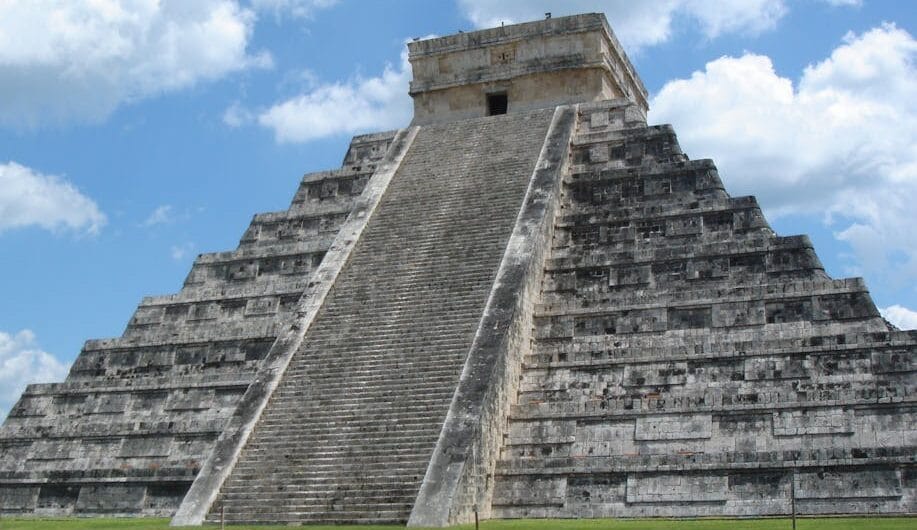
Pirámide chichen itza: the crown jewel of ancient maya civilization
Standing majestically in the heart of Mexico’s Yucatan Peninsula, the pyramid of Chichen Itza represents one of humanity’s most extraordinary architectural achievements. This ancient Maya masterpiece, known as El Castillo or the Temple of Kukulcán, continues to captivate millions of visitors annually with its perfect blend of astronomical precision, mathematical genius, and spiritual significance. As one of the New Seven Wonders of the World, this iconic structure offers an unparalleled glimpse into the sophisticated civilization that once flourished in Mesoamerica.
The Architectural Marvel of El Castillo
The pyramid of Chichen Itza stands as a testament to the advanced engineering capabilities of the ancient Maya civilization. Rising approximately 79 feet (24 meters) into the sky, this step pyramid consists of nine terraced levels, each meticulously designed to serve both functional and symbolic purposes. The structure’s base measures roughly 181 feet (55 meters) on each side, creating a perfect square foundation that demonstrates the Maya’s mastery of geometric principles.
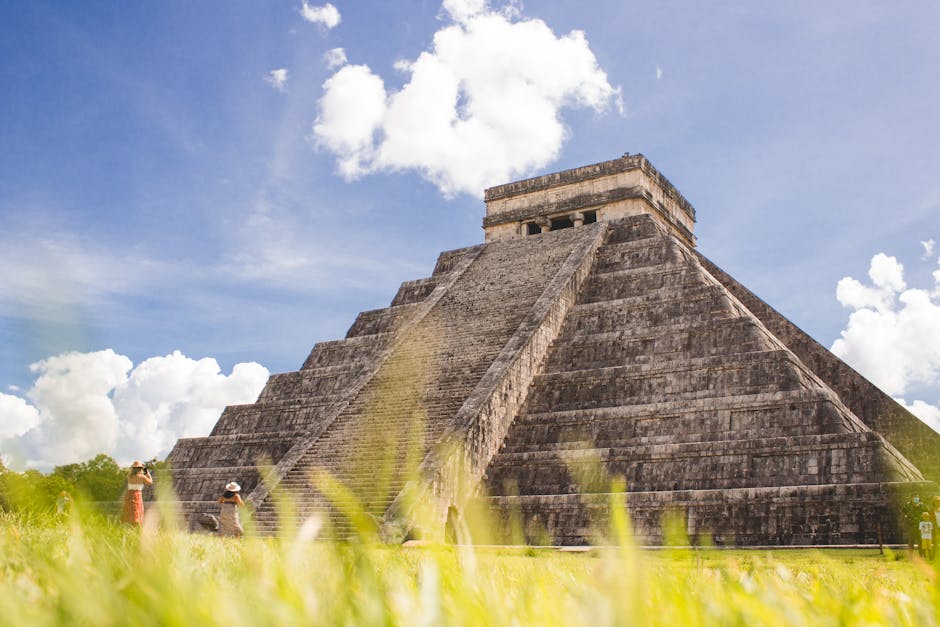
What truly sets El Castillo apart from other ancient structures is its incredible precision. The pyramid features four stairways, each containing 91 steps, which when combined with the shared top platform, totals exactly 365 steps – corresponding perfectly to the solar year. This mathematical precision extends beyond mere coincidence, revealing the Maya’s sophisticated understanding of astronomy and their ability to encode cosmic knowledge into stone.
The pyramid’s construction showcases advanced building techniques that have allowed it to withstand over a millennium of weathering. Built using limestone blocks quarried from the surrounding region, the structure employs a complex internal framework that provides both stability and acoustic properties. The careful arrangement of stones creates remarkable sound effects, where handclaps at the base produce echo patterns resembling the call of the sacred quetzal bird.
Best Maya Tours offers expertly guided visits to this architectural wonder, providing visitors with detailed insights into the construction techniques and engineering marvels that make El Castillo truly extraordinary. Our knowledgeable guides help travelers appreciate the intricate details that casual observation might miss.
Astronomical Significance and the Equinox Phenomenon
The pyramid of Chichen Itza serves as a monumental calendar and astronomical observatory, demonstrating the Maya’s profound understanding of celestial movements. The structure’s orientation aligns precisely with cardinal directions, while its proportions correspond to various astronomical cycles that governed Maya religious and agricultural practices.
Perhaps the most famous astronomical feature of El Castillo is the serpent shadow phenomenon that occurs during the spring and autumn equinoxes. As the sun sets on these specific days, the interplay between light and shadow creates the illusion of a massive serpent descending the pyramid’s northern stairway. This serpent connects the carved serpent head at the base with the pyramid’s apex, symbolizing the descent of the feathered serpent deity Kukulcán to earth.
The pyramid’s design also incorporates numerous other astronomical alignments. Windows and doorways in the upper temple align with specific celestial events, including Venus cycles and lunar movements. These alignments enabled Maya priests to track time with remarkable accuracy, facilitating the creation of their incredibly precise calendar systems.
Modern archaeoastronomy research has revealed that the pyramid functions as a sophisticated instrument for observing solstices, equinoxes, and other celestial phenomena. The Maya used these observations to plan agricultural activities, religious ceremonies, and political events, integrating cosmic rhythms into every aspect of their society.
Historical Context and Cultural Importance
Chichen Itza flourished as a major Maya city between approximately 600 and 1200 CE, with El Castillo serving as the focal point of religious and political activities. The pyramid was dedicated to Kukulcán, the Maya version of the feathered serpent deity known throughout Mesoamerica, representing the union of earth and sky, matter and spirit.

Archaeological evidence suggests that the pyramid we see today was built over an earlier, smaller pyramid, following a common Maya practice of constructing new temples atop existing sacred sites. This layering of structures reflects the continuity of religious practices and the importance of maintaining connection with ancestral traditions.
The site’s strategic location contributed to its prosperity, as Chichen Itza controlled important trade routes connecting the Maya heartland with coastal regions. The pyramid served not only as a temple but also as a symbol of political power, demonstrating the rulers’ divine authority and their connection to cosmic forces.
According to the UNESCO World Heritage Centre, Chichen Itza represents “one of the most important examples of the Maya-Toltec civilization in Yucatán,” highlighting its significance in understanding pre-Columbian American civilizations.
Visiting Chichen Itza: Essential Information for Travelers
Planning a visit to the pyramid of Chichen Itza requires careful consideration of timing, logistics, and preparation to maximize the experience. The site opens daily at 8:00 AM and closes at 5:00 PM, with the last entry permitted at 4:00 PM. Early morning visits offer the best combination of cooler temperatures and fewer crowds, allowing for more intimate encounters with this ancient wonder.

The equinox phenomena occur twice yearly – around March 20th and September 22nd – drawing thousands of visitors who come to witness the serpent shadow display. While these dates offer unique experiences, they also bring larger crowds and higher prices. Alternative times throughout the year provide equally meaningful visits with better opportunities for photography and contemplation.
Visitors should prepare for the tropical climate by bringing sun protection, comfortable walking shoes, and plenty of water. The site lacks shade in many areas, making sun hats and sunscreen essential. Professional photography equipment is permitted, though tripods may be restricted in certain areas.
Best Maya Tours provides comprehensive guided experiences that include transportation, expert commentary, and access to areas that independent visitors might overlook. Our sustainable tourism practices ensure that your visit contributes positively to local community development and archaeological preservation efforts. When planning your Riviera Maya tour, consider What to Pack for a Riviera Maya Tour to ensure a comfortable and enjoyable experience.
Practical Tips for Your Visit
- Arrive early to avoid crowds and heat
- Bring plenty of water and sun protection
- Wear comfortable, closed-toe walking shoes
- Allow 3-4 hours for a comprehensive visit
- Consider hiring a certified guide for deeper insights
- Respect archaeological preservation rules
The Broader Chichen Itza Archaeological Complex
While El Castillo dominates the landscape, the broader Chichen Itza complex encompasses numerous other significant structures that provide context for understanding Maya civilization. The Great Ball Court, the largest of its kind in Mesoamerica, demonstrates the importance of ritual sport in Maya culture. The Temple of Warriors showcases military themes and Toltec influence, while the Caracol observatory reveals the Maya’s sophisticated astronomical knowledge.
The Sacred Cenote, a natural limestone sinkhole, served as a site for ceremonial offerings and human sacrifice. Archaeological excavations have recovered thousands of artifacts from its depths, including gold, jade, and ceramic objects that reveal the extensive trade networks connecting Chichen Itza with distant regions.
These diverse structures work together to create a comprehensive picture of Maya urban planning and religious practices. The layout follows careful astronomical alignments and incorporates natural landscape features, demonstrating the Maya’s holistic approach to architectural design. For travel agencies looking to offer more than just standard excursions, learning How to Differentiate Your Mexico Tours with Mayan Focus can be invaluable.
According to research published by the National Institute of Anthropology and History (INAH), ongoing archaeological work continues to reveal new aspects of site’s complexity and importance in ancient Mesoamerican civilization.
Conservation Efforts and Modern Challenges
Preserving the pyramid of Chichen Itza presents ongoing challenges that require careful balance between tourism access and archaeological protection. The Mexican government, working with international organizations, has implemented various conservation measures to ensure this world heritage site remains intact for future generations.
Recent conservation efforts have focused on monitoring structural stability, controlling vegetation growth, and managing visitor impact. Advanced technologies, including 3D scanning and ground-penetrating radar, help archaeologists understand the pyramid’s internal structure without invasive excavation.
Climate change poses additional threats through increased rainfall intensity and temperature fluctuations that accelerate stone deterioration. Conservation specialists continuously develop new techniques for protecting limestone structures while maintaining their historical authenticity.
Tourism management represents a critical aspect of conservation efforts. Limiting daily visitor numbers, restricting access to certain areas, and educating tourists about proper site etiquette help minimize human impact on these ancient structures. To help your clients make the most of their visit, review Essential Tips for Travel Agents when Booking Mayan Tours for American Travelers.
The UNESCO World Heritage Committee continues to monitor conservation efforts and provides guidance for sustainable tourism development that balances preservation with economic benefits for local communities.
Sustainable tourism operators like Best Maya Tours play a crucial role in conservation by educating visitors about the site’s importance and supporting local conservation initiatives through responsible tourism practices.
Conclusion
The pyramid of Chichen Itza stands as an enduring testament to the intellectual and artistic achievements of ancient Maya civilization. Its perfect integration of architecture, astronomy, and spirituality creates an experience that transcends mere sightseeing, offering profound connections to humanity’s shared cultural heritage. Whether witnessing the equinox serpent phenomenon, marveling at the structure’s mathematical precision, or simply standing in awe before this ancient wonder, visitors to El Castillo encounter something truly transformative.
As we move forward into 2026, the continued preservation and responsible exploration of Chichen Itza becomes increasingly important. Through sustainable tourism practices and ongoing conservation efforts, we ensure that future generations will have the opportunity to experience the same wonder and inspiration that has drawn millions to this remarkable site. The pyramid of Chichen Itza remains not just a monument to the past, but a bridge connecting ancient wisdom with contemporary understanding, reminding us of humanity’s capacity for greatness across the millennia.


