
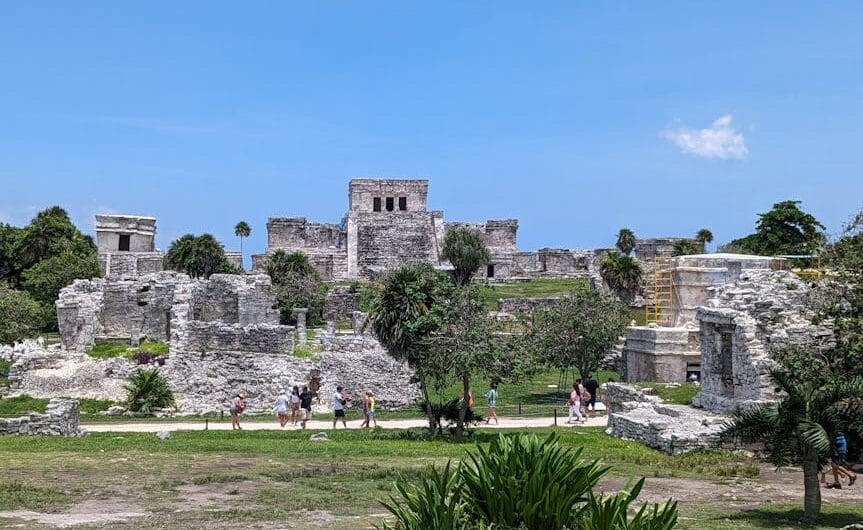
Responsible tourism tips for visiting mayan sites
The ancient Maya civilization continues to captivate travelers from around the world, with millions visiting iconic sites like Chichen Itza, Tulum, and the hidden gems of the Yucatan Peninsula each year. As we move forward in 2026, responsible tourism has become more crucial than ever for preserving these archaeological treasures for future generations. Whether you’re planning private Chichen Itza tours, exploring the Riviera Maya, or embarking on multi-day adventures through the Yucatan Peninsula, understanding how to travel responsibly ensures these sacred sites remain protected while communities benefit from tourism.
Best Maya Tours specializes in sustainable cultural and historical tours that honor the ancient Mayan civilization while supporting local communities. Our commitment to responsible tourism practices ensures that every visitor experiences the magic of these sites while contributing positively to their preservation and the well-being of local populations.
Choose Sustainable Tour Operators and Respect Site Guidelines
Selecting the right tour operator is the foundation of responsible Mayan site tourism. When booking private tours Riviera Maya or Yucatan Peninsula tours, research companies that demonstrate genuine commitment to sustainability and cultural preservation. Look for operators that employ local guides, support community initiatives, and follow strict environmental protocols.

The best private tours in Riviera Maya prioritize small group sizes to minimize impact on archaeological sites. Private Yucatan Peninsula tours offer the advantage of personalized experiences while maintaining strict adherence to conservation guidelines. These intimate experiences allow for deeper cultural understanding without overwhelming sacred spaces.
Always follow site-specific rules and regulations. Many Mayan ruins have restrictions on photography, climbing structures, and touching ancient stones. UNESCO’s sustainable tourism guidelines emphasize the importance of respecting these boundaries to preserve archaeological integrity. Professional guides on private Chichen Itza tours ensure visitors understand and follow these crucial protections.
Support Local Communities and Authentic Cultural Experiences
Responsible tourism goes beyond site preservation—it actively supports the communities that are guardians of Mayan heritage. When planning multi-day tours, seek opportunities to engage with local artisans, stay in community-run accommodations, and purchase authentic handcrafted goods directly from makers.
The Sian Ka’an lazy river tour exemplifies community-based tourism, where local guides share traditional knowledge about the biosphere reserve while visitors contribute to conservation efforts. Similarly, the lazy river Tulum experience connects natural wonders with cultural heritage, demonstrating how responsible tourism can protect both archaeological sites and surrounding ecosystems.
Choose restaurants and shops owned by local families rather than international chains. This ensures tourism dollars directly benefit communities that have maintained connections to their Mayan ancestors. Many villages near major archaeological sites offer authentic experiences that provide economic opportunities while preserving traditional ways of life.
Minimize Environmental Impact During Your Visit
The Yucatan Peninsula’s unique ecosystem, including cenotes, jungles, and coastal areas, requires careful protection from tourism impacts. When participating in Mayan ruins tours, bring reusable water bottles, reef-safe sunscreen, and biodegradable products to minimize environmental damage.

Transportation choices significantly impact your carbon footprint. Private tours Riviera Maya often use efficient vehicles and combine multiple sites to reduce overall emissions. When possible, choose tour operators that offset carbon emissions or use hybrid vehicles for transportation between sites.
Respect wildlife and natural habitats surrounding Mayan sites. Many archaeological areas are home to diverse species, including iguanas, tropical birds, and marine life near coastal ruins. Maintain safe distances from animals, avoid feeding wildlife, and never remove shells, stones, or other natural objects from protected areas.
The Nature Conservancy’s work in Mexico highlights the critical importance of protecting the region’s biodiversity while supporting sustainable tourism initiatives that benefit local communities.
Practice Cultural Sensitivity and Respect Sacred Spaces
Mayan archaeological sites are not merely tourist attractions—they are sacred spaces with deep spiritual significance for contemporary Maya people. Approach these locations with reverence and understanding. Many sites continue to be used for traditional ceremonies, and visitors should respect ongoing cultural practices.

Dress appropriately when visiting ruins, covering shoulders and knees as a sign of respect. Some sites have specific dress codes, particularly those still used for religious purposes. Professional guides on private Chichen Itza tours provide cultural context that helps visitors understand the significance of various structures and spaces.
Learn about Mayan history and culture before your visit. Understanding the civilization’s achievements in astronomy, mathematics, and architecture enhances appreciation while demonstrating respect for this sophisticated culture. Multi-day tours often include visits to museums and cultural centers that provide crucial background information.
Be mindful of photography practices. While many sites allow photography for personal use, avoid climbing on structures solely for photos, using flash photography that could damage ancient materials, or taking pictures during active ceremonies. Respect any areas marked as photography-free zones.
Choose Accommodations and Services Aligned with Sustainable Practices
Your accommodation choices significantly impact local communities and environments. When planning extended stays for comprehensive Yucatan Peninsula tours, select hotels and lodges that demonstrate environmental responsibility and community engagement. Look for properties that use renewable energy, implement water conservation measures, and source food locally.
Many eco-lodges near Mayan sites employ local staff and contribute portions of profits to conservation efforts and community development projects. These accommodations often offer unique cultural experiences, such as traditional cooking classes or craft workshops, that enrich your understanding of contemporary Mayan culture.
Consider staying in locally-owned guesthouses or participating in homestay programs that provide direct benefits to families while offering authentic cultural immersion. These experiences often include participation in daily activities and traditional meal preparation, creating meaningful connections with local communities.
Plan Your Visit During Optimal Times and Prepare Responsibly
Timing your visit strategically reduces negative impacts while enhancing your experience. Consider visiting during shoulder seasons when sites are less crowded, allowing for more meaningful exploration while reducing stress on infrastructure and local resources. Private Yucatan Peninsula tours can be customized to avoid peak times at popular sites like Chichen Itza and Tulum.
Early morning visits often provide the best experiences, with cooler temperatures, better lighting for photography, and fewer crowds. The World Wildlife Fund’s Mesoamerican Reef initiative emphasizes how visitor timing affects both terrestrial and marine ecosystems throughout the region.
Prepare thoroughly for your visit by researching weather conditions, bringing appropriate gear, and understanding physical requirements for different sites. Some ruins involve significant walking or climbing, and being prepared reduces the need for emergency services or additional resource consumption.
Pack responsibly by bringing reusable items, avoiding single-use plastics, and carrying out all trash. Many remote archaeological sites have limited waste management facilities, making it crucial for visitors to minimize waste generation and properly dispose of any materials.
Support Long-term Conservation Efforts
Responsible tourism extends beyond your immediate visit to supporting ongoing conservation efforts. Consider making donations to organizations working to preserve Mayan sites or participating in volunteer programs that combine tourism with conservation work.
Share your experiences responsibly through social media and travel reviews. Highlight tour operators and accommodations that demonstrate strong sustainability practices while educating others about responsible tourism principles. Your recommendations influence future visitors’ choices and encourage businesses to maintain high standards.
Stay informed about challenges facing Mayan sites, including climate change impacts, development pressures, and the need for ongoing archaeological research. Supporting organizations dedicated to preservation ensures these incredible sites remain available for future generations to explore and learn from.
Best Maya Tours offers expertly curated private tours Riviera Maya that exemplify responsible tourism principles. Our locally-guided experiences provide exclusive access to the region’s wonders while ensuring every visit contributes positively to conservation efforts and community wellbeing. Book your sustainable Mayan adventure today and become part of the solution for preserving these magnificent archaeological treasures.
By following these responsible tourism guidelines, visitors to Mayan sites can enjoy transformative experiences while ensuring these sacred places remain protected for future generations. The ancient Maya created one of the world’s most sophisticated civilizations—it’s our responsibility to honor their legacy through thoughtful, sustainable tourism practices.


