Chichen itza private tour: your gateway to ancient mayan wonders

Experience the magnificence of one of the world’s most iconic archaeological sites with a Chichen Itza private tour. Best Maya Tours offers exclusive access to this UNESCO World Heritage Site, allowing you to explore the ancient Mayan civilization at your own pace with expert local guides who bring history to life. Our private tours ensure an intimate, personalized experience that group tours simply cannot match.

Located in the heart of Mexico’s Yucatan Peninsula, Chichen Itza stands as a testament to the architectural brilliance and astronomical knowledge of the ancient Maya. With over 2 million visitors annually, this archaeological wonder requires careful planning to maximize your experience—something our private tour services excel at providing. For travel agencies looking to offer distinctive experiences, learning how to differentiate your Mexico tours with Mayan focus can be invaluable.

Why Choose Private Chichen Itza Tours?

Private tours offer unparalleled advantages that transform your visit from a standard tourist experience into an unforgettable journey through time. With Best Maya Tours, you’ll enjoy exclusive access to areas less crowded by tour groups, allowing for better photography opportunities and deeper cultural immersion.
chichen itza private tour

Our knowledgeable guides provide personalized attention, adapting their commentary to your interests and questions. Whether you’re fascinated by Mayan astronomy, architectural techniques, or cultural practices, our experts tailor the experience to your curiosity. This flexibility extends to timing—arrive early to beat the crowds or schedule your visit during optimal lighting conditions for the perfect photographs. This dedication to client satisfaction is also key when considering how travel agencies can book exclusive Maya tours for your clients and maximize customer satisfaction.

  • Skip-the-line access with pre-purchased tickets
  • Professional photographer services available
  • Customizable itineraries based on your interests
  • Small group sizes (maximum 8 people per guide)
  • Transportation in comfortable, air-conditioned vehicles
  • Complimentary bottled water and snacks

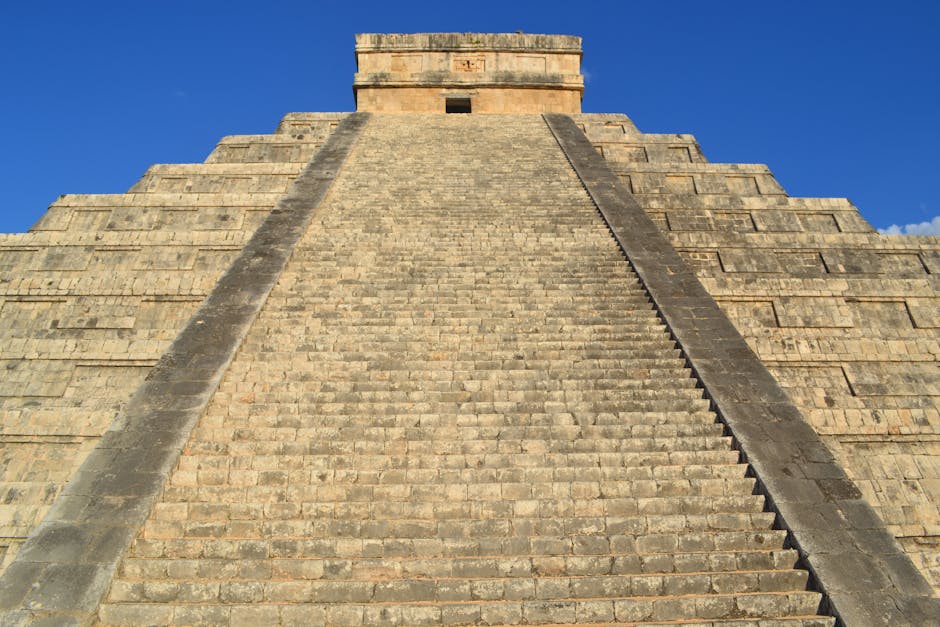
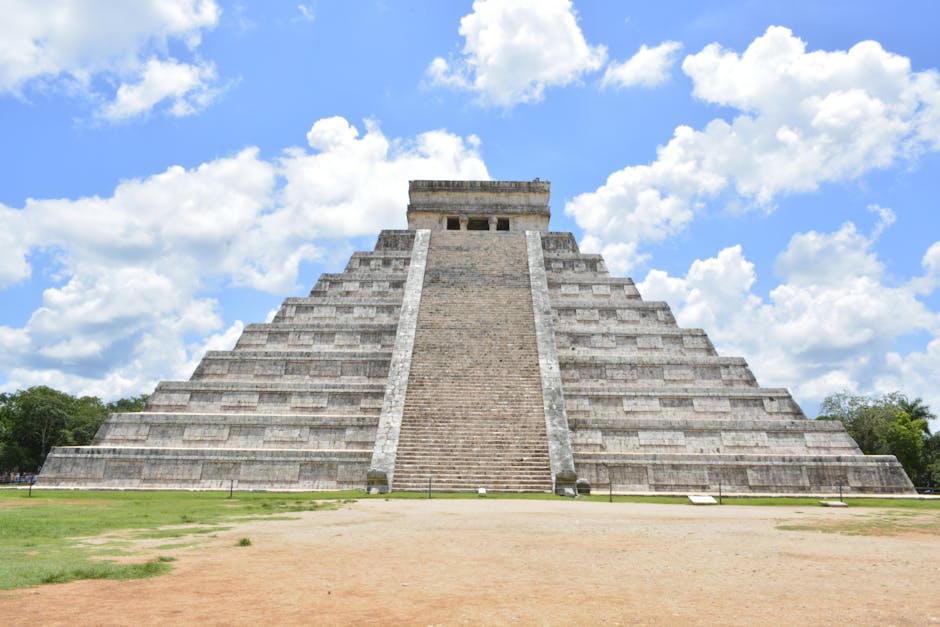
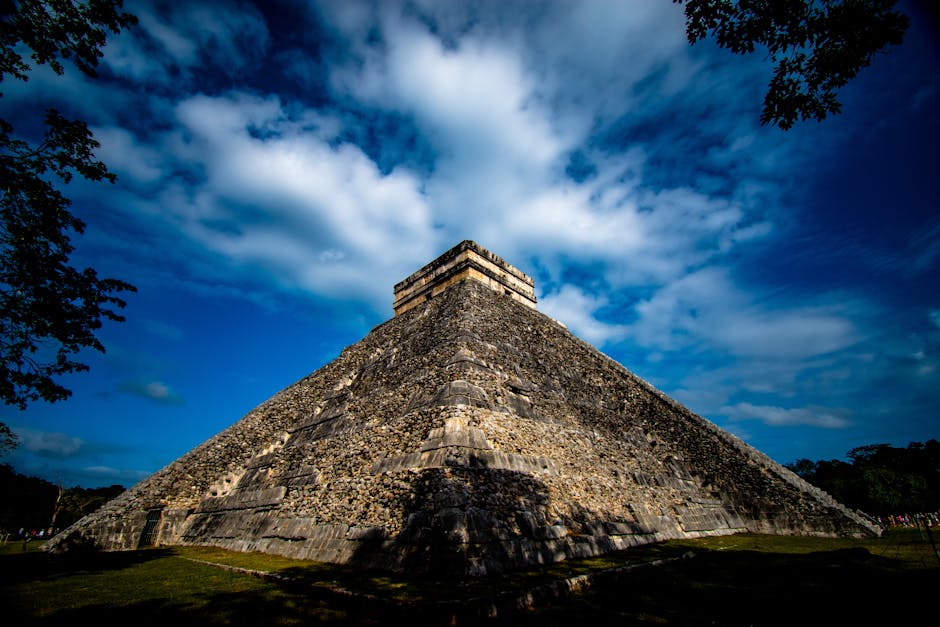
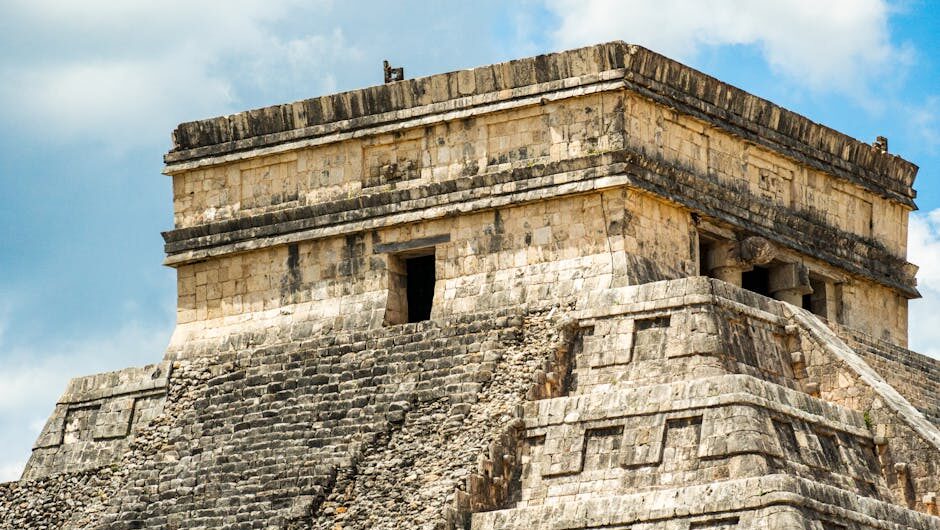
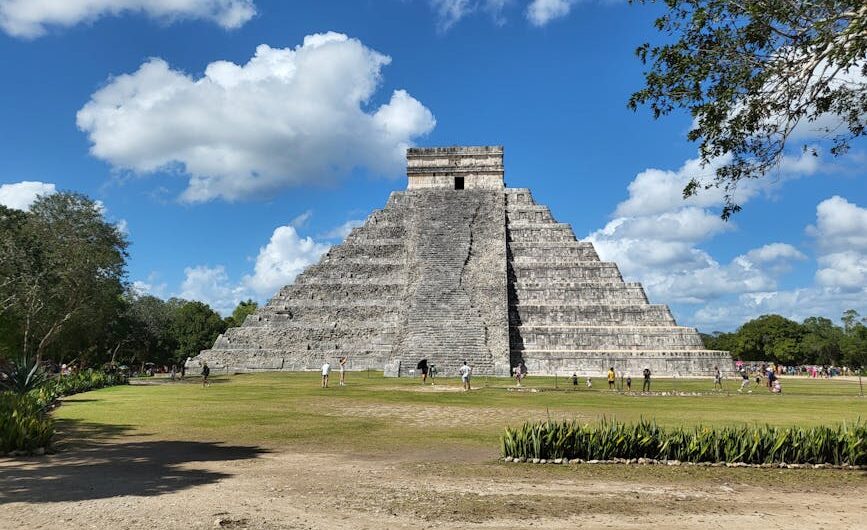
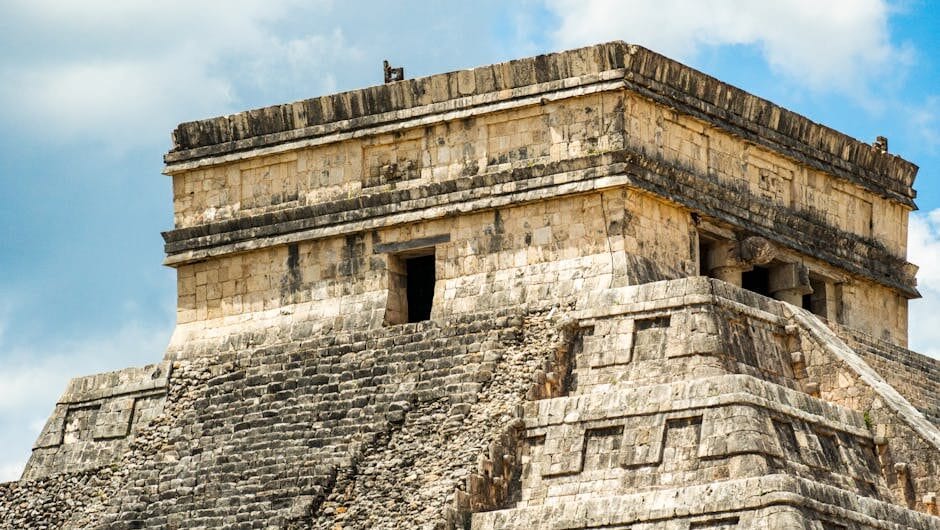
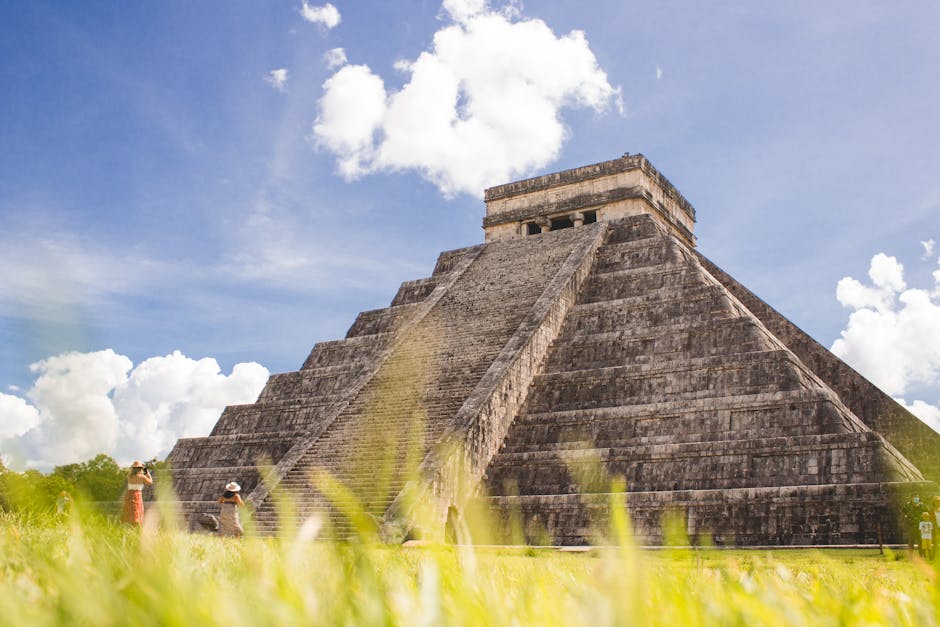
The iconic El Castillo pyramid, with its 365 steps representing the solar calendar, becomes even more impressive when you understand the mathematical precision behind its construction. Our guides reveal these fascinating details that typical guidebooks miss, making your private Chichen Itza tour both educational and awe-inspiring.

Exploring the Yucatan Peninsula: Beyond Chichen Itza

The Yucatan Peninsula tours offered by Best Maya Tours extend far beyond a single archaeological site. This region harbors countless treasures, from cenotes (natural sinkholes) to colonial cities, pristine beaches, and vibrant local communities that maintain ancient traditions.
chichen itza private tour

Our private Yucatan Peninsula tours can include visits to Uxmal, another UNESCO World Heritage Site known for its Puuc architectural style, or the charming colonial city of Valladolid with its cenotes and traditional markets. The flexibility of private touring allows you to discover hidden gems that group tours often overlook.

The Yucatan Peninsula contains over 6,000 cenotes, each offering unique swimming and snorkeling experiences in crystal-clear freshwater pools.

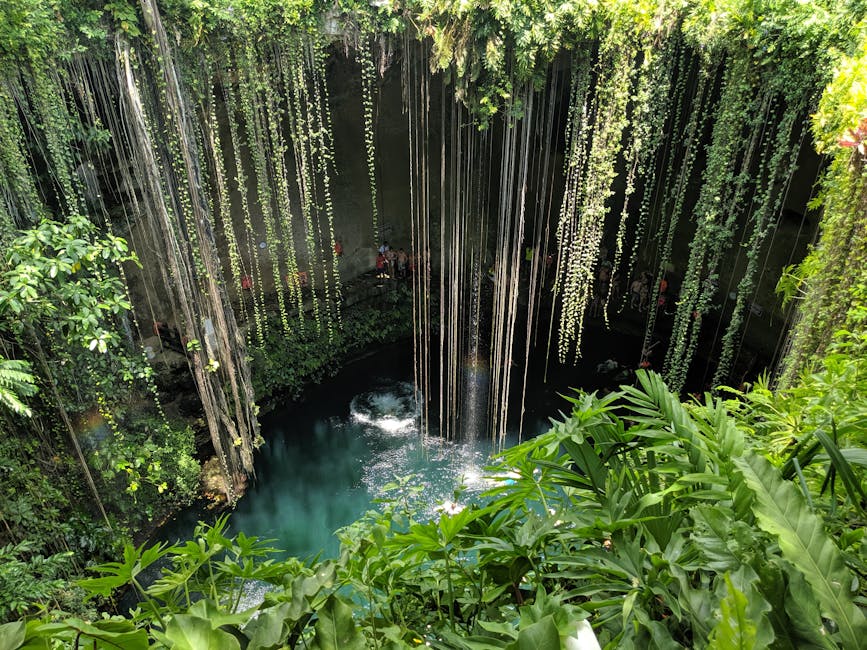
Combine your Chichen Itza visit with cenote exploration, where you can swim in the same sacred waters that the ancient Maya considered portals to the underworld. Popular cenotes like Dos Ojos, Gran Cenote, or the spectacular Cenote Ik Kil provide refreshing breaks from archaeological exploration. Before embarking on such adventures, it’s always wise to consult a guide on what to pack for a Riviera Maya tour to ensure you’re well-prepared.

Multi-Day Tours: Comprehensive Mayan Cultural Immersion

Multi day tours represent the ultimate way to experience the Yucatan Peninsula’s rich cultural heritage. Best Maya Tours designs comprehensive itineraries that allow deep exploration of multiple archaeological sites, natural wonders, and cultural experiences across several days.
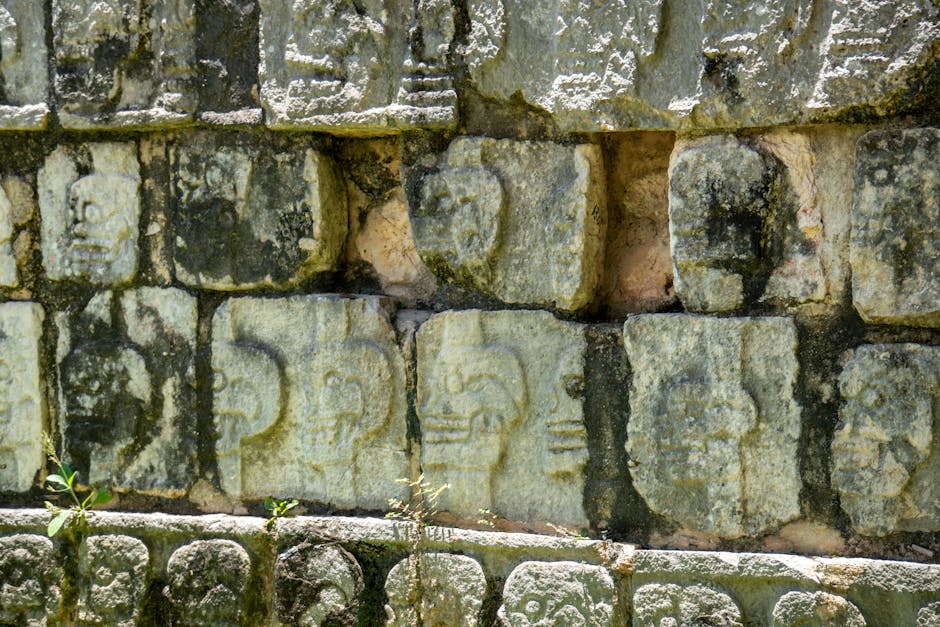
chichen itza private tour

A typical 3-day private tour might include:

  1. Day 1: Chichen Itza exploration, cenote swimming, and overnight in Valladolid
  2. Day 2: Ek Balam archaeological site, Rio Lagartos biosphere reserve, flamingo watching
  3. Day 3: Uxmal ruins, chocolate museum, traditional Mayan village visit

These extended experiences allow for meaningful connections with local communities, participation in traditional ceremonies, and understanding of contemporary Mayan culture. You’ll witness how ancient traditions blend seamlessly with modern life in Yucatecan communities.

Accommodations during multi-day tours range from boutique hotels in colonial cities to eco-lodges near archaeological sites. Best Maya Tours partners with properties that reflect our commitment to sustainable tourism, ensuring your visit benefits local communities while minimizing environmental impact.

Private Tours Riviera Maya: Beach and Culture Combined

The best private tours in Riviera Maya seamlessly blend archaeological exploration with tropical paradise relaxation. This stunning coastline stretches from Puerto Morelos to Tulum, offering pristine beaches, world-class diving, and convenient access to inland archaeological sites.

chichen itza private tour

Best Maya Tours specializes in creating private tours Riviera Maya that maximize your time by combining multiple experiences in logical, comfortable itineraries. Start your day exploring ancient ruins, enjoy lunch at a beachfront restaurant, and end with snorkeling in crystal-clear cenotes or Caribbean waters. We also provide private Riviera Maya tours wholesale rates for agents looking to maximize profit margins.

Our Riviera Maya packages often include:

  • Tulum ruins overlooking the Caribbean Sea
  • Coba archaeological site with climbable pyramids
  • Xel-Há natural aquarium for snorkeling
  • Traditional Mayan villages and artisan workshops
  • Beachfront dining with regional specialties

The proximity of archaeological sites to modern resort areas makes Riviera Maya ideal for travelers seeking cultural enrichment without sacrificing luxury accommodations or world-class amenities.

Sian Ka’an Lazy River Adventures

One of the most unique experiences available through Best Maya Tours is the Sian Ka’an lazy river tour. This UNESCO Biosphere Reserve encompasses over 1.3 million acres of diverse ecosystems, including tropical forests, wetlands, and pristine Caribbean coastline.

The lazy river Tulum experience begins in the ancient Mayan canals that wind through mangrove forests teeming with wildlife. Float peacefully along these natural waterways while spotting tropical birds, crocodiles, and manatees. The experience combines relaxation with ecological education, as our naturalist guides explain the importance of wetland conservation and indigenous water management systems.

This full-day adventure typically includes:

  • Transportation from your Riviera Maya hotel
  • Professional naturalist guide
  • Floating through three different cenotes
  • Traditional Mayan lunch prepared by local communities
  • Wildlife observation and photography opportunities
  • Cultural interaction with Mayan families maintaining traditional lifestyles

The Sian Ka’an Biosphere Reserve represents one of Mexico’s most important conservation areas, protecting ecosystems that have remained virtually unchanged for millennia. Your participation in these tours directly supports conservation efforts and local community development projects.

Sustainable Tourism and Cultural Responsibility

Best Maya Tours maintains an unwavering commitment to sustainable tourism practices that preserve archaeological sites and natural environments for future generations. Our private tour model minimizes impact while maximizing economic benefits to local communities.

We work exclusively with certified local guides who are descendants of the ancient Maya, ensuring authentic cultural interpretation while supporting indigenous communities. A portion of every tour fee contributes to archaeological conservation projects and educational programs for local children.

Our sustainable practices include:

  • Small group sizes to minimize environmental impact
  • Partnerships with locally-owned businesses and restaurants
  • Use of eco-friendly transportation when possible
  • Educational components promoting cultural understanding
  • Support for archaeological research and conservation projects

By choosing Best Maya Tours for your Chichen Itza private tour, you’re not just experiencing history—you’re helping preserve it for future generations while supporting the communities that call this remarkable region home.

Conclusion

A private tour of Chichen Itza and the Yucatan Peninsula with Best Maya Tours offers far more than sightseeing—it provides transformative cultural experiences that create lasting memories and deeper understanding of ancient civilizations. From the mathematical precision of Mayan architecture to the pristine beauty of cenotes and the lazy rivers of Sian Ka’an, every moment is carefully curated to maximize your appreciation of this remarkable region.

Our commitment to sustainable tourism, authentic cultural experiences, and personalized service ensures that your investment in a private tour yields immeasurable returns in knowledge, wonder, and respect for the enduring legacy of the Maya. Book your unforgettable journey today and discover why discerning travelers choose Best Maya Tours for their Yucatan Peninsula adventures.
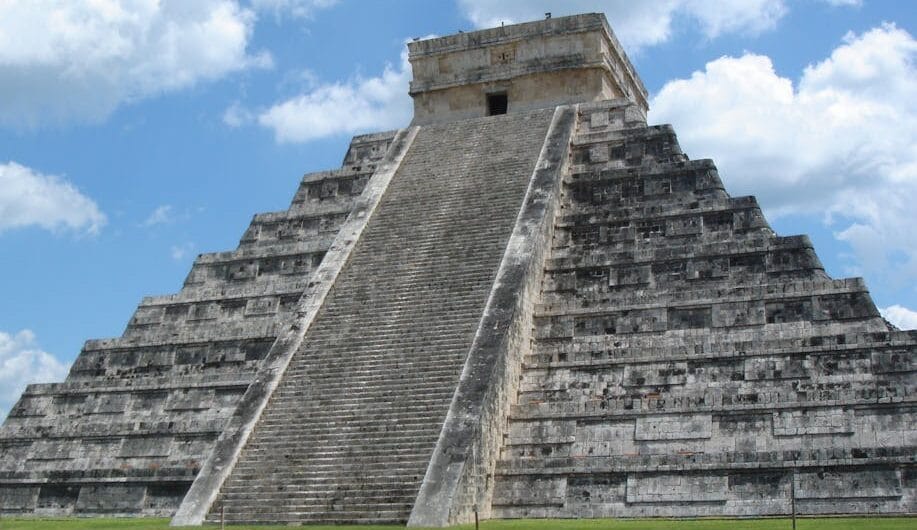
Pirámide chichen itza: the crown jewel of ancient maya civilization

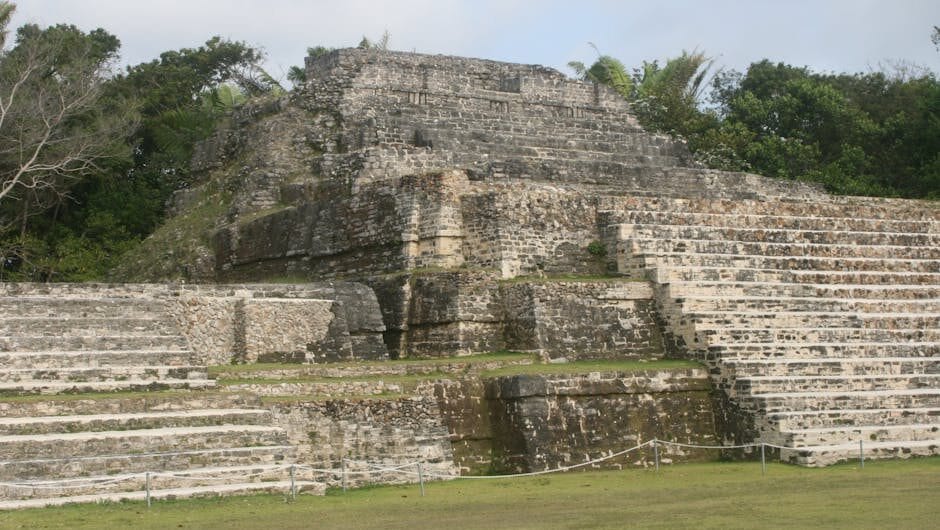
Standing majestically in the heart of Mexico’s Yucatan Peninsula, the pyramid of Chichen Itza represents one of humanity’s most extraordinary architectural achievements. This ancient Maya masterpiece, known as El Castillo or the Temple of Kukulcán, continues to captivate millions of visitors annually with its perfect blend of astronomical precision, mathematical genius, and spiritual significance. As one of the New Seven Wonders of the World, this iconic structure offers an unparalleled glimpse into the sophisticated civilization that once flourished in Mesoamerica.

The Architectural Marvel of El Castillo

The pyramid of Chichen Itza stands as a testament to the advanced engineering capabilities of the ancient Maya civilization. Rising approximately 79 feet (24 meters) into the sky, this step pyramid consists of nine terraced levels, each meticulously designed to serve both functional and symbolic purposes. The structure’s base measures roughly 181 feet (55 meters) on each side, creating a perfect square foundation that demonstrates the Maya’s mastery of geometric principles.

piramide chichen itza

What truly sets El Castillo apart from other ancient structures is its incredible precision. The pyramid features four stairways, each containing 91 steps, which when combined with the shared top platform, totals exactly 365 steps – corresponding perfectly to the solar year. This mathematical precision extends beyond mere coincidence, revealing the Maya’s sophisticated understanding of astronomy and their ability to encode cosmic knowledge into stone.

The pyramid’s construction showcases advanced building techniques that have allowed it to withstand over a millennium of weathering. Built using limestone blocks quarried from the surrounding region, the structure employs a complex internal framework that provides both stability and acoustic properties. The careful arrangement of stones creates remarkable sound effects, where handclaps at the base produce echo patterns resembling the call of the sacred quetzal bird.

Best Maya Tours offers expertly guided visits to this architectural wonder, providing visitors with detailed insights into the construction techniques and engineering marvels that make El Castillo truly extraordinary. Our knowledgeable guides help travelers appreciate the intricate details that casual observation might miss.

Astronomical Significance and the Equinox Phenomenon

The pyramid of Chichen Itza serves as a monumental calendar and astronomical observatory, demonstrating the Maya’s profound understanding of celestial movements. The structure’s orientation aligns precisely with cardinal directions, while its proportions correspond to various astronomical cycles that governed Maya religious and agricultural practices.

piramide chichen itza

Perhaps the most famous astronomical feature of El Castillo is the serpent shadow phenomenon that occurs during the spring and autumn equinoxes. As the sun sets on these specific days, the interplay between light and shadow creates the illusion of a massive serpent descending the pyramid’s northern stairway. This serpent connects the carved serpent head at the base with the pyramid’s apex, symbolizing the descent of the feathered serpent deity Kukulcán to earth.

The pyramid’s design also incorporates numerous other astronomical alignments. Windows and doorways in the upper temple align with specific celestial events, including Venus cycles and lunar movements. These alignments enabled Maya priests to track time with remarkable accuracy, facilitating the creation of their incredibly precise calendar systems.

Modern archaeoastronomy research has revealed that the pyramid functions as a sophisticated instrument for observing solstices, equinoxes, and other celestial phenomena. The Maya used these observations to plan agricultural activities, religious ceremonies, and political events, integrating cosmic rhythms into every aspect of their society.

Historical Context and Cultural Importance

Chichen Itza flourished as a major Maya city between approximately 600 and 1200 CE, with El Castillo serving as the focal point of religious and political activities. The pyramid was dedicated to Kukulcán, the Maya version of the feathered serpent deity known throughout Mesoamerica, representing the union of earth and sky, matter and spirit.

piramide chichen itza

Archaeological evidence suggests that the pyramid we see today was built over an earlier, smaller pyramid, following a common Maya practice of constructing new temples atop existing sacred sites. This layering of structures reflects the continuity of religious practices and the importance of maintaining connection with ancestral traditions.

The site’s strategic location contributed to its prosperity, as Chichen Itza controlled important trade routes connecting the Maya heartland with coastal regions. The pyramid served not only as a temple but also as a symbol of political power, demonstrating the rulers’ divine authority and their connection to cosmic forces.

According to the UNESCO World Heritage Centre, Chichen Itza represents “one of the most important examples of the Maya-Toltec civilization in Yucatán,” highlighting its significance in understanding pre-Columbian American civilizations.

Visiting Chichen Itza: Essential Information for Travelers

Planning a visit to the pyramid of Chichen Itza requires careful consideration of timing, logistics, and preparation to maximize the experience. The site opens daily at 8:00 AM and closes at 5:00 PM, with the last entry permitted at 4:00 PM. Early morning visits offer the best combination of cooler temperatures and fewer crowds, allowing for more intimate encounters with this ancient wonder.

piramide chichen itza

The equinox phenomena occur twice yearly – around March 20th and September 22nd – drawing thousands of visitors who come to witness the serpent shadow display. While these dates offer unique experiences, they also bring larger crowds and higher prices. Alternative times throughout the year provide equally meaningful visits with better opportunities for photography and contemplation.

Visitors should prepare for the tropical climate by bringing sun protection, comfortable walking shoes, and plenty of water. The site lacks shade in many areas, making sun hats and sunscreen essential. Professional photography equipment is permitted, though tripods may be restricted in certain areas.

Best Maya Tours provides comprehensive guided experiences that include transportation, expert commentary, and access to areas that independent visitors might overlook. Our sustainable tourism practices ensure that your visit contributes positively to local community development and archaeological preservation efforts. When planning your Riviera Maya tour, consider What to Pack for a Riviera Maya Tour to ensure a comfortable and enjoyable experience.

Practical Tips for Your Visit

  • Arrive early to avoid crowds and heat
  • Bring plenty of water and sun protection
  • Wear comfortable, closed-toe walking shoes
  • Allow 3-4 hours for a comprehensive visit
  • Consider hiring a certified guide for deeper insights
  • Respect archaeological preservation rules

The Broader Chichen Itza Archaeological Complex

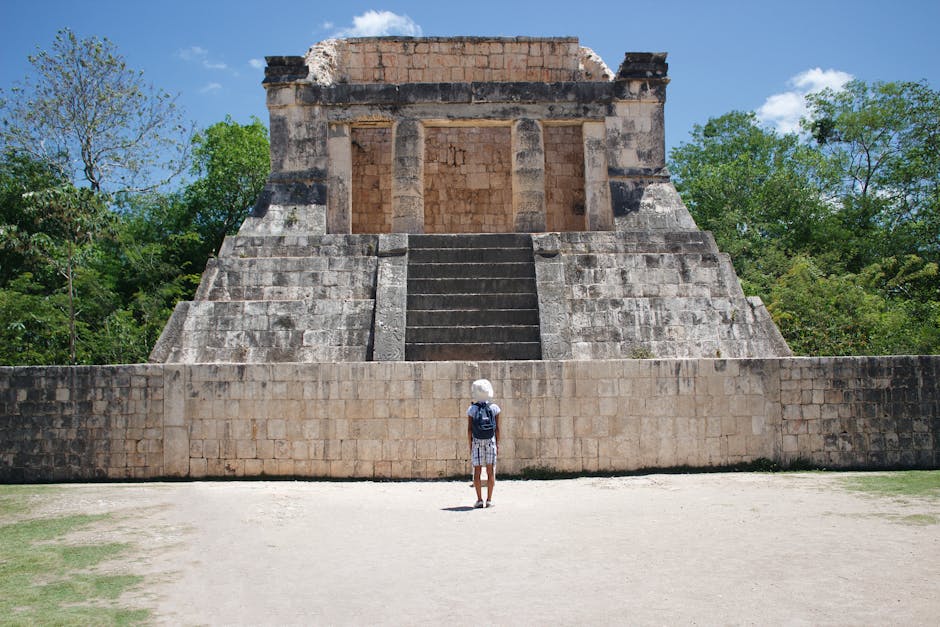
While El Castillo dominates the landscape, the broader Chichen Itza complex encompasses numerous other significant structures that provide context for understanding Maya civilization. The Great Ball Court, the largest of its kind in Mesoamerica, demonstrates the importance of ritual sport in Maya culture. The Temple of Warriors showcases military themes and Toltec influence, while the Caracol observatory reveals the Maya’s sophisticated astronomical knowledge.

The Sacred Cenote, a natural limestone sinkhole, served as a site for ceremonial offerings and human sacrifice. Archaeological excavations have recovered thousands of artifacts from its depths, including gold, jade, and ceramic objects that reveal the extensive trade networks connecting Chichen Itza with distant regions.

These diverse structures work together to create a comprehensive picture of Maya urban planning and religious practices. The layout follows careful astronomical alignments and incorporates natural landscape features, demonstrating the Maya’s holistic approach to architectural design. For travel agencies looking to offer more than just standard excursions, learning How to Differentiate Your Mexico Tours with Mayan Focus can be invaluable.

According to research published by the National Institute of Anthropology and History (INAH), ongoing archaeological work continues to reveal new aspects of site’s complexity and importance in ancient Mesoamerican civilization.

Conservation Efforts and Modern Challenges

Preserving the pyramid of Chichen Itza presents ongoing challenges that require careful balance between tourism access and archaeological protection. The Mexican government, working with international organizations, has implemented various conservation measures to ensure this world heritage site remains intact for future generations.

Recent conservation efforts have focused on monitoring structural stability, controlling vegetation growth, and managing visitor impact. Advanced technologies, including 3D scanning and ground-penetrating radar, help archaeologists understand the pyramid’s internal structure without invasive excavation.

Climate change poses additional threats through increased rainfall intensity and temperature fluctuations that accelerate stone deterioration. Conservation specialists continuously develop new techniques for protecting limestone structures while maintaining their historical authenticity.

Tourism management represents a critical aspect of conservation efforts. Limiting daily visitor numbers, restricting access to certain areas, and educating tourists about proper site etiquette help minimize human impact on these ancient structures. To help your clients make the most of their visit, review Essential Tips for Travel Agents when Booking Mayan Tours for American Travelers.

The UNESCO World Heritage Committee continues to monitor conservation efforts and provides guidance for sustainable tourism development that balances preservation with economic benefits for local communities.

Sustainable tourism operators like Best Maya Tours play a crucial role in conservation by educating visitors about the site’s importance and supporting local conservation initiatives through responsible tourism practices.

Conclusion

The pyramid of Chichen Itza stands as an enduring testament to the intellectual and artistic achievements of ancient Maya civilization. Its perfect integration of architecture, astronomy, and spirituality creates an experience that transcends mere sightseeing, offering profound connections to humanity’s shared cultural heritage. Whether witnessing the equinox serpent phenomenon, marveling at the structure’s mathematical precision, or simply standing in awe before this ancient wonder, visitors to El Castillo encounter something truly transformative.

As we move forward into 2026, the continued preservation and responsible exploration of Chichen Itza becomes increasingly important. Through sustainable tourism practices and ongoing conservation efforts, we ensure that future generations will have the opportunity to experience the same wonder and inspiration that has drawn millions to this remarkable site. The pyramid of Chichen Itza remains not just a monument to the past, but a bridge connecting ancient wisdom with contemporary understanding, reminding us of humanity’s capacity for greatness across the millennia.

Tulum boat tours: your gateway to riviera maya’s coastal wonders

The ancient Mayan ruins of Tulum perched dramatically on limestone cliffs overlooking the Caribbean Sea create one of Mexico’s most breathtaking archaeological sites. While exploring these ruins on foot offers incredible historical insights, experiencing Tulum from the water provides an entirely different perspective that reveals the true majesty of this coastal wonder. Tulum boat tours have become increasingly popular among travelers seeking to combine cultural exploration with marine adventures, offering unique vantage points of the ruins while providing access to pristine cenotes, vibrant coral reefs, and secluded beaches.

Best Maya Tours specializes in creating unforgettable Tulum boat experiences that showcase both the archaeological significance and natural beauty of this remarkable destination. Our expertly curated tours combine cultural immersion with adventure, ensuring that every guest discovers the magic of Tulum from perspectives that few travelers ever experience.

Types of Tulum Boat Tours Available

Tulum’s coastal location offers diverse boat tour options, each providing unique experiences tailored to different interests and adventure levels. Sunset sailing tours remain among the most popular choices, offering breathtaking views of the Tulum ruins as the golden hour light illuminates the ancient limestone structures against the turquoise Caribbean waters.

tulum boat tours

Catamaran excursions provide spacious, stable platforms perfect for families and groups seeking comfortable exploration. These tours typically include multiple stops, allowing guests to snorkel in crystal-clear cenotes, explore underwater cave systems, and relax on pristine beaches accessible only by boat. The shallow draft of catamarans makes them ideal for navigating close to shore and entering protected marine areas.

For more intimate experiences, private yacht charters offer personalized itineraries with dedicated crews who can customize routes based on guests’ preferences. These exclusive tours often include gourmet dining experiences featuring fresh seafood and traditional Mayan cuisine prepared onboard while anchored near the ruins.

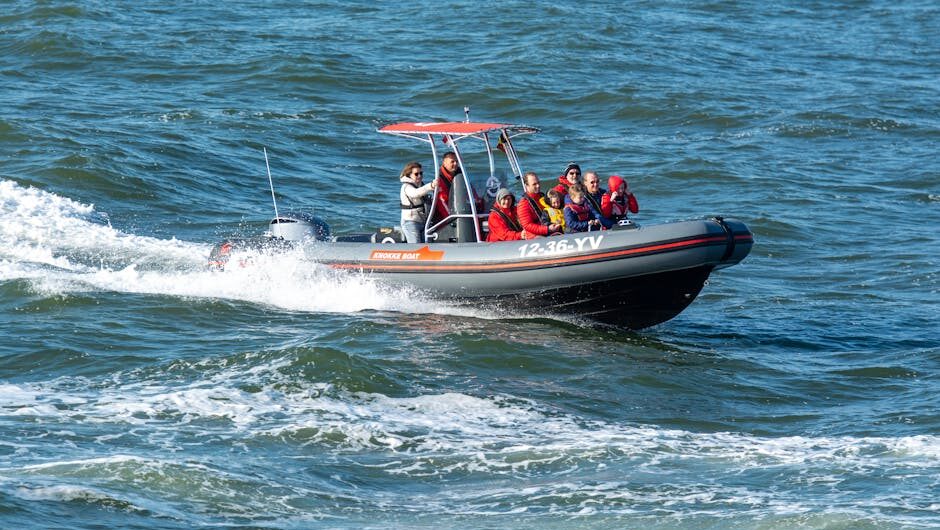
Adventure seekers gravitate toward speedboat tours that combine high-energy transportation with multiple activity stops. These action-packed excursions typically visit several cenotes in a single day, providing opportunities for cave diving, snorkeling, and swimming in these sacred Mayan water sources.

What to Expect During Your Tulum Boat Adventure

Most Tulum boat tours begin early morning to maximize daylight hours and avoid peak tourist crowds. Guests typically meet at designated marinas along the Riviera Maya coast, where experienced captains and certified guides provide safety briefings and tour overviews. Professional equipment including snorkeling gear, life jackets, and underwater cameras are usually provided as part of comprehensive tour packages.

tulum boat tours

The journey to Tulum’s coastline offers spectacular views of the Mesoamerican Reef System, the second-largest coral reef in the world. Many tours include guided snorkeling experiences where guests can observe colorful tropical fish, sea turtles, and diverse marine ecosystems that have thrived in these protected waters for millennia.

Cultural components of boat tours often include detailed explanations of Tulum’s historical significance as a major Mayan trading port. Knowledgeable guides share fascinating stories about how ancient Mayans used this coastal fortress for astronomical observations, religious ceremonies, and maritime commerce throughout the Caribbean region.

Cenote exploration represents a highlight of most Tulum boat tours. These natural sinkholes, considered sacred by ancient Mayans, offer incredible swimming and snorkeling opportunities in crystal-clear freshwater environments. Underwater stalactites and stalagmites create cathedral-like formations that provide stunning backdrops for photography and quiet contemplation.

Best Times to Book Tulum Boat Tours

Tulum’s tropical climate makes boat tours possible year-round, though certain seasons offer distinct advantages. Dry season months from December through April provide the most consistent weather conditions, with minimal rainfall and calm seas ideal for all types of water activities. During these peak months, advance booking becomes essential as tours frequently sell out weeks in advance.

tulum boat tours

The shoulder season from May through July offers excellent value with fewer crowds and more personalized attention from guides. Ocean conditions remain favorable, though afternoon thunderstorms become more common. These brief tropical showers often provide welcome relief from heat and create dramatic photographic opportunities.

Hurricane season from August through November requires careful planning, though many days still offer perfect boating conditions. Tour operators closely monitor weather patterns and maintain flexible cancellation policies during this period. Travelers visiting during these months often enjoy significantly reduced prices and nearly private tour experiences.

Daily timing also impacts tour experiences significantly. Morning departures typically encounter calmer seas and better visibility for snorkeling activities. Afternoon tours offer opportunities to witness spectacular sunsets over the ruins, though sea conditions may become chopier as trade winds increase throughout the day.

Marine Wildlife and Underwater Ecosystems

The waters surrounding Tulum support extraordinary biodiversity that makes boat tours particularly rewarding for nature enthusiasts. Sea turtle populations including hawksbill, loggerhead, and green turtles frequent these coastal waters, especially during nesting seasons from May through October. The Mesoamerican Reef System provides critical habitat for these endangered species and countless other marine organisms.

tulum boat tours

Snorkeling stops during boat tours regularly reveal tropical fish species including angelfish, parrotfish, sergeant majors, and yellowtail snappers. Larger marine animals such as nurse sharks, southern stingrays, and occasional dolphin pods create unforgettable wildlife encounters for fortunate guests.

Cenote ecosystems support unique freshwater species found nowhere else on earth. Blind cave fish and specialized crustaceans have evolved in these isolated underground environments over millions of years. The transition zones where freshwater meets saltwater create fascinating haloclines visible to snorkelers as shimmering underwater layers.

Coral formations along Tulum’s coast showcase both hard and soft coral species that have adapted to varying depths and current conditions. Brain corals, elkhorn corals, and colorful sponge gardens create underwater landscapes that rival any tropical destination worldwide.

Cultural and Historical Significance

Boat tours provide unique perspectives on Tulum’s role as a crucial Mayan maritime civilization center. From the water, visitors can better appreciate how strategic positioning allowed ancient Mayans to control coastal trade routes throughout the Caribbean. The imposing El Castillo temple, visible from several miles offshore, served as both a lighthouse and navigational landmark for Mayan traders.

Archaeological evidence suggests that Tulum’s inhabitants were sophisticated navigators who used astronomical observations to time their sea voyages. Temple orientations align with celestial events, particularly the planet Venus, which guided ancient mariners across open waters to trading partners throughout the Caribbean islands.

Recent archaeological discoveries continue revealing Tulum’s maritime importance, with underwater archaeological sites containing ancient anchors, pottery, and trading goods that illustrate the extensive commercial networks connecting Mayan civilization with distant Caribbean cultures.

The spiritual significance of cenotes in Mayan cosmology adds profound cultural dimensions to boat tour experiences. These sacred water sources were believed to be portals to the underworld, where rain god Chaac resided. Modern boat tours respectfully incorporate these cultural elements, helping visitors understand the deep spiritual connections between ancient Mayans and their aquatic environment.

Planning Your Perfect Tulum Boat Tour

Selecting the ideal Tulum boat tour requires considering factors including group size, activity preferences, physical capabilities, and cultural interests. Family-friendly options typically feature larger vessels with stable platforms, shallow water activities, and shorter duration excursions suitable for children and elderly passengers. For travel agencies looking to offer distinctive experiences, consider how to differentiate your Mexico tours with a Mayan focus.

Adventure-focused travelers should prioritize tours offering multiple cenote visits, cave diving opportunities, and extended snorkeling sessions. These comprehensive excursions require higher fitness levels but provide incredibly rewarding experiences for active participants. Before embarking, it’s always wise to know what to pack for a Riviera Maya tour to ensure a comfortable and prepared experience.

Photography enthusiasts benefit from tours scheduled during golden hour periods with knowledgeable guides who understand optimal positioning for capturing Tulum’s ruins against dramatic sky and sea backdrops. Underwater photography equipment rental and instruction services enhance documentation of marine life encounters and cenote exploration. For agents, learning how travel agencies can book exclusive Maya tours can elevate client satisfaction.

Sustainable tourism practices should influence tour selection decisions. Responsible operators maintain strict environmental protocols, limit group sizes to minimize ecological impact, and contribute to local conservation efforts. Best Maya Tours demonstrates commitment to sustainable practices through partnerships with marine protection organizations and support for local Mayan communities. If you’re a travel agent in North America, consider partnering with USA Travel Agencies Partner with Best Maya Tours for unparalleled access to ancient wonders.

Conclusion

Tulum boat tours offer unparalleled opportunities to experience one of Mexico’s most significant archaeological sites from unique maritime perspectives while exploring extraordinary natural environments. Whether seeking cultural immersion, adventure activities, or peaceful relaxation, these coastal excursions provide unforgettable memories that connect travelers with both ancient Mayan heritage and pristine Caribbean ecosystems. Best Maya Tours creates expertly curated experiences that honor Tulum’s cultural significance while showcasing the breathtaking natural beauty that has captivated visitors for generations. Book your Tulum boat adventure today and discover why this remarkable destination continues inspiring travelers from around the world.

Maya tours: your gateway to ancient wonders and cultural discovery

The ancient Maya civilization continues to captivate travelers from around the world, offering a unique blend of archaeological wonders, rich cultural heritage, and stunning natural beauty. Maya tours provide an extraordinary opportunity to explore one of the most sophisticated civilizations in human history while experiencing the vibrant landscapes of Mexico’s Yucatan Peninsula, Guatemala, Belize, and Honduras. Whether you’re drawn to towering pyramids, intricate hieroglyphs, or the mystical cenotes scattered throughout the region, Maya tours offer something truly special for every type of traveler.

Discovering Ancient Maya Civilizations Through Expert-Guided Tours

The Maya civilization flourished for over 3,000 years, leaving behind an incredible legacy of architectural marvels, astronomical knowledge, and cultural traditions that continue to influence the region today. Professional Maya tours provide access to some of the most significant archaeological sites in Mesoamerica, including the iconic Chichen Itza, the mysterious Tikal in Guatemala, and the coastal fortress of Tulum overlooking the Caribbean Sea.

maya tours

Expert guides bring these ancient stones to life, sharing stories about Maya mathematics, their sophisticated calendar system, and the complex social structures that governed these remarkable cities. During your tour, you’ll learn about the Maya’s advanced understanding of astronomy, their innovative agricultural techniques, and the fascinating ball game that held deep religious significance throughout their empire.

Each archaeological site offers unique insights into Maya culture. At Palenque, visitors can explore elaborate tomb chambers and admire some of the finest Maya sculpture and architecture. The towering temples of El Mirador in Guatemala provide a glimpse into the earliest Maya cities, while the cliff-top ruins of Tulum showcase the civilization’s final flourishing period before Spanish colonization.

Riviera Maya Tours: Where Ancient History Meets Paradise

The Riviera Maya region represents the perfect fusion of archaeological wonder and tropical paradise. This stunning stretch of Caribbean coastline offers travelers the unique opportunity to explore ancient Maya ruins in the morning and relax on pristine white-sand beaches in the afternoon. Riviera Maya tours typically combine visits to significant archaeological sites with opportunities to experience the region’s natural wonders.

maya tours

Popular Riviera Maya destinations include the seaside ruins of Tulum, where ancient Maya priests once conducted ceremonies overlooking the turquoise Caribbean waters. The nearby Coba archaeological site features one of the tallest pyramids in the Yucatan Peninsula, offering breathtaking views of the surrounding jungle canopy for those brave enough to climb its steep steps.

The region’s cenotes – natural sinkholes filled with crystal-clear freshwater – were considered sacred by the ancient Maya and served as portals to the underworld in their cosmology. Modern visitors can swim in these magical underground pools, surrounded by stalactites and stalagmites formed over millions of years. Popular cenotes like Dos Ojos and Gran Cenote offer unforgettable snorkeling and diving experiences in some of the clearest water on Earth.

The Riviera Maya offers an unparalleled combination of cultural immersion and natural beauty, making it one of the world’s premier destinations for meaningful travel experiences.

Sustainable Maya Tourism: Preserving Culture and Environment

Responsible Maya tourism plays a crucial role in preserving both the archaeological heritage and natural environment of this remarkable region. The best Maya tour operators prioritize sustainable tourism practices that benefit local communities while protecting fragile ecosystems and ancient sites for future generations.

maya tours

Sustainable Maya tours often include visits to contemporary Maya communities, where travelers can learn about traditional crafts, participate in authentic cooking classes, and support local artisans by purchasing handmade textiles, pottery, and jewelry. These cultural exchanges provide valuable income for indigenous communities while helping preserve traditional knowledge and customs that might otherwise be lost.

Environmental conservation is equally important in Maya tourism. Many tour operators support reforestation projects, wildlife conservation efforts, and the protection of cenotes and coral reefs. Visitors can contribute to these efforts by choosing tour companies that demonstrate genuine commitment to environmental stewardship and by following Leave No Trace principles during their travels.

The UNESCO World Heritage Sites throughout the Maya region require special protection and management. Responsible tourism helps fund conservation efforts while raising awareness about the importance of preserving these irreplaceable cultural treasures for future generations.

Adventure and Eco-Tourism in Maya Territories

Maya territories encompass some of the most biodiverse regions in the Americas, offering incredible opportunities for adventure and eco-tourism alongside cultural exploration. The dense jungles that once concealed lost Maya cities now provide habitat for jaguars, howler monkeys, colorful toucans, and hundreds of other species.

maya tours

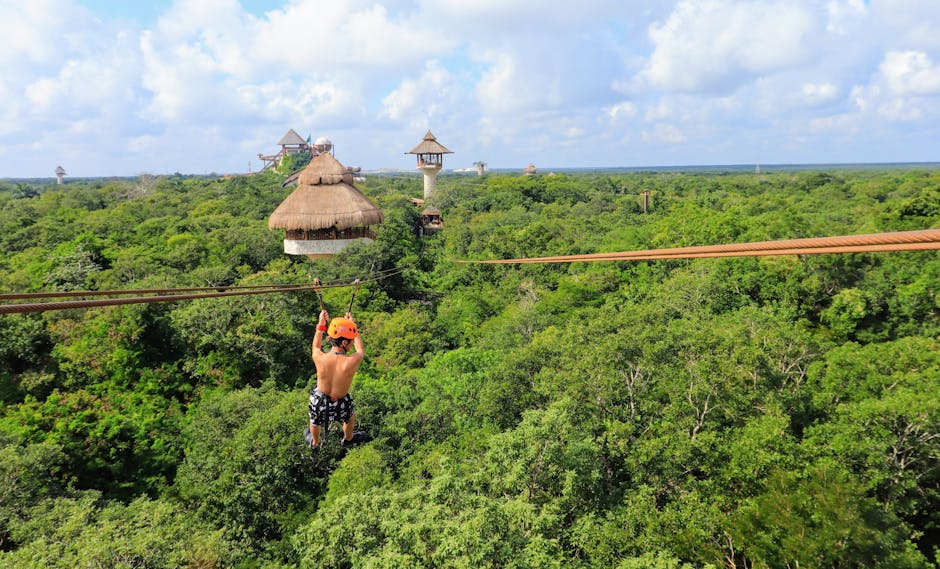
Adventure-focused Maya tours might include jungle trekking to remote archaeological sites, zip-lining through forest canopies, cave exploration, and river rafting through pristine watersheds. The Lacandon Jungle in Chiapas, Mexico, offers some of the most pristine rainforest experiences in North America, while Belize’s jungle reserves provide excellent opportunities for wildlife observation and birdwatching.

Underwater adventures are equally spectacular in Maya coastal regions. The Mesoamerican Reef System – the second-largest coral reef in the world – runs along the Caribbean coast from Mexico to Honduras. Snorkeling and diving tours reveal vibrant coral gardens, ancient underwater cave systems, and diverse marine life including sea turtles, rays, and colorful tropical fish.

Multi-day eco-adventure tours often combine archaeological site visits with camping in the jungle, providing an immersive experience that connects travelers with both the natural environment and ancient Maya spiritual traditions. These tours offer unique opportunities to experience sunrise from atop ancient pyramids and to hear the dawn chorus of tropical birds awakening in the forest.

Planning Your Perfect Maya Tour Experience

Choosing the right Maya tour depends on your interests, physical abilities, and time constraints. Cultural enthusiasts might prefer tours focused on archaeological sites and Maya history, while adventure seekers might gravitate toward tours that include cenote swimming, jungle trekking, and wildlife observation.

The best time to visit Maya territories varies by region, but generally, the dry season from December through April offers the most comfortable weather for outdoor activities. However, the rainy season can provide unique experiences, including fewer crowds at popular sites and the spectacular sight of jungle waterfalls at their peak flow.

Consider the level of accommodation and group size that suits your preferences. Small-group tours often provide more personalized attention and flexibility, while larger groups might offer better value for budget-conscious travelers. Luxury Maya tours might include stays at eco-lodges within jungle reserves or boutique hotels with direct beach access.

When booking your Maya tour, look for operators that employ knowledgeable local guides, preferably with archaeological or anthropological backgrounds. These experts can provide insights that transform your visit from simple sightseeing into a profound educational experience. The National Park Service offers excellent resources for understanding the significance of archaeological sites and cultural preservation.

Cultural Immersion and Modern Maya Communities

Contemporary Maya communities throughout Mexico, Guatemala, Belize, and Honduras maintain many traditional practices while adapting to modern life. Cultural immersion tours provide opportunities to engage with these vibrant communities and learn about the continuity of Maya culture from ancient times to the present day.

Visitors might participate in traditional ceremonies, learn about Maya agricultural practices like milpa farming, or observe the creation of traditional textiles using techniques passed down through generations. Many communities welcome respectful visitors and offer homestay experiences that provide deep insights into daily Maya life.

Language preservation efforts are crucial for maintaining Maya cultural identity. Several dozen Maya languages are still spoken throughout the region, and cultural tours often include opportunities to hear these ancient languages and learn about their unique linguistic features. The Smithsonian Institution provides extensive resources about Maya culture and ongoing research into this fascinating civilization.

Traditional Maya cuisine offers another avenue for cultural exploration. Cooking classes and food tours introduce visitors to ingredients and preparation methods that have remained largely unchanged for centuries, including the use of cacao, vanilla, and numerous indigenous herbs and spices.

Conclusion

Maya tours offer an unparalleled opportunity to connect with one of humanity’s greatest civilizations while experiencing some of the world’s most spectacular natural environments. Whether you’re exploring towering pyramids, swimming in sacred cenotes, or learning from contemporary Maya communities, these tours provide transformative experiences that expand understanding and create lasting memories.

The key to a successful Maya tour lies in choosing responsible operators who prioritize cultural sensitivity, environmental conservation, and authentic experiences over mass tourism. By selecting tours that support local communities and protect archaeological sites, travelers can ensure that future generations will also have the opportunity to discover the magic of Maya civilization.

From the sun-drenched beaches of the Riviera Maya to the misty jungles of Guatemala, Maya tours reveal the extraordinary achievements of this ancient civilization while celebrating the rich cultural traditions that continue to thrive today. Your journey into the heart of Maya territory promises to be both educational and deeply moving, offering perspectives that will enrich your understanding of human achievement and cultural resilience for years to come.

Cancun Chichen Itza Private Tour

Discovering the ancient wonders of the Mayan civilization while enjoying the stunning beauty of the Yucatan Peninsula has never been more accessible. A Cancun Chichen Itza private tour offers travelers an exclusive and personalized journey to one of the New Seven Wonders of the World, combining luxury, convenience, and deep cultural immersion. Whether you’re a history enthusiast, adventure seeker, or simply looking to create unforgettable memories, a private tour from Cancun to Chichen Itza provides the perfect blend of education, exploration, and comfort that group tours simply cannot match.

Why Choose a Private Tour Over Group Tours

Private tours offer unparalleled advantages that transform your Chichen Itza experience from ordinary to extraordinary. Unlike crowded group tours with rigid schedules, a private tour allows you to explore at your own pace and focus on the aspects of Mayan culture that fascinate you most.

cancun chichen itza private tour - Stunning view of the ancient Pyramid of Chichén Itzá with a bright blue sky and clouds.

With a dedicated guide exclusively for your party, you’ll receive personalized attention and in-depth explanations tailored to your interests and questions. Your guide can adjust the itinerary based on your preferences, spending more time at specific structures or exploring lesser-known areas that group tours often skip due to time constraints.

The flexibility extends to departure times, meal preferences, and additional stops along the way. Want to avoid the crowds by arriving early? Prefer to explore the cenotes nearby? A private tour accommodates these desires seamlessly, ensuring your day unfolds exactly as you envision it.

Privacy and comfort are additional benefits that make the investment worthwhile. You’ll travel in air-conditioned vehicles with plenty of space for your belongings, enjoy comfortable seating, and have the freedom to take breaks whenever needed without worrying about keeping up with a large group.

What to Expect During Your Chichen Itza Private Tour

Your private tour adventure begins with a comfortable pickup from your Cancun hotel, typically starting between 7:00 and 8:00 AM to maximize your time at the archaeological site. The journey to Chichen Itza takes approximately 2.5 to 3 hours, during which your knowledgeable guide will begin sharing fascinating insights about Mayan history, culture, and the significance of the sites you’ll visit.

Upon arrival at Chichen Itza, you’ll immediately notice the advantage of having a private guide. While other tourists struggle to hear their guides over the noise of competing groups, you’ll enjoy clear, detailed explanations of each structure’s purpose, construction techniques, and historical importance.

The Main Pyramid: El Castillo

The centerpiece of your visit will be El Castillo, also known as the Temple of Kukulkan. Your guide will explain how this magnificent stepped pyramid demonstrates the Mayans’ advanced understanding of astronomy and mathematics. During the spring and autumn equinoxes, shadows create the illusion of a serpent descending the pyramid’s northern staircase, showcasing the sophisticated knowledge of these ancient architects.

The Great Ball Court

The largest ball court in Mesoamerica awaits your exploration, where your guide will describe the ritualistic games played here over a thousand years ago. The acoustic properties of this court are remarkable – a whisper at one end can be heard clearly at the other, demonstrating the Mayans’ mastery of architectural acoustics.

The Temple of Warriors and Group of a Thousand Columns

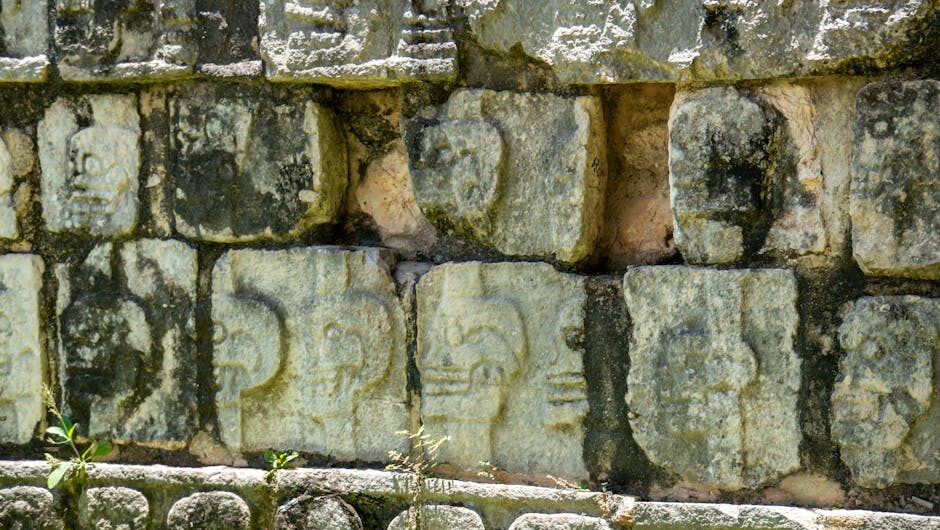
These structures showcase the military and ceremonial aspects of Mayan society. Your private guide will point out intricate carvings and explain the significance of various symbols, providing context that brings these ancient stones to life.

Planning Your Perfect Private Tour Experience

Selecting the right tour operator is crucial for ensuring a memorable experience. Best Maya Tours specializes in providing authentic, educational journeys that respect both the archaeological sites and the local communities. When booking your Cancun Chichen Itza private tour, consider several factors that will enhance your experience.

cancun chichen itza private tour - Explore the ancient stone ruins of a temple at Chichén Itzá, Mexico under a cloudy sky.

Timing plays a significant role in your enjoyment. Early morning departures allow you to explore the site before the intense midday heat and largest crowds arrive. The site opens at 8:00 AM, and arriving within the first hour provides the best photography opportunities and a more peaceful atmosphere for contemplation and learning.

Duration should accommodate thorough exploration without feeling rushed. A full-day tour allows time for detailed exploration, including lesser-known structures like the Observatory and the Sacred Cenote, plus additional stops at local cenotes or colonial towns like Valladolid.

What to Bring and Wear

Comfortable walking shoes are essential, as you’ll be traversing uneven stone surfaces and covering significant distances. Lightweight, breathable clothing in neutral colors helps with temperature regulation and mosquito prevention. A wide-brimmed hat, high-SPF sunscreen, and sunglasses are crucial for protection against the intense Yucatan sun.

Bring a refillable water bottle to stay hydrated throughout the day. Your tour operator should provide bottled water, but having your own ensures constant access to hydration. A small backpack or day bag helps carry essentials without being cumbersome during exploration.

Additional Stops and Experiences

The best private tours extend beyond Chichen Itza to provide a comprehensive cultural experience. Many tours include visits to sacred cenotes, natural limestone sinkholes that were central to Mayan spiritual beliefs and daily life. Swimming in these crystal-clear underground pools offers a refreshing break and a connection to the natural wonders that shaped Mayan civilization.

The colonial city of Valladolid presents another enriching stop, with its colorful architecture, local markets, and authentic regional cuisine. Here, you can observe how Spanish colonial influences blended with indigenous traditions to create the unique Yucatecan culture that thrives today.

Some tours incorporate visits to local artisan workshops where you can observe traditional craft techniques passed down through generations. These stops provide opportunities to purchase authentic souvenirs while supporting local communities and preserving traditional arts.

Culinary Experiences

Private tours often include authentic Yucatecan meals at carefully selected local restaurants. Traditional dishes like cochinita pibil, sopa de lima, and salbutes offer flavors unique to this region. Your guide can explain the historical and cultural significance of different ingredients and preparation methods, adding another layer to your cultural education.

Best Time to Book Your Private Tour

The ideal time for a Cancun Chichen Itza private tour depends on your priorities and preferences. The dry season from November to April offers the most comfortable weather conditions, with lower humidity and minimal rainfall. However, this period also coincides with peak tourist season, resulting in higher prices and larger crowds at the archaeological site.

cancun chichen itza private tour - Explore the iconic Mayan ruins of Chichén Itzá in Yucatán, Mexico under a vibrant blue sky.

The shoulder seasons of May and October provide excellent compromises, offering good weather conditions with fewer crowds and competitive pricing. While temperatures may be slightly higher, the reduced number of visitors creates a more intimate experience with the ancient ruins.

According to the Mexico Tourism Board, Chichen Itza receives over 2.6 million visitors annually, making advance booking essential, especially for private tours. Booking at least 4-6 weeks in advance ensures availability with your preferred tour operator and often provides better pricing options.

Sustainable Tourism and Cultural Respect

Choosing a responsible tour operator like Best Maya Tours ensures your visit contributes positively to local communities and archaeological preservation efforts. Sustainable tourism practices include supporting local guides who possess deep cultural knowledge and hiring from local communities to ensure economic benefits reach those who call this region home.

Respecting the archaeological site involves following all posted guidelines, staying on designated paths, and refraining from climbing structures where prohibited. These rules exist to preserve the site for future generations while ensuring visitor safety.

Photography guidelines should be observed, as flash photography can damage ancient pigments and surfaces. Your guide will indicate appropriate locations for photography while explaining the cultural significance of various structures and symbols.

Supporting local artisans and businesses during your tour helps preserve traditional crafts and provides sustainable income for local families. Purchasing authentic, locally-made souvenirs creates lasting memories while contributing to community economic development.

Making the Most of Your Investment

A private tour represents a significant investment, but the value extends far beyond the monetary cost. The personalized attention, flexibility, and educational depth provide experiences impossible to replicate with group tours or independent visits. To maximize this investment, come prepared with questions and specific interests you’d like to explore.

cancun chichen itza private tour - Low angle shot of the iconic Chichen Itza pyramid with dramatic clouds and blue sky.

Consider bringing a notebook or using your phone to record interesting facts and stories your guide shares. These details will help you remember and share your experience long after returning home. Many guides appreciate engaged visitors and will share additional insights and stories when they see genuine interest.

The UNESCO World Heritage Centre recognizes Chichen Itza as one of the most important examples of Maya-Toltec civilization in Yucatan, emphasizing the global significance of your visit. This designation underscores the importance of preserving these sites through responsible tourism practices.

Conclusion

A Cancun Chichen Itza private tour offers an unmatched opportunity to connect with one of the world’s most significant archaeological sites while enjoying personalized service and cultural immersion. The flexibility, comfort, and educational value of private tours create memories that last a lifetime while contributing to sustainable tourism practices that benefit local communities.

Best Maya Tours specializes in creating these transformative experiences, combining expert local knowledge with commitment to sustainable tourism practices. Their private tours provide the perfect balance of education, adventure, and cultural respect that discerning travelers seek.

Don’t miss the opportunity to experience Chichen Itza through the eyes of passionate local experts. Book your private tour today with Best Maya Tours and embark on a journey that will deepen your appreciation for the remarkable achievements of the ancient Maya civilization while creating unforgettable memories in the heart of the Yucatan Peninsula.

Sustainable Tourism Practices for Travel Agencies

The travel industry stands at a critical crossroads in 2026, where environmental consciousness and social responsibility have become non-negotiable aspects of business operations. Travel agencies worldwide are recognizing that sustainable tourism practices are not just ethical imperatives but essential strategies for long-term success. As climate change concerns intensify and travelers increasingly demand responsible options, agencies must transform their operations to meet these evolving expectations while protecting the destinations they promote.

Sustainable tourism practices encompass a comprehensive approach to travel that minimizes negative impacts on environments, cultures, and communities while maximizing benefits for local populations. For travel agencies, implementing these practices requires fundamental shifts in how they design packages, select partners, and engage with clients. The transition toward sustainability presents both challenges and opportunities, ultimately positioning forward-thinking agencies as leaders in an increasingly conscious marketplace.

Understanding Sustainable Tourism Fundamentals

Sustainable tourism operates on three fundamental pillars: environmental protection, economic viability, and social equity. Travel agencies must understand these interconnected elements to develop comprehensive sustainability strategies that deliver meaningful results.

sustainable tourism practices for travel agencies - A senior man sitting outside a bustling tour office in Ho Chi Minh City, Vietnam.

Environmental sustainability focuses on minimizing carbon footprints, protecting natural resources, and preserving biodiversity. This involves selecting eco-friendly accommodations, promoting low-impact transportation options, and educating travelers about environmental conservation. According to the World Tourism Organization, sustainable tourism should make optimal use of environmental resources while maintaining essential ecological processes.

Economic sustainability ensures that tourism benefits local communities through fair wages, local hiring, and supporting small businesses. Travel agencies can contribute by partnering with locally-owned accommodations, restaurants, and tour operators, ensuring that tourism revenue remains within destination communities rather than flowing to international corporations.

Social sustainability respects local cultures, traditions, and communities while providing authentic experiences for travelers. This requires sensitive cultural interpretation, community involvement in tourism planning, and measures to prevent overtourism in vulnerable destinations.

The Business Case for Sustainability

Modern travelers, particularly millennials and Gen Z, actively seek sustainable travel options and are willing to pay premium prices for responsible experiences. Research indicates that 87% of travelers want to travel sustainably, while 61% say the pandemic has made them want to travel more sustainably in the future. Travel agencies implementing sustainable practices position themselves to capture this growing market segment while building stronger relationships with environmentally conscious clients.

Developing Sustainable Partnership Networks

Creating sustainable tourism experiences requires careful selection and cultivation of partner relationships throughout the travel ecosystem. Travel agencies must evaluate potential partners based on their environmental policies, community engagement, and social responsibility practices.

sustainable tourism practices for travel agencies - Beautiful terraced rice fields under a vibrant sunset sky in rural Asia, showcasing sustainable farming.

Accommodation partnerships should prioritize properties with recognized sustainability certifications such as LEED, Green Key, or local environmental standards. These establishments demonstrate commitment to energy efficiency, water conservation, waste reduction, and local sourcing. Agencies should also consider smaller, locally-owned properties that provide authentic experiences while keeping tourism revenue within local communities.

Transportation partnerships represent significant opportunities for environmental impact reduction. Agencies can promote rail travel over flights for shorter distances, partner with airlines committed to carbon offset programs, and encourage ground transportation options that minimize environmental impact. Electric vehicle rentals, bike tours, and walking excursions provide sustainable alternatives that often enhance traveler experiences.

Local Guide and Tour Operator Selection

Local guides and tour operators serve as crucial intermediaries between travelers and destinations. Sustainable travel agencies should partner with guides who possess deep cultural knowledge, environmental awareness, and commitment to responsible tourism practices. These partnerships ensure authentic cultural exchanges while supporting local economies and preserving traditional knowledge systems.

Vetting tour operators requires evaluating their environmental policies, safety standards, and community engagement efforts. Operators should demonstrate commitment to wildlife protection, cultural sensitivity, and sustainable resource use. Regular audits and feedback collection help maintain partnership quality and alignment with sustainability goals.

Client Education and Engagement Strategies

Educating clients about sustainable tourism practices transforms travelers into responsible ambassadors who contribute positively to destinations. Travel agencies should integrate sustainability education throughout the client journey, from initial consultation through post-trip follow-up.

sustainable tourism practices for travel agencies - Ryanair airplane taxiing on runway in sunny weather at an airport in daylight.

Pre-trip education covers destination-specific environmental challenges, cultural protocols, and sustainable behavior guidelines. Agencies can provide digital resources, sustainability checklists, and cultural briefings that prepare travelers to make responsible choices throughout their journeys. This education should address topics such as plastic waste reduction, water conservation, wildlife interaction guidelines, and cultural respect protocols.

During travel, agencies can maintain engagement through sustainable activity recommendations, local conservation project visits, and community-based tourism experiences. These activities transform passive observers into active participants in destination sustainability efforts while creating memorable experiences that exceed traditional tourism offerings.

Sustainable Packing and Travel Preparation

Client preparation extends to sustainable packing practices that reduce environmental impact and enhance travel experiences. Agencies can provide packing lists emphasizing reusable items, biodegradable products, and minimal packaging. Recommendations might include refillable water bottles, solar chargers, reef-safe sunscreen, and locally-appropriate clothing that respects cultural norms.

Technology integration helps clients make sustainable choices throughout their journeys. Mobile apps can identify eco-friendly restaurants, sustainable transportation options, and conservation activities. Digital itineraries reduce paper waste while providing real-time sustainability tips and local environmental information.

Carbon Footprint Management and Offset Programs

Carbon footprint management represents a critical component of sustainable tourism practices for travel agencies. The aviation industry accounts for approximately 2.5% of global carbon emissions, making flight-related carbon offsetting an essential consideration for responsible travel agencies.

sustainable tourism practices for travel agencies - Four recycling bins for paper, plastic, metal, and glass indoors.

Implementing comprehensive carbon offset programs requires partnerships with verified offset providers that invest in renewable energy, reforestation, or community-based carbon reduction projects. Agencies should offer transparent offset calculations, allowing clients to understand their environmental impact and make informed decisions about compensation measures.

The growing emphasis on corporate sustainability has made carbon footprint transparency a competitive advantage. Travel agencies can differentiate themselves by providing detailed carbon impact reports, offset recommendations, and alternative low-carbon itinerary options.

Alternative Transportation Promotion

Promoting alternative transportation options significantly reduces travel-related emissions while often providing superior cultural experiences. Rail travel, for example, produces 75% fewer emissions than flying while offering scenic routes and city-center connectivity. Agencies can develop specialized rail itineraries that highlight sustainable transportation benefits while delivering exceptional travel experiences.

Ground transportation alternatives include electric vehicle rentals, hybrid bus tours, and cycling expeditions. These options reduce environmental impact while providing intimate destination experiences often impossible with traditional transportation modes.

Technology Integration for Sustainable Operations

Digital transformation enables travel agencies to operate more sustainably while improving service delivery and client satisfaction. Cloud-based systems reduce paper consumption, minimize physical office requirements, and enable remote collaboration that reduces commuting-related emissions.

Customer relationship management (CRM) systems with sustainability features help track client preferences, environmental impact, and sustainable travel goals. These systems enable personalized sustainability recommendations and help agencies measure their collective environmental impact across client portfolios.

Mobile technology empowers sustainable travel experiences through real-time recommendations, digital guidebooks, and conservation activity integration. Apps can connect travelers with local sustainable businesses, provide environmental impact tracking, and facilitate community-based tourism experiences.

Data Analytics for Sustainability Optimization

Data analytics help travel agencies optimize sustainability efforts by identifying impact patterns, measuring improvement areas, and demonstrating sustainability outcomes to stakeholders. Analytics can reveal carbon-intensive itinerary components, identify successful sustainable alternatives, and track client satisfaction with eco-friendly options.

Performance metrics should include carbon footprint per client, percentage of sustainable accommodations booked, local business partnership rates, and client sustainability satisfaction scores. Regular reporting demonstrates commitment to continuous improvement while providing accountability for sustainability goals.

Community-Based Tourism Development

Community-based tourism represents the pinnacle of sustainable travel practices, ensuring that local communities control and benefit from tourism development in their areas. Travel agencies can support these initiatives by partnering with community-owned tourism enterprises and promoting authentic cultural experiences.

The United Nations World Tourism Organization emphasizes community participation as essential for sustainable tourism development. Agencies supporting community-based tourism contribute to poverty reduction, cultural preservation, and environmental conservation while providing travelers with transformative experiences.

Successful community-based tourism partnerships require long-term commitments, cultural sensitivity, and equitable revenue sharing agreements. Agencies should invest time in understanding community needs, respecting traditional governance structures, and ensuring that tourism development aligns with community values and priorities.

Indigenous Tourism Partnerships

Indigenous tourism partnerships offer unique opportunities for cultural exchange while supporting indigenous communities’ economic development and cultural preservation efforts. These partnerships require particular sensitivity, respect for traditional knowledge systems, and commitment to indigenous-led tourism development.

Travel agencies working with indigenous communities should prioritize authentic representation, appropriate compensation, and cultural protocol respect. These partnerships can provide travelers with profound cultural insights while supporting indigenous communities’ self-determination and cultural continuity.

Measuring and Reporting Sustainability Impact

Effective sustainability programs require comprehensive measurement and reporting systems that demonstrate progress, identify improvement opportunities, and maintain stakeholder accountability. Travel agencies should establish baseline measurements across environmental, economic, and social sustainability indicators.

Environmental metrics include carbon emissions per trip, waste generation, water consumption, and biodiversity impact assessments. Economic indicators track local spending percentages, employment generation, and community revenue distribution. Social metrics evaluate cultural preservation, community satisfaction, and traveler education effectiveness.

Regular sustainability reporting builds credibility with clients, partners, and regulatory bodies while identifying successful practices for replication and scaling. Transparent reporting demonstrates genuine commitment to sustainability beyond marketing rhetoric, building trust with increasingly sophisticated and environmentally conscious travelers.

Sustainable tourism practices for travel agencies represent both moral imperatives and strategic business opportunities in 2026. Agencies embracing comprehensive sustainability strategies position themselves as industry leaders while contributing meaningfully to global environmental protection and community development efforts. The transformation requires commitment, investment, and cultural change, but the rewards include enhanced competitiveness, client loyalty, and positive global impact.

As the travel industry continues evolving toward greater sustainability, agencies that pioneer these practices will shape the future of responsible tourism while building resilient, profitable businesses. The time for action is now – travelers are ready for sustainable options, destinations need responsible tourism development, and the planet requires immediate action to address climate change challenges.

Best Maya Tours invites travel agencies to explore partnership opportunities that demonstrate how cultural tourism and sustainability can work together to create transformative experiences while protecting precious destinations for future generations. Contact us today to discover how sustainable tourism practices can enhance your agency’s offerings while contributing to meaningful conservation and community development efforts.

Private chichen itza tour: unveil the mysteries of ancient maya

Discover the awe-inspiring wonder of Chichen Itza through an exclusive private Chichen Itza tour that transforms your visit into an unforgettable journey through ancient Maya history. As one of the New Seven Wonders of the World and a UNESCO World Heritage Site, Chichen Itza deserves more than a rushed group experience. With Best Maya Tours, you’ll explore this magnificent archaeological site with personalized attention, expert guidance, and the flexibility to immerse yourself fully in the mysteries of one of Mexico’s most important cultural treasures.

Our private Chichen Itza tours offer an intimate exploration of this remarkable site, where every stone tells a story spanning over a millennium of Maya civilization. From the iconic pyramid of Kukulkan to the intricate ball court where ancient games determined life and death, your private guide will unveil the secrets that make Chichen Itza a masterpiece of pre-Columbian architecture and astronomy.

Why Choose a Private Chichen Itza Tour

The advantages of selecting a private tour over crowded group excursions are immeasurable when visiting Chichen Itza. With Best Maya Tours, your private experience ensures undivided attention from our expert guides, allowing for in-depth discussions about Maya culture, astronomy, and the fascinating rituals that once took place within these ancient walls.

private chichen itza tour

Private tours eliminate the constraints of large groups, giving you the freedom to explore at your own pace and spend more time at the structures that captivate you most. Whether you’re fascinated by the acoustic phenomena of the Great Ball Court or mesmerized by the precise astronomical calculations evident in the pyramid’s design, your private guide adapts the tour to your interests and curiosity level.

The flexibility of private tours also means avoiding the peak crowds that can diminish the mystical atmosphere of Chichen Itza. Early morning departures allow you to witness the site bathed in golden sunlight, with fewer visitors disrupting the serene ambiance that helps you truly connect with this ancient wonder.

Additionally, private tours provide exclusive access to lesser-known areas and stories that group tours often overlook due to time constraints. Your guide can share detailed narratives about specific rulers, architectural innovations, and the complex relationship between Chichen Itza and other Maya cities throughout the Yucatan Peninsula.

Exploring the Magnificent Structures of Chichen Itza

The centerpiece of any Chichen Itza visit is the magnificent pyramid of Kukulkan, also known as El Castillo. This 98-foot tall step pyramid represents the pinnacle of Maya architectural achievement, incorporating sophisticated astronomical knowledge that continues to astound modern visitors. During your private tour, you’ll learn how the Maya designed this structure to create the famous serpent shadow effect during the spring and autumn equinoxes, when the setting sun casts shadows that appear to slither down the pyramid’s northern staircase.

private chichen itza tour

The Great Ball Court, the largest ancient sports arena in Mesoamerica, offers another fascinating glimpse into Maya culture. Stretching 545 feet in length, this massive court hosted the ritualistic ball game known as ōllamaliztli, which held deep religious significance. Your private guide will demonstrate the remarkable acoustic properties of this court, where a whisper at one end can be clearly heard at the opposite side, showcasing the Maya’s advanced understanding of sound engineering.

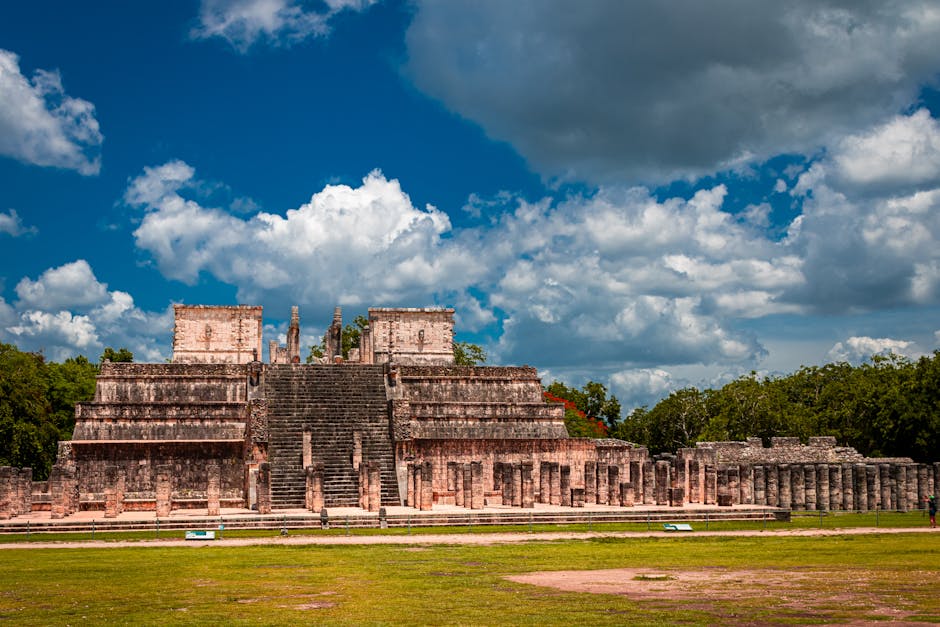
The Temple of Warriors complex, with its impressive colonnade of carved columns, provides insight into the militaristic period of Chichen Itza’s history. Each column once supported a wooden roof, creating a vast covered space where warriors and nobles gathered. The detailed carvings depicting feathered serpents, jaguars, and eagles reveal the complex symbolism that permeated Maya religious and political life.

The Observatory, known as El Caracol for its spiral staircase interior, demonstrates the Maya’s sophisticated astronomical knowledge. This circular structure served as an ancient observatory where Maya astronomers tracked celestial movements with remarkable precision, creating calendars and predicting eclipses with accuracy that rivals modern calculations.

The Rich History and Cultural Significance

Chichen Itza’s history spans over 1,000 years, from its founding around 600 CE through its peak as a dominant Maya city-state between 900 and 1200 CE. During your private tour, you’ll explore how this remarkable site evolved from a small Maya settlement into one of the most powerful cities in the ancient world, controlling trade routes and influencing political developments across the Yucatan Peninsula.

private chichen itza tour

The site’s name, meaning “at the mouth of the well of the Itza,” refers to the sacred cenote that played a central role in Maya religious practices. This natural limestone sinkhole served as a portal to the underworld in Maya cosmology, where precious offerings including gold, jade, and unfortunately, human sacrifices were made to appease the rain god Chaac during times of drought or crisis.

According to the UNESCO World Heritage Centre, Chichen Itza represents “a masterpiece of Mayan art and architecture” that showcases the cultural fusion between Maya traditions and influences from central Mexico. This unique blend created architectural styles and artistic expressions found nowhere else in the Maya world.

Your private guide will explain how Chichen Itza became a pilgrimage destination long after its political decline, attracting Maya peoples from across the region who continued to honor the site’s sacred significance. Even today, contemporary Maya communities maintain spiritual connections to Chichen Itza, viewing it as an ancestral homeland that embodies their cultural identity and astronomical wisdom.

What to Expect During Your Private Tour Experience

Your private Chichen Itza tour with Best Maya Tours begins with convenient pickup from your Riviera Maya accommodation in a comfortable, air-conditioned vehicle. Our expert guides, fluent in multiple languages and extensively trained in Maya history and archaeology, will begin sharing fascinating insights during the scenic drive through traditional Yucatecan villages and jungle landscapes.

private chichen itza tour

Upon arrival at Chichen Itza, you’ll receive priority access that allows you to enter before the peak tourist crowds arrive. This strategic timing ensures optimal photo opportunities and a more contemplative experience as you walk in the footsteps of ancient Maya rulers, priests, and astronomers. The morning light creates dramatic shadows and highlights the intricate stone carvings that might be overlooked during busier periods.

Your approximately three-hour guided exploration covers all major structures, with detailed explanations of their architectural significance, religious purposes, and historical context. The Instituto Nacional de Antropología e Historia maintains strict preservation protocols that your guide will explain, helping you understand ongoing conservation efforts to protect this irreplaceable cultural heritage.

Throughout the tour, you’ll have opportunities to ask questions, take photographs, and even participate in demonstrations of Maya astronomical knowledge. Many guests are amazed to learn about the Maya’s mathematical innovations, including their independent invention of zero and their incredibly accurate calendar systems that tracked time over millennia.

The tour includes time to visit the site museum, which houses important artifacts discovered during archaeological excavations, providing additional context for understanding daily life in ancient Chichen Itza. Your guide will help interpret these exhibits, connecting the physical remains to the vibrant culture that once flourished here.

Enhancing Your Private Tour Experience

Best Maya Tours offers several enhancement options to make your private Chichen Itza experience even more memorable and comprehensive. Many guests choose to combine their archaeological exploration with a visit to a nearby cenote, where you can swim in the crystal-clear waters that the ancient Maya considered sacred. These natural pools provide a refreshing contrast to the historical exploration and offer insight into the geological forces that shaped the Yucatan Peninsula.

Cultural immersion opportunities include visits to traditional Maya villages where contemporary descendants of the pyramid builders maintain ancient traditions. You’ll witness traditional weaving techniques, taste authentic Yucatecan cuisine, and learn about medicinal plants that Maya healers have used for centuries. These interactions provide valuable perspective on how ancient knowledge continues to influence modern Maya life.

Photography enthusiasts can request specialized tours timed for optimal lighting conditions, including sunset visits when permitted. The changing light throughout the day transforms Chichen Itza’s appearance, revealing architectural details and creating atmospheric conditions perfect for capturing stunning images.

For those interested in deeper archaeological understanding, extended tours can include visits to nearby sites such as Ek Balam or Coba, providing comparative perspectives on Maya architectural styles and urban planning. According to National Geographic, these additional sites offer unique insights into the diversity of Maya civilization and the regional variations in their remarkable cultural achievements.

Best Maya Tours also offers specialized tours for families, adapting explanations and activities to engage visitors of all ages. Children often find the acoustic demonstrations particularly exciting, while adults appreciate the sophisticated scientific knowledge embedded in the architecture.

Planning Your Perfect Private Chichen Itza Adventure

The optimal time to visit Chichen Itza varies depending on your preferences for weather and crowd levels. Early morning tours, starting around 8 AM, provide the best combination of comfortable temperatures and fewer visitors. The dry season from November through April offers the most predictable weather, while the rainy season from May through October brings lush green landscapes and occasional dramatic skies that create stunning photographic opportunities.

Preparation for your private tour should include comfortable walking shoes, sun protection, and plenty of water. The Yucatan sun can be intense, particularly when reflecting off the limestone structures, so a wide-brimmed hat and sunscreen are essential. Lightweight, breathable clothing in neutral colors photographs well against the ancient stonework while keeping you comfortable during the exploration. For more specific recommendations, consider reading our guide on what to pack for a Riviera Maya tour.

Best Maya Tours provides all necessary entrance fees, transportation, and expert guiding services. Our commitment to sustainable tourism ensures that your visit contributes positively to local communities while respecting the archaeological integrity of this irreplaceable site. We work closely with local authorities and conservation groups to ensure our tours meet the highest standards for cultural sensitivity and environmental responsibility.

Booking your private Chichen Itza tour well in advance is recommended, particularly during peak travel seasons when demand for personalized experiences is highest. Our team can customize your tour to accommodate specific interests, mobility requirements, or time constraints, ensuring that your visit to this wonder of the world exceeds your expectations and creates memories that will last a lifetime. Travel agencies looking to offer these unique experiences can learn more about private Riviera Maya tours wholesale rates to enhance their client offerings.

Your private Chichen Itza tour with Best Maya Tours represents more than just sightseeing—it’s an opportunity to connect with one of humanity’s greatest civilizations and gain profound appreciation for the Maya’s remarkable achievements in architecture, astronomy, mathematics, and urban planning. Through personalized attention and expert guidance, you’ll leave with a deep understanding of why Chichen Itza continues to inspire wonder and reverence among visitors from around the world.

Hidden Cenotes Near Chichen Itza

The mystical underground waterways of the Yucatán Peninsula hold secrets that extend far beyond the famous tourist destinations. While millions flock to Chichen Itza annually to witness one of the New Seven Wonders of the World, few venture to discover the hidden cenotes that lie scattered throughout the surrounding jungle. These natural swimming holes, formed by collapsed limestone bedrock revealing pristine groundwater below, served as sacred portals to the underworld for ancient Maya civilizations. Today, they offer modern travelers an opportunity to experience untouched natural beauty and connect with centuries-old cultural heritage in ways that crowded tourist attractions simply cannot provide.

Understanding Cenotes and Their Cultural Significance

Cenotes represent far more than stunning natural swimming pools; they embody the spiritual heart of Maya cosmology. The word “cenote” derives from the Maya term “dzonot,” meaning sacred well. Ancient Maya believed these underground chambers served as gateways to Xibalba, the Maya underworld, making them essential sites for religious ceremonies and offerings to the gods.

hidden cenotes near chichen itza - A tourist admires a Mayan pyramid at Chichen Itza, a prominent archaeological site in Mexico.

The geological formation of cenotes began millions of years ago when the Yucatán Peninsula emerged from ancient seas. Over time, slightly acidic rainwater dissolved the limestone bedrock, creating vast underground river systems. When sections of these cave roofs collapsed, they exposed the crystal-clear freshwater below, creating the cenotes we see today.

Archaeological evidence suggests that ancient Maya settlements were strategically built around cenotes, as these natural wells provided reliable freshwater sources in a region where surface rivers are virtually non-existent. The sacred nature of these sites is evidenced by numerous jade ornaments, gold artifacts, and even human remains discovered in cenote depths, indicating their use in ritual sacrifices and offerings.

Lesser-Known Cenotes Within Reach of Chichen Itza

While most visitors stick to the well-known cenotes like Ik Kil and Cenote Sagrado at Chichen Itza itself, numerous hidden gems await discovery within a short drive of the archaeological site. These lesser-visited cenotes offer more intimate experiences and often better opportunities for swimming, snorkeling, and photography without the crowds.

hidden cenotes near chichen itza - Close-up of ancient stone skull carvings on a wall at Chichén Itzá, Mexico.

Cenote Yokdzonot

Located approximately 15 kilometers from Chichen Itza, Cenote Yokdzonot remains relatively undiscovered by mass tourism. This partially open cenote features a dramatic circular opening surrounded by lush tropical vegetation. The crystal-clear water maintains a constant temperature of 24-26°C year-round, making it perfect for swimming. Local Maya families still consider this cenote sacred, and visitors often witness traditional blessing ceremonies during their visits.

Cenote X’Canche

Hidden within a dense jungle setting just 20 minutes from Chichen Itza, Cenote X’Canche offers visitors the chance to rappel down into its depths or access the water via traditional wooden ladders. This semi-open cenote features stunning stalactite formations and incredibly clear water that allows visibility up to 30 meters deep. The surrounding vegetation creates a cathedral-like atmosphere that enhances the mystical experience.

Cenote Oxman

Perhaps one of the most photogenic hidden cenotes near Chichen Itza, Cenote Oxman features a perfectly circular opening with vines cascading down from the jungle above. The cenote’s unique shape creates excellent acoustics, where every sound echoes dramatically off the limestone walls. Local guides often demonstrate traditional Maya chants that resonate beautifully throughout the chamber.

Planning Your Hidden Cenote Adventure

Exploring hidden cenotes requires more preparation than visiting commercialized tourist attractions. These natural sites often lack modern amenities, but this absence of infrastructure contributes to their authentic charm and untouched beauty. Understanding what to expect and how to prepare ensures a safe and memorable experience.

hidden cenotes near chichen itza - Close-up of the iconic Chichén Itzá pyramid, a historic Mayan landmark in Mexico.

Best Time to Visit

The optimal time for cenote exploration runs from December through April when rainfall is minimal and temperatures are more comfortable for both jungle trekking and swimming. During these months, cenote water levels remain stable, and visibility underwater reaches its peak. However, this period also coincides with peak tourist season, so arriving early in the morning or later in the afternoon helps avoid any crowds that might venture to these hidden locations.

The rainy season from May through November brings higher water levels and occasionally cloudy conditions, but it also means fewer visitors and more dramatic jungle scenery. The increased rainfall creates spectacular waterfall effects in some cenotes as surface water cascades into the underground chambers.

Essential Equipment and Safety Considerations

Visiting hidden cenotes requires specific equipment and safety precautions. Water shoes or reef-safe footwear provide essential protection against sharp limestone and underwater obstacles. A high-quality underwater camera captures the ethereal beauty of these natural formations, while biodegradable sunscreen protects both skin and delicate aquatic ecosystems.

Safety equipment should include life jackets for non-confident swimmers, as cenote depths can exceed 100 meters in some locations. Waterproof bags protect electronic devices and important documents from humidity and accidental water exposure. A first aid kit addresses minor cuts and scrapes common when navigating rocky cenote access points.

Responsible Tourism and Environmental Conservation

The fragile ecosystems surrounding hidden cenotes require careful preservation for future generations. These underwater cave systems support unique species of blind fish, ancient bacteria, and delicate mineral formations that have developed over thousands of years. Responsible tourism practices ensure these natural wonders remain pristine while supporting local Maya communities who serve as guardians of these sacred sites.

hidden cenotes near chichen itza - Explore the iconic Pyramid of Chichén Itzá, Yucatán, an architectural marvel under a vibrant blue sky.

The Leave No Trace principles apply especially to cenote exploration. Visitors should avoid touching stalactites or disturbing underwater formations, as oils from human skin can permanently damage these geological features. Swimming aids should be reef-safe and biodegradable to protect the delicate aquatic life that calls cenotes home.

Supporting Local Communities

Many hidden cenotes exist on private land owned by Maya families who have protected these sites for generations. Paying entrance fees directly supports conservation efforts and provides economic incentives for communities to continue protecting rather than developing these areas. Hiring local guides not only enhances the cultural experience but also ensures that tourism benefits reach the communities most deserving of support.

Local guides possess intimate knowledge of cenote geology, Maya history, and traditional ecological wisdom passed down through generations. Their stories and insights transform a simple swimming excursion into a deep cultural exchange that enriches understanding of both natural and human history in the region.

Combining Cenote Exploration with Cultural Experiences

The proximity of hidden cenotes to Chichen Itza creates unique opportunities to combine natural exploration with cultural immersion. Many cenote visits can be integrated with traditional Maya village experiences, allowing travelers to witness contemporary Maya life while exploring the natural sites that remain central to their cultural identity.

Traditional Maya Ceremonies

Some cenotes still host traditional Maya ceremonies, particularly during significant calendar dates in the ancient Maya agricultural cycle. These ceremonies often involve offerings of copal incense, flower petals, and traditional foods to honor the water spirits and request blessings for the community. Respectful observation of these ceremonies provides profound insights into the continuing spiritual significance of cenotes in Maya culture.

Artisan Workshops and Local Markets

Many cenote visits can be combined with stops at local artisan workshops where Maya craftspeople create traditional textiles, pottery, and jewelry using techniques unchanged for centuries. These workshops often take place in village settings near cenote locations, creating opportunities to purchase authentic handicrafts while supporting local economies directly.

Photography and Documentation Tips

Hidden cenotes offer exceptional photography opportunities, but capturing their beauty requires specific techniques and equipment. The dramatic contrast between dark limestone formations and brilliant blue water creates challenging lighting conditions that demand careful planning and proper equipment to achieve stunning results.

Underwater photography in cenotes requires specialized equipment due to the unique lighting conditions created by filtered sunlight entering through jungle canopies and cenote openings. The interplay of light and shadow creates dramatic effects that change throughout the day, making timing crucial for optimal photography results.

The National Geographic photography guidelines recommend using wide-angle lenses to capture the full scope of cenote chambers while maintaining sharp focus on both foreground limestone formations and background water features. External strobes help illuminate underwater details while preserving the natural blue coloration of cenote water.

Conclusion

Discovering hidden cenotes near Chichen Itza offers travelers the opportunity to experience the Yucatán Peninsula’s natural and cultural heritage in its most authentic form. These sacred sites provide intimate connections with ancient Maya spirituality while showcasing some of the world’s most remarkable geological formations. Unlike crowded tourist destinations, hidden cenotes reward visitors with solitude, pristine natural beauty, and meaningful cultural exchanges with local Maya communities.

The journey to these hidden gems requires more effort than visiting commercialized attractions, but the rewards far exceed the additional planning and preparation involved. Swimming in crystal-clear waters surrounded by ancient limestone formations while learning about Maya cosmology from local guides creates memories that last far beyond typical tourist experiences.

Best Maya Tours specializes in creating authentic connections between travelers and these remarkable natural and cultural sites. Our expert guides possess deep knowledge of both hidden cenote locations and Maya cultural traditions, ensuring that your cenote exploration becomes a transformative journey rather than simply another tourist activity. Book your adventure today to discover the magic of hidden cenotes and create unforgettable memories in one of the world’s most remarkable natural settings.

Muyil river float: ancient maya waterways and natural paradise

Discovering the Mystical Muyil River System

The Muyil River float offers an extraordinary journey through one of Mexico’s most pristine and historically significant waterways. Located within the Sian Ka’an Biosphere Reserve on the Riviera Maya, this ancient river system was once a vital trade route for the Maya civilization over 1,000 years ago. Today, it provides visitors with an unparalleled opportunity to experience the natural beauty and cultural heritage of the Yucatan Peninsula in a single, unforgettable adventure.

muyil river float

The Muyil archaeological site, positioned strategically along these waterways, served as a crucial port city connecting inland Maya settlements to coastal trading networks. As you float down these same waters, you’re literally following in the wake of ancient Maya merchants who transported jade, obsidian, and other precious goods throughout Mesoamerica. The river system includes a series of interconnected lagoons, cenotes, and channels that create a unique ecosystem supporting an incredible diversity of wildlife.

What makes the Muyil River float particularly special is its location within the UNESCO-recognized Sian Ka’an Biosphere Reserve, one of Mexico’s most important protected areas. This designation ensures that the pristine conditions of the waterway are maintained, offering visitors an authentic glimpse into the natural world as the ancient Maya would have experienced it. Whether you are looking for tours for your agency or just to plan for yourself, we’ve got you covered on What to Pack for a Riviera Maya Tour.

The Ultimate River Float Experience

A typical Muyil River float begins at the archaeological site, where visitors can explore the ancient ruins before embarking on their aquatic journey. The experience combines gentle floating through narrow channels carved by centuries of water flow, swimming in crystal-clear cenotes, and walking along wooden boardwalks that protect the delicate mangrove ecosystem.

muyil river float

The float itself covers approximately 3 kilometers of waterway, taking visitors through diverse environments including freshwater lagoons, mangrove tunnels, and open cenotes. The water is refreshingly cool and incredibly clear, with visibility often extending several meters deep. The gentle current does most of the work, making this activity suitable for families and travelers of varying fitness levels.

One of the highlights of the journey is the “lazy river” section, where the natural current carries you effortlessly through narrow channels surrounded by towering mangrove trees. The canopy overhead creates a natural tunnel effect, with filtered sunlight creating an almost magical atmosphere. Wildlife sightings are common throughout the float, including tropical birds, iguanas, and occasionally, the elusive manatee.

The experience typically includes stops at multiple cenotes where visitors can swim in the sacred waters that the Maya believed were portals to the underworld. These natural sinkholes offer perfect respite from the tropical heat and provide excellent opportunities for underwater photography in the crystal-clear waters.

Rich Cultural Heritage and Archaeological Significance

The Muyil River system is intrinsically linked to one of the most important archaeological sites in the Riviera Maya region. The ancient city of Muyil, also known as Chunyaxché, flourished from approximately 300 BCE to 1500 CE, making it one of the longest continuously inhabited Maya sites. The settlement’s strategic position along these waterways made it a crucial hub for trade and cultural exchange.

muyil river float

Archaeological evidence suggests that the Maya engineered sophisticated canal systems to enhance navigation through these waterways. They constructed artificial channels and modified natural ones to create an extensive network that connected inland cities to coastal ports. This engineering prowess demonstrates the advanced understanding the Maya had of hydraulic systems and water management.

The site features several impressive structures, including the 17-meter-tall El Castillo pyramid, which served as a lighthouse for Maya navigators traveling the coastal waters. From its summit, ancient traders could spot incoming vessels and guide them safely to port. Today, visitors can climb this same pyramid to enjoy panoramic views of the surrounding jungle and lagoon system.

Throughout the float experience, knowledgeable guides share stories of Maya mythology, explaining how these waters played crucial roles in their cosmology and daily life. The cenotes were considered sacred portals to Xibalba, the Maya underworld, and many contain archaeological evidence of ceremonial activities including pottery, jewelry, and ritual offerings. For travel agencies, understanding this depth of heritage is crucial for How to Differentiate Your Mexico Tours with Mayan Focus: A Strategic Guide.

Biodiversity and Natural Wonders

The Muyil River system supports an extraordinary array of wildlife, making it one of the most biodiverse areas in the Yucatan Peninsula. The protected ecosystem encompasses multiple habitat types, from dense mangrove forests to open lagoons and underground cenote systems, each supporting unique species adapted to specific environmental conditions.

muyil river float

Birdwatchers will be delighted by the diversity of avian species, including roseate spoonbills, great egrets, wood storks, and the magnificent frigatebird. The mangrove canopy provides nesting sites for hundreds of species, while the open water areas attract wading birds and raptors. Early morning floats often provide the best wildlife viewing opportunities when animals are most active.

The aquatic environment supports numerous fish species, including colorful tropical varieties that thrive in the cenote systems. Snorkeling enthusiasts can observe schools of tetras, mollies, and cichlids in the crystal-clear waters. The interconnected waterways also provide habitat for larger species like tarpon and snook, which migrate between freshwater and saltwater environments.

The mangrove ecosystem itself is a marvel of natural engineering, with red, black, and white mangrove species each adapted to different salinity levels and water depths. These trees provide crucial ecosystem services, including coastal protection, carbon sequestration, and nursery habitat for marine species. The root systems create complex underwater structures that support countless microorganisms and small fish species.

Planning Your Muyil River Float Adventure

The optimal time for a Muyil River float is during the dry season from November to April, when weather conditions are most stable and wildlife viewing is at its peak. However, the experience remains spectacular year-round, with each season offering unique advantages. The rainy season brings lush vegetation and increased bird activity, while the dry season provides crystal-clear water visibility and comfortable temperatures.

Tours typically last 4-6 hours and include transportation from major Riviera Maya destinations, entrance fees to the archaeological site and biosphere reserve, professional bilingual guides, life jackets, and often lunch or snacks. Most operators provide waterproof bags for cameras and personal belongings, though visitors should prepare for a fully aquatic experience.

Physical requirements are minimal, as the gentle current does most of the work during the float. However, participants should be comfortable in water and able to swim short distances between floating sections and cenote swimming areas. The activity is suitable for children over 8 years old when accompanied by adults and supervised by experienced guides.

Professional guides enhance the experience significantly by providing detailed information about Maya history, pointing out wildlife, and ensuring safety throughout the journey. Many guides are local experts with deep knowledge of both the natural environment and cultural heritage, offering insights that transform a simple float into an educational adventure. For travel agencies, this local expertise can be a major selling point when offering Booking Mayan Tours for American Travelers: Essential Tips.

Conservation and Sustainable Tourism

The Muyil River float represents an excellent example of sustainable tourism that benefits both visitors and local communities while protecting irreplaceable natural and cultural resources. Revenue generated from responsible tourism helps fund conservation efforts within the Sian Ka’an Biosphere Reserve and provides economic opportunities for local Maya communities.

Visitor guidelines emphasize the importance of respecting the fragile ecosystem through practices such as using reef-safe sunscreen, avoiding touching or disturbing wildlife, and following designated pathways to minimize environmental impact. These measures ensure that future generations can continue to experience this remarkable destination in its pristine state.

The Mexican National Commission of Natural Protected Areas works closely with tour operators to maintain strict environmental standards and monitor the impact of tourism activities on the ecosystem. This collaborative approach has proven successful in balancing conservation goals with sustainable economic development.

Local Maya communities play integral roles as guides, boat operators, and cultural interpreters, ensuring that tourism revenue directly benefits the people who have been stewards of this land for generations. This community-based approach to tourism helps preserve traditional knowledge while providing economic alternatives to potentially harmful activities. For those interested in offering such unique experiences, gaining access to Private Riviera Maya Tours Wholesale Rates for Agents can be highly beneficial.

Conclusion

The Muyil River float offers an extraordinary opportunity to experience the intersection of natural beauty, ancient history, and cultural significance in one unforgettable adventure. This unique journey through sacred Maya waterways provides visitors with insights into both the sophisticated civilization that once thrived here and the remarkable ecosystem that continues to support diverse wildlife today. Whether you’re drawn by the archaeological significance, the pristine natural environment, or the opportunity for a truly unique adventure, the Muyil River float delivers an experience that will create lasting memories while fostering a deeper appreciation for Mexico’s incredible cultural and natural heritage.

What to Pack for a Mayan Adventure Tour

Embarking on a Mayan adventure tour promises an extraordinary journey through ancient civilizations, dense jungles, and mystical archaeological sites. From exploring towering pyramids at Chichen Itza to navigating underground cenotes in the Yucatan Peninsula, these adventures demand careful preparation and strategic packing. The diverse environments you’ll encounter – from humid tropical forests to sacred limestone caves – require specific gear to ensure comfort, safety, and maximum enjoyment of your cultural expedition. This comprehensive packing guide will equip you with everything needed to make your Mayan adventure both memorable and hassle-free.

Essential Clothing for Diverse Mayan Environments

The key to successful packing for Mayan adventures lies in understanding the varied environments you’ll encounter. Lightweight, breathable fabrics become your best allies in the tropical climate of Central America and Mexico’s Yucatan region.

what to pack for a mayan adventure tour - A stunning view of the ancient pyramid at Chichen Itza, Mexico under a moody sky.

Base Layer Essentials

Start with moisture-wicking undergarments made from merino wool or synthetic materials. These regulate body temperature while preventing chafing during long hiking days. Pack at least four sets, as laundry facilities may be limited in remote areas.

Quick-dry t-shirts and long-sleeve shirts protect against both sun exposure and insect bites. Choose neutral colors like khaki, olive, or tan that blend with natural surroundings and don’t attract insects. Avoid bright colors or floral patterns that might disturb wildlife or appear disrespectful at sacred sites.

Bottom Wear Strategy

Convertible hiking pants offer versatility for changing conditions. You can remove the lower portions when temperatures rise or when wading through cenotes. Pack two pairs alongside quick-dry shorts for hot afternoons exploring open archaeological sites.

Include one pair of long pants for evening wear and visits to more formal cultural sites where modest dress is expected. Many ancient Maya sites maintain traditional dress codes that visitors should respect.

Weather Protection

A lightweight rain jacket proves indispensable during the rainy season (May through October). Choose one with ventilation zippers to prevent overheating. Pack a waterproof poncho as backup, especially useful when carrying camera equipment through sudden tropical downpours.

Sun protection clothing, including a wide-brimmed hat with chin strap and UV-protective sleeves, shields you from intense tropical sun. The reflection off limestone structures at archaeological sites intensifies UV exposure significantly.

Footwear for Multiple Terrains

Your feet will traverse ancient stone steps, muddy jungle trails, slippery cenote edges, and modern city streets. This diversity demands a strategic footwear approach.

Primary Hiking Boots

Invest in waterproof, broken-in hiking boots with excellent ankle support. The uneven terrain of archaeological sites, combined with potential wet conditions in caves and cenotes, makes sturdy footwear non-negotiable. Ensure boots are completely broken in before departure to prevent blisters during long exploration days.

Water-Friendly Options

Water shoes or aqua socks become essential when swimming in cenotes or exploring coastal areas. These protect feet from sharp rocks while providing traction on slippery surfaces. Choose quick-dry materials that won’t retain odors.

Comfortable Walking Shoes

Pack lightweight walking shoes or comfortable sneakers for city exploration, market visits, and evening activities. These provide foot relief after long days in hiking boots and appear more appropriate in urban cultural settings.

Technology and Documentation Essentials

Modern Mayan adventures require balancing digital documentation with protection against humidity, dust, and potential theft.

what to pack for a mayan adventure tour - Group enjoying a thrilling whitewater rafting experience in roaring river rapids with paddles and life vests.

Camera Equipment Protection

A waterproof camera case protects against humidity and sudden rain. Silica gel packets help combat moisture damage in tropical environments. Bring extra memory cards and portable chargers, as electricity may be unreliable in remote areas.

Consider a GoPro or similar action camera for cenote swimming and jungle activities where traditional cameras prove impractical. These devices handle water exposure and provide unique perspective options for documenting your adventure.

Communication and Navigation

Download offline maps before departure, as cellular coverage varies significantly throughout Mayan territories. GPS devices with preloaded topographic maps provide reliable navigation backup in remote archaeological sites.

Portable phone chargers and solar power banks ensure communication capability throughout extended excursions. Pack universal electrical adapters appropriate for your destination country’s outlets.

Important Documents

Create waterproof document storage containing passport copies, travel insurance information, emergency contact lists, and tour confirmations. Keep originals in hotel safes when possible, carrying only copies during daily excursions.

Research visa requirements well in advance, as some Mayan sites span multiple countries requiring different entry documentation. The U.S. State Department travel website provides current entry requirements for popular Mayan destinations.

Health and Safety Preparedness

Remote Mayan sites often lack immediate medical facilities, making personal health preparation crucial for safe adventures.

First Aid Essentials

Assemble a comprehensive first aid kit including bandages, antiseptic wipes, pain relievers, anti-diarrheal medication, and any personal prescription medications. Include blister treatment supplies, as extensive walking on uneven surfaces commonly causes foot problems.

Pack insect repellent containing DEET for jungle excursions and mosquito-borne disease prevention. Bring after-bite treatment for inevitable insect encounters. Tropical-strength sunscreen (SPF 50+) prevents severe sunburn at high-altitude archaeological sites.

Water Safety

Water purification tablets or a portable water filter ensure safe drinking water throughout your journey. Many remote Mayan sites lack reliable bottled water sources, making purification capability essential for hydration without health risks.

Electrolyte replacement packets help maintain proper hydration levels during physically demanding exploration days in high heat and humidity.

Cultural Sensitivity and Site-Specific Items

Respectful cultural interaction enhances your Mayan adventure experience while honoring indigenous traditions and archaeological preservation efforts.

what to pack for a mayan adventure tour - A woman packing her travel suitcase on the floor indoors, preparing for a trip.

Appropriate Attire for Sacred Sites

Many active Mayan sites maintain spiritual significance for local indigenous communities. Pack modest clothing options that cover shoulders and knees for ceremonial site visits. Neutral colors show respect while avoiding attention-grabbing attire inappropriate for sacred spaces.

Bring a lightweight scarf or shawl for quick coverage adjustments when entering different cultural contexts throughout your journey.

Learning and Documentation Materials

A detailed guidebook about Mayan history and culture enhances site appreciation beyond basic tour information. Consider Spanish language basics if traveling to Mexico, Guatemala, or Belize, where knowing simple phrases improves local interactions.

Pack a waterproof notebook for recording experiences, sketch interesting architectural details, or noting local information shared by guides. These personal records become treasured memories long after returning home.

Practical Gear for Adventure Activities

Mayan adventures often include specialized activities requiring specific equipment beyond basic clothing and documentation.

Cave and Cenote Exploration

Waterproof flashlight with extra batteries proves essential for cave exploration and early morning site visits. Headlamps provide hands-free lighting while climbing pyramid steps or navigating uneven archaeological terrain.

Quick-dry towels serve multiple purposes: post-cenote swimming, unexpected rain protection, or sitting surface on ancient stone structures. Choose compact, antimicrobial varieties that pack small and dry quickly.
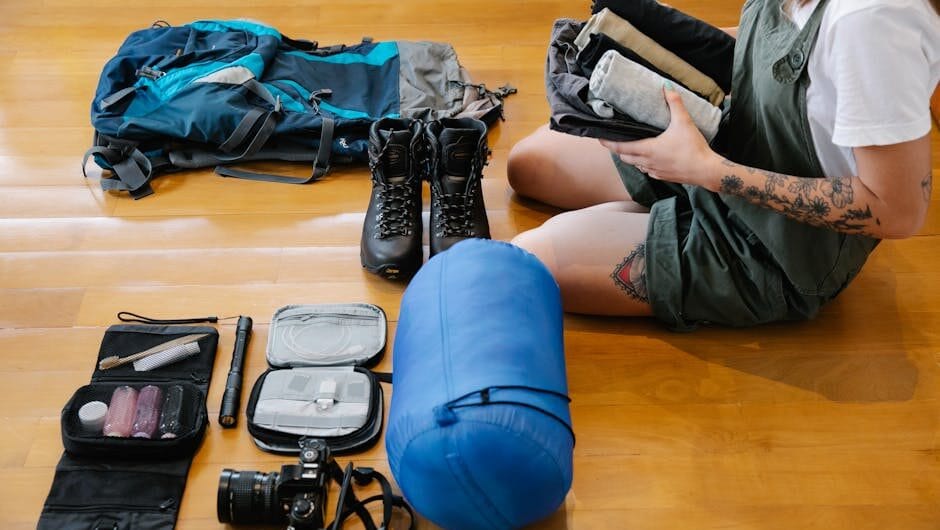
Jungle Trekking Equipment

Lightweight daypack carries water, snacks, camera equipment, and weather protection during extended site exploration. Choose one with multiple compartments for organization and external attachment points for wet gear.

Trekking poles provide stability on steep pyramid steps and muddy jungle trails. Collapsible versions pack efficiently while offering significant safety benefits on challenging terrain.

According to World Health Organization travel guidelines, proper preparation significantly reduces health risks during adventure travel to tropical destinations.

Packing Strategy and Organization

Efficient packing maximizes space while ensuring quick access to frequently needed items throughout your Mayan adventure.

what to pack for a mayan adventure tour - Close-up of a person packing various clothing items into a suitcase, ready for travel.

Luggage Selection

Choose a sturdy, lockable suitcase for base accommodations and a quality daypack for daily excursions. Soft-sided luggage often fits better in smaller transportation vehicles common in remote Mayan regions.

Packing cubes organize clothing efficiently while protecting clean items from dusty archaeological sites. Compression sacks reduce space requirements for bulky items like rain gear and extra clothing.

Weight Distribution

Distribute weight evenly between checked luggage and carry-on items. Keep essential medications, important documents, and one complete clothing change in carry-on bags to handle potential luggage delays.

Pack heaviest items close to your back in daypacks to maintain proper weight distribution during long walking days at archaeological sites.

Conclusion

Successful Mayan adventure tours begin with thoughtful packing that addresses diverse environments, cultural sensitivity, and practical activity requirements. From moisture-wicking clothing suitable for tropical climates to specialized gear for cenote exploration, proper preparation ensures you can fully immerse yourself in these incredible cultural experiences without equipment-related distractions.

Remember that Mayan adventures offer once-in-a-lifetime opportunities to connect with ancient civilizations while exploring some of the world’s most remarkable archaeological sites. Quality gear investments pay dividends in comfort, safety, and enjoyment throughout your journey.

Ready to embark on your ultimate Mayan adventure? Best Maya Tours specializes in expertly guided cultural expeditions that reveal the mysteries of ancient civilizations while ensuring your comfort and safety. Our knowledgeable local guides and sustainable tourism approach guarantee an authentic, impactful experience. Visit bestmayatours.com to discover our comprehensive tour options and begin planning your perfectly equipped Mayan adventure today.