
Sustainable Tourism Mexico: Your Guide to Responsible Travel in the Maya Heartland
Mexico’s tourism industry has experienced tremendous growth over recent decades, with millions of visitors flocking to its pristine beaches, ancient ruins, and vibrant cities each year. However, this surge in popularity has brought significant environmental and cultural challenges that demand immediate attention. Sustainable tourism in Mexico represents not just a trend, but a fundamental shift toward preserving the country’s natural wonders and cultural heritage for future generations while providing authentic experiences for today’s conscious travelers.
The concept of sustainable tourism goes beyond simple eco-friendly practices. It encompasses environmental protection, cultural preservation, economic benefits for local communities, and educational opportunities that transform visitors into advocates for conservation. In Mexico, where ancient civilizations like the Maya left behind an irreplaceable legacy, sustainable tourism becomes particularly crucial for protecting both natural ecosystems and archaeological treasures.
The Environmental Imperative for Sustainable Tourism
Mexico’s diverse ecosystems face mounting pressures from mass tourism. The Riviera Maya alone hosts over 10 million visitors annually, placing tremendous strain on coral reefs, cenotes, and jungle habitats. Traditional tourism models have contributed to coastal erosion, water pollution, reef degradation, and wildlife displacement. Sustainable tourism practices offer solutions to these challenges through carefully managed visitor experiences that minimize environmental impact.
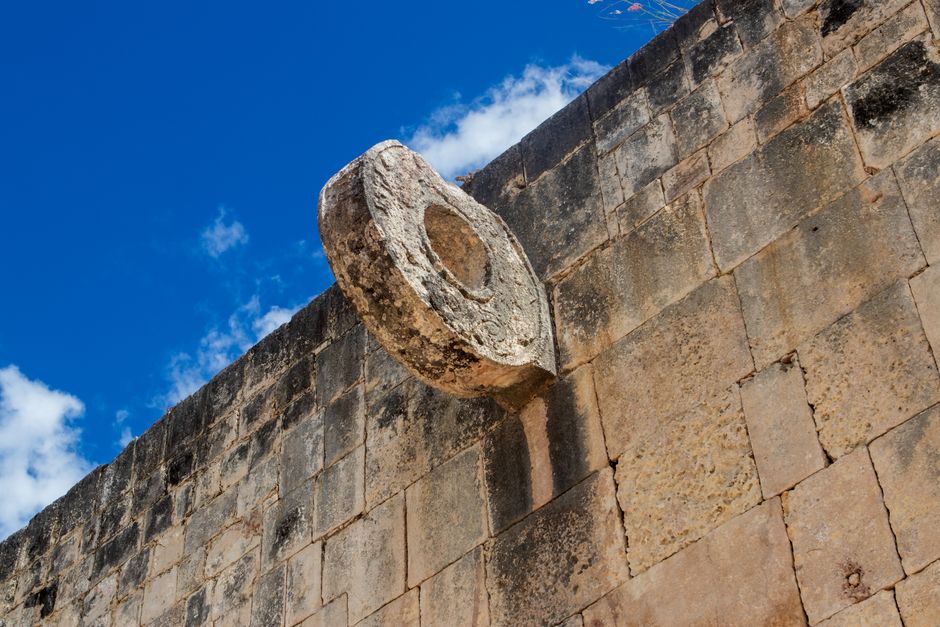
Cenotes, the sacred limestone sinkholes that punctuate the Yucatan Peninsula, exemplify this delicate balance. These freshwater pools served as vital water sources and spiritual centers for the ancient Maya civilization, as documented by Britannica’s comprehensive historical records. Today, they attract thousands of swimmers and divers, but without proper management, biodegradable sunscreen requirements, and visitor limits, these fragile ecosystems face irreversible damage.
Responsible tour operators implement strict environmental protocols including waste reduction, renewable energy usage, water conservation, and carbon offset programs. They educate visitors about local ecosystems, enforce leave-no-trace principles, and actively participate in conservation projects. These practices ensure that Mexico’s natural beauty remains intact for future generations while providing meaningful experiences for current travelers.
Cultural Preservation Through Responsible Tourism
The Maya civilization flourished for thousands of years, developing sophisticated astronomical systems, architectural marvels, and cultural traditions that continue today in indigenous communities throughout southern Mexico. Sustainable tourism recognizes that these living cultures deserve respect, protection, and economic benefits from visitor interest in their heritage.
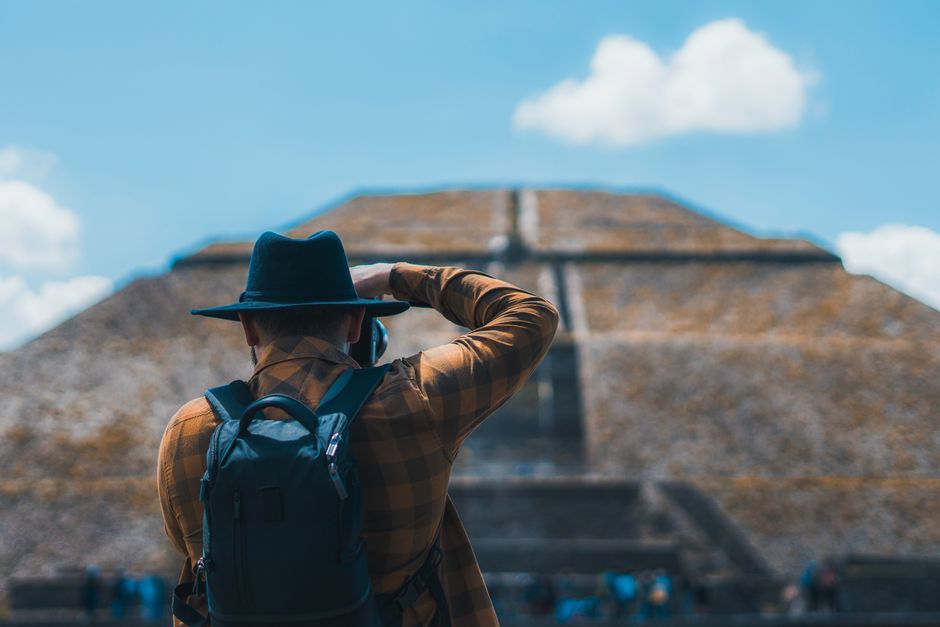
Community-based tourism initiatives allow travelers to engage directly with Maya communities, learning traditional crafts, agricultural practices, and culinary arts from local experts. These programs ensure tourism revenue reaches the communities themselves rather than being siphoned away by external corporations. Visitors gain authentic cultural insights while supporting the preservation of traditional knowledge and practices.
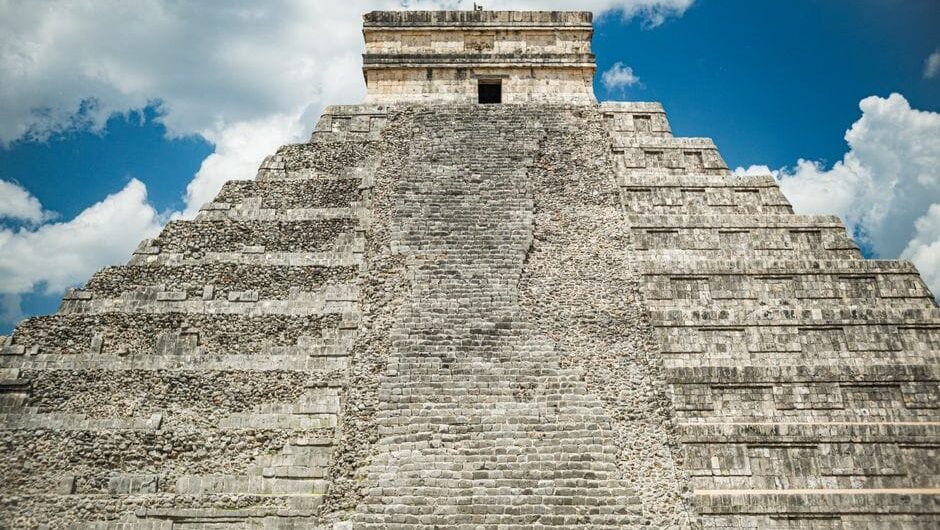
Archaeological sites like Chichen Itza, Tulum, and Calakmul represent irreplaceable windows into Maya history. Sustainable tourism at these locations means limiting visitor numbers, restricting access to vulnerable structures, employing local guides with deep cultural knowledge, and investing entrance fees back into site preservation and community development. Best Maya Tours prioritizes these principles, employing knowledgeable guides who provide context and meaning that transforms ruins from photo opportunities into educational experiences.
Economic Benefits That Empower Local Communities
Sustainable tourism creates economic opportunities that keep money within local communities rather than extracting wealth to external stakeholders. When tourism dollars support local businesses, restaurants, artisans, and guides, entire communities benefit from the industry rather than being displaced by it.

Small-scale, locally-owned tour operators provide personalized experiences while ensuring fair wages for employees and equitable partnerships with communities. These businesses often reinvest profits into conservation projects, educational programs, and community infrastructure. Travelers who choose sustainable tour operators contribute directly to this positive economic cycle.
Agricultural tourism and farm-to-table dining experiences showcase traditional Maya farming techniques including milpa agriculture, which sustainably cultivates corn, beans, and squash together. These experiences educate visitors about food systems while providing income streams for farming families. Artisan cooperatives selling handmade textiles, pottery, and crafts offer similar benefits, preserving traditional skills while generating sustainable livelihoods.
Active Travel and Wellness in Natural Settings
Sustainable tourism in Mexico often incorporates physical activity that connects travelers with natural environments while promoting personal health. Hiking through jungle trails to remote archaeological sites, kayaking along coastal mangroves, snorkeling in protected marine reserves, and cycling through traditional villages combine adventure with environmental appreciation.
These active travel experiences align with health recommendations for regular physical activity, transforming vacation time into opportunities for both cultural enrichment and physical wellness. Jungle hikes to sites like Coba, where visitors can climb ancient pyramids, provide cardiovascular exercise while offering spectacular views and historical context. Cenote swimming and snorkeling deliver low-impact workouts in stunning natural settings.
Wellness tourism, when conducted sustainably, incorporates traditional Maya healing practices, medicinal plant knowledge, and spiritual ceremonies led by local practitioners. These experiences respect cultural traditions while providing visitors with meaningful wellness opportunities that support community healers and preserve traditional knowledge systems.
Choosing Sustainable Tour Operators in Mexico
Identifying genuinely sustainable tour operators requires looking beyond marketing claims to examine actual practices and commitments. Reputable sustainable tour companies demonstrate several key characteristics including transparent environmental policies, fair labor practices, partnerships with local communities, investment in conservation projects, and educational components in their tours.
Best Maya Tours exemplifies these principles through cultural and historical tours led by knowledgeable local guides who provide deep context about Maya civilization. The company’s commitment to sustainable tourism ensures that visits to archaeological sites, natural areas, and communities benefit conservation efforts and local economies. Small group sizes minimize environmental impact while maximizing personal interaction and learning opportunities.
When evaluating tour operators, ask specific questions about their environmental practices, community partnerships, guide compensation, group sizes, and conservation contributions. Genuine sustainable tourism providers welcome these questions and provide detailed answers demonstrating their commitments. They often hold certifications from recognized sustainable tourism organizations and can document their positive impacts.
Planning Your Sustainable Mexico Adventure
Creating a sustainable travel itinerary in Mexico begins with research and intentional choices. Select accommodations with environmental certifications, water conservation programs, renewable energy systems, and community employment practices. Choose tour operators who demonstrate genuine sustainability commitments rather than those merely using green marketing.
Travel during shoulder seasons when possible to reduce pressure on popular destinations during peak periods. This distributes economic benefits more evenly throughout the year while providing more intimate experiences with fewer crowds. Consider visiting lesser-known archaeological sites and communities where tourism infrastructure needs development and your visit makes a more significant economic impact.
Pack sustainably by bringing reusable water bottles, reef-safe sunscreen, biodegradable toiletries, and minimal plastic packaging. To get ready for your trip, consider checking out our guide on what to pack for a Riviera Maya tour. Respect local customs and dress codes, particularly when visiting sacred sites and traditional communities. Learn basic Spanish phrases to facilitate respectful communication with local people. Most importantly, approach your travels with humility, curiosity, and genuine respect for the places and people you encounter.
The Riviera Maya offers spectacular opportunities for sustainable tourism, from exploring ancient coastal ruins to swimming in crystal-clear cenotes and engaging with living Maya communities. When approached responsibly, travel in this region provides transformative experiences that enrich travelers while supporting conservation and community well-being. For travel agencies looking to offer unique experiences, consider private Riviera Maya tours with wholesale rates for agents to maximize profit margins while promoting responsible travel.
Conclusion
Sustainable tourism in Mexico represents the path forward for an industry that must balance economic opportunity with environmental protection and cultural preservation. The ancient Maya understood the importance of living in harmony with nature, a lesson that resonates powerfully today as we confront global environmental challenges. By choosing sustainable tourism options, travelers become partners in conservation efforts that protect Mexico’s extraordinary natural and cultural heritage.
Every travel decision carries impact, from the tour operator you select to how you interact with local communities and natural environments. Best Maya Tours provides expertly curated experiences that honor Maya heritage while protecting the ecosystems and communities that make the Riviera Maya extraordinary. Whether you’re exploring ancient pyramids, swimming in sacred cenotes, or learning traditional crafts from local artisans, sustainable tourism ensures these experiences remain available for generations to come. You can explore more Mexico eco-tourism experiences on our site.
The future of tourism in Mexico depends on choices made today by travelers, tour operators, communities, and governments. By embracing sustainable practices, we can ensure that Mexico’s magnificent landscapes, rich cultural traditions, and ancient wonders continue inspiring and educating visitors while providing economic opportunities for local communities. For travel agencies looking to offer exclusive experiences, learning how travel agencies can book exclusive Maya tours can enhance customer satisfaction. Your next journey to Mexico can be both transformative for you and beneficial for the places you visit—sustainable tourism makes this powerful combination possible.


